
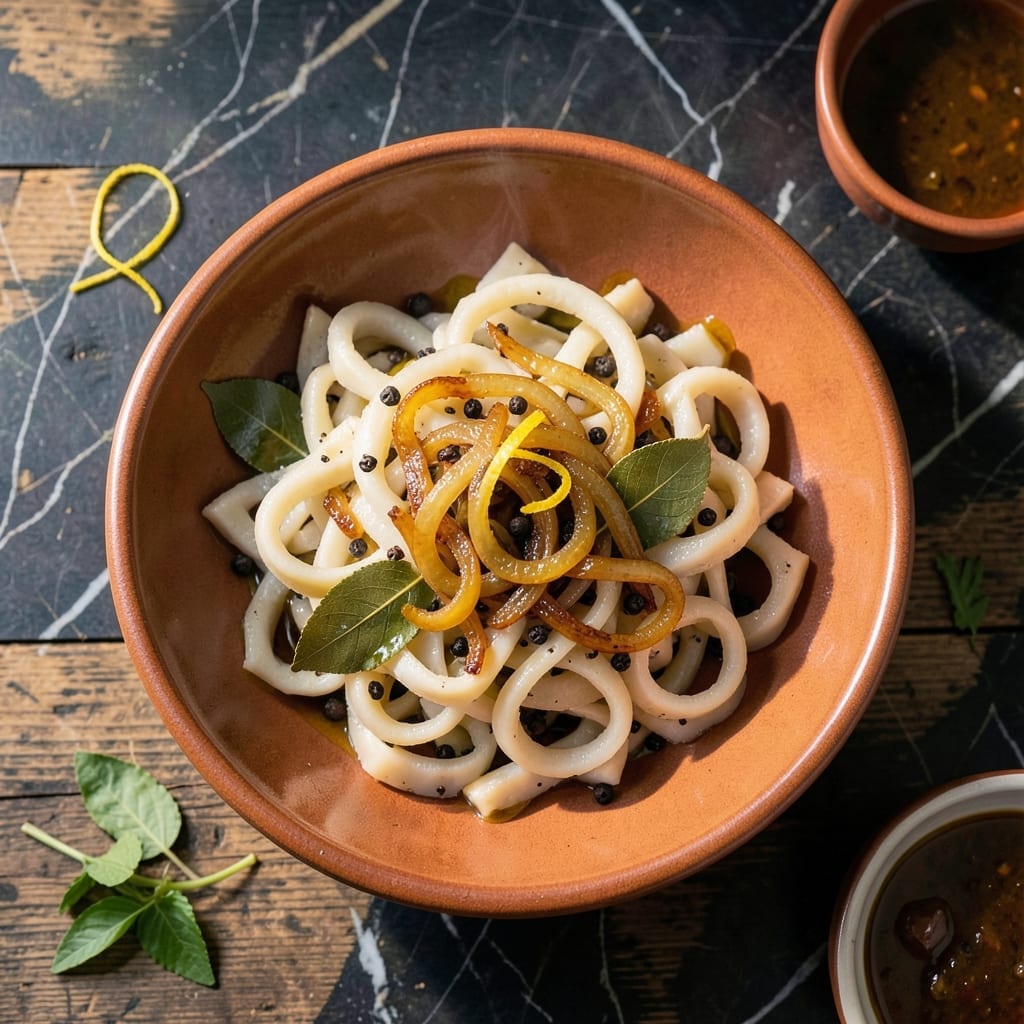
I’ve spent years perfecting this method for transforming beef tripe into a dish with melting tenderness that rivals any restaurant. The key lies in patience and proper preparation before cooking even begins.
This recipe requires cleaning the tripe thoroughly, then slow-cooking it until it becomes buttery and delicate. The process ensures a tender result every time, with layers of flavor absorbed during the long simmer.
What emerges is a dish that’s rich, aromatic, and surprisingly delicate, with a texture so soft it nearly dissolves on the tongue. The slow cooking breaks down the fibers completely.
Serve with crusty bread or over rice to soak up every drop of the savory broth. Here’s how to achieve this level of perfection.
Ingredients for Beef Tripe
Transform beef tripe into a restaurant-worthy dish with these carefully selected ingredients and proper preparation.
| Ingredient | Amount | Notes |
|---|---|---|
| Beef Tripe 🥩 | 2 lb | Honeycomb or plain, thoroughly cleaned |
| White Vinegar 💧 | ½ cup | For initial cleaning rinse |
| Kosher Salt 🧂 | 2 tbsp | Diamond Crystal preferred |
| Black Peppercorns 🌶️ | 1 tbsp | Whole, lightly crushed |
| Bay Leaves 🍃 | 3 pieces | Dried, whole |
| Yellow Onions 🧅 | 2 whole | Large, quartered |
| Garlic Cloves 🧄 | 6 cloves | Smashed, peeled |
| Carrots 🥕 | 3 whole | Peeled, cut into chunks |
| Celery Stalks 🌿 | 3 pieces | Cut into large pieces |
| Beef Stock 🥣 | 8 cups | Low-sodium preferred |
| Red Wine 🍷 | 1 cup | Dry variety for depth |
| Tomato Paste 🍅 | ¼ cup | Double-concentrated preferred |
| Dried Thyme 🌿 | 1 tbsp | Crushed between fingers |
| Olive Oil 🫒 | 2 tbsp | For searing aromatics |
| Fresh Parsley 🌿 | ½ cup | Chopped, for garnish |
The tripe quality is paramount. Source honeycomb tripe from a trusted butcher—it has better texture than plain. Most Whole Foods or local halal markets carry it fresh. Cleaning is non-negotiable: scrub with salt and vinegar, rinse until water runs clear. Look for pieces with even thickness for uniform cooking. Never skip the blanching step (boil 5 minutes, then shock in ice water) to remove any residual impurity.
No beef stock? Vegetable stock plus a splash of soy sauce mimics the depth. Out of red wine? Substitute with additional stock and 1 tbsp balsamic vinegar. Fresh thyme can replace dried at three times the volume. The tomato paste adds umami—San Marzano tomatoes blended smooth work if you’re out. For heat, add a pinch of red pepper flakes (don’t overpower the delicate tripe flavor).
Cooked tripe keeps 4-5 days in its broth in the fridge. The flavor intensifies overnight—best on day two. Freeze portions for up to 3 months. Reheat gently to preserve texture. Always serve with something to soak up the broth.
Why You’ll Love This Recipe
- Set It and Forget: I toss the tripe with vinegar, salt, and a few bay leaves in the morning, and by dinner it’s fall-apart tender.
- Tangy Depth: The white vinegar cuts through the richness and leaves this bright, clean finish that makes me go back for another bite.
- Weeknight Hero: Between us, it’s my Monday-to-Friday lifesaver—cooks while I shuttle kids to practice.
- Budget Stretch: A two-pound bag of tripe costs less than a steak and feeds us twice, with leftovers that taste even better the next day.
Step-by-Step Instructions for Beef Tripe
Achieve melting tenderness through careful preparation and slow, gentle cooking.
Step 1: Clean and Prep the Tripe
Begin by rinsing the 2 lb Beef Tripe thoroughly under cold running water. I like to soak it in a large bowl with 0.5 cup White Vinegar and 2 tbsp Kosher Salt for 30 minutes to remove any residual impurities. This step is crucial for eliminating any off-putting odors.
After soaking, rinse the tripe again and pat it completely dry with paper towels. Trim away any remaining fat or membrane, then cut it into uniform 2-inch pieces. This ensures even cooking throughout the long braising process.
Step 2: Sear Aromatics and Build Flavor Base
Heat 2 tbsp Olive Oil in a large Dutch oven over medium heat. Add the 2 whole Yellow Onions (quartered), 6 cloves Garlic Cloves (smashed), 3 whole Carrots (cut into chunks), and 3 pieces Celery Stalks (cut into large pieces). Sauté for 8-10 minutes until the onions develop a golden brown color.
Stir in the 0.25 cup Tomato Paste, 1 tbsp Black Peppercorns (lightly crushed), 3 pieces Bay Leaves, and 1 tbsp Dried Thyme (crushed between fingers). Cook for 2 minutes until the tomato paste darkens slightly—this deepens its flavor.
Step 3: Deglaze and Add Liquids
Pour in 1 cup Red Wine and scrape up any browned bits from the bottom of the pot with a wooden spoon. Let the wine reduce by half, about 3-4 minutes, to concentrate its flavor and burn off the alcohol.
Add the 8 cups Beef Stock and return the tripe to the pot. The liquid should just cover the tripe—if not, add a splash of water. Bring the mixture to a gentle simmer over medium-high heat, then reduce the heat to low to maintain a slow, steady bubble.
Step 4: Braise to Perfection
Cover the pot and let the tripe braise undisturbed for 2.5 to 3 hours. I check on it occasionally to ensure the liquid level hasn’t dropped too low. The tripe is done when it’s fork-tender and the edges have a slight translucency.
This slow cooking process transforms the tripe from chewy to melt-in-your-mouth tender. The long, gentle heat breaks down the collagen, infusing the meat with the rich flavors of the braising liquid.
Step 5: Finish and Garnish
Once the tripe is tender, remove it from the heat and discard the bay leaves. Skim any excess fat from the surface of the liquid. Taste the broth and adjust the seasoning with additional Kosher Salt if needed.
Ladle the tripe and its braising liquid into shallow bowls. Garnish each serving with a generous sprinkle of 0.5 cup Fresh Parsley (chopped) for a bright, fresh finish. Serve immediately while hot, with crusty bread to soak up the flavorful broth.
Pro Tips For Making Beef Tripe
- Blanch First Always: I learned this the hard way—parboil the tripe in salted water with a splash of white vinegar for 10 minutes before cooking. It removes the gamey smell and toughens the texture just enough to hold up later.
- Simmer Low and Slow: After blanching, keep the heat at a gentle simmer with bay leaves and peppercorns for at least 2 hours. Any higher and the tripe turns rubbery—yes, even if you’re impatient like me.
- Trim the Fat: Sounds tedious, but trim any visible fat or membrane from the tripe before cooking. My grandmother swore by this, and she was right: it keeps the broth clean and the texture consistent.
- Use Enough Vinegar: Don’t skimp—add about ¼ cup white vinegar per pound of tripe during the initial blanch. It cuts the richness and balances the flavor without making it sour.
Pro Cooking Tips for Perfect Results
Pre-Cleaning Soak
Always soak tripe in cold water with ½ cup white vinegar and 2 tbsp kosher salt for 30 minutes before cooking. This removes any lingering odors. I change the water once halfway through for extra assurance. 💡
Blanching Step
After soaking, blanch the tripe in boiling water for 5 minutes, then shock in ice water. This tightens the fibers and removes impurities. I use a large stockpot to give the tripe room to move freely.
Low and Slow
Maintain a gentle simmer—never a rolling boil—during the 2.5-3 hour braise. I keep my Dutch oven on the smallest burner at the lowest setting. A diffuser helps distribute heat evenly on electric stoves.
Liquid Level Check
Check the braising liquid every 45 minutes. If it drops below the tripe, add hot water or stock to just cover. The tripe should always be submerged for even tenderness.
Doneness Test
Test for doneness by piercing with a fork—it should slide in with no resistance. The edges will turn slightly translucent when ready. I find honeycomb tripe cooks about 30 minutes faster than plain. 🔥
Rest Before Serving
Let the tripe rest in its broth for 15-20 minutes off heat before serving. This allows the meat to reabsorb some liquid, enhancing its tender texture. Skim fat during this time for a cleaner finish.
Nutrition Facts
Frequently Asked Questions
How do I remove the smell before cooking?
Soak in cold water with ½ cup white vinegar and 2 tbsp kosher salt for 30 minutes. Rinse and repeat if needed. This step is essential for eliminating any off-putting odors.
Can I use a slow cooker instead of a Dutch oven?
Yes! Cook on low for 6-7 hours or high for 4-5 hours. Ensure the tripe stays submerged in liquid. The texture will be just as tender.
What’s the best way to store leftovers?
Keep in an airtight container with its broth. It stays fresh in the fridge for 4-5 days or freezes well for up to 3 months.
Why is my tripe still tough after cooking?
It likely didn’t cook long enough. Tripe needs 2.5-3 hours of gentle simmering to break down completely. Check liquid levels and maintain a low, steady heat.

- BBQ Sausage Recipe Oven: Smoky Depth Without the Grill - September 28, 2026
- BBQ Chicken Bowl Recipe Rice: Smoky Sweetness Over Fluffy Grains - September 28, 2026
- Beef Cutlet Recipe Ideas: Crispy Breaded Patties With Bold Seasonings - September 28, 2026