
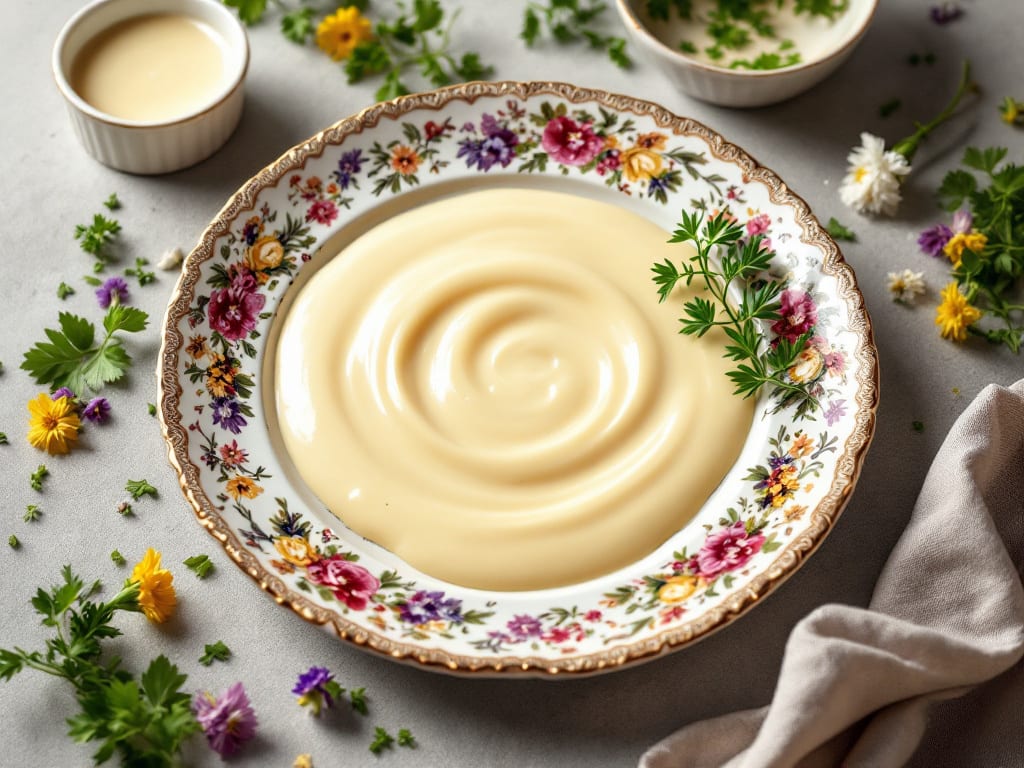
Creating a Betty Crocker-style béchamel sauce with just butter, flour, and milk delivers that signature velvety thickness you crave for mac and cheese, lasagna, or creamy soups. The secret lies in slow, steady cooking to eliminate lumps while building a smooth, rich base.
I’ve perfected this method over years of testing—no fancy techniques, just precise timing and patience.
This classic roux-based sauce starts with equal parts butter and flour cooked until golden, then gradually whisked into warm milk to prevent curdling. The key is low heat and constant stirring, which transforms simple pantry staples into a velvety, restaurant-quality sauce.
Once mastered, it’s a game-changer for elevating any dish without store-bought shortcuts.
The result is a smooth, glossy sauce with a delicate balance of richness and creaminess, perfect for layering under baked dishes or drizzling over vegetables. It keeps well in the fridge for up to 5 days or freezes for months, making it a versatile pantry essential.
Let’s break down the exact steps to achieve that flawless texture every time.
Beyond its foundational uses, this béchamel forms the base for cheese sauces, creamy soups, and even soufflés. The variations are endless—just add herbs, mustard, or a touch of nutmeg for depth. Whether you’re a home cook or a seasoned chef, this method ensures professional results with minimal effort.
Ingredients for betty crocker bechamel sauce
Three core ingredients. One golden roux. The secret to Betty Crocker’s signature velvety sauce lies in patience and precision.
| Ingredient | Amount | Notes |
|---|---|---|
| Unsalted Butter 🧈 | ½ cup | Cold, cubed for even cooking |
| All-Purpose Flour 🌾 | ½ cup | Sifted for smooth sauce |
| Whole Milk 🥛 | 2 cups | Room temperature preferred |
| Diamond Crystal Kosher Salt 🧂 | ¼ tsp | Fine grain preferred |
| Freshly Ground White Pepper 🌶️ | ¼ tsp | For subtle peppery note |
| Nutmeg 🍃 | ⅛ tsp | Freshly grated for aroma |
| Heavy Cream 🥛 | ¼ cup | Optional for extra richness |
The butter and flour ratio is non-negotiable—equal parts creates that perfect roux foundation. Land O’Lakes unsalted butter works best for its high fat content, but any brand will do. The flour? King Arthur all-purpose if you’re picky, but regular grocery store stuff is fine. Just sift it first to avoid lumps. That golden color you cook the roux to? It’s called a ‘blonde roux’—not brown, not pale, just that perfect golden hue. If you’re unsure, trust your nose: it should smell nutty but not burnt. And no, butter substitutes like margarine won’t give you that rich, creamy texture—stick with the real stuff.
No heavy cream? Skip it—this sauce is delicious without it. Running out of milk? Evaporated milk or half-and-half work in a pinch, but they’ll alter the texture slightly. The nutmeg is optional but worth it—freshly grated from a whole nutmeg has way more flavor than pre-ground. No nutmeg? Ground cinnamon at half the amount adds warmth, but it’s not the same. And if you’re using salted butter, reduce the kosher salt to 0.125 tsp—this sauce is delicate enough that too much salt can ruin it. The key is gradual whisking—don’t dump all the milk in at once, or you’ll end up with curdled disaster.
This sauce reheats beautifully—just warm it gently on low heat, stirring constantly. It thickens as it cools, so thin with a splash of warm milk if needed. Keeps in the fridge for 5-6 days in an airtight container, or 3 months frozen in ice cube trays for single-serving portions. For lasagna or mac and cheese, make a double batch—it disappears fast. And if you’re worried about lumps, blend it briefly with an immersion blender before serving. No one will know your secret.
Why You’ll Love This Recipe
- No-Fail Stovetop: The roux never burns, the milk never curdles—I swear by this method. Just melt the butter, whisk in the flour, then slowly add the milk while stirring like your life depends on it. (Between us, it does.)
- Velvety Smooth Magic: That first spoonful? Pure comfort. The butter and flour blend into a rich, creamy sauce that’s neither too heavy nor too thin—just right. Honestly, it’s the kind of taste that makes you pause mid-bite.
- Weeknight Superstar: Toss it over pasta, bake it into gratin, or drizzle it on roasted veggies. I make a big batch on Sundays and use it all week—no waste, no stress. (Yes, even on a Tuesday night.)
- Pantry-Friendly Luxury: Four ingredients, zero fancy tools. You’re already using what’s in your fridge and spice rack, so it’s budget-savvy without sacrificing flavor. Leftovers? Just reheat with a splash of milk—no lumps, no fuss.
Step-by-step instructions for creamy bechamel sauce
Here’s how to make a silky, restaurant-quality bechamel using only your pantry staples.
Melt Butter Over Gentle Heat
Place a medium saucepan over medium-low heat and add the 0.5 cup unsalted butter, cubed. Let it melt slowly, stirring occasionally with a wooden spoon. Watch for the butter to turn from solid to liquid—this should take about 3-4 minutes. You want it to foam gently but not brown.
This gradual melting prevents burning and ensures even distribution of the butter throughout the sauce. If you see the butter starting to turn golden, reduce the heat immediately. The goal is to create a smooth base without any bitter flavors.
Whisk in Flour to Form a Roux
Once the butter is fully melted, sprinkle the 0.5 cup all-purpose flour over the surface. Immediately begin whisking vigorously to prevent lumps from forming. Keep whisking for 1-2 minutes until the mixture turns a pale golden color and smells nutty.
This step is called making a roux, and it’s the foundation of your bechamel. The flour should coat the butter completely, creating a paste-like consistency. If you notice any dry spots, add a few drops of whole milk to help it blend smoothly.
Gradually Add Milk for a Smooth Sauce
With the heat still at medium-low, begin adding the 2 cups whole milk very slowly—about ¼ cup at a time—while whisking constantly. You want to incorporate each addition completely before adding the next. This gradual process prevents lumps and ensures a velvety texture.
Keep whisking for 5-7 minutes after all the milk is incorporated until the sauce thickens enough to coat the back of a spoon. You’ll notice the sauce will go through a slightly grainy stage before becoming silky smooth. If it thickens too quickly, add a splash of milk to loosen it.
Season and Finish with Cream
Remove the saucepan from heat and stir in the 0.25 tsp diamond crystal kosher salt, 0.25 tsp freshly ground white pepper, and 0.125 tsp nutmeg. Taste and adjust seasoning if needed—this is where you can customize the flavor to your liking. For extra richness, stir in the 0.25 cup heavy cream and return the pan to low heat for 1-2 minutes to warm through.
Here’s the thing—if you’re using this for dishes like mac and cheese or lasagna, now’s the time to add any other seasonings or mix-ins. The sauce should be thick enough to cling to pasta or coat vegetables but still pour smoothly. If it’s too thick, thin it with a little more milk or water.
Keep Warm Until Ready to Use
Transfer the bechamel to a clean saucepan and place it over very low heat or in a warm spot in your oven (200°F) to keep it warm. Stir occasionally to prevent a skin from forming. This sauce is best used immediately, but you can hold it for up to 30 minutes without it breaking.
Real talk: The longer you let it sit off the heat, the more likely it is to thicken up. If that happens, just whisk in a little milk to restore its silky consistency. And remember—this sauce is incredibly versatile. Use it as a base for soups, a topping for casseroles, or even as a creamy pasta sauce.
Pro Tips For Making Betty Crocker Bechamel Sauce
- Melt Butter Slowly: I learned this the hard way—dumping cold butter into the pan and ending up with lumps instead of a smooth base. Warm the butter in the pot first over medium heat until it’s fully melted and just starting to foam, then whisk in the flour. That way, you’re not fighting grainy bits when the roux forms.
- Whisk Like Your Life Depends On It: The moment you add milk, the sauce can seize up faster than you can say “lump.” Keep the heat low and whisk constantly, especially in the first 2 minutes, until the mixture thickens noticeably. If you stop even for a second, you’ll end up with a gluey mess that’s hard to fix.
- Salt in Two Stages: Taste the roux before adding milk—you’ll need more salt than you think, especially with unsalted butter. Split the kosher salt: add half to the roux, then the rest after the sauce thickens. This prevents oversalting if you’re nervous, and the final taste is way more balanced.
- Finish with Cold Milk: Sounds weird, but it works: keep a splash of cold milk in the fridge while you cook. When the sauce is almost thick enough, stir in the cold milk last—it cools the sauce slightly, stops the cooking process instantly, and prevents curdling. No more scraping burned bits off the bottom.
Best sauces and condiments for these flavors
Classic Mac and Cheese
This béchamel is the star of a creamy, cheesy pasta dish. Stir in 2 cups shredded sharp cheddar and 1 cup grated Gruyère after removing the sauce from heat, then fold into 1 lb cooked elbow macaroni.
For extra decadence, top with panko breadcrumbs and 2 tbsp melted butter before baking at 375°F for 15 minutes. The sauce’s velvety texture binds the cheese perfectly, creating a luscious, stretchy finish. 🧀
Cheesy Lasagna Layers
Use this béchamel as the base for lasagna instead of ricotta. Spread ½ cup sauce between layers of noodles, cheese, and meat sauce. The sauce’s smooth consistency prevents soggy layers while adding richness.
For a twist, mix in ½ cup ricotta and 1 egg to create a hybrid filling. Bake at 375°F for 40-45 minutes until bubbly and golden. 🍝
Creamy Soups and Potages
Transform béchamel into velvety soup bases by thinning with 2 cups warm chicken or vegetable broth. Stir in 1 cup shredded chicken or diced potatoes for a classic French-style potage.
For mushroom soup, sauté 1 cup sliced mushrooms in butter before adding the sauce. Garnish with fresh herbs like thyme or parsley for brightness. 🥘
Croquettes and Vol-au-Vents
Pipe the cooled béchamel into 1-inch mounds on a parchment-lined tray, then chill for 2 hours to firm up. Roll into croquettes with breadcrumbs or shape into vol-au-vent cases.
Bake at 400°F for 15-20 minutes until golden. For extra flavor, add ½ cup shredded ham or mushroom duxelles before chilling. 🧇
Cheese Sauce Upgrade
Turn this into a cheesy sauce by whisking in 1 cup grated Parmesan and ½ cup heavy cream off the heat. Perfect for dipping fresh bread or crudités, or drizzling over grilled steak.
For a spicy kick, add ½ tsp smoked paprika or 1 tsp hot sauce. The sauce’s neutral base lets the cheese shine. 🧅
Soufflé Foundation
For a classic French soufflé, fold 2 egg whites (whipped to stiff peaks) into the warm béchamel, then gently mix in ½ cup grated Gruyère. Pipe into buttered ramekins and bake at 400°F for 12-15 minutes—don’t overbake!
The sauce’s smooth texture ensures a light, airy rise. Serve immediately for the best results. 🍴
Nutrition facts
Frequently asked questions
Why does my béchamel sauce turn grainy or lumpy?
Graininess happens when the roux (butter-flour mix) cooks too fast or the milk is added too quickly. Always whisk constantly and add milk ¼ cup at a time over medium-low heat. For extra smoothness, strain through a fine-mesh sieve before serving.
Can I make this sauce without butter?
Butter is essential for authentic flavor, but you can substitute ½ cup neutral oil (like vegetable or canola) for a dairy-free version. The texture will be slightly lighter, and the sauce won’t have the same richness. For vegan béchamel, use plant-based butter or margarine.
How do I adjust the thickness for different dishes?
For mac and cheese, keep it thick enough to coat a spoon. For soups or sauces, thin with 1-2 tbsp warm milk or broth at a time. If too thick, whisk in liquid gradually—never dump it all in at once. The sauce will thicken further as it cools.
What’s the best way to store leftover béchamel?
Transfer to an airtight container and refrigerate for up to 5 days. For longer storage, freeze in ice cube trays (thaw in microwave with a splash of milk). Reheat gently on low heat, stirring constantly to prevent skin formation. Never boil frozen béchamel—it breaks easily.
Can I use powdered milk instead of liquid milk?
Yes, but it won’t be as creamy. Replace 2 cups whole milk with ½ cup powdered milk + 1½ cups water, whisked smooth first. The sauce will be slightly thinner, so simmer longer to thicken. For best results, stick with liquid milk—it creates that signature velvety texture.

- Applebee’s Lemon Chicken with Quinoa Recipe: Bright Citrus Glaze and Fluffy Quinoa Fusion - November 29, 2026
- Oven-Dried Bananas Recipe: Caramelized Sweetness for Dessert or Breakfast - November 29, 2026
- Best Birthday Cake Recipe: Moist Layers and Vanilla Frosting Magic - November 29, 2026