
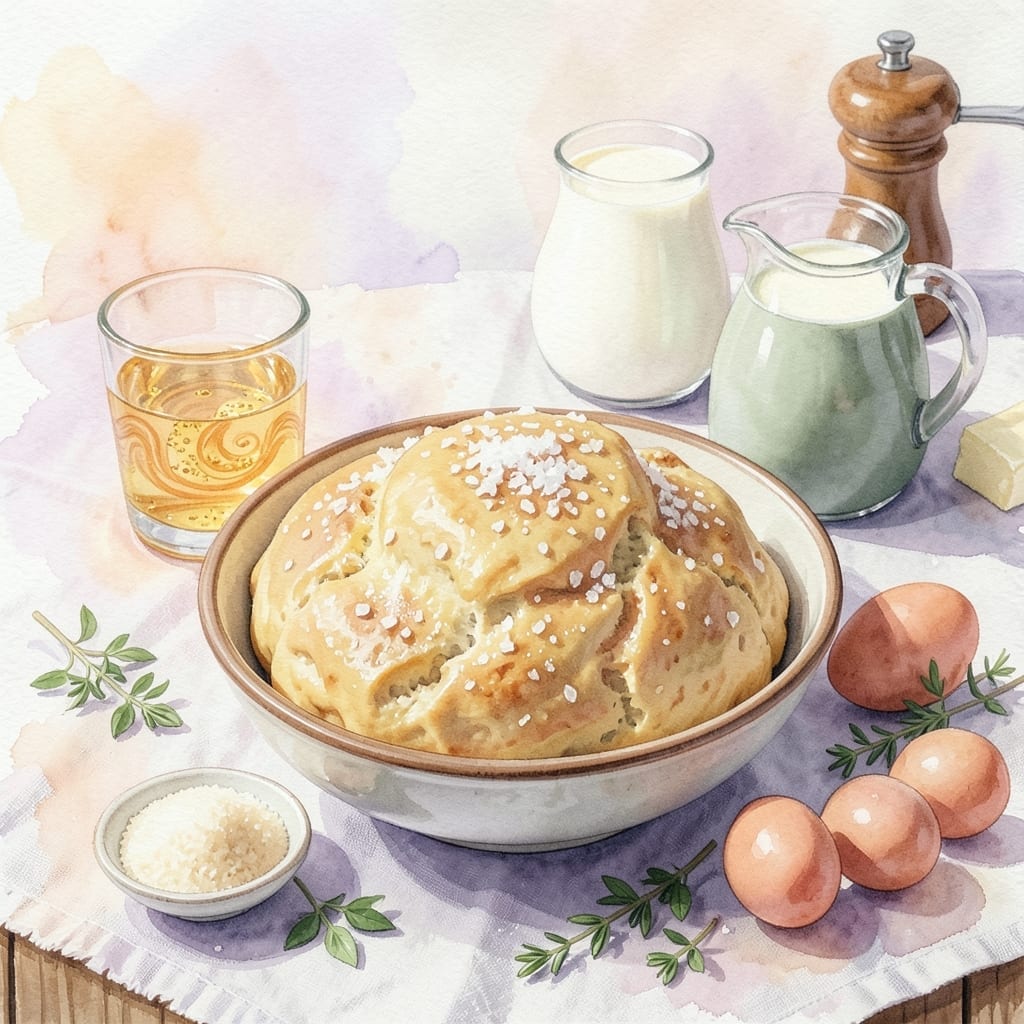
This sweet dough recipe delivers soft, pillowy rolls perfect for any gathering. The yeast-based dough rises beautifully, creating a light texture that melts in your mouth.
I’ve refined this method to ensure consistent results every time. The secret lies in proper yeast activation and just the right amount of sugar for sweetness without overpowering the flavor.
With a golden-brown finish and tender crumb, this dough works for dinner rolls, cinnamon buns, or even a sweet loaf. It’s versatile enough for holidays or everyday baking.
Follow the steps carefully, and you’ll have dough ready to shape and bake in no time. The aroma alone will draw everyone to the kitchen.
Ingredients for Betty Crocker Sweet Dough Recipe with Yeast
Whole milk, butter, and eggs create the tender crumb for these pillowy rolls.
| Ingredient | Amount | Notes |
|---|---|---|
| Active Dry Yeast 🍞 | 2 ¼ tsp | One packet, proofed in warm water |
| Warm Water 💧 | ¾ cup | 110°F for yeast activation |
| Granulated Sugar 🍚 | ¼ cup | For feeding yeast and sweetness |
| Whole Milk 🥛 | ¾ cup | Warmed to 110°F |
| Unsalted Butter 🧈 | ½ cup | Melted and cooled slightly |
| Large Eggs 🥚 | 2 whole | Room temperature, lightly beaten |
| All-Purpose Flour 🌾 | 5 cups | Sifted, plus extra for dusting |
| Salt 🧂 | 1 ½ tsp | Fine sea salt preferred |
| Vanilla Extract 🌿 | 1 ½ tsp | Pure extract for best flavor |
| Ground Nutmeg 🌰 | ¼ tsp | Freshly grated if available |
The yeast is non-negotiable here—active dry yeast from Fleischmann’s or Red Star delivers consistent results. Use a thermometer to confirm your liquids hit 110°F; too hot kills the yeast, too cool won’t activate it. For the flour, King Arthur all-purpose is my go-to for reliability. The butter must be unsalted so you can control the salt content precisely.
No whole milk? 2% milk plus a tablespoon of melted butter works in a pinch. For dairy-free, use unsweetened almond milk with a splash of vinegar (but this is a vegetarian recipe, so dairy is fine). Out of nutmeg? Skip it—the sugar and vanilla carry the flavor. If you’re doubling the batch, use two packets of yeast and scale everything else proportionally.
The dough rises best in a warm, draft-free spot—80-85°F is ideal. Refrigerate shaped rolls overnight for a slow rise (enhances flavor). Baked rolls keep 2-3 days wrapped at room temperature or freeze dough balls for up to 1 month.
Why You’ll Love This Recipe
- I’ll be real: I love that I can prep this the night before and let it rise in the fridge overnight.
- One Bowl Wonder: I just dump the yeast, warm water, sugar, milk, and butter in one bowl—no fancy steps, no mess.
- Buttery Sweet Magic: The butter and sugar create this rich, tender dough that’s honestly impossible to resist.
- Endless Possibilities: I’ve used this dough for cinnamon rolls, dinner rolls, even a quick coffee cake. Between us, it never fails.
Step-by-Step Instructions for Soft Pillowy Sweet Dough
This method ensures perfectly tender, slightly sweet dough with a delicate crumb every time.
Step 1: Activate the Yeast and Warm the Liquids
In the bowl of a stand mixer, combine the 2.25 tsp Active Dry Yeast with the 0.75 cup Warm Water and 0.25 cup Granulated Sugar. The water must be 110°F—too hot will kill the yeast, too cool won’t activate it. Let it sit for 5-7 minutes until foamy and fragrant.
While the yeast proofs, warm the 0.75 cup Whole Milk to 110°F and melt the 0.5 cup Unsalted Butter, ensuring it cools slightly before use. This temperature consistency prevents shocking the yeast when combined.
Step 2: Combine Wet Ingredients and Begin the Dough
Once the yeast mixture is foamy, add the warmed Whole Milk, melted Unsalted Butter, 2 whole Large Eggs, 1.5 tsp Vanilla Extract, and 0.25 tsp Ground Nutmeg. Whisk gently to combine. The mixture should look smooth and slightly glossy.
The eggs and butter add richness, while the vanilla and nutmeg provide warm, aromatic depth. Ensure all wet ingredients are fully incorporated before moving to the next step.
Step 3: Incorporate Dry Ingredients and Knead
Gradually add the 5 cups All-Purpose Flour and 1.5 tsp Salt to the wet mixture, mixing on low speed with the dough hook attachment until just combined. Increase the speed to medium and knead for 8-10 minutes until the dough is smooth, elastic, and slightly tacky but not sticky.
If the dough sticks to the bowl, add flour 1 tablespoon at a time until it pulls away cleanly. Over-flouring will result in dense rolls, so add cautiously. The dough should pass the windowpane test—stretch a small piece thinly without it tearing.
Step 4: First Rise Until Doubled
Transfer the dough to a lightly greased bowl, turning once to coat. Cover with a clean kitchen towel or plastic wrap and let it rise in a warm, draft-free place for 1.5-2 hours, or until doubled in volume.
I like to preheat my oven to 200°F, turn it off, and place the bowl inside for a consistent environment. The dough is ready when it springs back slowly when gently pressed with a finger, leaving a slight indent.
Step 5: Shape and Second Rise
Punch down the risen dough to release air, then turn it out onto a lightly floured surface. Divide and shape into rolls or your desired form. Place them on a parchment-lined baking sheet, cover, and let rise again for 45-60 minutes until puffy.
This second rise ensures airy texture. The rolls should look nearly doubled in size and feel light when gently pressed. Bake immediately after this rise for best results.
Pro Tips For Making Betty Crocker Sweet Dough Recipe With Yeast
- Test Your Yeast: Always bloom your active dry yeast in the warm water with a pinch of sugar first—if it doesn’t foam within 5 minutes, your dough won’t rise. I learned this the hard way after wasting a batch of ingredients.
- Warm the Milk: Take the chill off your whole milk before mixing—cold milk can shock the yeast and slow down activation. Just 10-15 seconds in the microwave does the trick.
- Soften Butter Right: Your unsalted butter should be soft enough to leave a slight indent when pressed, but not melted. If it’s too warm, the dough will be greasy instead of tender.
- Knead Long Enough: Don’t stop kneading as soon as the dough comes together—give it a full 8-10 minutes until it’s smooth and elastic. This builds the structure for a light, fluffy texture.
Health Benefits of These Flavors
Energy Boost
This dough provides complex carbohydrates from flour that offer sustained energy, ideal for active days. The natural sugars in the dough help fuel your body without the crash of processed sweets. 💪
Rich in B Vitamins
The eggs and milk in this recipe deliver B vitamins like riboflavin and B12, essential for metabolism and energy production. These nutrients support your nervous system and help convert food into energy efficiently.
Bone Health Support
Milk and butter contribute calcium and vitamin D, which work together to strengthen bones and teeth. A single roll provides a meaningful boost to your daily calcium needs.
Protein for Repair
With eggs and milk, this dough contains quality protein that helps build and repair tissues. Each serving offers about 6-8 grams of protein, supporting muscle maintenance and recovery.
Heart-Healthy Fats
The butter in this recipe provides monounsaturated fats, which can improve cholesterol levels when consumed in moderation. These fats also help your body absorb fat-soluble vitamins. 💛
Mood Enhancement
The combination of carbohydrates and small amounts of sugar in this dough can boost serotonin levels, promoting feelings of well-being. Perfect for comfort food moments that lift your spirits.
Nutrition Facts
Frequently Asked Questions
Why does my dough not rise properly?
Check your yeast first—it may be expired. Also, ensure liquids are exactly 110°F. Too hot kills yeast, too cold prevents activation. A warm, draft-free spot helps the rising process.
Can I make this dough ahead of time?
Yes! Shape the dough, then refrigerate overnight for a slow rise. This enhances flavor. Let it warm at room temperature for 1-2 hours before baking.
How do I know when the dough is kneaded enough?
It should pass the windowpane test—stretch a small piece thinly without tearing. The dough will be smooth, elastic, and slightly tacky after 8-10 minutes of kneading.
Can I substitute whole wheat flour?
Yes, but use only 2-3 cups and keep the rest all-purpose. Whole wheat is denser, so more may make the rolls heavy. Add 1-2 tablespoons extra water if needed.

- BBQ Sausage Recipe Oven: Smoky Depth Without the Grill - September 28, 2026
- BBQ Chicken Bowl Recipe Rice: Smoky Sweetness Over Fluffy Grains - September 28, 2026
- Beef Cutlet Recipe Ideas: Crispy Breaded Patties With Bold Seasonings - September 28, 2026