
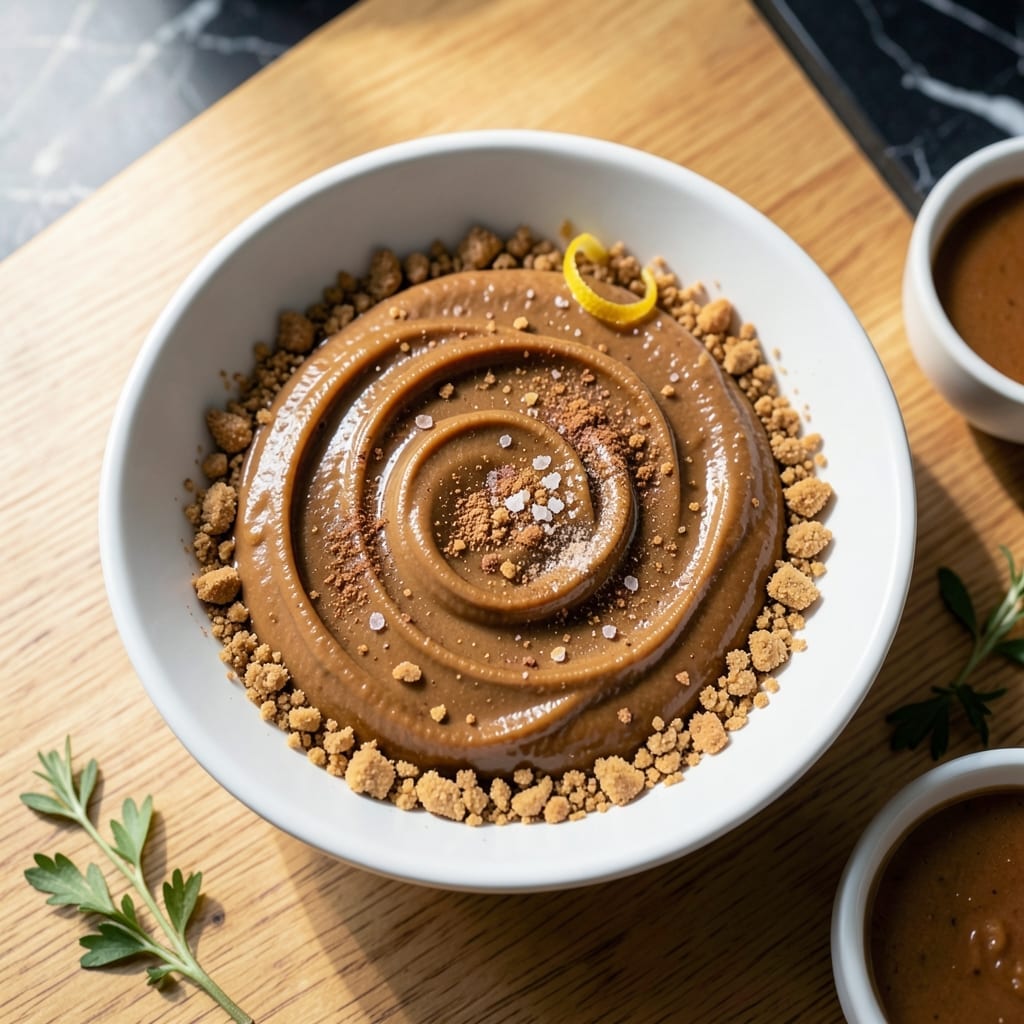
There’s nothing like homemade cookie butter to elevate desserts, and this recipe makes it effortless. I’ve refined this method to create a smooth, spreadable consistency every time, using just a few pantry staples.
The key is blending crushed Biscoff cookies with a touch of oil until it transforms into a rich, creamy paste. A hint of sweetener enhances the natural caramelized flavor, but the cookies do most of the work.
Use this spread on toast, swirl it into frosting, or enjoy it straight from the jar. It keeps well for weeks, making it a versatile addition to your kitchen.
No special equipment is needed—just a food processor and a little patience.
Ingredients for Biscoff Spread
Seven ingredients transform Biscoff cookies into silky, dreamy spreadable magic.
| Ingredient | Amount | Notes |
|---|---|---|
| Biscoff Cookies 🍪 | 8 oz | About 25 cookies, crushed |
| Neutral Oil 🫒 | ¼ cup | Coconut or vegetable oil works best |
| Brown Sugar 🍚 | 2 tbsp | Light or dark variety |
| Vanilla Extract 🌿 | 1 tsp | Pure vanilla preferred |
| Ground Cinnamon 🌶️ | ¼ tsp | Enhances warmth of cookies |
| Sea Salt 🧂 | 0.125 tsp | Fine grain preferred |
| Heavy Cream 🥛 | 2 tbsp | Optional for creamier texture |
The Biscoff cookies are the soul here. Trader Joe’s carries them in bulk (look near the coffee), but any grocery store with a cookie aisle should have them. I grab the 8-ounce bags—perfect for a single batch. If you’re lucky enough to find the speculoos-style cookies at World Market, those work too (slightly spicier, but delicious). The neutral oil is key—coconut oil adds a subtle sweetness, but vegetable or canola oil keeps it pure cookie flavor.
No brown sugar? White sugar plus a teaspoon of molasses works in a pinch. Skipping the cinnamon? It’s fine, but that quarter teaspoon really wakes up the spice notes. Want it thicker? Reduce the oil slightly. Too thick? Add oil a teaspoon at a time. The vanilla extract is worth the splurge here—pure vanilla makes a noticeable difference over imitation.
This keeps beautifully at room temperature for 2 weeks in a sealed jar. For longer storage, stash it in the fridge for 1 month. If it separates, just stir it back together (or re-blend for that ultra-smooth texture).
Why You’ll Love This Recipe
- 5-Minute Magic: I blitz the cookies, oil, and sugar in my blender and it’s ready before the kettle boils.
- Warm Spice Hug: That cinnamon plus vanilla combo hits like a cozy bakery in a jar.
- Endless Uses: I swirl it into oatmeal, pipe it onto toast, and sneak spoonfuls straight from the jar.
- Pantry Hero: One batch costs less than store-bought and keeps for two weeks in the fridge.
Step-by-Step Instructions for Biscoff Spread
This method transforms crisp cookies into velvety spread with minimal effort and maximum flavor.
Step 1: Crush the Cookies to Fine Crumbs
Place the 8 oz Biscoff Cookies in a food processor and pulse until you achieve a fine, sand-like consistency. I process in 10-second bursts, shaking the bowl between pulses to ensure even grinding. You’ll know it’s ready when no visible cookie chunks remain and the mixture resembles wet sand.
If you don’t have a food processor, seal the cookies in a zip-top bag and crush them with a rolling pin. This takes a bit more elbow grease but works just as well. The finer the crumbs, the smoother your final spread will be—this is non-negotiable for that signature creamy texture.
Step 2: Combine Wet and Dry Ingredients
Add the 0.25 cup Neutral Oil, 2 tbsp Brown Sugar, 1 tsp Vanilla Extract, 0.25 tsp Ground Cinnamon, and 0.125 tsp Sea Salt to the cookie crumbs in the food processor. The oil should just cover the crumbs when you press down—if it looks dry, you’ve measured correctly.
Pulse for 15-20 seconds until the mixture begins to clump together. Scrape down the sides with a spatula and pulse again. You’re aiming for a thick, dough-like consistency at this stage. The cinnamon and vanilla will start to perfume the air—that’s how you know the flavors are marrying properly.
Step 3: Achieve the Perfect Spreadable Consistency
With the processor running continuously, slowly drizzle in the 2 tbsp Heavy Cream through the feed tube. This is the magic step that transforms the mixture from crumbly to luxuriously smooth. The cream should be cold—this helps emulsify the mixture properly.
Process for an additional 30-45 seconds after adding the cream, until the spread is completely smooth and glossy. Stop and scrape down the sides as needed. The final texture should be like thick peanut butter, holding its shape when scooped but spreading easily. If it’s too thick, add more cream 1 teaspoon at a time—but don’t overdo it, or the spread will become greasy.
Step 4: Rest and Store for Optimal Flavor
Transfer the spread to an airtight jar or container. Let it sit at room temperature for 30 minutes to allow the flavors to meld fully. You’ll notice the texture firms up slightly as it rests. The spread should be smooth, with no graininess, and have a beautiful caramel color from the cookies and sugar.
Store in the refrigerator for up to 2 weeks. The spread will thicken when chilled, so let it sit at room temperature for 10-15 minutes before using to achieve that perfect spreading consistency. Always use a clean, dry spoon to prevent contamination and maintain freshness.
Pro Tips For Making Biscoff Spread
- Pulse, Don’t Blend: Use short pulses in your food processor instead of continuous blending—this prevents the oils from separating and gives you that perfect, spreadable texture.
- Toast the Cookies: I learned this the hard way: lightly toasting the Biscoff cookies before blending deepens their caramelized flavor and makes the spread taste richer.
- Skip the Cheap Oil: Neutral oils like refined coconut or avocado work best here; skip unrefined or strongly flavored oils, or your spread will taste bitter or overpowering.
- Add Oil Gradually: Start with 2 tablespoons of oil, blend, then add more as needed—about 1/4 cup total usually does it—so you don’t end up with a greasy mess.
Storing and Reheating This Dish
Room Temperature Storage
For short-term storage, keep your spread in an airtight glass jar at room temperature. I use 8-ounce mason jars—they’re perfect for this quantity. It stays fresh for 2 weeks this way, as the sugar content acts as a natural preservative. 💡
Refrigerator Storage
For longer freshness, refrigerate your spread in a sealed container. It will thicken slightly in the cold, so let it sit at room temperature for 10-15 minutes before using. This method extends its life to 1 month without compromising flavor or texture.
Freezing for Long-Term
You can freeze this spread for up to 3 months in a freezer-safe container. I recommend small glass jars to avoid waste. Leave ½ inch headspace for expansion. Thaw overnight in the fridge before use.
Revival After Separation
If your spread separates, simply stir it vigorously with a spoon. For stubborn separation, pulse it briefly in the food processor. I find a 10-second blend restores its smooth, creamy texture perfectly. No need to add more oil—just redistribute what’s there.
Portioning for Gifts
This makes a great gift in 4-ounce jars. I fill them to the brim and add a ribbon for presentation. The spread stays fresh at room temperature for 2 weeks, so recipients have plenty of time to enjoy it. ❤️
Nutrition Facts
Frequently Asked Questions
Can I use a different type of cookie?
Graham crackers or ginger snaps work in a pinch, but the flavor won’t be the same. Biscoff’s unique caramelized taste is hard to replicate with other cookies.
Why did my spread turn out grainy?
This usually means the cookies weren’t finely crushed enough. Process for an extra 30 seconds or until completely smooth. Adding a touch more oil can also help.
How can I make this spread vegan?
Swap the heavy cream for coconut cream and use coconut oil. The texture will be slightly different but equally delicious.
What’s the best way to use leftover spread?
Try swirling it into frosting, filling cupcakes, or spreading on warm toast. It also makes an amazing ice cream topping when slightly warmed.

- BBQ Sausage Recipe Oven: Smoky Depth Without the Grill - September 28, 2026
- BBQ Chicken Bowl Recipe Rice: Smoky Sweetness Over Fluffy Grains - September 28, 2026
- Beef Cutlet Recipe Ideas: Crispy Breaded Patties With Bold Seasonings - September 28, 2026