
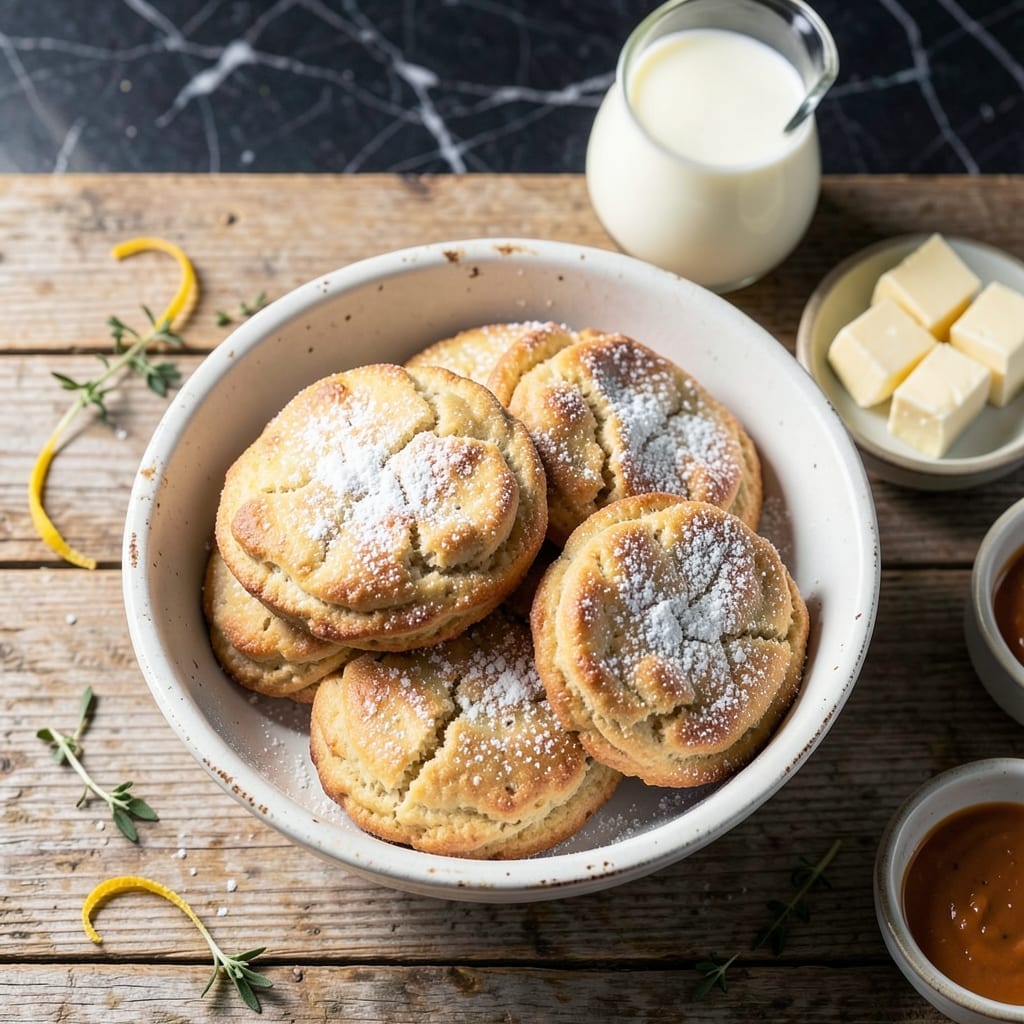
This recipe delivers flaky, tender biscuits using just self-rising flour and a few basic ingredients. The method is simple yet precise.
With a hot oven and proper layering technique, you’ll achieve golden, layered results in under 20 minutes. Perfect for breakfast or dinner sides.
Ingredients for Biscuit Recipe with Self Rising Flour
Self-rising flour and cold butter create those coveted flaky, tender layers everyone loves.
| Ingredient | Amount | Notes |
|---|---|---|
| Self-Rising Flour 🌾 | 2 cups | All-purpose substitution not recommended |
| Unsalted Butter 🧈 | ½ cup | Cold, cubed for flaky layers |
| Whole Milk 🥛 | ¾ cup | Cold, for tender texture |
| Salt 🧂 | ½ tsp | Fine sea salt preferred |
| Baking Powder 🧂 | 1 tsp | Ensures proper rise |
| Granulated Sugar 🍚 | 1 tbsp | Optional for slight sweetness |
| Buttermilk 🥛 | ½ cup | Substitute for whole milk if desired |
The butter is non-negotiable for flakiness—use high-quality European-style if available, but standard unsalted works. King Arthur or White Lily self-rising flours yield the best rise. Keep everything cold until the moment of mixing; this prevents the butter from melting prematurely, which is essential for creating those distinct layers. The milk should be straight from the fridge, not room temperature.
No buttermilk? Whole milk with 1 tsp lemon juice or vinegar does the trick. The baking powder boosts the lift from the self-rising flour—check expiration dates, as old leavening agents lose potency. For a richer flavor, substitute heavy cream for the milk. The sugar is optional but recommended for a balanced flavor profile.
Store biscuits in an airtight container at room temperature for up to 2 days. Reheat in a 350°F oven for 5-10 minutes to restore freshness. Freeze uncooked dough for up to 3 months—bake straight from the freezer, adding 2-3 extra minutes.
Why You’ll Love This Recipe
- One Bowl Wonder: I mix everything right in the same bowl—no extra dishes, just self-rising flour, butter, and milk coming together fast.
- Buttery Layers: That cold butter folded into the dough bakes up flaky and rich. Honestly, it’s the little pockets of golden goodness that get me every time.
- Breakfast to Dinner: These biscuits work with jam at dawn, alongside fried chicken at noon, or smothered in gravy for supper.
- Pocket Change Friendly: Self-rising flour cuts out extra leavening costs, and the whole batch runs me under three bucks. I’ll be real: it’s cheaper than takeout bread.
Step-by-Step Instructions for Biscuits With Self-Rising Flour
This method ensures tall, flaky layers with minimal effort and maximum reward.
Step 1: Chill the Dry Ingredients and Fat
Whisk together the 2 cups Self-Rising Flour, 0.5 tsp Salt, 1 tsp Baking Powder, and 1 tbsp Granulated Sugar in a large bowl. I always place this bowl in the freezer for 10 minutes to ensure everything stays cold—this prevents the butter from melting prematurely and ruining the flaky texture.
Cut the 0.5 cup Unsalted Butter into ½-inch cubes and return it to the refrigerator. The key to flaky biscuits is cold fat that creates steam pockets during baking. Using warm ingredients here will result in dense, flat biscuits rather than the tall, layered ones we’re after.
Step 2: Incorporate the Butter for Flaky Layers
Add the chilled butter cubes to the dry ingredients. Using a pastry cutter or your fingertips, work the butter into the flour until the mixture resembles coarse crumbs with pea-sized butter pieces visible. Don’t overmix—you want distinct butter chunks that will create those coveted flaky layers.
If the butter begins to soften or smear during this process, pop the entire bowl back into the freezer for 5 minutes to rechill. The mixture should look shaggy and uneven, not smooth. This uneven distribution of butter is what creates the beautiful, irregular layers in your finished biscuits.
Step 3: Add the Liquid and Form the Dough
Make a well in the center of the flour-butter mixture. Pour in the 0.75 cup Whole Milk and 0.5 cup Buttermilk. Using a fork, gently stir the liquid into the dry ingredients just until the dough begins to come together. The dough will be sticky and shaggy—that’s exactly what we want.
Turn the dough out onto a lightly floured surface. With floured hands, gently pat the dough into a 1-inch thick rectangle. Avoid overworking the dough, as this develops gluten, which makes biscuits tough instead of tender.
Step 4: Laminate and Cut for Maximum Flakiness
Fold the dough rectangle in half like a book, then gently pat it back down to 1-inch thickness. Repeat this folding and patting process two more times. This lamination technique creates multiple thin layers of dough and butter, resulting in exceptionally flaky biscuits.
Finally, pat the dough to a uniform ¾-inch thickness. Using a 2½-inch biscuit cutter, press straight down without twisting to cut out biscuits. Twisting the cutter seals the edges, which prevents the biscuits from rising properly. Gather the scraps, gently pat together, and cut more biscuits—avoid overworking the dough.
Step 5: Bake to Golden Perfection
Preheat your oven to 450°F. Place the biscuits on a baking sheet lined with parchment paper, ensuring they’re touching each other. This close placement helps the biscuits rise upward rather than spreading outward, creating taller, flakier results.
Bake for 12-15 minutes until the biscuits are golden brown on top and the layers are visible. Don’t open the oven during the first 10 minutes of baking, as this can cause the biscuits to collapse. They’re done when the tops are golden and the internal temperature reaches 200°F.
Transfer the biscuits to a wire rack and let them cool for 2-3 minutes before serving. The steam inside will finish setting the structure, but serve them warm for the best texture. Split one open to reveal the beautiful, flaky layers you’ve created.
Pro Tips For Making Biscuit Recipe With Self Rising Flour
- Keep Butter Cold: Work the butter into the flour with your fingers just until pea-sized crumbs form—any warmer and your biscuits will spread flat. I learned this the hard way after a batch turned into sad little pancakes.
- Skip Extra Baking Powder: Self-rising flour already has leavening, so adding more baking powder can leave a bitter taste. My grandmother swore by this, and she was right: just a pinch extra for altitude if needed.
- Handle Dough Lightly: Fold the dough over itself 2-3 times max, then stop. Overworking develops gluten, and suddenly you’ve got hockey pucks instead of flaky layers.
- Bake Hot and Fast: Crank the oven to 475°F and bake for 10-12 minutes. High heat makes the butter steam quickly, which is what gives you those tall, golden layers.
Troubleshooting Great biscuit recipe with self rising flour
Flat Biscuits
If your biscuits didn’t rise, the butter was likely too warm when mixed. Always chill your 2 cups Self-Rising Flour and 0.5 cup Unsalted Butter before starting. Warm butter melts into the dough, eliminating the steam needed for lift. 🌡️
Dense Texture
Overworking the dough develops gluten, creating tough biscuits. Mix just until combined, then handle the dough minimally. Pat, don’t roll, and fold only 3 times during lamination. This keeps the texture tender.
Dry Biscuits
Too much flour on your work surface can make biscuits dry. Use just enough to prevent sticking. Also, measure your 0.75 cup Whole Milk precisely—too little liquid dries out the dough.
Spreading Instead of Rising
If biscuits spread rather than rise, your oven may not be hot enough. Always preheat to 450°F and place biscuits close together on the baking sheet. This encourages upward expansion.
Uneven Browning
For even browning, rotate your baking sheet halfway through the 12-15 minutes baking time. Also, ensure your oven rack is centered. Hot spots can cause some biscuits to brown faster than others.
No Flaky Layers
Visible layers come from proper folding. After adding liquid, fold the dough like a book 3 times, patting to 1-inch thickness each time. This creates the thin layers of butter that puff up during baking. ✨
Frequently Asked Questions
Can I use regular flour instead?
No, regular flour lacks the leavening agents. For each 1 cup of substitution, add 1½ tsp baking powder and ¼ tsp salt to mimic self-rising flour.
Why is cold butter important?
Cold butter creates steam pockets during baking, which makes the layers flaky. If it melts early, biscuits will be dense and flat. Keep everything chilled until baking.
How do I store leftovers?
Keep in an airtight container at room temperature for up to 2 days. Reheat in a 350°F oven for 5-10 minutes to restore freshness.
Can I make these ahead?
Yes! Shape and cut the dough, then freeze on a tray. Transfer to a bag and bake from frozen, adding 2-3 extra minutes to the baking time.
Nutrition Facts

- BBQ Sausage Recipe Oven: Smoky Depth Without the Grill - September 28, 2026
- BBQ Chicken Bowl Recipe Rice: Smoky Sweetness Over Fluffy Grains - September 28, 2026
- Beef Cutlet Recipe Ideas: Crispy Breaded Patties With Bold Seasonings - September 28, 2026