
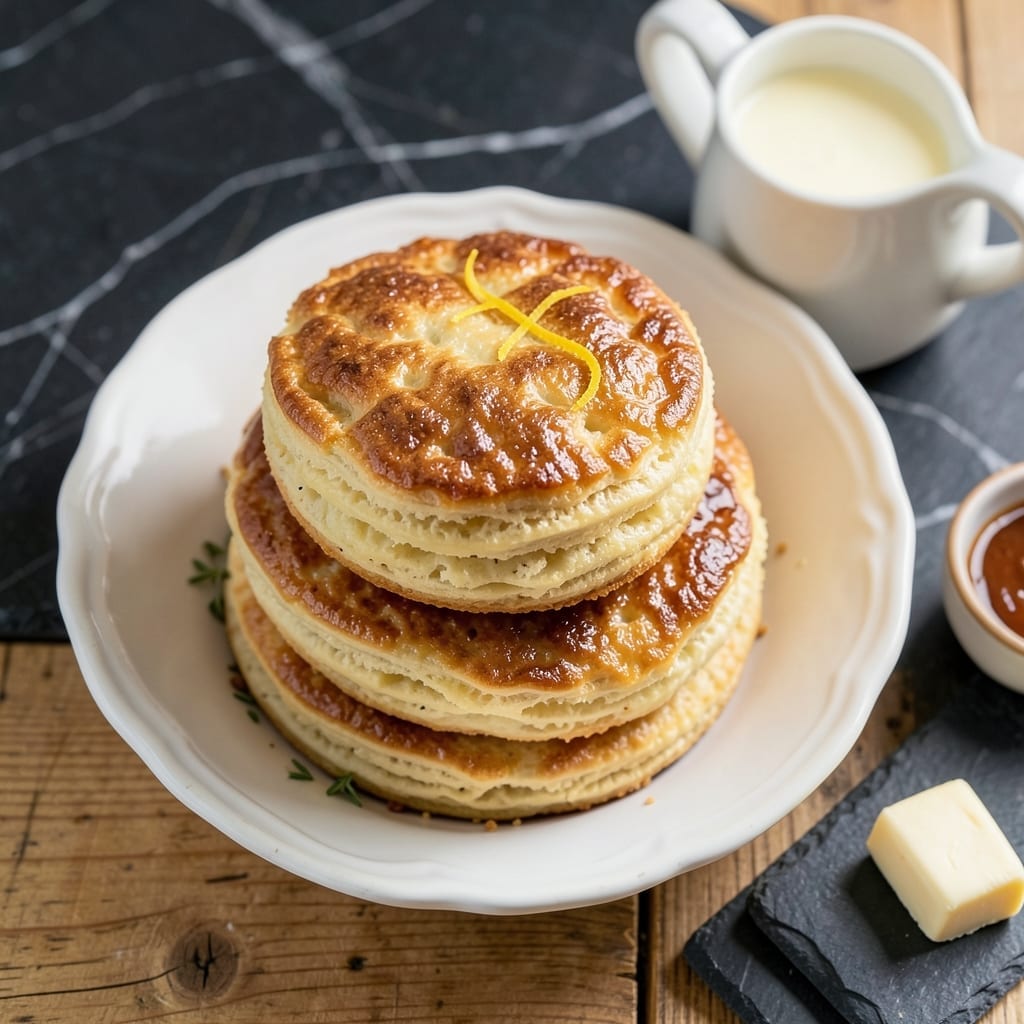
There’s a reason Biscuitville biscuits have a cult following—their flaky, buttery layers are unmatched. This recipe recreates that signature texture using a simple folding technique that builds perfect stratification.
Cold butter and buttermilk are the secrets to the rise and flakiness. The dough comes together quickly, then rests briefly before baking. No fancy equipment is needed, just precise folding and cutting.
In under 20 minutes, you’ll pull golden, towering biscuits from the oven. They split open to reveal distinct, flaky layers that melt in your mouth.
Serve warm with honey, gravy, or as the base for a hearty sandwich. This method delivers bakery-quality results at home.
Ingredients for Biscuitville Biscuit
Cold butter, buttermilk, and flour create those signature flaky layers everyone loves.
| Ingredient | Amount | Notes |
|---|---|---|
| All-Purpose Flour 🌾 | 2 ½ cups | Plus extra for dusting work surface |
| Baking Powder 🧂 | 1 tbsp | Aluminum-free preferred for clean flavor |
| Granulated Sugar 🍚 | 1 tbsp | Balances the tang of buttermilk |
| Salt 🧂 | 1 tsp | Fine sea salt or table salt |
| Cold Unsalted Butter 🧈 | ½ cup | Cut into 1/4-inch cubes, keep chilled |
| Buttermilk 🥛 | 1 cup | Full-fat for richest texture |
| Baking Soda 🧂 | ½ tsp | Ensures proper rise with buttermilk |
| Heavy Cream 🥛 | 2 tbsp | For brushing tops before baking |
The butter must stay ice-cold—European-style or Plugra from Whole Foods has higher fat content for superior flakiness. Use White Lily flour if available (sold at Publix in the South); its lower protein content yields tender, high-rise biscuits. Buttermilk should be thick and tangy—Kate’s Real Food is my go-to. Measure flour by scooping into the cup, then leveling off (don’t pack it down).
No buttermilk? Stir 1 tbsp lemon juice or vinegar into 1 cup regular milk and let sit 5 minutes. Out of heavy cream? Melted butter or whole milk works for brushing tops. For extra flakiness, freeze the butter for 10 minutes before cubing. Skip the sugar if you prefer savory biscuits—just add a pinch more salt to compensate.
Biscuits are best eaten fresh, but leftovers keep in an airtight container at room temperature for 2 days. Reheat wrapped in foil at 350°F for 10 minutes. Freeze unbaked biscuits on a tray, then transfer to a bag for up to 3 months—bake straight from frozen, adding 5 minutes to bake time.
Why You’ll Love This Recipe
- One-Bowl Wonder: I mix everything right in the bowl—no fancy tools, just flour, baking powder, and cold butter cut in by hand.
- Flaky Layers: That cold butter creates pockets of golden, crispy goodness in every bite.
- Breakfast to Dinner: I serve these with honey at dawn, then as sandwiches at lunch.
Step-by-Step Instructions for Flaky Buttermilk Biscuits
Master the technique for tall, flaky layers that rival the original with this proven method.
Step 1: Combine Dry Ingredients for Perfect Structure
In a large mixing bowl, whisk together the 2.5 cups All-Purpose Flour, 1 tbsp Baking Powder, 1 tbsp Granulated Sugar, 1 tsp Salt, and 0.5 tsp Baking Soda. I use a fine-mesh sieve to remove any lumps in the flour, which ensures uniform texture in the finished biscuits.
This dry mixture creates the structural foundation. The combination of baking powder and baking soda provides double-acting leavening, which gives the biscuits their characteristic height and flakiness when combined with the acidic buttermilk.
Step 2: Cut in the Cold Butter for Flaky Layers
Add the 0.5 cup Cold Unsalted Butter (cut into 1/4-inch cubes) to the dry ingredients. Using a pastry cutter or your fingertips, work the butter into the flour until the mixture resembles coarse crumbs with pea-sized butter pieces visible throughout.
This is the critical step for flakiness. The cold butter creates steam pockets during baking, which separate the layers. I keep my butter in the freezer until ready to use and work quickly to prevent it from warming. You should still see distinct butter pieces—overworking melts the butter and results in dense biscuits.
Step 3: Incorporate Buttermilk for Moist, Tender Dough
Make a well in the center of the flour-butter mixture and pour in the 1 cup Buttermilk. Using a wooden spoon or silicone spatula, gently stir until the dough just comes together. The mixture will be shaggy and slightly sticky—that’s exactly what you want.
Don’t overmix. As soon as the flour is moistened and no dry spots remain, stop stirring. Overworking develops gluten, which makes biscuits tough rather than tender. The buttermilk’s acidity reacts with the baking soda for additional lift while adding richness.
Step 4: Fold and Turn for Layered Texture
Turn the dough out onto a lightly floured surface and pat into a 1-inch thick rectangle. Fold the rectangle in thirds like a business letter, then rotate 90 degrees and repeat the folding process two more times. This lamination technique creates the signature flaky layers.
Each fold builds more layers in the dough. Dust with just enough flour to prevent sticking, but avoid over-flouring which can make the biscuits dry. The dough should remain soft and slightly tacky throughout this process.
Step 5: Cut, Brush, and Bake to Golden Perfection
Pat the dough to 3/4-inch thickness and cut into rounds using a 2.5-inch biscuit cutter. Press straight down without twisting to maintain the layers. Place the biscuits close together on a parchment-lined baking sheet—this helps them rise upward rather than outward.
Brush the tops with the 2 tbsp Heavy Cream for a golden-brown finish. Bake in a preheated 450°F oven for 12-15 minutes until the biscuits are tall, golden brown on top, and the layers are visible. Serve immediately while warm and flaky.
Pro Tips For Making Biscuitville Biscuit
- Chill Your Butter: Keep that unsalted butter ice cold until the last second—cut it into the flour right from the fridge. I learned this the hard way after my first few batches turned out flat instead of flaky.
- Use Fresh Baking Powder: Sounds weird, but it works: check the expiration date on your baking powder. After burning three batches, I finally figured out old leavening was my problem.
- Don’t Overwork Dough: Mix just until the dough comes together, even if it looks shaggy. My grandmother swore by this, and she was right: overmixing = tough biscuits.
- Cut Straight Down: When cutting biscuits, press the cutter straight into the dough—no twisting. This isn’t the prettiest method, but it’s the tastiest for getting those perfect layers.
Best Sauces and Condiments for This biscuitville biscuit
Classic Gravy Pairing
There’s nothing like sausage gravy to elevate these biscuits to a Southern breakfast classic. I use 1 lb of Jimmy Dean sausage, browned and mixed with 2 tbsp flour and 2 cups whole milk for a creamy, rich topping. 💛
Sweet Toppings
Local honey from a farmers market adds pure, simple sweetness that drizzles perfectly into the layers. For fruit lovers, strawberry jam or peach preserves from Smucker’s create a delightful contrast with the buttery flakiness.
Savory Spreads
Salted butter is the simplest way to enjoy these fresh from the oven. I also love cream cheese for a tangy twist. For a hearty option, try pimento cheese spread—mix 1 cup sharp cheddar with 2 tbsp mayo and 2 tbsp diced pimentos.
Breakfast Sandwich
Split a warm biscuit and layer with fried egg, crispy bacon, and American cheese for the ultimate breakfast sandwich. Add sliced tomato or avocado for freshness. This is my go-to weekend treat that feels like a diner classic at home.
Southern Tradition
For a true Biscuitville experience, serve with country ham and red-eye gravy. The salty, smoky ham pairs perfectly with the buttery biscuits. I like to add a drizzle of hot honey for a sweet and spicy kick. 🔥
Nutrition Facts
Frequently Asked Questions
Why is cold butter so important?
Cold butter creates steam pockets during baking, which separate the dough into flaky layers. If it warms, it melts into the flour and results in dense, flat biscuits.
Can I use regular milk instead of buttermilk?
Yes! Stir 1 tbsp lemon juice or vinegar into 1 cup milk and let sit 5 minutes. The acidity mimics buttermilk’s tang and reacts with baking soda for proper rise.
How do I prevent tough biscuits?
Avoid overmixing the dough—stop as soon as it comes together. Overworking develops gluten, making biscuits tough instead of tender. Handle the dough gently during folding, too.
What if I don’t have a biscuit cutter?
Use a glass or round cookie cutter of similar size. Press straight down without twisting to keep layers intact. A 2.5-inch cut yields biscuits close to the original size.

- BBQ Sausage Recipe Oven: Smoky Depth Without the Grill - September 28, 2026
- BBQ Chicken Bowl Recipe Rice: Smoky Sweetness Over Fluffy Grains - September 28, 2026
- Beef Cutlet Recipe Ideas: Crispy Breaded Patties With Bold Seasonings - September 28, 2026