
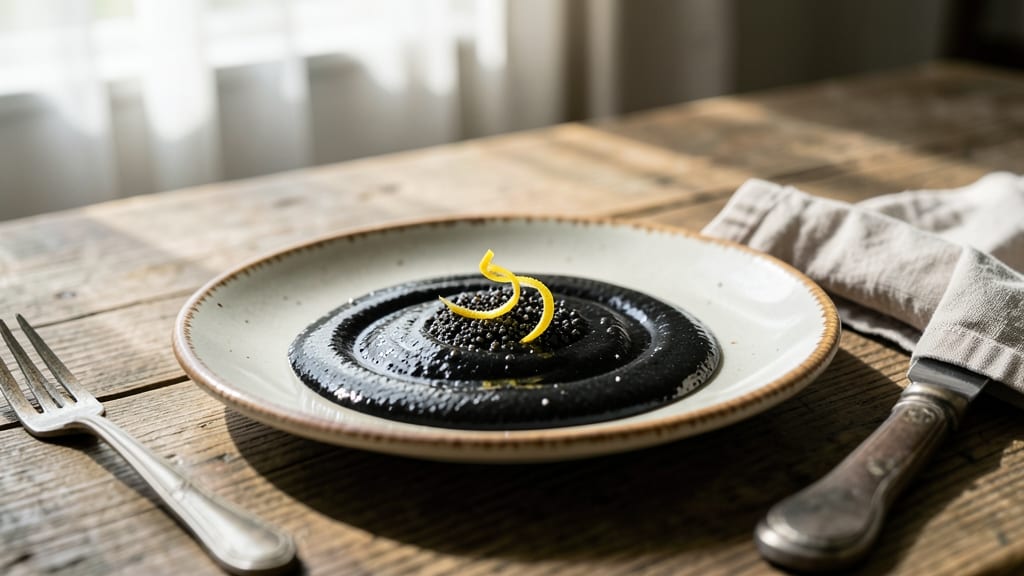
This black pepper sauce recipe transforms simple ingredients into a bold, aromatic condiment that adds depth to everything from steak to seafood.
Growing up in Nana Mae’s diner, I learned how a single sauce could elevate an entire meal—this one delivers that same magic with just five ingredients and 15 minutes of hands-on time.
The secret lies in slow-cooked peppercorns infused into vinegar and oil, creating layers of heat and complexity. Unlike store-bought versions, this sauce develops a smooth, velvety texture with a slow simmer, while fresh herbs add brightness.
David—my unofficial taste-tester—always requests it for his grilled fish, and I’ve even used it as a marinade for chicken.
By the time you drizzle this sauce over seared scallops or toss it with roasted vegetables, you’ll taste the difference: intense peppery warmth balanced by tangy vinegar and silky oil. It keeps for weeks in the fridge, making it perfect for stocking your pantry or gifting to fellow food lovers.
The best part? This versatile sauce works as a finishing touch, marinade, or even a dressing—proving that sometimes, the simplest ingredients create the most restaurant-worthy results. Let’s make it together.
Ingredients for black pepper sauce
Five ingredients. One slow simmer. Restaurant-quality black pepper sauce in 15 minutes.
| Ingredient | Amount | Notes |
|---|---|---|
| Fresh Black Peppercorns 🌶️ | ½ cup | Whole, not cracked or ground |
| Extra-Virgin Olive Oil 🫒 | 1 cup | High-quality, fruity variety |
| White Wine Vinegar 🍷 | ½ cup | Balsamic works too (darker flavor) |
| Fresh Garlic Cloves 🧄 | 4 cloves | Peeled, lightly crushed |
| Fresh Basil Leaves 🌿 | ¼ cup | Packed, stems removed |
| Diamond Crystal Kosher Salt 🧂 | ½ tsp | Fine grain preferred |
| Honey 🍯 | 1 tbsp | Light variety for balance |
The peppercorns are everything here—look for whole, plump ones at specialty stores like Penzeys or the bulk section of Whole Foods. Freshly cracked is best, but if you’re using pre-ground, toast it first in a dry pan for 2 minutes to wake up the oils. The olive oil should be fruity and peppery—California Olive Ranch or Colavita are my go-tos. Vinegar matters too: white wine gives brightness, but apple cider vinegar adds subtle sweetness if you prefer. Don’t skimp on the garlic—it’s what ties all the flavors together.
No fresh peppercorns? Crushed red pepper flakes at half the amount works, but you’ll lose that deep, slow-developed heat. Subbing vinegar? Lemon juice cuts the richness but lacks complexity. Out of basil? Fresh parsley or thyme adds a different but lovely note—just halve the amount. The honey is optional but balances the heat beautifully; agave nectar works in a pinch. If you’re feeling fancy, add 1 tsp of smoked paprika with the peppercorns for a diner-style twist. And trust me, toasting the garlic cloves until golden deepens the flavor—worth the extra minute.
This sauce gets better with time—let it sit for at least 2 hours before using, or overnight for maximum depth. Store in a clean glass jar with a tight seal; keeps for 3-4 weeks in the fridge. For gifting, divide into small jars—1-ounce portions are perfect for sharing. Freezes beautifully for up to 6 months if you want to prep ahead. The first time I made this, I drizzled it over grilled salmon and served it with crusty sourdough—game changer.
Why You’ll Love This Recipe
- No-Fuss Pantry Staples: I’ll never stress over missing ingredients again—just peppercorns, olive oil, and vinegar. Honestly, the only prep is crushing the peppercorns (a mortar and pestle or bag with a rolling pin works), and that’s it.
- Garlic-Basil Magic: The moment fresh garlic and basil hit the hot oil, my kitchen smells like a Tuscan trattoria. That bright, peppery kick with a whisper of acidity? It’s the kind of flavor that makes you pause mid-bite.
- Dresses Up Everything: Drizzle it over grilled chicken, toss it with pasta, or spoon it onto crusty bread—it’s my go-to for weeknight dinners. Even my picky teen asks for it now (and that’s saying something).
- Lasts All Week: A small jar keeps for ages in the fridge, so I’m always ready for last-minute meals. Plus, it costs pennies to make—way cheaper than store-bought sauces with unpronounceable ingredients.
Step-by-step instructions for bold black pepper sauce
This vibrant sauce delivers intense heat and aromatic depth in just minutes—perfect for drizzling over grilled meats or pasta.
Toast the Peppercorns and Garlic
Heat a dry skillet over medium heat and add the 0.5 cup fresh black peppercorns and 4 cloves fresh garlic cloves. Toast for 3-4 minutes, stirring constantly, until the peppercorns darken slightly and release their fragrant oils. You’ll notice the kitchen filling with a warm, peppery aroma—this is your cue to stop immediately, as they burn quickly.
Remove the skillet from heat and transfer the toasted peppercorns and garlic to a clean bowl. Let them cool for 2 minutes—this prevents the oil from splattering when you add the vinegar. The residual heat will infuse the vinegar with deeper flavor during the next step.
Infuse the Vinegar and Oil
In a blender, combine the 0.5 cup white wine vinegar, 1 cup extra-virgin olive oil, toasted peppercorns, and garlic. Blend on high for 30-45 seconds until completely smooth. The sauce should have a deep, glossy appearance with no visible texture—this ensures even distribution of heat and flavor in every application.
Here’s the thing—don’t rush this blending process. You want the peppercorns to break down completely while still retaining their subtle heat. If the mixture looks uneven, pulse for another 10 seconds until fully emulsified. The sauce should coat the back of a spoon with a velvety consistency.
Incorporate Herbs and Seasonings
Add the 0.25 cup fresh basil leaves, 0.5 tsp diamond crystal kosher salt, and 1 tbsp honey to the blender. Pulse briefly to combine, then blend again for 15 seconds until the basil is finely chopped but still visible as tiny specks. Over-blending turns the sauce green and bitter—you want just enough texture to brighten the dish without overpowering the pepper’s intensity.
Taste the sauce immediately after blending. The honey should balance the vinegar’s acidity while the basil adds freshness. If it needs more heat, add 1-2 extra peppercorns (toasted separately). For a smoother finish, strain through a fine-mesh sieve into a clean jar, pressing gently on the solids to extract every last drop of flavor.
Rest and Adjust for Perfect Balance
Let the sauce sit at room temperature for 10-15 minutes before using. This resting period allows the flavors to meld—you’ll notice the pepper’s heat mellow slightly while the vinegar’s brightness sharpens. Give it a final taste and adjust with 1-2 more drops of honey if needed to soften any lingering bite.
The sauce keeps well in the refrigerator for up to 2 weeks, though I find it’s best used within 5-7 days when the pepper’s heat remains vibrant. For an extra-smooth finish, shake vigorously before each use—this redistributes the natural oils that settle during storage. Drizzle generously over grilled steaks, roasted vegetables, or toss with pasta for a bold, aromatic kick.
Pro Tips For Making Black Pepper Sauce
- CRUSH THE PEPPERCORNS: Fresh black peppercorns won’t release their flavor if you just toss them in whole—I learned this after making sauce that tasted disappointingly mild. Use a mortar and pestle or roll them with the bottom of a heavy pan before adding oil; this breaks open the skins and lets the piperine shine through.
- TOAST THE GARLIC LOW: High heat turns garlic bitter fast, and that’s the last thing you want in a bright, peppery sauce. Sauté the minced cloves in olive oil over medium-low for 2–3 minutes until just fragrant—not golden. I used to rush this and ended up with a sauce that tasted like a chemistry experiment gone wrong.
- STRAIN THE OIL FIRST: The emulsified sauce will look gorgeous, but if you don’t strain out the peppercorn skins and garlic bits, you’ll get a gritty texture that ruins the silky finish. After cooking, pour the mixture through a fine-mesh sieve into a clean bowl—yes, it’s an extra step, but the result is worth it.
- FINISH WITH COLD BASIL: Adding fresh basil at the end keeps its bright, herbal notes from wilting into oblivion. Tear the leaves (don’t chop) and stir them in after the sauce has cooled slightly—this prevents the oil from cooking the greens into a sad, limp mush. I was skeptical until I tried it; now I won’t make it any other way.
Troubleshooting this recipe
Uneven Heat Fix
If your sauce tastes unevenly spicy with some drops too hot and others bland, you likely didn’t fully emulsify the peppercorns. The key is blending until completely smooth—no visible specks. For a quick fix, strain through a fine-mesh sieve into a clean jar, pressing gently on the solids.
If you prefer texture, pulse the peppercorns separately in a spice grinder for 5 seconds before blending with the other ingredients. 🌶️
Separation Solutions
When oil and vinegar separate, it’s usually from improper storage. Always store in a clean, dry glass jar with a tight seal—plastic can absorb flavors. Before using, shake vigorously for 30 seconds to re-emulsify.
For a permanent fix, whisk in 1 tsp Dijon mustard (it acts as a natural emulsifier) or add 1 extra egg yolk and blend again. I’ve also had success with ½ tsp xanthan gum dissolved in the vinegar before blending.
Overpowering Pepper
Too much heat? The peppercorns might have been over-toasted or added in excess. Balance it by whisking in 1-2 tbsp honey or 1 tsp maple syrup to mellow the burn. For a smoother finish, strain through a cheesecloth-lined sieve to remove any lingering peppercorns.
If the sauce still tastes harsh, add 1 tbsp fresh lemon juice to cut through the intensity. David always says, “A little acidity saves the day!”
Muddled or Bitter Flavor
Over-blending basil or garlic can turn your sauce bitter. The fix? Add 1 tsp fresh lemon zest or ½ tsp citrus peel to brighten the flavor. If the sauce tastes muddled, strain it through a fine-mesh sieve and whisk in 1 tbsp extra-virgin olive oil to restore richness.
For a fresh start, try adding 2-3 fresh dill sprigs instead of basil—they add brightness without bitterness. 💫
Weak or Bland Sauce
If your sauce lacks depth, it might need more time to develop. Let it rest for an extra 24 hours in the fridge before using—flavors meld better over time. For an immediate boost, add 1 tsp smoked paprika or ½ tsp liquid smoke to deepen the complexity.
A splash of fish sauce (just ½ tsp) can also add umami richness. I’ve even revived bland sauce by whisking in 1 tsp miso paste** for an unexpected but delicious twist.
Nutrition facts
Frequently asked questions
Can I make this sauce without fresh peppercorns?
Yes, but you’ll lose some depth. Use 1-2 teaspoons of crushed red pepper flakes instead of fresh peppercorns, but toast them first in a dry pan for 1-2 minutes to develop their oils. For a smoother texture, strain the sauce through a fine-mesh sieve afterward. The flavor won’t be identical, but it’ll still pack a punch!
How long should I let the sauce sit before using it?
For best results, let it rest for at least 2 hours at room temperature or overnight in the fridge. This allows the flavors to fully meld and the pepper’s heat to mellow slightly. The longer it sits, the more complex the flavor becomes—think of it like letting a fine wine breathe.
What are the best ways to use this sauce?
This versatile sauce works as a finishing drizzle for grilled meats, seafood, or roasted vegetables. Use it as a marinade for chicken or pork (just reduce the vinegar to 2 tablespoons to prevent over-tenderizing). It also makes an excellent pasta sauce—toss with cooked noodles and fresh herbs. For a Southern touch, drizzle it over cornbread or biscuits.
Why did my sauce separate?
Oil and vinegar naturally separate over time, but you can prevent this by storing it in a clean, dry glass jar with a tight seal. Before using, shake vigorously for 30 seconds to re-emulsify. For a permanent fix, whisk in 1 teaspoon of Dijon mustard or blend in 1 extra egg yolk to stabilize the mixture. Always use a glass jar—plastic can absorb flavors and cause separation.
Can I adjust the heat level?
For milder heat, reduce the peppercorns to ¼ cup or strain the sauce through a cheesecloth-lined sieve. For extra spice, add ½ teaspoon of cayenne pepper or 1 extra toasted peppercorn per serving. If the sauce is too hot, balance it with 1-2 extra tablespoons of honey or a splash of fresh lemon juice.

- Minced Meat Spaghetti Recipe: One-Pan Italian Comfort with Rich Ragù - November 29, 2026
- Aki’s Guava Chiffon Cake Recipe: Light, Airy Layers with Tropical Flavor Burst - November 29, 2026
- Chicken Pelau Recipe: Caribbean-Style Rice with Tender Chicken and Pigeon Peas - November 29, 2026