
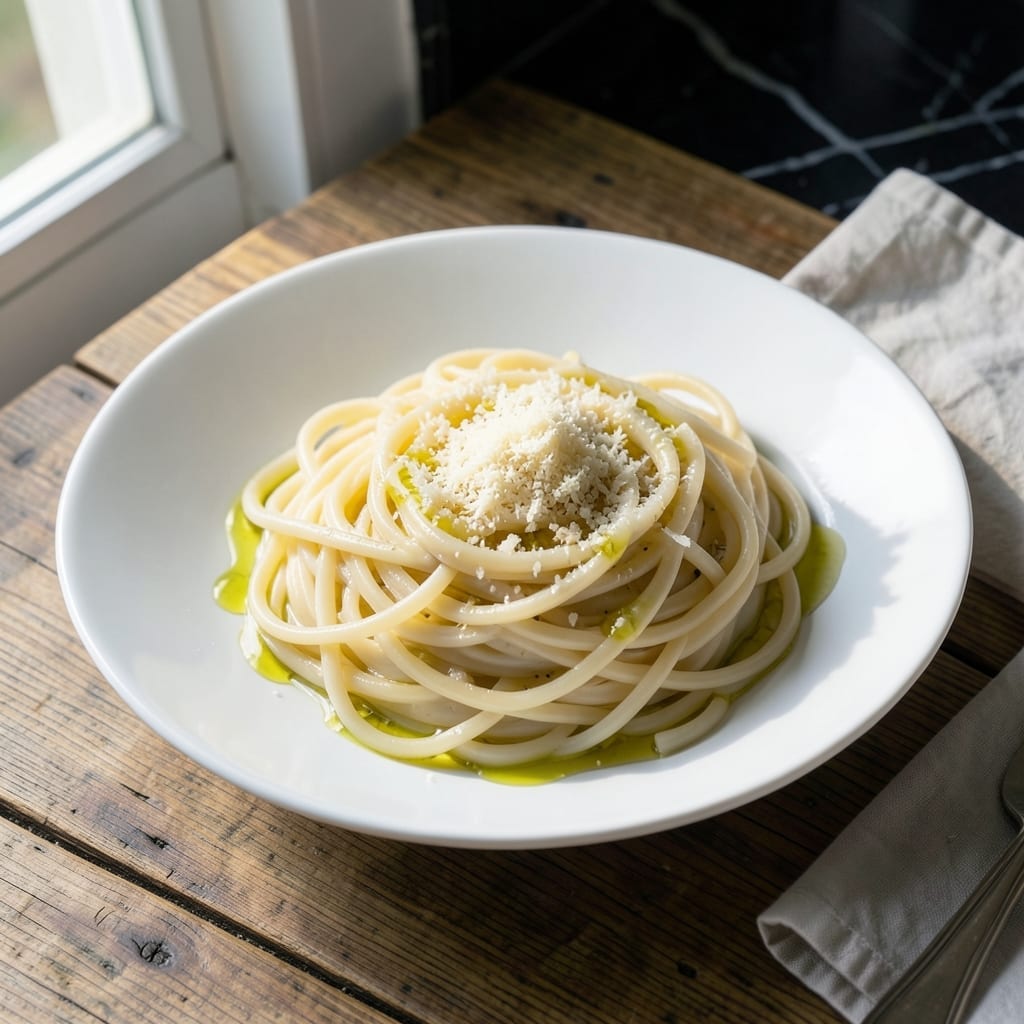
When your stomach needs a gentle reset, this simple pasta dish provides the perfect solution. Plain noodles with minimal ingredients offer easy-to-digest comfort without irritation.
The recipe uses basic white pasta cooked until soft, with just a touch of salt and a small amount of butter or olive oil. No strong spices, sauces, or acidic components that could cause further discomfort.
What you get is a warm, bland meal that settles your stomach while providing the energy your body needs. The pasta cooks in 10-12 minutes, making it quick to prepare when you’re not feeling your best.
Serve plain or with a sprinkle of grated Parmesan if tolerated. This is nourishment at its most gentle and effective.
Ingredients for Bland Pasta Recipe for Upset Stomach
Just a handful of gentle ingredients for comforting, easy-to-digest pasta in minutes.
| Ingredient | Amount | Notes |
|---|---|---|
| White Pasta 🍝 | 12 oz | Any small shape like orzo or angel hair |
| Water 💧 | 4 cups | For boiling pasta |
| Salt 🧂 | 1 tsp | Kosher or sea salt |
| Butter 🧈 | 1 tbsp | Unsalted, or substitute olive oil |
| Olive Oil 🫒 | 1 tbsp | Extra-virgin if using instead of butter |
| Parmesan Cheese 🧀 | ¼ cup | Freshly grated, optional if tolerated |
The pasta is the star here—small shapes like orzo or angel hair cook fastest and are easiest on the stomach. Barilla or De Cecco are reliable brands you’ll find at any grocery store. If you’re really not feeling well, white rice or plain egg noodles work too (just adjust cook time). The key is keeping it bland and simple.
No butter? Olive oil works just as well—use whatever you have on hand. Skip the Parmesan if dairy’s an issue (or use nutritional yeast for a mild cheesy flavor). The salt is just for the pasta water—don’t overdo it. If you’re craving a little more flavor, a pinch of dried parsley is gentle enough.
Leftover plain pasta keeps 3-4 days in the fridge, but honestly, it’s best fresh. Store dry pasta in a cool, dark place—indefinitely if unopened. Cooked pasta without sauce? Toss with a tiny bit of oil to prevent sticking before storing.
Why You’ll Love This Recipe
- 5-Minute Meal: I can have this on the table faster than the kettle boils—just pasta, water, and a pinch of salt.
- Gentle on Tummy: The plain white pasta with a whisper of butter soothes without overwhelming.
- Kid-Approved Bland: Even my pickiest eater will finish their bowl when their stomach’s off.
- Pantry Staples: No last-minute grocery runs—just salt, butter, and whatever pasta’s in the cupboard.
Step-by-Step Instructions for Bland Pasta for Upset Stomach
Here’s my simple method to make this gentle dish when your stomach needs relief.
Step 1: Boil the Pasta in Salted Water
Fill a medium pot with the 4 cups water and bring to a rolling boil over high heat. Once boiling, add the 1 tsp salt and stir to dissolve. The salt enhances flavor without irritating your stomach.
Add the 12 oz white pasta and stir immediately to prevent sticking. Cook according to package directions until al dente—usually 8-10 minutes. Stir occasionally to ensure even cooking. You’ll know it’s done when the pasta is tender but still has a slight bite.
Step 2: Drain and Return to Pot
Once the pasta is cooked, drain it in a colander, shaking gently to remove excess water. Don’t rinse the pasta—you want to retain some of the cooking water’s starch for a light coating. Return the drained pasta to the warm pot.
This step keeps everything in one pot for easy cleanup, which is the last thing you want to deal with when you’re not feeling well. The residual heat from the pot will help keep the pasta warm while you finish.
Step 3: Add Fat for Easy Digestion
Add the 1 tbsp butter to the pasta in the pot. If you prefer or need a dairy-free option, use the 1 tbsp olive oil instead. Stir gently until the butter melts and coats the pasta evenly. The fat adds a smooth texture that’s gentle on your stomach.
This small amount of fat is enough to prevent the pasta from sticking without being heavy. The butter or oil also helps carry the flavor of the pasta, making it more palatable when your appetite is low.
Step 4: Finish with Optional Parmesan Cheese
If you tolerate dairy well, sprinkle the 0.25 cup parmesan cheese over the pasta. Stir gently to combine, allowing the heat from the pasta to melt the cheese slightly. This adds a mild, savory note that can make the dish more appealing.
If cheese isn’t an option, skip this step—the pasta will still be comforting and easy to digest. The goal is simplicity, so don’t feel pressured to add anything that might upset your stomach further.
Serve immediately while warm. The dish should be plain, smooth, and soothing, with no strong flavors or heavy ingredients to agitate your digestive system.
Pro Tips For Making Bland Pasta Recipe For Upset Stomach
- Salt the Water: Use at least 1 tablespoon of salt per quart of water—sounds like a lot, but this is the only chance to season the pasta itself. I learned this the hard way after eating too many bland bowls.
- Test Early: Start checking pasta doneness 2 minutes before the package says it’s done. Overcooked noodles turn to mush, and nobody wants that with an upset stomach.
- Use Fresh Butter: Skip the margarine or old butter from the fridge—fresh, unsalted butter blends better into hot pasta and won’t add any off-flavors.
- Reserve Pasta Water: Before draining, scoop out ¼ cup of the starchy cooking water. A splash helps the butter or olive oil cling to the pasta instead of pooling at the bottom.
Serving Suggestions for This Dish
Simple Presentation
Serve this dish in a shallow bowl to let it cool slightly before eating. The warmth helps ease stomach discomfort, but you don’t want it too hot. I find a white ceramic bowl keeps the focus on the simplicity of the meal.
Garnish Lightly
If you tolerate it, a tiny sprinkle of grated Parmesan adds a mild flavor boost. Stick to ¼ cup or less to keep it gentle. Skip any herbs or spices—they can irritate a sensitive stomach. 🧀
Pair with Fluids
Offer a glass of room-temperature water or clear broth on the side. Hydration is key when you’re not feeling well, and sipping slowly helps digestion. Avoid anything carbonated or acidic.
Portion Control
Start with a small serving—about ½ cup pasta—to test your stomach’s reaction. You can always have more if it sits well. Small, frequent portions are easier to digest than one large meal.
Add Texture Carefully
If you’re craving a little more, try 1 tsp plain breadcrumbs for subtle texture. Toast them lightly in a dry pan first. Avoid anything crunchy or fibrous that might be harsh on your system.
Serve Immediately
This dish is best fresh and warm. If you need to hold it, keep it covered in the pot with the heat off. The pasta absorbs moisture quickly, so don’t let it sit too long. 💛
Nutrition Facts
Frequently Asked Questions
Can I use whole wheat pasta instead of white?
Stick with white pasta for this dish. Whole wheat contains more fiber, which can be harder to digest when your stomach is already upset.
Why should I avoid adding garlic or herbs?
Garlic and herbs are acidic and can irritate a sensitive stomach lining. This recipe keeps things mild to prevent further discomfort.
How can I make this if I don’t have butter?
Olive oil is the perfect substitute. Use 1 tbsp just like the butter, and it will provide the same smooth, gentle coating for the pasta.
Is it okay to add a little salt?
Yes, a pinch of salt in the pasta water is fine. Avoid adding extra salt to the finished dish, as too much can be harsh on an upset stomach.

- BBQ Sausage Recipe Oven: Smoky Depth Without the Grill - September 28, 2026
- BBQ Chicken Bowl Recipe Rice: Smoky Sweetness Over Fluffy Grains - September 28, 2026
- Beef Cutlet Recipe Ideas: Crispy Breaded Patties With Bold Seasonings - September 28, 2026