
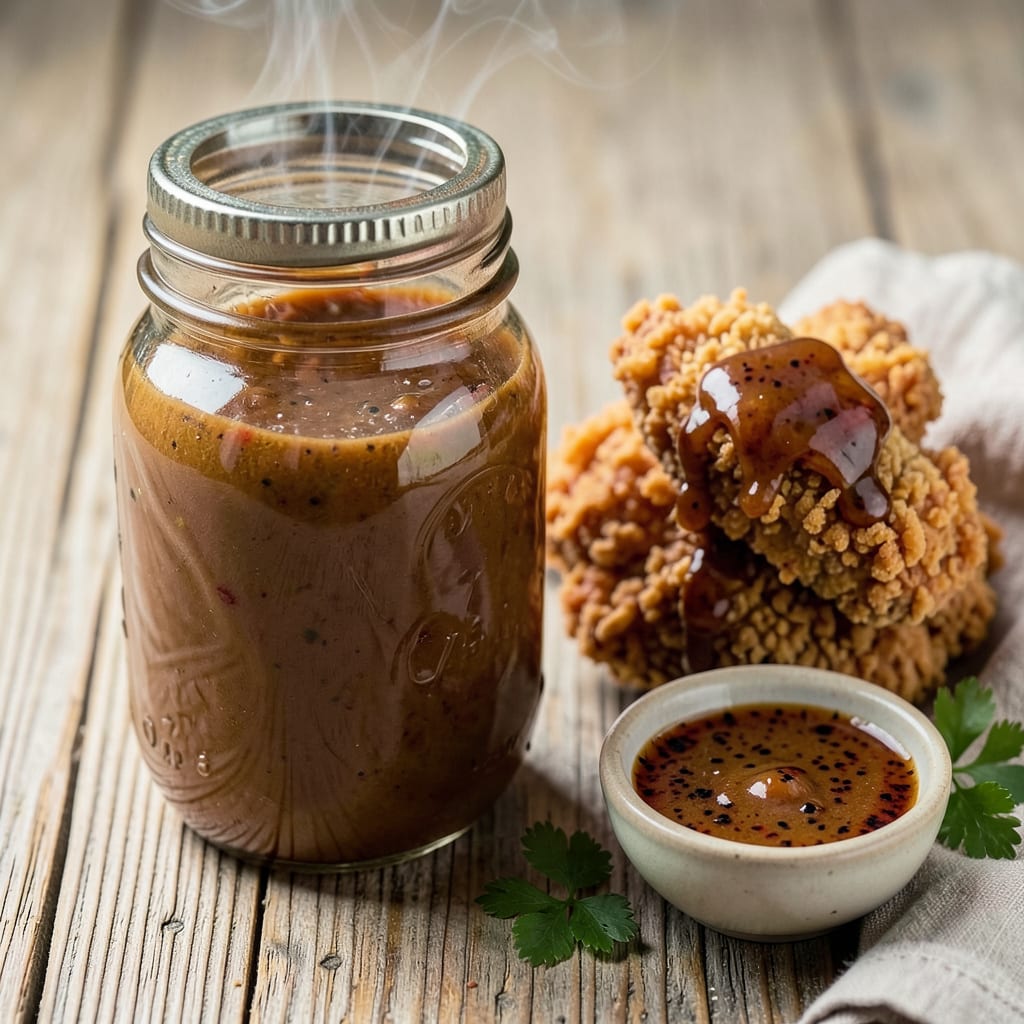
Bojangles’ signature Cajun sauce blends mayonnaise, ketchup, hot sauce, and a mix of spices like cayenne, garlic powder, and paprika. Whisk together ½ cup mayo, ¼ cup ketchup, 1 tbsp hot sauce, and 1 tsp each of spices for an easy homemade version.
This sauce captures the bold, tangy-sweet balance that makes Bojangles’ dipping experience unforgettable. 🔥 The secret lies in how the spices interact—cayenne delivers the signature heat while paprika rounds out the flavor with smoky depth. I’ve found that letting the mixture rest for at least 30 minutes before serving allows the flavors to meld completely, creating that authentic restaurant-quality taste.
What sets this copycat apart is its versatility beyond just chicken. ✨ The creamy base works beautifully as a spread for sandwiches, a dip for fries, or even a zesty salad dressing when thinned with a splash of vinegar. For extra richness, some home cooks add a dash of Worcestershire sauce or a pinch of smoked paprika to deepen the complexity.
💡 In This Article
- Decoding Bojangles’ Cajun Sauce Ingredients and Ratios
- 5 Ways to Use Bojangles-Style Sauce Beyond Chicken
Decoding Bojangles’ Cajun Sauce Ingredients and Ratios
The magic of this sauce starts with its creamy foundation. Mayonnaise provides the velvety base that carries all other flavors, with its fat content (typically 70-80% in commercial mayo) creating that signature mouthfeel. The emulsification process during whisking ensures the oil and vinegar in mayo stay perfectly blended, preventing separation.
This is why using full-fat mayo matters—reduced-fat versions can make the sauce feel thin or watery. 🔥
Ketchup does more than just add sweetness—it contributes natural acidity (pH around 3.9) that cuts through the richness of fried foods. The tomato base also contains umami compounds like glutamates that enhance the overall savory profile.
I’ve found that using ¼ cup ketchup per ½ cup mayo hits the ideal balance where the tang shines without overpowering the creamy base. The sugar content in ketchup (about 20-25%) caramelizes slightly when used in warm applications, adding subtle depth.
Hot sauce brings the signature kick through capsaicin—the compound that triggers heat receptors. Most Louisiana-style hot sauces (like the ones Bojangles likely uses) contain 450-700 Scoville units, providing noticeable but not overwhelming heat. The vinegar in hot sauce also amplifies the tanginess while helping preserve the sauce.
When you add 1 tablespoon, you’re getting about 0.5-0.7% acetic acid by volume, which brightens the flavor profile without making it sour.
The spice blend is where the Cajun identity emerges. Cayenne pepper contributes 30,000-50,000 Scoville units of heat per teaspoon, while paprika adds smoky sweetness and that distinctive red hue. Garlic powder provides allium notes without the moisture of fresh garlic, which could break the emulsion.
Here’s the science: these spices contain volatile oils that bloom when mixed with fat (from the mayo), releasing their full flavor potential. That’s why letting the sauce rest for 30+ minutes makes such a difference—the spices fully infuse into the fat molecules. ✨
Ratio adjustments create completely different experiences. Increasing ketchup to ⅓ cup makes it sweeter and more tomato-forward, perfect for those who prefer milder heat. Reducing mayo to ⅓ cup creates a thinner, tangier dip ideal for crispy fries.
For extra heat lovers, adding ½ teaspoon cayenne boosts the Scoville rating by about 15,000 units without overwhelming the balance. The key is maintaining that 2:1 fat-to-acid ratio (mayo to ketchup/hot sauce) that makes the sauce cling perfectly to fried foods.
Temperature affects the final product too. Serving at room temperature (68-72°F) allows the fat in mayo to stay emulsified while letting all flavors express fully. Refrigeration thickens the sauce and mutes some spice notes, which is why restaurant versions often sit in warming wells.
For home cooks, a 10-second microwave burst can replicate that just-made warmth without breaking the emulsion. The difference is noticeable—warm sauce coats food more evenly and releases aromatics more intensely. 💫
What most people don’t realize is that commercial versions often include 0.1-0.2% xanthan gum as a stabilizer. This prevents separation during shipping and storage. At home, thorough whisking and proper resting time achieve similar stability naturally.
The sauce will keep in an airtight container for 7-10 days refrigerated, though the garlic and spice flavors intensify over time—a bonus for those who love deeper, more complex heat profiles.

- BBQ Sausage Recipe Oven: Smoky Depth Without the Grill - September 28, 2026
- BBQ Chicken Bowl Recipe Rice: Smoky Sweetness Over Fluffy Grains - September 28, 2026
- Beef Cutlet Recipe Ideas: Crispy Breaded Patties With Bold Seasonings - September 28, 2026