
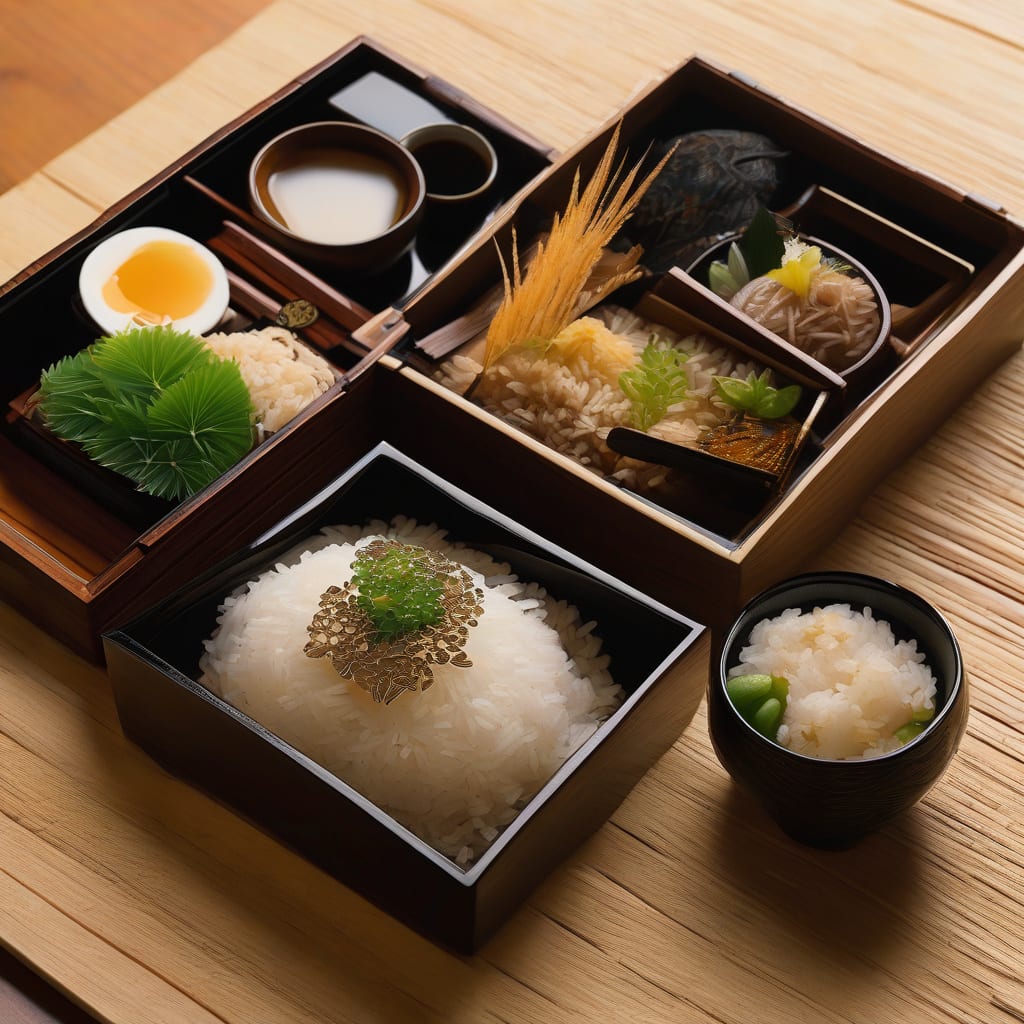
I’ve fallen in love with botan rice, a Japanese short-grain rice that’s become a staple in my kitchen. This comforting dish brings together tender rice, savory dashi broth, and subtle seasonings that create a truly satisfying meal.
Cooking botan rice to perfection requires attention to detail, but the result is well worth the effort. With a simple ratio of rice to broth and careful temperature control, you’ll achieve a deliciously tender and flavorful dish that’s sure to become a favorite.
Ingredients for Botan Rice
Simple ingredients come together to create this comforting Japanese-inspired botan rice dish.
| Ingredient | Amount | Notes |
|---|---|---|
| Japanese Short-Grain Rice 🍚 | 1 ½ cups | Rinsed thoroughly before cooking |
| Dashi Broth 🍜 | 3 cups | Homemade or high-quality store-bought |
| Water 💧 | ¼ cup | For rinsing rice |
| Kombu Seaweed 🌿 | 1 piece | Dried, for dashi broth |
| Katsuobushi Flakes 🐟 | ½ cup | High-quality, for dashi broth |
| Soy Sauce 🧂 | 2 tbsp | Use low-sodium variety |
| Mirin 🍶 | 1 tbsp | Sweet Japanese cooking wine |
| Sake 🍶 | 1 tbsp | Or dry white wine |
| Salt 🧂 | ½ tsp | Kosher or sea salt |
| Sesame Oil 🫒 | 1 tsp | For finishing |
| Green Onions 🌿 | ¼ cup | Chopped, for garnish |
The quality of dashi broth makes or breaks this dish. Kombu seaweed and katsuobushi flakes create that deep umami flavor. You can find these at most Asian markets or online. I prefer high-quality katsuobushi for the best flavor. If you’re short on time, store-bought dashi is okay, but homemade is worth the effort.
No mirin? Sake or dry white wine with a pinch of sugar gets you close. For a vegan version, swap dashi for a vegetable broth with kombu. The rice needs to be Japanese short-grain—regular long-grain won’t give the same tender texture. If you can’t find it, Calrose rice is a good substitute.
This dish keeps beautifully in the fridge for up to 3 days. Reheat gently with a splash of water to restore moisture. Freezes well too—portion into containers for easy meals. I like to make a big batch on the weekend and enjoy it throughout the week.
❤️
Why You’ll Love This Recipe
- Quick Prep: I can have this botan rice recipe ready in about 30 minutes, and it’s honestly a lifesaver on busy weeknights when I need something quick but satisfying.
- Umami Bomb: The combination of dashi broth, kombu seaweed, and katsuobushi flakes creates a ridiculously rich, savory flavor that I just can’t get enough of – it’s like a party in my mouth.
- Meal Prep Magic: This recipe makes great leftovers, and I love using it for meal prep throughout the week; it’s just as delicious reheated as it is fresh.
- Pantry Staples: Most of the ingredients, like Japanese short-grain rice and katsuobushi flakes, are pantry staples for me, making this a budget-friendly option that doesn’t require a special trip to the store.
Step-by-Step Instructions for Botan Rice
Here’s the method to create this comforting Japanese dish with perfect harmony of flavors.
Step 1: Prepare the Japanese Short-Grain Rice
Start by rinsing the 1.5 cups Japanese Short-Grain Rice thoroughly using the 0.25 cup Water until the water runs clear. I like to rinse it several times until the water becomes relatively clear, which helps remove excess starch and prevents the rice from becoming too sticky.
After rinsing, drain the rice well and let it sit for about 30 minutes to allow it to dry slightly. This step is crucial as it helps the rice cook more evenly.
Step 2: Make the Dashi Broth
To make the 3 cups Dashi Broth, start by gently wiping the 1 piece Kombu Seaweed with a damp cloth to remove any white powder. Don’t wash it, as this can remove the umami flavor. Then, soak the kombu in 3 cups of water for at least 30 minutes.
After soaking, remove the kombu from the water and bring the water to a simmer. Add the 0.5 cup Katsuobushi Flakes and remove from heat immediately. Let it steep for 5-10 minutes until the flakes sink to the bottom. Strain the broth through a fine-mesh sieve lined with cheesecloth into a clean pot, pressing gently on the solids to extract as much liquid as possible.
Step 3: Cook the Rice with Dashi Broth and Seasonings
In a heavy-bottomed pot, combine the drained rice and 3 cups Dashi Broth. Add the 2 tbsp Soy Sauce, 1 tbsp Mirin, 1 tbsp Sake, and 0.5 tsp Salt. Stir gently to distribute the seasonings evenly.
Cook the rice over medium heat until it comes to a boil. Once boiling, reduce the heat to low, cover the pot with a tight-fitting lid, and simmer for 15-20 minutes until the rice is cooked and the liquid is absorbed. Turn off the heat and let it rest, covered, for 5 minutes.
Step 4: Finish with Sesame Oil and Green Onions
Once the rice has rested, fluff it gently with a rice paddle or a wooden spoon. Drizzle the 1 tsp Sesame Oil over the rice and mix it in gently to distribute evenly. This adds a subtle nutty flavor and aroma to the rice.
Finally, sprinkle the 0.25 cup Green Onions over the top and mix them in gently. The green onions add a fresh, oniony flavor that complements the rich dashi broth perfectly.
Step 5: Serve and Enjoy
Transfer the Botan Rice to individual bowls or a large serving platter. Serve it hot, garnished with additional green onions if desired. The rice should be fluffy, flavorful, and comforting, with a deep umami taste from the dashi broth.
Enjoy this Botan Rice as a comforting side dish or as a base for other Japanese dishes. The combination of flavors and textures makes it a satisfying and delicious meal.
👨🍳
Pro Tips For Making Botan Rice
- Rinse Thoroughly: Rinsing Japanese Short-Grain Rice until the water runs clear removes excess starch, which is crucial for achieving the right texture in botan rice. I learned this the hard way—skipping this step results in a gluey mess.
- Toast Kombu First: Toasting kombu seaweed in a dry pan for about 30 seconds before using it in dashi broth enhances its umami flavor, making a real difference in the overall taste of your botan rice. My grandmother swore by this, and she was right.
- Watch the Ratio: Using the correct ratio of dashi broth to water is non-negotiable for botan rice; too much broth makes it soggy, while too little leaves it under-seasoned. I stick to a 1:1 ratio of dashi broth to water for perfectly balanced flavor.
- Rest Before Serving: Letting botan rice rest for 5-10 minutes after cooking allows the flavors to meld together and the rice to absorb the liquid evenly. This step actually changes the outcome, making the rice more tender and flavorful.
Wine and Beer Pairings for These Flavors
Sake Pairing Options
For botan rice, a Junmai sake is an excellent choice as it complements the rich dashi flavors without overpowering them. The smooth, full-bodied characteristics enhance the umami notes in the dish. Look for brands like Dewazakura or Akita Komachi for a premium experience. 🍶
Beer Alternatives
If you prefer beer, a Japanese lager like Asahi Super Dry or Sapporo works beautifully. The crisp, clean finish cuts through the richness of the dashi broth while maintaining harmony with the delicate rice flavors. For craft beer enthusiasts, a Kolsch-style ale can provide interesting fruit notes that complement the dish.
White Wine Choices
For those who prefer wine, a dry Riesling or Grüner Veltliner can pair nicely. These wines offer the acidity needed to cut through the savory elements while their minerality enhances the overall flavor profile. Avoid oaky or heavily aromatic whites that might clash with the dashi’s subtle complexity. 🍷
Regional Considerations
Traditional Japanese cuisine often pairs botan rice with local sake from the same region. For instance, if you’re serving botan rice from Akita prefecture, try pairing it with Akita’s Dewazakura sake for an authentic experience. This regional pairing enhances the dish’s cultural connection.
Serving Tips
When serving with beverages, consider the temperature. Serve sake between 45-55°F to preserve its delicate flavors. Beer should be chilled to around 40°F. For white wine, a slightly cooler temperature (45-50°F) works best to maintain its crispness and complement the dish’s subtle flavors.
Nutrition Facts
320kcal
Frequently Asked Questions
What’s the best type of rice for botan rice?
Japanese short-grain rice is essential for authentic botan rice. Look for varieties like Koshihikari or Akita Komachi for the best results. This type of rice holds its shape and has the perfect balance of stickiness and texture.
Can I make botan rice without dashi broth?
While you can substitute dashi with vegetable or chicken broth, it won’t have the same depth of flavor. Dashi is a fundamental component that gives botan rice its characteristic umami taste. For an authentic experience, making dashi from scratch is worth the effort.
How do I store leftover botan rice?
Cool the rice completely, then store it in an airtight container in the refrigerator for up to 3 days. When reheating, add a splash of water and cover the container to restore moisture. You can also freeze it for longer storage.
Can I customize botan rice with other ingredients?
Absolutely! While traditional botan rice is simple, you can enhance it with ingredients like shiitake mushrooms, carrots, or green peas. Add these during the cooking process or mix them in after cooking for added flavor and nutrition.

- BBQ Sausage Recipe Oven: Smoky Depth Without the Grill - September 28, 2026
- BBQ Chicken Bowl Recipe Rice: Smoky Sweetness Over Fluffy Grains - September 28, 2026
- Beef Cutlet Recipe Ideas: Crispy Breaded Patties With Bold Seasonings - September 28, 2026