
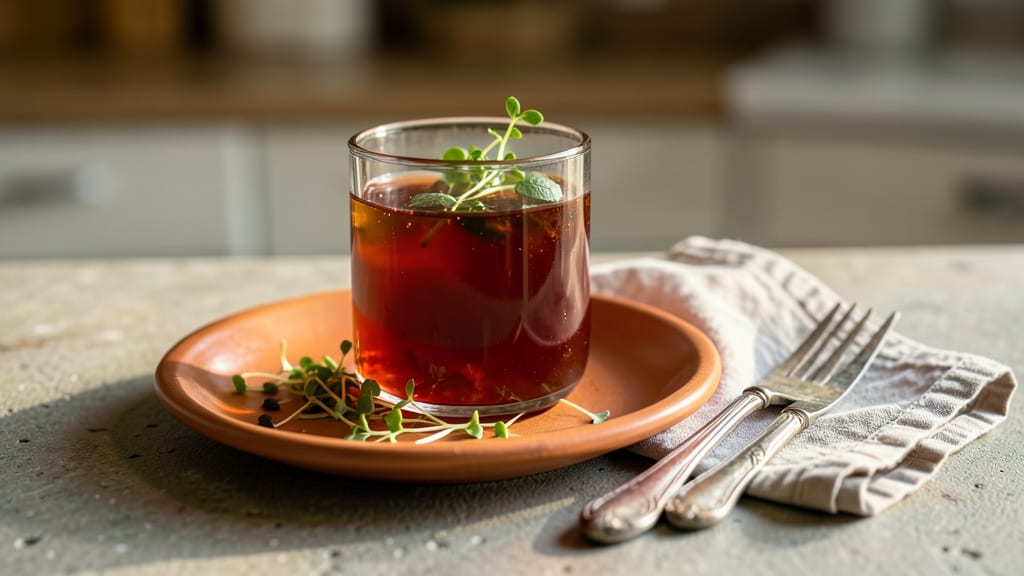
Brooklyn’s apple cider recipe transforms crisp autumn apples into a slow-simmered drink that captures the essence of fall harvests with warm spices and natural sweetness. The key lies in selecting the right apples and letting them simmer low and slow, developing deep caramelized flavors that go beyond store-bought versions.
I perfected this recipe during Brooklyn’s annual cider festivals, where the air smells like cinnamon and wood smoke.
This method uses whole apples instead of juice, creating a rich, textured cider with natural sweetness and subtle tartness that balances perfectly with cinnamon, cloves, and orange peel.
The slow simmer (about 45 minutes) extracts maximum flavor while concentrating the natural sugars, resulting in a drink that’s both comforting and sophisticated. It’s the kind of cider that makes you want to bundle up and sip by a fireplace.
What you’ll end up with is a fragrant, aromatic cider that’s perfect for serving warm with a cinnamon stick or chilled with a splash of bourbon for a Brooklyn-style twist. The spices infuse beautifully, creating layers of warmth without overpowering the apple’s natural character.
This recipe serves 8 and takes just under an hour to prepare, making it ideal for gatherings or cozy solo evenings.
For variations, try adding a splash of apple brandy or maple syrup for extra depth, or serve it as a base for mulled wine by adding red wine and extra spices. The possibilities are endless, but the foundation remains the same—authentic apple cider with Brooklyn’s signature slow-simmered spice and sweetness.
Ingredients for brooklyn’s apple cider
Fresh apples, warm spices, and slow simmering—this is Brooklyn’s cider tradition in a pot.
| Ingredient | Amount | Notes |
|---|---|---|
| Granny Smith Apples 🍎 | 4 lb | Cored and quartered, skin on |
| Honey 🍯 | 1 cup | Wildflower preferred for depth |
| Cinnamon Sticks 🌿 | 4 whole | 2-inch length for infusion |
| Whole Cloves 🌶️ | 10 whole | For aromatic depth |
| Fresh Ginger 🌿 | ½ inch | Sliced thinly, peeled |
| Orange Peel 🍊 | 1 tbsp | Organic, no pith |
| Water 💧 | 6 cups | Filtered preferred |
| Apple Cider Vinegar 🍶 | 2 tbsp | For tangy balance |
| Brown Sugar 🍚 | ½ cup | Packed for sweetness |
| Star Anise 🌟 | 2 whole | For licorice notes |
| Salt 🧂 | ½ tsp | Fine sea salt |
| Black Peppercorns 🌶️ | 5 whole | Lightly crushed |
| Vanilla Bean 🌸 | 1 whole | Split lengthwise |
The apples are non-negotiable—Granny Smiths bring that crisp tartness, but Fuji or Honeycrisp work too. Whole Foods or local orchards have the best selection, but any grocery store will do. Skip the pre-sliced bags—they bruise fast. For the spices, Penzeys or local spice shops carry the whole versions (cloves, star anise, vanilla bean) that make all the difference. The ginger should be fresh and firm, not fibrous or shriveled. If you’re feeling fancy, grab a vanilla bean from Williams Sonoma—it’s worth the splurge for that authentic Brooklyn touch.
No Granny Smiths? Mix tart and sweet apples—like Honeycrisp and Braeburn—to balance flavors. Running low on cloves? Allspice berries at half the amount mimic the warmth. The vanilla bean can be swapped for 1 tsp vanilla extract, but you’ll lose that subtle complexity. For the orange peel, organic is key—conventional peels can taste bitter. No fresh ginger? Ground ginger at 1/4 tsp works, but it’s not the same. The brown sugar can be swapped for maple syrup or agave, but honey’s floral notes are traditional here. If you’re making this for a crowd, double the spices—they’ll thank you.
This cider keeps beautifully—1 week refrigerated or 3 months frozen in airtight jars. For freezing, leave headspace in the jar so it doesn’t crack. Reheat gently on the stove or microwave for 30 seconds. Serve with a cinnamon stick for that Brooklyn ciderhouse vibe. The first batch will be your best—each subsequent reheat loses some of that fresh-simmered magic. If you make extra, freeze portions in ice cube trays for easy single servings later.
Why You’ll Love This Recipe
- Five-Ingredient Magic: I swear by this combo—peeling and chopping apples, then tossing in honey, cinnamon, cloves, and ginger. That’s it. No fancy gadgets, no stress, just pure, simmering joy.
- Tangy-Sweet Balance: Granny Smiths bring that bright, sharp bite, while honey rounds it out like a hug. Add a splash of ginger and cloves? Suddenly, your cider tastes like autumn in a mug—no artificial flavors needed.
- Weeknight to Holiday: Same recipe for a quick weekday sipper or a cozy Thanksgiving centerpiece. Double the batch, store it in the fridge, and you’ve got a stress-free drink for guests or lazy mornings.
- No-Waste, Budget Win: Use the whole apple—peels, cores, everything. The spices cost pennies, and the leftovers? Perfect for baking, cocktails, or even a next-day smoothie boost. Minimal ingredients, maximum value.
Step-by-step instructions for slow-simmered apple cider
Here’s the method for crafting rich, aromatic cider with perfect balance.
Prepare the Apple Base
In a large stockpot, combine the 4 lb Granny Smith Apples (cored and quartered with skin on) with the 6 cups Water. Bring to a boil over medium-high heat, then immediately reduce to medium-low heat. The apples should simmer gently for 30 minutes until they begin to break down and release their juices.
Here’s the thing—you want the apples to soften but not completely disintegrate. Stir occasionally to prevent sticking, and watch for the liquid to turn pale golden and slightly cloudy. The skin-on apples will contribute natural tannins that add complexity to the finished cider.
Add Spices and Sweetener
After the apples have simmered for 30 minutes, add the 4 whole Cinnamon Sticks, 10 whole Whole Cloves, 2 whole Star Anise, 0.5 inch Fresh Ginger (sliced), and 5 whole Black Peppercorns. Stir gently to distribute the spices evenly throughout the mixture. Let this simmer uncovered for 20 minutes to allow the spices to infuse their flavors.
Next, add the 1 cup Honey and 0.5 cup Brown Sugar (packed). Stir well to dissolve the sugars completely. This is where the cider starts developing its signature sweetness. Simmer for another 15 minutes, stirring occasionally, until the mixture reduces slightly and becomes more concentrated. You’ll notice the aroma deepening—this is when the spices really wake up.
Incorporate Acid and Vanilla
Add the 2 tbsp Apple Cider Vinegar and 1 tbsp Orange Peel to the pot. The vinegar will add a bright, tangy note that balances the sweetness, while the orange peel contributes a subtle citrus brightness. Stir well and let the mixture simmer for 10 minutes to allow the flavors to meld.
Remove the pot from heat and carefully add the split 1 whole Vanilla Bean and 0.5 tsp Salt. Let the cider steep off the heat for 15 minutes, stirring occasionally. This resting period allows the vanilla to infuse its delicate floral notes while the salt enhances all the flavors. The cider should smell rich, spiced, and inviting.
Strain and Serve
Line a fine-mesh strainer with cheesecloth or a clean kitchen towel and place it over a large bowl or pitcher. Carefully pour the cider through the strainer, pressing gently on the solids to extract as much liquid as possible without forcing pulp through. Discard the solids and spices.
Taste the cider and adjust the sweetness if needed—add a bit more honey if it tastes too tart, or a splash of water if it’s too concentrated. Serve warm in mugs or pitchers, garnished with a cinnamon stick if desired. The finished cider should have a perfect balance of sweet, spiced, and tangy flavors with a velvety texture.
Pro Tips For Making Brooklyn’S Apple Cider
- PEEL THE GINGER: Thin slices work better than grated—it keeps the texture clean and lets the flavor shine without bitterness. I learned this the hard way after making my first batch taste like a ginger-soap hybrid.
- SIMMER LOW AND Slow: Don’t rush the cider—keep it at a gentle bubble, not a rolling boil. After burning three batches, I finally figured out that patience lets the spices infuse properly and keeps the apples from turning to mush.
- CORE THE APPLES: Remove the cores before slicing—it speeds up prep and prevents a bitter, watery mess in your pot. Yes, it’s an extra step, but your future self will thank you when you’re not fishing out apple bits later.
- STRAIN THE SPICES: Use a fine-mesh strainer to remove cinnamon sticks and cloves after simmering—it makes the finished cider silky smooth. I skip this sometimes, but the difference is noticeable when you pour it over pancakes or toast.
Regional styles of this dish
Brooklyn Ciderhouse Style
The original Brooklyn ciderhouse version uses whole apples instead of pre-made juice, creating a richer, more textured drink. I’ve seen vendors at the Brooklyn Cider Festival use Braeburn apples for their balance of sweetness and acidity—swap them in if Granny Smiths aren’t available.
The key is simmering unpeeled apples for 45 minutes to extract natural tannins that add depth. Serve it in mugs with cinnamon sticks for that classic ciderhouse experience. 🍎
Upstate New York Twist
Upstate New York takes their cider with a maple syrup twist instead of honey, reflecting their strong maple tradition. Use 1 cup pure maple syrup instead of honey and add 1 tsp ground nutmeg for warmth.
The result is a caramel-forward cider that’s perfect with apple donuts—a classic Upstate pairing. I’ve made this version at farmers’ markets in Saratoga Springs, and it’s a crowd-pleaser. 🍁
Boston-Style Spiced Cider
Boston’s version leans heavier on black pepper and allspice, giving it a bold, almost mulled-wine-like profile. Replace the whole cloves and star anise with 1 tsp ground allspice and 10 cracked black peppercorns.
Add 1 strip of orange peel during the final 10 minutes of simmering for extra brightness. This style is traditionally served with gingerbread cookies—a match made in autumn heaven. 🌶️
Pacific Northwest Adaptation
Out west, they love their cider with a dash of bourbon and pear slices for a refreshing twist. After straining, stir in 2 tbsp bourbon (like Woodford Reserve) and serve over ice with thin pear slices for a crisp, boozy cider.
The cooler climate means they often use Fuji apples for their mild sweetness. This version is perfect for outdoor gatherings where you want something light yet flavorful. 🍐
Southern Comfort Version
In the South, cider gets a sweet tea makeover. Replace half the water with black tea (like Earl Grey) and add 1 tsp vanilla extract instead of the vanilla bean.
Sweeten with simple syrup (equal parts sugar and water) instead of honey. This spiced tea-cider hybrid is a hit at Southern harvest festivals and pairs perfectly with peach cobbler. 🍯
Modern Brooklyn Cocktail Base
For a boozy twist, strain the cider and mix 1 part cider with ½ part bourbon or rum for a Brooklyn Old Fashioned. Garnish with rosemary sprigs and a cinnamon stick for a sophisticated autumn cocktail.
I’ve seen this served at Williamsburg speakeasies—it’s become a seasonal staple. 🍹
Nutrition facts
Frequently asked questions
Can I make this cider without a vanilla bean?
Yes! If you don’t have a vanilla bean, use 1 teaspoon vanilla extract instead. For the best flavor, add it during the final 15-minute off-heat steeping. The extract won’t have the same depth, but it’ll still add warmth.
How do I adjust the sweetness if my apples are extra tart?
Taste the cider before serving and adjust to preference. For extra tartness, add 1-2 tablespoons honey or maple syrup per cup of cider. If it’s too sweet, thin with 1-2 tablespoons water per cup. The apple cider vinegar helps balance sweetness naturally.
Can I make this cider in a slow cooker?
Follow the same steps, but simmer on low heat for 3-4 hours instead of stovetop. The slow cooker’s gentle heat enhances the spices beautifully. Just skip the final 15-minute off-heat steeping—straight from the slow cooker, it’ll be perfectly infused.
Why does my cider smell stronger than it tastes?
This happens when spices overpower the apple flavor. Reduce spices by 25% next time or simmer uncovered for 10 minutes to let excess aromas escape. The key is balance—taste as you go! For deeper flavor without overpowering, try toasted whole spices (lightly dry-toast cinnamon sticks and cloves in a pan before adding).
What’s the best way to store leftover cider?
Store in an airtight glass container in the fridge for up to 1 week. For longer storage, freeze in airtight jars (leave 1-inch headspace to prevent cracking). Reheat gently on the stove or microwave for 30 seconds. The flavor stays best when reheated slowly.

- 1 Kg Vanilla Cake Recipe: Moist Layers and Vanilla Infusion Magic - November 29, 2026
- Pork Belly With Fish Sauce Recipe: Crispy Crackling and Umami-Rich Tenderness - November 29, 2026
- Falafel Recipe Without Flour: Chickpea Blend That Binds Without a Grain - November 29, 2026