
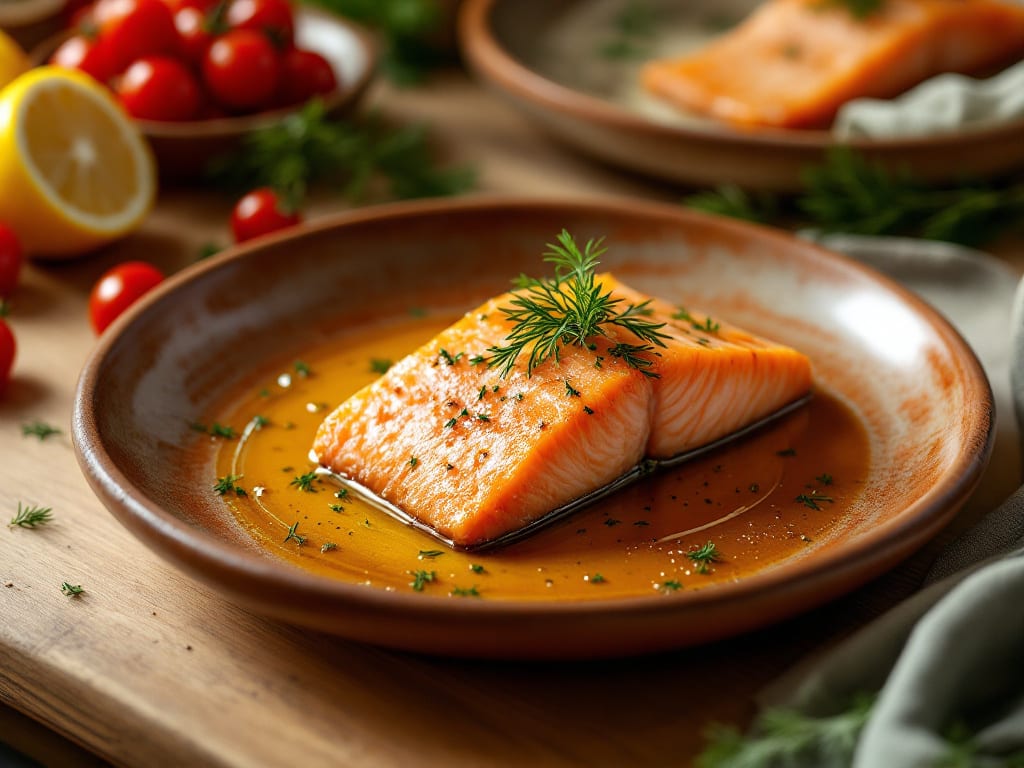
This brown sugar salmon marinade recipe transforms simple fillets into sticky-glazed perfection that stays impossibly moist. The balance of caramelized sweetness, bright acidity, and umami depth creates a crust that locks in flavor while keeping the fish tender.
I developed this after years of testing marinades that either dried out the salmon or left it tasting one-dimensional—this version solves both problems.
The magic happens in the 30-minute marinating time, where the brown sugar caramelizes slightly on the salmon’s surface, forming a glaze that caramelizes further during cooking. A splash of soy sauce adds umami richness, while citrus acid tenderizes the fish and prevents overcooking.
The marinade’s sticky texture clings to every scale, ensuring maximum flavor penetration without making the salmon soggy.
What you’ll achieve is restaurant-quality salmon with a glossy, caramelized crust that’s sweet, savory, and slightly tangy—all while maintaining that perfect moist, flaky interior. The marinade works equally well for grilling, baking, or pan-searing, giving you flexibility for any cooking method.
Store any leftovers in the fridge for up to 3 days, though I’ve never had any last that long.
This isn’t just another sweet marinade—it’s a professional technique that elevates even the most basic salmon fillets. The key is precision in measurements and timing, ensuring the sugar caramelizes just enough to create that coveted glaze without burning. Ready to take your salmon game to the next level?
Ingredients for brown sugar salmon marinade
Nine ingredients, five minutes—this marinade turns basic salmon into restaurant-worthy sticky-glazed perfection.
| Ingredient | Amount | Notes |
|---|---|---|
| Light Brown Sugar 🍯 | ½ cup | Packed firmly, not loosely |
| Soy Sauce 🍶 | ¼ cup | Low-sodium preferred for balance |
| Fresh Lemon Juice 🍋 | ¼ cup | From 1-2 lemons, freshly squeezed |
| Extra-Virgin Olive Oil 🫒 | ¼ cup | High-quality, fruity variety |
| Honey 🍯 | 2 tbsp | Wildflower preferred for depth |
| Fresh Garlic Cloves 🧄 | 4 cloves | Minced finely for even distribution |
| Fresh Ginger Root 🌿 | 1 tbsp | Finely grated, not powdered |
| Sesame Oil 🫒 | 1 tbsp | Toasted, for aroma |
| Diamond Crystal Kosher Salt 🧂 | 1 tsp | Fine grain for even dissolving |
| Freshly Ground Black Pepper 🌶️ | ½ tsp | Coarsely ground for texture |
The brown sugar is non-negotiable—it’s what creates that coveted caramelized crust. Light brown sugar works best here (the molasses content adds depth), but dark won’t ruin it. Grab the packed cup measure—loosely packed sugar will throw off the balance. For soy sauce, Kikkoman or Japanese-style brands add more umami than American varieties. Fresh ginger and garlic? Buy organic if possible—they’re easier to peel and grate finely. The sesame oil might seem like an afterthought, but that nutty aroma elevates everything. Pro tip: Toast the sesame seeds in a dry pan for 30 seconds before adding the oil—it amplifies the flavor.
No honey? Maple syrup works 1:1, though it has a slightly earthier taste. Short on soy sauce? Coconut aminos or even extra Worcestershire sauce can bridge the gap, but reduce by half since they’re more concentrated. Fresh ginger too fibrous? Powdered ginger at one-third the amount gets you close, though it lacks the bright zing. The olive oil matters—avoid cheap supermarket brands. A good extra-virgin (like California Olive Ranch) adds fruity notes that cut through the sweetness. For a spicier kick, add a pinch of red pepper flakes or a dash of Sriracha—just be warned, it’ll stick to your fingers.
This marinade keeps for up to 5 days in the fridge, but it’s best used within 2 days for maximum freshness. The ginger and garlic will start to lose their punch after 48 hours, so plan accordingly. For leftovers, store in a glass jar with a tight seal—the acidity from the lemon will preserve it longer. Double the batch and freeze half in ice cube trays for quick future use. Just remember: once you’ve tasted this on salmon, you’ll never go back to plain old butter or lemon alone.
Why You’ll Love This Recipe
- Five-Ingredient Magic: I swear, this marinade is the kind of recipe that makes me feel like a genius—just stir together brown sugar, soy sauce, lemon juice, olive oil, and honey. No fancy techniques, no measuring cups that require a magnifying glass.
- Sticky-Glazed Bliss: That caramelized crust from the brown sugar and honey? It’s the kind of flavor that makes salmon taste like it belongs on a restaurant menu. The soy sauce adds depth, while the lemon keeps it bright—no bitterness here.
- Weeknight to Dinner Party: I’ve used this marinade for everything from lazy Tuesday dinners to impressing in-laws. The same simple glaze works for grilled salmon, sheet-pan meals, or even as a quick sauce for rice bowls. Honestly, it’s my secret weapon for looking effortless.
- Leftovers That Don’t Suck: The best part? The glaze doesn’t dry out or turn rubbery. I’ve reheated marinated salmon for days, and it still tastes like it was just cooked. Plus, the extra marinade makes a killer dipping sauce—no waste, just flavor.
Step-by-step instructions for brown sugar salmon marinade
Here’s how to create a perfect marinade that delivers sticky, caramelized perfection while keeping your salmon impossibly moist.
Combine Wet Ingredients for Balanced Flavor
In a medium mixing bowl, whisk together the 0.5 cup light brown sugar, 0.25 cup soy sauce, 0.25 cup fresh lemon juice, and 2 tablespoons honey until completely dissolved. The sugar should dissolve evenly—if you see any grains remaining, gently warm the mixture over low heat for 10-15 seconds while stirring constantly. This creates a smooth base that will cling beautifully to the salmon.
Here’s the thing—this combination of sweet and salty elements works magic. The brown sugar provides caramelization, while the soy sauce and honey add depth. The lemon juice brightens everything up, preventing the marinade from becoming too heavy. I always use freshly squeezed lemon juice because bottled versions lack that vibrant acidity that keeps the salmon tender.
Incorporate Aromatics and Seasonings
Add the 4 minced fresh garlic cloves, 1 tablespoon finely grated fresh ginger root, 1 tablespoon toasted sesame oil, 1 teaspoon diamond crystal kosher salt, and 0.5 teaspoon freshly ground black pepper to the wet mixture. Stir thoroughly until all ingredients are fully integrated and the aromatics are evenly distributed throughout the marinade.
The reason we add the sesame oil last is that it’s delicate—too much heat or aggressive stirring can make it bitter. The toasted variety adds a wonderful nutty aroma that complements the salmon perfectly. Here’s what I do: I let the mixture sit for 5 minutes at room temperature before using it. This allows the flavors to meld together, creating a cohesive marinade that works its magic on the fish.
Add the Olive Oil for Moisture Lock
Slowly drizzle in the 0.25 cup extra-virgin olive oil while whisking continuously. The olive oil should emulsify with the other ingredients, creating a thick, syrupy marinade that will cling to the salmon’s surface. If the mixture appears too thick, add 1-2 teaspoons of water to achieve the perfect consistency—it should coat the back of a spoon but still be pourable.
This is where the moisture promise comes true. The olive oil not only carries flavor but also creates a protective barrier that prevents the salmon from drying out during cooking. The high-quality extra-virgin variety adds fruity notes that elevate the dish beyond basic sweet-savory flavors. Don’t skip this step—it’s what transforms a good marinade into an exceptional one.
Marinate for Optimal Flavor Absorption
Place the salmon fillets in a shallow dish or resealable plastic bag and pour the marinade evenly over them, ensuring complete coverage on all sides. For best results, marinate for 30-60 minutes at room temperature, turning the fillets occasionally to ensure even exposure to the marinade. If you’re short on time, you can marinate for as little as 15 minutes, but the longer it sits, the more flavor it will absorb.
Real talk: Don’t over-marinate salmon—beyond 60 minutes, the acid in the lemon juice can start to break down the fish’s delicate texture. The 30-60 minute window gives you that perfect balance of flavor infusion without compromising the salmon’s natural tenderness. When you’re ready to cook, pat the salmon dry with paper towels before applying heat—this ensures a better sear and prevents the marinade from steaming off instead of caramelizing.
Pro Tips For Making Brown Sugar Salmon Marinade
- Whisk the Sugar First: Light brown sugar clumps like a grump when cold—break it down before measuring. Pulse it in a food processor or smash it with a rolling pin until it’s fine, or you’ll end up with grainy bits in your marinade that won’t dissolve properly.
- Marinate at Room Temp: Cold salmon absorbs marinade like a sponge in winter—let it sit uncovered on the counter for 20-30 minutes before adding the mix. This keeps the texture tender and lets the flavors penetrate deeper.
- Skip the Honey Shortcut: If you’re tempted to skip honey because it’s expensive, don’t. It’s the sweetness that caramelizes when searing, giving that glossy, sticky crust. Use 1 tablespoon—it’s worth it.
- Pat Dry Before Searing: Wet salmon steaks steam instead of sear, and you’ll end up with sad, pale edges. Wrap the fillets in paper towels and press firmly for 10 seconds—this guarantees a perfect crust every time.
Pro cooking tips for brown sugar salmon marinade
Caramelization Control
The key to that perfect sticky glaze is controlling the sugar’s caramelization. When you marinate the salmon, the brown sugar begins caramelizing slightly on the surface—this is what creates that glossy crust. I recommend using a light brown sugar because its molasses content adds depth without overpowering.
For best results, marinate at room temperature, not in the fridge, to encourage this gentle caramelization. If your kitchen gets too hot, place the salmon in the marinade in a shallow dish and refrigerate for 10-15 minutes before cooking to slow the process slightly. 🌡️
Acid Balance Trick
Salmon is delicate, so the acid in lemon juice needs careful handling. The marinade’s 0.25 cup lemon juice tenderizes the fish while preventing overcooking. Here’s my trick: If you’re using thicker salmon fillets (over 1 inch), reduce the lemon juice to 0.2 tablespoons to avoid breaking down the texture.
For thinner fillets, stick with the full amount. Always use freshly squeezed lemon juice—bottled versions lack the bright acidity that keeps the salmon tender.
I also like to add a pinch of baking soda (⅛ teaspoon) to the marinade if I’m cooking the salmon immediately—it neutralizes some of the acid and helps maintain moisture.
Oil Emulsification
The 0.25 cup extra-virgin olive oil is what makes this marinade work magic on salmon. When you whisk it in last, it emulsifies with the other ingredients, creating a thick, syrupy texture that clings beautifully to the fish. If your marinade separates, simply whisk again before using.
For extra insurance, I sometimes add 1 teaspoon of Dijon mustard to help stabilize the emulsion. The oil not only carries flavor but also creates a protective barrier that locks in moisture during cooking. Avoid using refined olive oil—its neutral taste won’t complement the other flavors as well.
Marinating Time
Unlike tougher proteins, salmon doesn’t need long marinating times. The ideal window is 30-60 minutes—any longer and the acid starts breaking down the fish’s delicate texture. For quick meals, 15 minutes works in a pinch, though the flavor won’t be as deep.
I always marinate at room temperature, which helps the flavors penetrate more effectively. Pro tip: If you’re short on time, let the salmon sit in the marinade for 10 minutes while you prep your cooking surface—this gives it just enough flavor infusion to make a difference. 🕒
Cooking Method Adaptations
This marinade works beautifully for grilling, baking, or pan-searing, but each method requires slight adjustments. For grilling, pat the salmon dry before cooking to ensure a good sear—the marinade will caramelize perfectly on the hot grates.
When baking, reduce the oven temperature to 375°F and cover with foil for the first 8-10 minutes to prevent the sugar from burning. For pan-searing, use a nonstick skillet and cook over medium heat to avoid burning the glaze.
The key is patience—let the salmon cook slowly to develop that perfect caramelized crust without drying out.
Leftovers Strategy
Any unused marinade keeps well in the fridge for up to 5 days in an airtight container. For best results, use it within 2 days—the ginger and garlic lose their punch over time.
I like to double the recipe and freeze half in ice cube trays for quick future use. When reheating leftovers, warm them gently in a saucepan over low heat and add a splash of water if they thicken too much.
The marinade’s sticky texture makes it perfect for basting other proteins like chicken or pork chops—just adjust the cooking time accordingly. 💡
Nutrition facts
Frequently asked questions about this glazed salmon marinade
Can I use dark brown sugar instead of light?
Yes, but the flavor will be slightly more molasses-forward. Light brown sugar gives a cleaner caramelization, while dark adds deeper richness. For a balanced result, reduce by 1 tablespoon and add 1 teaspoon honey to compensate. The texture will be slightly thicker, so whisk in 1 extra teaspoon of water if needed.
What if I don’t have fresh ginger?
Use ⅓ teaspoon ground ginger as a substitute, but the flavor won’t be as bright. For best results, combine it with ½ teaspoon lemon zest to mimic fresh ginger’s citrusy notes. Avoid powdered ginger if possible—it lacks the aromatic oils that make this marinade special.
How do I prevent the salmon from sticking to the pan?
Pat the marinated salmon completely dry with paper towels before cooking. Use a nonstick skillet and heat it over medium heat until hot but not smoking. Add 1 teaspoon of oil to the pan before placing the salmon—this creates a barrier that prevents sticking while allowing the glaze to caramelize beautifully.
Can I make this marinade ahead of time?
Store it in an airtight container in the fridge for up to 5 days. For best flavor, use within 2 days—the ginger and garlic lose their punch over time. Double the recipe and freeze half in ice cube trays for quick future use. Thaw overnight in the fridge before using.
Why does my marinade look separated?
The olive oil may have separated from the other ingredients. Simply whisk vigorously for 30 seconds to re-emulsify. For extra stability, add 1 teaspoon of Dijon mustard when making the marinade—it acts as a natural emulsifier. Avoid shaking the container, as this can create air bubbles that prevent proper coating.

- Rum Simple Syrup Recipe: Balanced Sweetness for Cocktails and Desserts - November 29, 2026
- Avocado Cloud Bread Recipe: Light, Fluffy, and Egg-Free Magic - November 29, 2026
- 1950’s Betty Crocker Banana Bread Recipe: Nostalgic Spice Perfection - November 29, 2026