
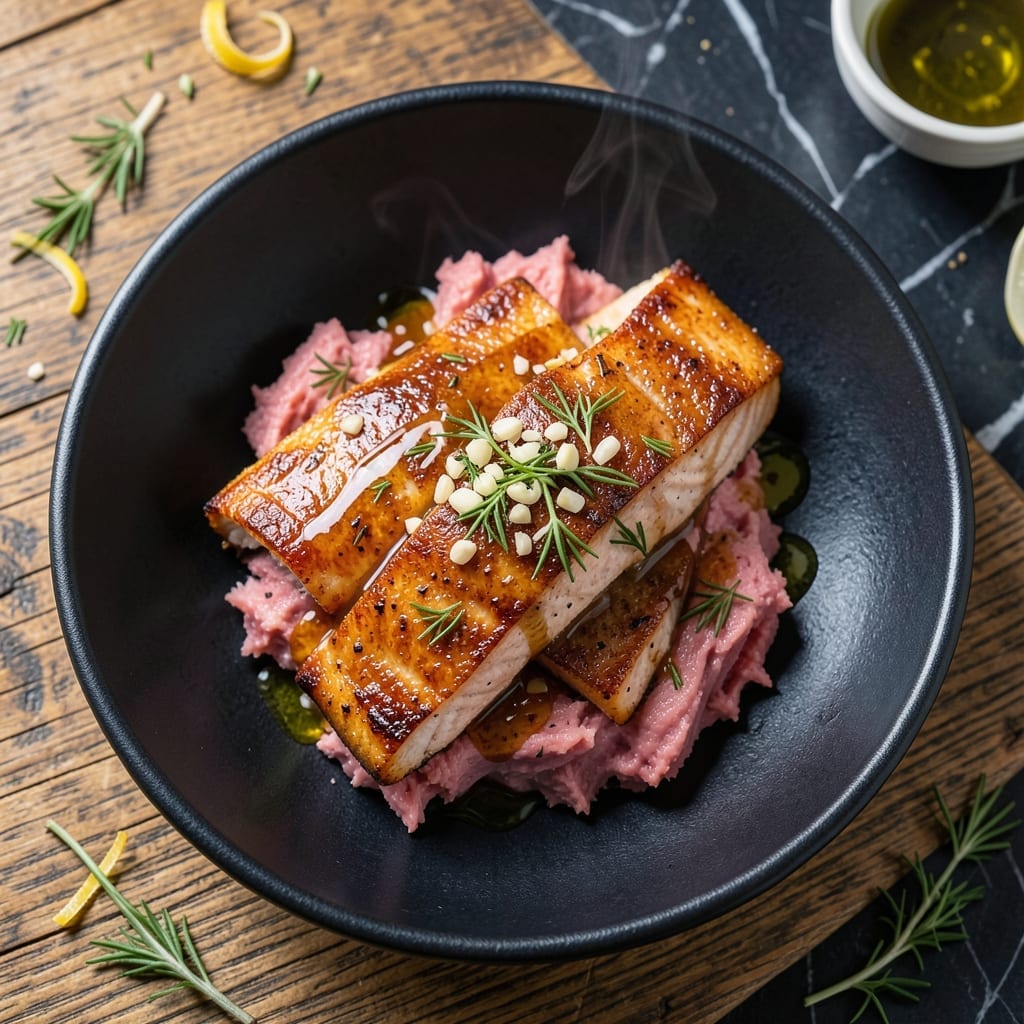
This oven-baked salmon delivers flaky perfection with minimal effort. The brown sugar glaze caramelizes beautifully, creating a sweet-savory crust that complements the tender fish underneath.
I’ve tested this method repeatedly to ensure the salmon stays moist while developing that signature golden finish. The key is a hot oven and precise timing—just enough to cook through without overdoing it.
The result is a dish that looks impressive but requires only basic ingredients and 20 minutes of your time. The glaze forms a sticky, glossy coating that locks in flavor.
Serve with roasted vegetables or rice for a complete meal. The balance of sweetness and richness makes it a crowd-pleaser every time.
Ingredients for Brown Sugar Salmon Recipe Oven
Center-cut salmon and pantry staples create this dish with minimal effort and maximum flavor.
| Ingredient | Amount | Notes |
|---|---|---|
| Salmon Fillets 🐟 | 1 ½ lb | Skin-on or skinless, center-cut |
| Light Brown Sugar 🧈 | ⅓ cup | Packed, for glaze caramelization |
| Dijon Mustard 🟡 | 2 tbsp | Smooth, not whole grain |
| Soy Sauce 💧 | 2 tbsp | Low-sodium preferred for balance |
| Extra-Virgin Olive Oil 🫒 | 1 tbsp | For brushing salmon and pan |
| Garlic Cloves 🧄 | 3 cloves | Minced for even distribution |
| Fresh Lemon Juice 🍋 | 1 tbsp | Brightens the glaze flavor |
| Ground Black Pepper 🌶️ | ½ tsp | Freshly ground for best aroma |
| Kosher Salt 🧂 | ½ tsp | Diamond Crystal preferred for texture |
| Dried Thyme 🌿 | ½ tsp | For subtle herbal note |
| Paprika 🌶️ | ¼ tsp | Adds color and depth |
| Fresh Parsley 🍃 | 2 tbsp | Chopped, for garnish |
The salmon quality is paramount. Wild-caught sockeye or coho from Whole Foods or Costco delivers superior flavor and texture. Ensure fillets are uniform in thickness (about 1-inch) for even cooking. Freshness matters—look for bright, vibrant color and a mild ocean scent. For the brown sugar, light brown provides the perfect caramelization without overpowering sweetness.
No Dijon? Whole-grain mustard works but texture differs slightly. Tamari can replace soy sauce at a 1:1 ratio. If avoiding gluten, use coconut aminos instead. The lemon juice is essential for balancing sweetness, but apple cider vinegar in a pinch works. For extra depth, add a pinch of cayenne to the glaze mixture.
Store raw salmon in the coldest part of the fridge for up to 2 days. The prepared glaze keeps 1 week refrigerated in a sealed container. Cooked salmon stays fresh 3-4 days in the fridge or freezes beautifully for 3 months when wrapped tightly.
Why You’ll Love This Recipe
- Set and Forget: I just mix the brown sugar, mustard, and soy sauce, slather it on the salmon, and let the oven do the work.
- Sweet & Savory Magic: That caramelized brown sugar crust with the tangy Dijon kick is ridiculous. Honestly, it’s the only way I’ll eat salmon now.
- Weeknight MVP: From busy Tuesdays to fancy-ish dinners, this works. I’ve served it to picky kids and foodie friends with zero complaints.
- Leftovers? Yes Please: The flavors actually get better overnight. I toss the leftovers into salads or wraps the next day—no waste, no boring meals.
Step-by-Step Instructions for Brown Sugar Salmon
This professional method ensures perfectly flaky salmon with a caramelized glaze every time.
Step 1: Prepare the Salmon Fillets
Preheat your oven to 400°F and position a rack in the center. Pat the 1.5 lb salmon fillets completely dry with paper towels—this ensures the seasoning adheres properly and promotes even browning.
Drizzle the 1 tbsp extra-virgin olive oil over the fillets and rub it evenly across all surfaces. Season immediately with 0.5 tsp kosher salt, 0.5 tsp ground black pepper, 0.5 tsp dried thyme, and 0.25 tsp paprika for balanced flavor and a subtle crust.
Step 2: Create the Caramelized Glaze
In a small bowl, whisk together the 0.33 cup light brown sugar, 2 tbsp Dijon mustard, 2 tbsp soy sauce, 3 cloves minced garlic cloves, and 1 tbsp fresh lemon juice until smooth. The sugar should dissolve completely, creating a thick, glossy mixture.
This glaze delivers the signature caramelization while the mustard and soy sauce add depth. The fresh lemon juice brightens the sweetness and prevents the glaze from becoming cloying. Set aside while you prepare the baking sheet.
Step 3: Apply Glaze and Bake
Place the seasoned salmon fillets skin-side down on a parchment-lined baking sheet. Spoon the glaze evenly over the top of each fillet, spreading it to the edges with the back of the spoon. The glaze should form a visible layer without pooling excessively around the fillets.
Bake for 12-15 minutes until the salmon flakes easily with a fork and the internal temperature reaches 145°F. The glaze will bubble and darken slightly, forming a sticky, caramelized coating. Avoid overbaking—salmon continues cooking slightly after removal from the oven.
Step 4: Rest and Garnish
Remove the salmon from the oven and let it rest on the baking sheet for 3-5 minutes. This allows the juices to redistribute, ensuring each bite remains moist and flaky.
Sprinkle the 2 tbsp fresh parsley evenly over the fillets just before serving. The parsley adds a pop of color and a fresh herbal note that complements the rich, sweet glaze. Serve immediately while the glaze is still glossy and the salmon is at its peak tenderness.
Pro Tips For Making Brown Sugar Salmon Recipe Oven
- Preheat the Pan: Crank the oven to 400°F—any lower and the brown sugar won’t caramelize properly, leaving you with a sad, pale glaze instead of that sticky, glossy finish.
- Pat the Salmon Dry: I learned this the hard way—skip the paper towel and your glaze will slide right off; a quick pat guarantees the sugar sticks and the skin crisps.
- Don’t Over-Sauce: A thin coat of the Dijon-soy mix is plenty; too much and it’ll pool and burn, turning your sweet glaze into bitter charcoal.
- Pull It Early: Salmon keeps cooking after it comes out, so take it off at 130°F internal—wait for 135°F and it’s already overdone.
Dietary Considerations for These Flavors
Gluten-Free Adaptations
This dish is naturally gluten-free as written, but watch your soy sauce. Swap the 2 tbsp soy sauce for tamari or coconut aminos to ensure no gluten contamination. I always keep San-J tamari on hand for this exact reason.
Low-Sodium Options
Reduce the 2 tbsp soy sauce to 1 tbsp and add 1 tbsp water to maintain the glaze consistency. You can also use low-sodium soy sauce—I prefer Kikkoman’s low-sodium for its clean flavor. The dish still delivers that perfect sweet-savory balance. 💪
Dairy-Free and Nut-Free
This recipe is inherently dairy-free and nut-free, making it safe for most allergies. The glaze relies on pantry staples like brown sugar and Dijon mustard, so there’s no risk of cross-contamination from dairy or nuts. Always check labels for hidden ingredients if allergies are severe.
Pescatarian and Keto-Friendly
This fits beautifully into pescatarian diets with its focus on salmon. For keto, reduce the 0.33 cup brown sugar to 2 tbsp and add 1 tsp erythritol to maintain sweetness without the carbs. The dish stays rich and satisfying while keeping net carbs low.
Low-Carb Modifications
Replace the 0.33 cup brown sugar with a sugar-free substitute like Swerve brown sugar blend. Use a 1:1 ratio, but taste as you go—some substitutes can have a stronger sweetness. The caramelized texture remains intact with this swap.
Diabetic Considerations
For blood sugar management, cut the brown sugar by half and boost flavor with 1 tsp smoked paprika or ½ tsp cinnamon. The additional spices enhance the glaze’s depth without relying on sugar. Monitor portion sizes to keep carbs in check.
Nutrition Facts
Frequently Asked Questions
What oven temperature works best?
Use 400°F for ideal caramelization and even cooking. This heat level ensures the glaze bubbles and darkens while the salmon stays moist inside.
How long should I bake the salmon?
Bake for 12-15 minutes until it reaches 145°F internally. The exact time depends on fillet thickness, so check for flakiness with a fork.
Can I use dark brown sugar instead?
Yes, but expect a deeper molasses flavor and slightly darker glaze. Reduce the amount by 1 tablespoon to balance sweetness.
What if my glaze burns before the salmon cooks?
Tent loosely with foil halfway through baking. This prevents over-browning while allowing the fish to cook through completely.

- Peach Syrup Recipe for Ice Cream: Sweet and Silky Drizzle for Scoops - October 6, 2026
- Pav Bhaji Recipe Food Lab: Mumbai Street Food Magic at Home - October 6, 2026
- Peach Jelly Recipe Without Pectin: Naturally Set Sweet Spread - October 6, 2026