
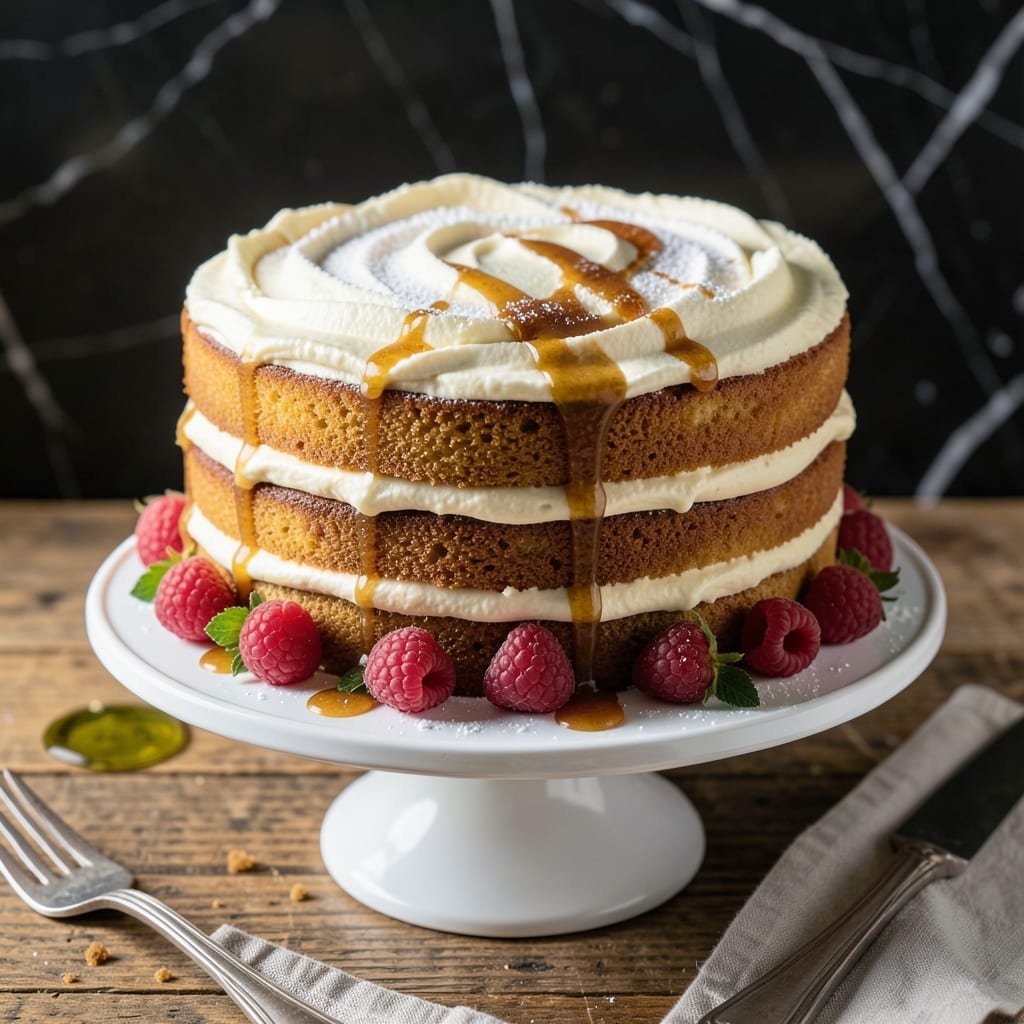
This buttercream frosting delivers silky smooth results every time, perfect for cakes that demand professional finish.
With a simple mixing method and quality ingredients, you’ll achieve pipeable perfection that holds its shape beautifully.
Ingredients for Buttercream Frosting Recipe for Cake
Seven ingredients transform into that silky smooth pipeable perfection for cakes.
| Ingredient | Amount | Notes |
|---|---|---|
| Unsalted Butter 🧈 | 2 cups | Room temperature, high-fat preferred |
| Powdered Sugar 🍚 | 8 cups | Sifted for smooth texture |
| Whole Milk 🥛 | ¼ cup | Or heavy cream for richness |
| Vanilla Extract 🌿 | 2 tsp | Pure extract, not imitation |
| Salt 🧂 | ¼ tsp | Fine sea salt or table salt |
| Heavy Cream 🥛 | 2 tbsp | Optional for extra creaminess |
| Cream of Tartar 🧂 | ½ tsp | Stabilizes meringue base if used |
The butter is non-negotiable here. European-style with 82% fat content (like Plugrá or Kerrygold) yields superior texture and stability. Ensure it’s truly room temperature—press your finger into it; it should leave a slight indentation. Powdered sugar quality matters—Domino or C&H are reliable. Avoid organic varieties with larger granules unless you sift meticulously.
No vanilla extract? Vanilla bean paste at half the quantity adds speckles and depth, or scrape one plump Madagascar bourbon vanilla bean. For dairy-free, swap milk for unsweetened almond milk (the creaminess will differ slightly). Skip cream of tartar if omitted—this version relies on butter’s fat for structure. If your frosting seems thin, chill the bowl and beaters for 10 minutes before starting.
Buttercream keeps at room temperature for 2 days in an airtight container. Refrigerate for up to 2 weeks—bring to room temperature and rewhip before using. Freeze in sealed containers for 3 months (thaw overnight in the fridge). Avoid direct sunlight or heat, which can cause separation.
Why You’ll Love This Recipe
- Five Minute Mix: I can go from bowl to frosted cake faster than my coffee cools—just butter, sugar, and a splash of milk.
- Velvet Smooth Taste: The vanilla shines through, and that hint of salt balances the sweetness perfectly.
- Party or Pancakes: I’ve piped it on cupcakes for birthdays and spread it on Saturday morning pancakes for the kids.
- Budget Stretch: A pound of powdered sugar and a stick of butter yields enough to frost a layer cake with leftovers for cookies.
Step-by-Step Instructions for Buttercream Frosting
Master this technique for a frosting that’s light, stable, and perfect for piping intricate designs.
Step 1: Cream the Unsalted Butter to Ribbon Stage
Place the 2 cups Unsalted Butter in a stand mixer fitted with the paddle attachment. Beat on medium-high speed for 4-5 minutes until the butter becomes pale yellow and develops a ribbon-like consistency when the paddle is lifted.
This extended creaming incorporates air, which is essential for the frosting’s light texture. The butter must be at true room temperature—65-68°F—to emulsify properly. If it appears greasy or separates, chill the bowl for 5 minutes before continuing.
Step 2: Gradually Incorporate the Powdered Sugar
With the mixer on the lowest speed, add the 8 cups Powdered Sugar one cup at a time, allowing each addition to fully incorporate before adding more. This prevents a cloud of sugar dust and ensures even distribution without clumping.
After all the sugar is added, increase the speed to medium and beat for 2-3 minutes until the mixture is smooth and fluffy. Scrape the bowl and paddle thoroughly between additions to prevent unmixed pockets of butter or sugar.
Step 3: Emulsify with Liquids and Flavorings
In a small bowl, combine the 0.25 cup Whole Milk, 2 tsp Vanilla Extract, and 0.25 tsp Salt. With the mixer running on medium-low speed, pour the liquid mixture in a slow, steady stream down the side of the bowl.
Add the 0.5 tsp Cream of Tartar at this stage to stabilize the frosting, especially if you plan to pipe intricate designs. Increase the speed to medium-high and beat for 3-4 minutes until the frosting is noticeably lighter in color and texture.
Step 4: Adjust Consistency with Heavy Cream
Assess the frosting’s consistency. For piping, it should hold a peak when the paddle is lifted but still be smooth and spreadable. If it appears too stiff, add the 2 tbsp Heavy Cream, one tablespoon at a time, mixing well after each addition.
Beat for an additional 1-2 minutes after adjusting the consistency. The frosting should now be silky, with a slight sheen, and hold its shape when piped. Avoid overmixing, as this can introduce too much air and cause the frosting to separate.
Pro Tips For Making Buttercream Frosting Recipe For Cake
- Soften the Butter: Leave the butter out for 1-2 hours until it’s soft but still holds its shape—I learned this the hard way after ruining two batches with melted butter.
- Sift the Sugar: Always sift the powdered sugar first, or you’ll end up with those annoying little lumps no matter how long you beat it.
- Beat Long Enough: Cream the butter for at least 3-5 minutes until it’s pale and fluffy—this is the part I used to rush, and the texture always suffered.
- Add Milk Slowly: Drizzle in the milk a tablespoon at a time, mixing between each addition, to avoid a runny mess that needs fixing.
Storing and Reheating This Dish
Room Temperature Storage
This frosting stays perfect at room temperature for 2 days in an airtight container. I use glass containers with snap-tight lids to prevent air exposure. Keep it away from direct sunlight or heat sources to maintain its smooth texture. 💡
Refrigerator Storage
For longer storage, refrigerate for up to 2 weeks in a sealed container. Before using, bring it to room temperature and rewhip for 2-3 minutes to restore its fluffy consistency. Cold buttercream can develop a grainy texture if not rewhipped properly.
Freezer Storage
Freeze in airtight containers for up to 3 months. Portion into smaller containers if you plan to use it gradually. Thaw overnight in the fridge, then bring to room temperature before rewhipping for 3-4 minutes to revive its pipeable texture.
Avoiding Separation
If your frosting separates after storage, don’t panic. Chill the bowl and beaters for 10 minutes, then rewhip on medium-high speed for 3-4 minutes. This usually brings it back to its original smooth state. Avoid microwaving, as it can melt the butter and ruin the texture.
Color and Flavor Stability
Add food coloring or extracts after rewhipping post-storage for best results. If using natural colorings like beet juice, expect some fading over time. For flavored variations, add 1-2 tsp of extract or zests after rewhipping to refresh the taste. ❄️
Frequently Asked Questions
Why does my frosting look grainy?
Graininess usually means the butter wasn’t warm enough or the sugar wasn’t sifted. Ensure butter is 65-68°F and beat longer on medium-high to smooth it out.
Can I use salted butter instead?
Yes, but reduce the added salt to 1/8 tsp since salted butter contains more sodium. This keeps the flavor balanced without overpowering sweetness.
How do I fix frosting that’s too runny?
Chill the bowl for 10 minutes, then rewhip. If still thin, add 1/2 cup more powdered sugar gradually until it holds shape.
Can I make this ahead of time?
Store in an airtight container at room temperature for 2 days or refrigerate for up to 2 weeks. Rewhip before using.
Nutrition Facts

- BBQ Sausage Recipe Oven: Smoky Depth Without the Grill - September 28, 2026
- BBQ Chicken Bowl Recipe Rice: Smoky Sweetness Over Fluffy Grains - September 28, 2026
- Beef Cutlet Recipe Ideas: Crispy Breaded Patties With Bold Seasonings - September 28, 2026