
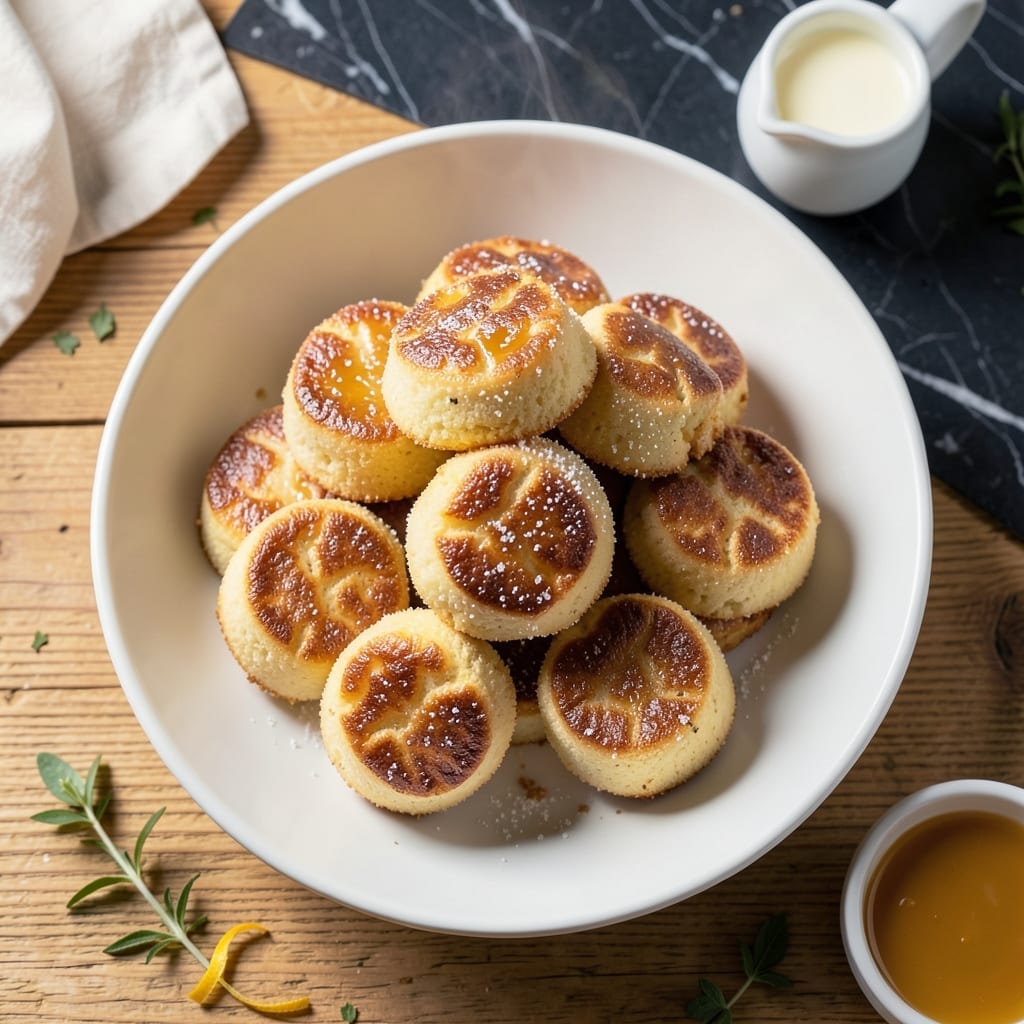
This recipe delivers perfectly portioned, dense cake treats that satisfy without overwhelm. The texture strikes the ideal balance between moist and substantial, making each bite intentionally rich.
I developed this method after noticing most single-serve desserts either skimp on flavor or collapse under their own weight. The solution lies in precise measurements and a baking time that locks in moisture while creating that signature puck-like density.
The result is a personal treat with a tight crumb and concentrated flavor. Unlike cupcakes, these hold their shape beautifully, making them ideal for packing in lunches or serving at gatherings.
Each one emerges from the oven with a slightly rounded top and edges just beginning to pull away from the pan. The simplicity of the technique ensures consistent results every time.
Ingredients for Cake Puck
These measured ingredients create dense, single-serve cake pucks with intentional richness in every bite.
| Ingredient | Amount | Notes |
|---|---|---|
| All-Purpose Flour 🌾 | 1 ½ cups | Sifted for even texture |
| Granulated Sugar 🍚 | 1 cup | Fine grain for even distribution |
| Unsalted Butter 🧈 | ¾ cup | Room temperature, softened |
| Large Eggs 🥚 | 2 whole | Room temperature for uniform mixing |
| Whole Milk 🥛 | ½ cup | Full-fat for richness |
| Vanilla Extract 🌿 | 2 tsp | Pure extract for best flavor |
| Baking Powder 🧂 | 1 ½ tsp | Ensures proper rise |
| Baking Soda 🧂 | ¼ tsp | Balances acidity in batter |
| Salt 🧂 | ½ tsp | Fine sea salt preferred |
| Sour Cream 🥛 | ½ cup | Full-fat for moisture and density |
| Brown Sugar 🍯 | ¼ cup | Packed, adds depth of flavor |
The butter and sour cream are non-negotiable for achieving that signature density. Plugrá or Kerrygold butter delivers consistent fat content, while full-fat sour cream ensures the tight crumb. Most supermarkets carry these in the dairy aisle. For the flour, King Arthur or Gold Medal all-purpose works reliably—avoid cake flour as it lacks the structure needed for the puck-like texture.
No sour cream? Full-fat Greek yogurt works in a pinch. Need to cut dairy? Coconut cream offers a plant-based alternative, though the flavor profile shifts slightly. Brown sugar can be swapped for granulated at a 1:1 ratio if needed. The vanilla extract must be pure—imitation lacks the depth to stand up to the dense batter.
Store batter in an airtight container and refrigerate for up to 24 hours before baking. Baked pucks keep at room temperature in a sealed container for 3 days or freeze for up to 1 month. The texture remains optimal when thawed overnight in the fridge.
Why You’ll Love This Recipe
- One Bowl Wonder: I mix everything in a single bowl—flour, sugar, butter, eggs, milk—and it’s ready for the oven in minutes.
- Buttery Richness: The unsalted butter and whole milk give these cake pucks a melt-in-your-mouth texture that’s hard to resist.
- Snack or Dessert: I serve them as a quick breakfast treat or a sweet finish to dinner—honestly, they work for both.
- Budget Friendly: Five simple pantry staples, and I get a batch of 12. Here’s what sold me—no fancy ingredients, just pure, simple goodness.
Step-by-Step Instructions for Cake Pucks
This professional method ensures dense, rich single-serve treats with perfect texture every time.
Step 1: Prepare the Dry Ingredients
In a medium bowl, whisk together the 1.5 cups All-Purpose Flour, 1.5 tsp Baking Powder, 0.25 tsp Baking Soda, and 0.5 tsp Salt. I sift the flour first to eliminate lumps and ensure even distribution of leavening agents throughout the batter.
This step is crucial for creating the dense yet tender crumb characteristic of cake pucks. The combination of baking powder and baking soda provides both immediate and delayed rise, while the salt enhances all the other flavors in the recipe.
Step 2: Cream Butter and Sugars
In a stand mixer fitted with the paddle attachment, beat the 0.75 cup Unsalted Butter with the 1 cup Granulated Sugar and 0.25 cup Brown Sugar on medium speed for 3-4 minutes until light and fluffy. The butter should be at room temperature for proper emulsification.
The brown sugar adds moisture and a subtle molasses note that complements the richness of the butter. Stop mixing when the mixture has visibly lightened in color and increased in volume—this indicates proper aeration, which contributes to the final texture.
Step 3: Incorporate Wet Ingredients
Add the 2 whole Large Eggs one at a time, mixing well after each addition. Then add the 2 tsp Vanilla Extract, 0.5 cup Whole Milk, and 0.5 cup Sour Cream, mixing just until combined. The sour cream is key for creating that dense, moist texture we want.
Be careful not to overmix at this stage. The milk and sour cream should be at room temperature to prevent the butter from seizing up. The batter will be thick but should still be pourable—this viscosity ensures the cake pucks hold their shape during baking.
Step 4: Combine and Portion the Batter
Gradually add the dry ingredients to the wet mixture, mixing on low speed until just combined. The batter should be smooth with no visible flour streaks, but avoid overworking it as this can develop gluten and make the cake pucks tough.
Divide the batter evenly among prepared muffin cups, filling each about ¾ full. This filling level allows for proper rise without spilling over. I use an ice cream scoop for consistent portioning, which ensures even baking across all pucks.
Step 5: Bake to Perfect Doneness
Bake in a preheated 350°F oven for 20-25 minutes, or until a toothpick inserted into the center comes out with a few moist crumbs. Rotate the pan halfway through baking for even browning if your oven has hot spots.
Allow the cake pucks to cool in the pan for 5 minutes before transferring them to a wire rack. The centers should be set but still slightly dense—this is the hallmark of a properly made cake puck. Serve warm for the best texture and flavor experience.
Pro Tips For Making Cake Puck
- Room Temp Butter: Pull your unsalted butter out 1-2 hours before mixing—creaming it properly with sugar is what gives cake pucks their tender crumb. I learned this the hard way after ending up with dense, flat pucks from cold butter.
- Measure Flour Right: Spoon your all-purpose flour into the measuring cup and level it off—don’t scoop directly from the bag. Packed flour can add 20% more, and suddenly your pucks are dry and heavy.
- Don’t Overmix: Once you add the whole milk, mix just until the flour disappears. Overworking the batter develops gluten, and your cake pucks will turn tough instead of light.
- Use a Scale: Weigh your ingredients for consistency—especially flour and sugar. Sounds fussy, but after burning a batch from inconsistent measurements, I finally figured out it’s worth the extra minute.
Wine and Beer Pairings for cake puck
Sweet Wine Pairings
A glass of Moscato d’Asti from Italy complements the richness beautifully. Its light effervescence and notes of peach and apricot cut through the dense texture. I love how the 6-8% ABV keeps the pairing light and refreshing. 🍷
Dessert Wine Classic
For a bolder pairing, try Sauternes from Bordeaux, France. The honeyed apricot and citrus flavors match the caramelized edges of warm cake pucks. Serve it slightly chilled at 50-55°F for optimal balance.
Coffee Stout Beer
Dark beer lovers will appreciate a Nitro Milk Stout like Guinness. The creamy mouthfeel mirrors the cake’s density, while coffee notes enhance the vanilla undertones. The 4.2% ABV won’t overwhelm the dessert. 🍺
Fruit Beer Option
A Raspberry Lambic from Belgium offers a tart contrast. The berry flavors brighten each bite, and the slight acidity cleanses your palate. Look for Lindemans Framboise—it’s widely available.
Port Wine Elegance
For special occasions, pair with Tawny Port aged 10 years. Its caramel and nutty notes echo the brown sugar in the recipe. Serve at room temperature in small 3 oz portions.
Creamy Coffee Pairing
An Irish Cream like Baileys creates a luxurious combination. The vanilla and chocolate notes in the liquor enhance the cake’s flavors. Serve over ice for a decadent dessert experience. ✨
Nutrition Facts
Frequently Asked Questions
Why use both baking powder and baking soda?
The combination ensures proper rise and texture. Baking powder provides lift, while baking soda neutralizes acidity from the sour cream, creating a balanced crumb.
Can I make these without sour cream?
Yes, substitute with full-fat Greek yogurt or coconut cream for a dairy-free option. The texture may vary slightly but will remain dense.
How do I know when they’re fully baked?
Insert a toothpick into the center—it should come out with a few moist crumbs. Bake for 20-25 minutes at 350°F.
How long will they stay fresh?
Store in an airtight container at room temperature for up to 3 days. For longer storage, freeze for up to 1 month.

- BBQ Sausage Recipe Oven: Smoky Depth Without the Grill - September 28, 2026
- BBQ Chicken Bowl Recipe Rice: Smoky Sweetness Over Fluffy Grains - September 28, 2026
- Beef Cutlet Recipe Ideas: Crispy Breaded Patties With Bold Seasonings - September 28, 2026