
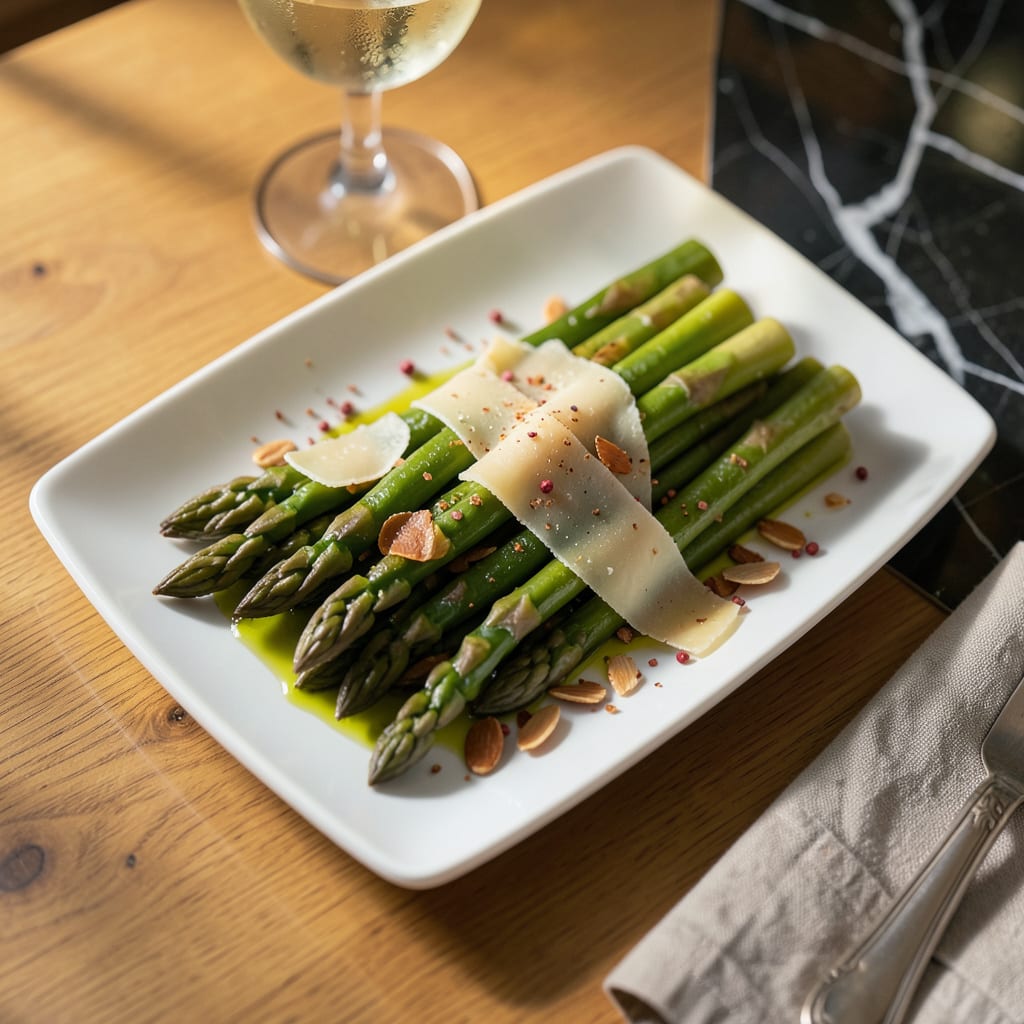
Absolutely! Asparagus can star in complete meals—try it grilled with lemon and quinoa, roasted with garlic shrimp and couscous, or stir-fried with tofu and soba noodles for balanced, flavorful dishes.
I love how asparagus transforms from a simple side into the foundation of satisfying meals. Its natural versatility lets you pair it with lean proteins like chicken or shrimp, while grains such as quinoa or couscous add heartiness. The key is balancing textures—crisp-tender asparagus with creamy avocado or chewy farro creates layers of interest. 🔥
What makes these dishes work so well is asparagus’s mild, slightly earthy flavor that absorbs marinades and spices beautifully. I’ve found that quick-cooking methods like stir-frying preserve its vibrant color and nutrients while keeping prep under 30 minutes. The result? Restaurant-worthy plates that feel special but come together effortlessly. ✨
💡 In This Article
- Why Asparagus Works as a Meal Centerpiece
- 5 One-Pan Asparagus Recipes for Busy Weeknights
Why Asparagus Works as a Meal Centerpiece
Asparagus brings a nutritional powerhouse to the table with just 27 calories per cup while packing 3 grams of fiber, 57% of your daily vitamin K, and significant folate. This balance of fiber and micronutrients makes it more satisfying than you’d expect from a vegetable.
The high water content (93%) keeps dishes feeling fresh while the fiber slows digestion, helping you stay full longer. 🌟
What sets asparagus apart is its culinary flexibility across cooking methods. When roasted at 425°F for 12-15 minutes, it develops caramelized tips and tender stalks. Grilling over medium-high heat for 5-7 minutes adds smoky depth, while quick stir-frying at high heat for 3-4 minutes preserves its crisp texture.
Each method transforms its flavor profile—from sweet and nutty when roasted to bright and grassy when lightly cooked. ✨
The mild, slightly earthy flavor acts as a perfect canvas for proteins and grains. I’ve found it pairs exceptionally well with rich proteins like salmon (the oils complement asparagus’s bitterness) or chicken (the lean meat balances the vegetable’s umami).
Whole grains like farro or quinoa add chewy texture contrast, while citrus dressings cut through any bitterness. This flavor versatility means you can build meals around it without getting bored. 🔥
Texture plays a crucial role in making asparagus meals satisfying. The spears provide both crispness (when properly cooked) and a meaty bite that stands up to proteins. Unlike delicate greens that wilt, asparagus maintains structure—whether you’re twirling it with pasta or spearing roasted pieces.
The contrast between tender tips and slightly firmer stalks creates interesting mouthfeel that makes every bite engaging. ⚡
From a meal composition standpoint, asparagus offers what dietitians call “volume eating”—high nutrient density with low calorie count. This lets you build generous portions that feel indulgent but remain balanced.
A typical asparagus-centric plate might include 5-6 spears (about 1 cup cooked), 4 oz protein, and ½ cup grains for a 400-500 calorie meal that covers multiple food groups. 💫
Don’t overlook the visual appeal either. Asparagus’s vibrant green color (from chlorophyll) makes plates pop, while its linear shape creates elegant presentation. When arranged with golden proteins and colorful grains, it transforms simple ingredients into restaurant-worthy compositions. The natural beauty means you spend less time plating and more time enjoying your meal. ✨

- BBQ Sausage Recipe Oven: Smoky Depth Without the Grill - September 28, 2026
- BBQ Chicken Bowl Recipe Rice: Smoky Sweetness Over Fluffy Grains - September 28, 2026
- Beef Cutlet Recipe Ideas: Crispy Breaded Patties With Bold Seasonings - September 28, 2026