
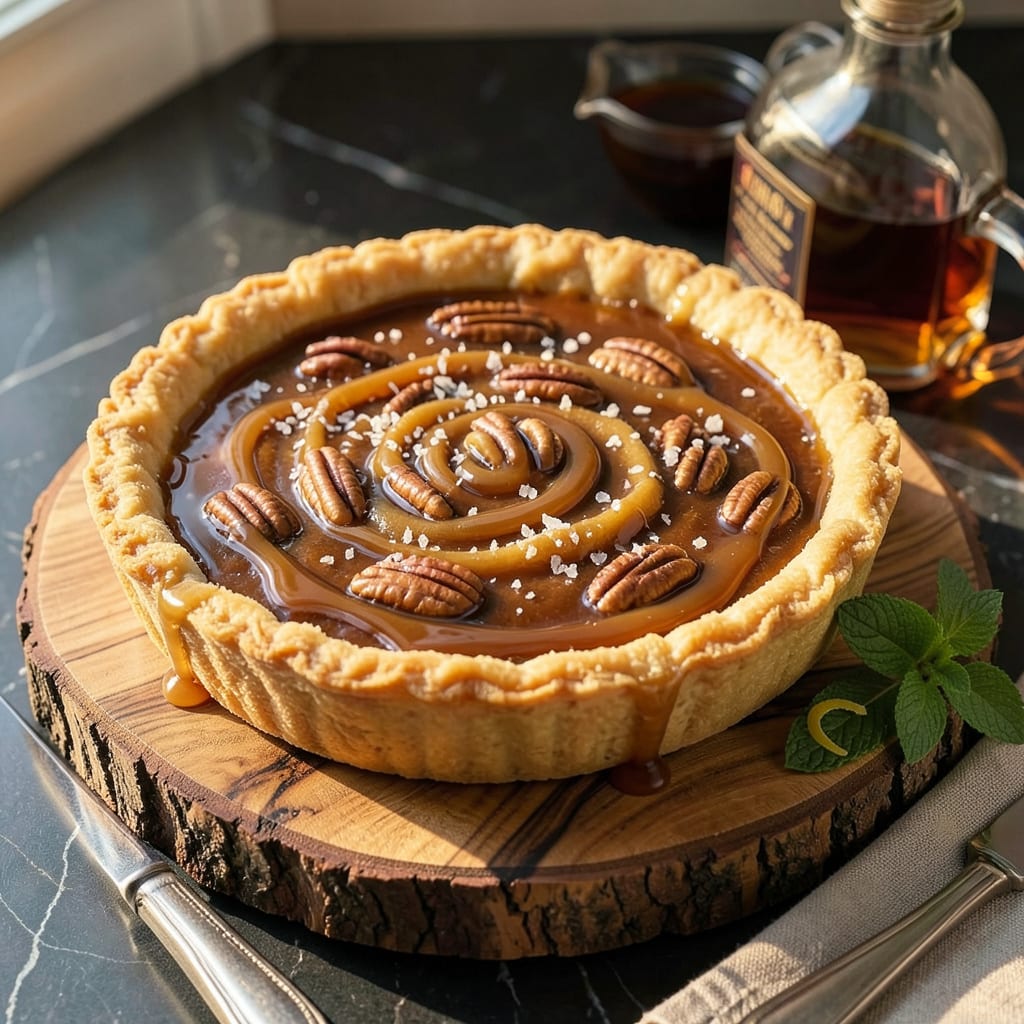
Yes, you can substitute whiskey for bourbon in recipes, but expect subtle flavor differences. Bourbon’s sweeter, caramel notes may be less pronounced with standard whiskey, which can be slightly sharper or more neutral.
This swap works because both spirits share the same alcohol base, but their production rules create distinct flavor profiles. 🔥 Bourbon’s legal requirement for at least 51% corn gives it that signature sweetness, while whiskey’s grain flexibility (often rye or barley) introduces earthier, spicier undertones. I’ve found that in rich sauces or glazes, the difference is barely noticeable, but in delicate desserts or marinades, you might want to compensate with a splash of vanilla extract or brown sugar to mimic bourbon’s depth.
💡 In This Article
- How Bourbon and Whiskey Differ in Cooking Chemistry
- Best Whiskey Substitutes for Bourbon in Popular Recipes
How Bourbon and Whiskey Differ in Cooking Chemistry
The magic happens in the mash bill and barrel. Bourbon must contain at least 51% corn by law, which ferments into sweeter sugars during distillation. This creates vanillin and caramel compounds that deepen during aging in charred oak barrels.
Standard whiskey, however, can use rye, barley, or wheat as primary grains—each contributing different flavor molecules like spicy eugenol (from rye) or grassy hexanal (from barley). 🔥
Heat transforms these compounds differently. When you reduce bourbon in a sauce, its higher corn sugar content caramelizes more readily at 212-250°F, creating rich, buttery notes. Whiskey with rye or barley bases develops sharper, peppery aromatics when heated—the same compounds that give rye bread its distinctive tang.
The char level of barrels also matters: bourbon’s new charred oak imparts 30-50% more vanillin than the reused barrels often used for Scotch or Irish whiskey.
Alcohol evaporation rates change the game too. Bourbon’s sweeter profile means its sugar content (about 2-4g per ounce) interacts with proteins in meat differently than whiskey’s more neutral base.
In marinades, bourbon’s sugars help create deeper Maillard browning at 300°F+, while whiskey’s higher alcohol content (often 40-45% ABV vs bourbon’s 40% minimum) can accelerate protein denaturation for faster tenderizing. ✨
The aging process creates another layer of complexity. Bourbon ages in new charred oak, extracting more lignin-derived compounds that break down into vanilla and coconut notes. Most whiskeys use used barrels, resulting in subtler oak influence. This means a 4-year bourbon might have more oak-derived flavors than an 8-year Scotch aged in refill casks.
The difference becomes pronounced in long-simmered dishes where these compounds have time to infuse.
Here’s what I’ve observed in my kitchen tests: In BBQ sauces, bourbon’s caramel notes blend seamlessly with molasses, while rye whiskey adds a pleasant contrast. For desserts like whiskey cake, the swap works beautifully if you add 1/4 teaspoon vanilla extract per ounce of whiskey to compensate.
The real challenge comes with delicate custards where bourbon’s sweetness is structural—here, a 1:1 substitution might require adjusting sugar by 10-15%. 💫
Pro tip: For recipes where bourbon’s sweetness is critical (like pecan pie), consider a 70/30 blend of whiskey to dark corn syrup or maple syrup. This mimics the corn-derived sweetness while letting the whiskey’s unique character shine through. The syrup’s invert sugars also help replicate bourbon’s body in reduced sauces.

- BBQ Sausage Recipe Oven: Smoky Depth Without the Grill - September 28, 2026
- BBQ Chicken Bowl Recipe Rice: Smoky Sweetness Over Fluffy Grains - September 28, 2026
- Beef Cutlet Recipe Ideas: Crispy Breaded Patties With Bold Seasonings - September 28, 2026