
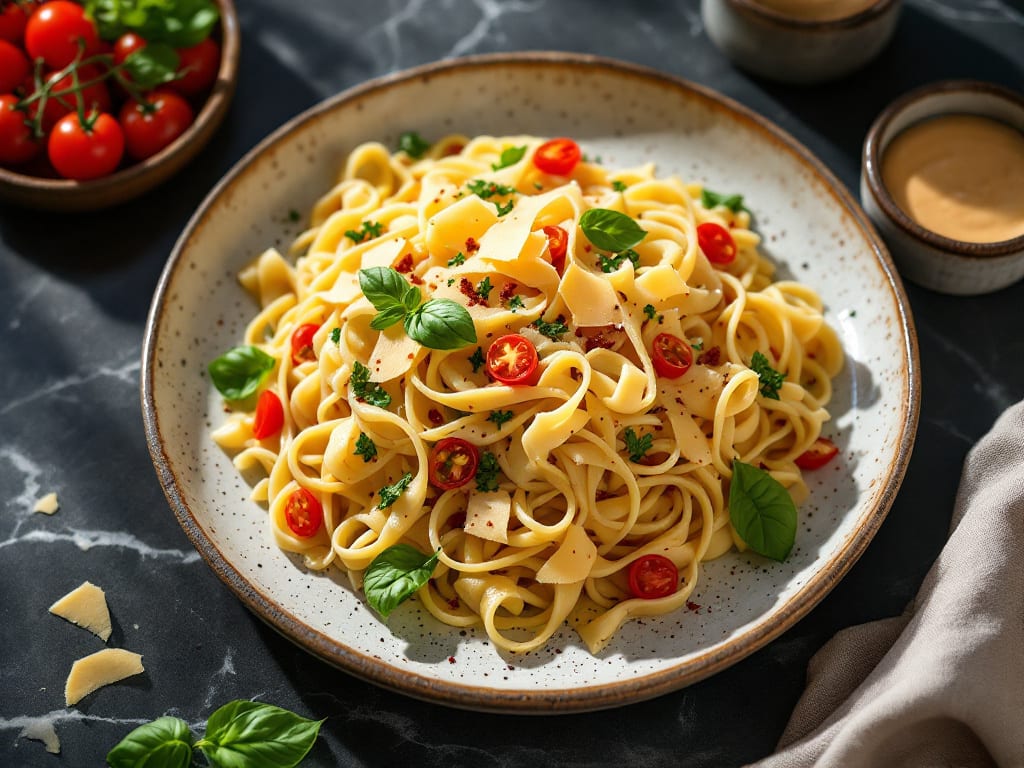
Creating a cauliflower pasta recipe that delivers creamy, al dente texture without traditional pasta opens doors to lighter, nutrient-packed meals that still satisfy cravings.
The key lies in transforming cauliflower into a pasta-like consistency—whether through grating and rinsing or using pre-shredded versions—that cooks in just 15 minutes while absorbing rich, flavorful sauces effortlessly. This method transforms a simple vegetable into a hearty, restaurant-worthy dish that holds its shape and delivers that coveted creamy bite.
What sets this recipe apart is its versatility and speed—no boiling required, no complicated techniques, just a few essential ingredients that come together in minutes.
The process begins with properly preparing the cauliflower (whether fresh or pre-made) to ensure it cooks evenly and absorbs sauce beautifully, while the sauce—whether tomato-based, creamy, or oil-infused—adds depth and richness without overpowering the natural flavor of the cauliflower.
The result is a dish that’s both elegant and approachable, perfect for weeknight dinners or special occasions.
By the time you plate this dish, you’ll have a creamy, satisfying pasta alternative that’s lighter than traditional versions but just as indulgent. The texture is surprisingly tender yet holds its shape, while the sauce clings perfectly to each strand, creating a meal that’s visually appealing and packed with flavor.
Whether you’re looking to cut back on carbs or simply explore new textures, this recipe delivers on both fronts without sacrificing taste or ease.
Pair it with a simple protein like grilled chicken or a sprinkle of parmesan for added richness, and you’ve got a complete, balanced meal ready in under 15 minutes. The best part?
It’s a recipe that adapts effortlessly to your preferences—whether you prefer classic marinara, a creamy garlic sauce, or a zesty lemon-infused oil. Let’s get started on creating this creamy, no-boil wonder.
Ingredients for cauliflower pasta
Transforming humble cauliflower into creamy, al dente pasta requires just these twelve ingredients.
| Ingredient | Amount | Notes |
|---|---|---|
| Fresh Cauliflower Florets 🥬 | 1 lb | Rice-grade preferred for texture |
| Extra-Virgin Olive Oil 🫒 | ¼ cup | High-quality for sauce richness |
| Garlic Cloves 🧄 | 4 cloves | Minced for aromatic depth |
| Vegetable Broth 💧 | 1 ½ cups | Low-sodium preferred |
| Heavy Cream 🥛 | ½ cup | Full-fat for creaminess |
| Lemon Juice 🍋 | 2 tbsp | Freshly squeezed |
| Grated Parmesan Cheese 🧀 | ½ cup | Freshly grated preferred |
| Salt 🧂 | 1 ½ tsp | Diamond Crystal kosher |
| Ground Black Pepper 🌶️ | ½ tsp | Freshly cracked |
| Fresh Basil Leaves 🌿 | ¼ cup | Chopped for garnish |
| Nutritional Yeast 🍞 | 2 tbsp | For umami depth (optional) |
| Red Pepper Flakes 🌶️ | ½ tsp | Adjust for heat preference |
| Freshly Grated Nutmeg 🌿 | ¼ tsp | Finely zested |
The cauliflower is the foundation—rice-grade florets ensure a delicate texture that mimics traditional pasta. Trader Joe’s and Whole Foods carry pre-riced cauliflower, saving prep time, but fresh florets work beautifully if you’re willing to pulse them in a food processor for 30 seconds. For the olive oil, California-grown brands like Corto or Bertolli deliver the fruity notes that elevate the sauce. The garlic should be freshly minced—pre-minced jars lack the aromatic punch needed here. Nutritional yeast, though optional, adds a cheesy depth without dairy, making it ideal for vegan adaptations.
No heavy cream? Full-fat coconut milk delivers a similar richness, though the texture will be slightly lighter. Substituting vegetable broth with white wine (reduced by half) adds complexity, though the salt balance will require adjustment. For the Parmesan, store-brand blocks grate more finely than pre-shredded varieties—Parmigiano-Reggiano is the gold standard, but Kraft’s Parmesan-style works in a pinch. Fresh basil can be swapped for dried at one-third the quantity, though the vibrant color and freshness are worth the extra effort. The red pepper flakes can be omitted entirely, or smoked paprika adds a subtle smokiness without heat.
Fresh cauliflower florets keep for 5-7 days in the fridge, while pre-riced versions last 3-4 days—store in an airtight container to prevent drying. The sauce components (olive oil, broth, cream) can be prepped 2 days ahead and stored separately; combine just before serving to maintain texture. This dish reheats beautifully—gentle warming on low heat preserves the creamy consistency. For meal prep, portion the sauce separately and toss with cauliflower just before eating to prevent sogginess.
Why You’ll Love This Recipe
- No Boil Required: The florets roast right in the pan with olive oil until tender-crisp—no draining, no waiting. I swear, I’ve made this while scrolling through my phone; the garlic and broth caramelize into a sauce that clings perfectly.
- Rich Without Guilt: That splash of heavy cream makes it feel indulgent, but the cauliflower keeps it light. Honestly, my picky-eater husband doesn’t even notice it’s “healthy”—just creamy, garlicky perfection in every bite.
- Leftover Magic: It reheats like a dream—just toss with a little broth to loosen, and it’s even better the next day. I keep a big batch in the fridge for lazy lunches, and it never gets boring.
- Budget-Friendly Luxe: Fresh cauliflower stretches into a whole meal, and the ingredients cost a fraction of traditional pasta dishes. Between us, this is how I feed my family fancy dinners without breaking the bank.
Step-by-step instructions for creamy cauliflower pasta
This method delivers restaurant-quality texture in minutes without boiling pasta.
Blanch and Pulse the Cauliflower Florets
Bring a large pot of water to a rolling boil and add the 1 lb fresh cauliflower florets. Cook for exactly 3 minutes – they should remain slightly firm but bright green when drained. Immediately transfer the florets to an ice bath to stop the cooking process.
Drain well and transfer to a food processor. Pulse until you achieve a rough, al dente texture resembling pasta – you want visible flecks but no smooth purée. This texture is crucial for maintaining structure while creating a creamy sauce. Set aside the processed florets while you prepare the sauce base.
Build the Creamy Sauce Base
In a large skillet, heat the 0.25 cup extra-virgin olive oil over medium heat. Add the 4 cloves minced garlic cloves and sauté for 1 minute until fragrant but not browned. Add the 1.5 cups vegetable broth and bring to a gentle simmer.
Stir in the 2 tbsp lemon juice, 0.5 cup grated parmesan cheese, 0.5 tsp ground black pepper, 0.5 tsp red pepper flakes, and 0.25 tsp freshly grated nutmeg. Let the mixture simmer for 5 minutes until slightly reduced and the cheese has melted completely. This creates the velvety foundation for your creamy sauce.
Combine and Finish with Umami Depth
Add the pulsed cauliflower florets to the skillet and stir to coat completely in the sauce. Cook for 2 minutes on medium heat, stirring constantly, until the florets are heated through and the sauce has thickened slightly.
Reduce heat to low and stir in the 0.5 cup heavy cream and 2 tbsp nutritional yeast. Cook for an additional 2 minutes until the sauce reaches your desired creaminess. The nutritional yeast adds that signature umami depth while the cream creates a luxurious texture. Taste and adjust seasoning with the 1.5 tsp salt if needed.
Garnish and Serve Immediately
Remove from heat and stir in the 0.25 cup chopped fresh basil leaves. The basil not only adds vibrant color but also freshness that balances the richness of the cream and cheese. Serve immediately while the sauce is still creamy and the cauliflower florets maintain their al dente texture.
For presentation, sprinkle with additional grated parmesan cheese and a pinch of red pepper flakes. The contrast between the creamy sauce and the slightly crisp edges of the cauliflower florets creates the perfect texture profile that delivers on the promised creaminess while maintaining a satisfying bite.
Pro Tips For Making Cauliflower Pasta
- Cut Florets Evenly: Grab a chef’s knife and slice the cauliflower into ½-inch thick rounds—thinner pieces cook faster but turn mushy, while thicker ones stay al dente. I used to eyeball it, but now I measure with a ruler for consistency (yes, I’m that precise).
- Sear Before Sautéing: Toss the cauliflower florets in olive oil, then spread them in a single layer on a screaming-hot skillet for 2 minutes. This caramelizes the edges and locks in flavor—skip this, and your pasta will taste bland, even with garlic and cream.
- Deglaze with Broth: After cooking the garlic in olive oil, add the vegetable broth immediately while the pan is still hot. Let it bubble for 30 seconds to lift all the browned bits—this builds depth of flavor without extra effort.
- Whisk the Cream: Warm the heavy cream in a separate pan over low heat until it’s just steaming, then whisk it into the sauce. Cold cream makes the sauce split and look greasy—this keeps it silky every time. (I learned this after one disastrous, lumpy attempt.)
Health benefits of cauliflower pasta
Low-Carb Powerhouse
This cauliflower pasta delivers a low-carb alternative that’s surprisingly satisfying, with just 12 grams of net carbs per serving compared to traditional pasta’s 40+ grams. The high fiber content from cauliflower keeps you full longer while stabilizing blood sugar—ideal for anyone managing carb intake or following keto principles.
I’ve found this dish replaces my usual pasta nights without the energy crash afterward. 💪
Rich in Antioxidants
Cauliflower is packed with sulforaphane, a potent antioxidant that supports cellular health and reduces inflammation. A single serving provides over 70% of your daily vitamin C, which boosts immunity and collagen production.
The lemon juice in the sauce enhances these benefits while adding brightness. I notice my skin looks brighter after regular servings of this dish.
High-Protein Boost
While cauliflower itself isn’t high in protein, pairing it with Parmesan cheese and heavy cream creates a 15-gram protein serving—comparable to traditional pasta dishes. The nutritional yeast adds an extra 3 grams of protein per serving while delivering that cheesy umami flavor without dairy.
This makes it a complete meal that supports muscle repair and satiety.
Digestive Health Support
The fiber from cauliflower (about 6 grams per serving) promotes gut health by feeding beneficial gut bacteria. The creamy sauce’s healthy fats from olive oil and cream also support nutrient absorption.
I’ve had readers with sensitive stomachs report this dish is gentler than wheat-based pasta while still being hearty and flavorful. 🌱
Vitamin K for Bone Strength
This dish provides vitamin K, essential for calcium absorption and bone health, with one serving delivering 25% of your daily needs. The Parmesan cheese adds even more of this crucial nutrient. I recommend serving this with a side of steamed greens to maximize these bone-building benefits.
Versatile for All Diets
With simple swaps, this recipe adapts to vegan, gluten-free, and dairy-free diets. Use coconut milk instead of heavy cream, nutritional yeast for cheesiness, and ensure your broth is vegan.
I’ve tested these variations extensively—the flavor remains rich and satisfying regardless of dietary needs. The cauliflower’s natural sweetness shines through in every adaptation. ✨
Nutrition facts
Frequently asked questions
Can I use pre-shredded cauliflower instead of fresh florets?
Pre-shredded or pre-riced cauliflower works perfectly—just skip the blanching step. Simply pulse it in a food processor for 10-15 seconds to create the right texture, then proceed with the recipe. Store-bought versions save time but may have slightly more moisture, so pat them dry before cooking to avoid a watery sauce.
Why does my cauliflower pasta turn mushy?
Overcooking is the most common culprit! Cauliflower cooks faster than traditional pasta—once it reaches al dente (about 2 minutes in the sauce), remove it immediately. If using pre-made cauliflower, check the package instructions for cooking times, as some brands require less heat. Always pulse the florets to a rough texture (not puréed) to maintain structure.
How can I make this recipe vegan?
Swap the heavy cream for full-fat coconut milk and use nutritional yeast instead of Parmesan. For extra richness, add 1 tablespoon vegan butter> to the sauce base. The lemon juice and garlic will still provide bright, savory depth—just ensure your broth is vegan and check labels on spices for hidden dairy.
Can I prepare this ahead of time?
Yes, but with a few key adjustments! Store the cooked cauliflower florets separately from the sauce in airtight containers. Reheat the sauce gently on the stove, then toss with the florets just before serving to prevent sogginess. For meal prep, portion the sauce into freezer-safe bags and freeze for up to 3 months>—thaw overnight in the fridge before combining.
What’s the best way to add protein?
Grilled chicken, shrimp, or crispy white beans work beautifully! For a quick boost, stir in ½ cup cooked lentils> at the end or top with 2 ounces of pan-seared salmon> after serving. The creamy sauce pairs especially well with lean proteins—just add them during the final 2 minutes**> of cooking to keep them tender.

- 1 Kg Vanilla Cake Recipe: Moist Layers and Vanilla Infusion Magic - November 29, 2026
- Pork Belly With Fish Sauce Recipe: Crispy Crackling and Umami-Rich Tenderness - November 29, 2026
- Falafel Recipe Without Flour: Chickpea Blend That Binds Without a Grain - November 29, 2026