
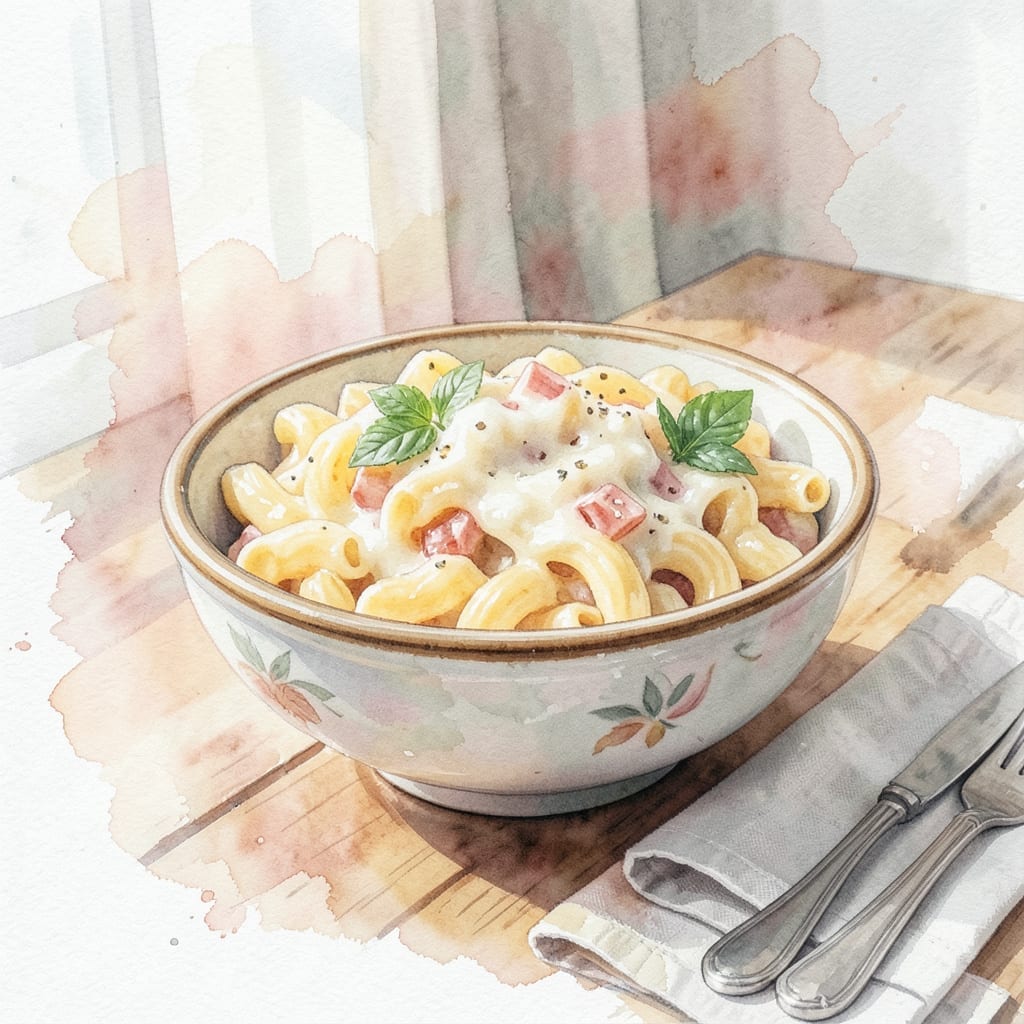
A proper cheese roux is the foundation of any great mac and cheese, transforming simple ingredients into a silky, velvety sauce that clings perfectly to pasta.
This technique starts with equal parts butter and flour cooked together to form a smooth paste, creating the base that will thicken your cheese sauce without lumps.
I’ve perfected this method over years of testing—it’s the difference between a grainy, separated sauce and one that’s creamy and stable every time.
Use this roux as the starting point for your mac and cheese, or any dish needing a rich, cheesy foundation.
Ingredients for Cheese Roux Recipe for Mac and Cheese
Equal parts butter and flour start this silky, velvety base for irresistible creaminess.
| Ingredient | Amount | Notes |
|---|---|---|
| Unsalted Butter 🧈 | ½ cup | European-style for richer flavor |
| All-Purpose Flour 🌾 | ½ cup | Sifted for lump-free roux |
| Whole Milk 🥛 | 2 cups | Warm for smooth integration |
| Sharp Cheddar Cheese 🧀 | 2 cups | Freshly grated from block |
| Gruyère Cheese 🧀 | 1 cup | Freshly grated for depth |
| Parmesan Cheese 🧀 | ½ cup | Freshly grated, aged variety |
| Dijon Mustard 🟡 | 1 tbsp | Smooth, not grainy variety |
| Salt 🧂 | ½ tsp | Diamond Crystal kosher preferred |
| Ground White Pepper 🌶️ | ¼ tsp | For subtle heat without color |
| Worcestershire Sauce 💧 | 1 tsp | Vegetarian version required |
The butter quality is non-negotiable here. European-style unsalted butter (like Plugrá or Kerrygold) has higher fat content, creating a richer roux. The flour must be fresh and sifted—old flour can impart a stale taste. For the milk, whole is essential (skim lacks the fat for proper emulsion). Organic Valley or Straus are reliable brands for consistent results.
Need to swap cheeses? Fontina melts beautifully instead of Gruyère, while Pepper Jack adds a kick. No Dijon? Dry mustard powder at half the amount works. For the vegetarian Worcestershire, Annie’s is a dependable brand. The salt should be kosher—its coarse texture dissolves evenly without over-salting. Freshly grated cheese is mandatory (pre-shredded contains anti-caking agents that ruin texture).
Roux can be held at room temperature for 1 hour before adding liquid. The finished sauce keeps 3-4 days refrigerated in an airtight container. For longer storage, freeze the roux base (before adding cheese) for up to 3 months. Reheat gently with a splash of milk to restore consistency.
Why You’ll Love This Recipe
- One Pot Wonder: I love that it all comes together in a single saucepan—just butter, flour, milk, then the cheeses melt right in.
- Rich and Nutty: The sharp cheddar gives it that classic bite, while the Gruyère adds this deep, almost caramelized flavor that’s next-level good.
- Kid-Approved Comfort: My picky nephew cleans his plate every time, and honestly, it’s the only way I can get him to eat dinner without a fight.
- Makes Great Leftovers: The sauce thickens up even more the next day, so I always double the batch for lunches—no weird separation, just creamy, cheesy perfection.
Step-by-Step Instructions for Cheese Roux
Master this foundational technique to achieve the ultimate creamy, velvety base for your dish.
Step 1: Create the Roux Base
In a heavy-bottomed saucepan over medium heat, melt the 0.5 cup Unsalted Butter completely. The butter should foam slightly but not brown—this indicates it’s at the right temperature for the next step.
Once melted, add the 0.5 cup All-Purpose Flour all at once. Whisk continuously for 2-3 minutes until the mixture forms a smooth paste and turns a light golden color. This cooking process removes the raw flour taste and builds the foundation for thickening your sauce.
The roux should bubble gently but not darken beyond a pale blonde shade. If it begins to brown, reduce the heat immediately—overcooked roux can impart a bitter flavor to your final creation.
Step 2: Gradually Incorporate the Milk
Slowly pour in the warm 2 cups Whole Milk, about ¼ cup at a time, whisking vigorously after each addition. This gradual incorporation prevents lumps from forming and ensures a silky smooth béchamel.
Continue adding the milk in this manner until fully incorporated. The mixture will initially appear thin but will thicken as it heats. Cook for 4-5 minutes, stirring constantly, until the sauce coats the back of a spoon and leaves a clean path when you run your finger through it.
If the sauce becomes too thick before all the milk is added, reduce the heat to low and continue whisking—it will loosen as the remaining liquid is incorporated.
Step 3: Add Seasonings for Depth
Stir in the 1 tbsp Dijon Mustard, 0.5 tsp Salt, 0.25 tsp Ground White Pepper, and 1 tsp Worcestershire Sauce. Each ingredient serves a purpose: the mustard adds tang, the salt enhances flavor, the white pepper provides heat without dark flecks, and the Worcestershire sauce contributes umami depth.
Cook the seasoned béchamel for an additional 2 minutes, allowing the flavors to meld together. Taste and adjust seasoning if needed, keeping in mind that the cheeses you’ll add next will also contribute saltiness.
Step 4: Incorporate the Cheeses
Reduce the heat to low and begin adding the cheeses gradually. Start with the 2 cups Sharp Cheddar Cheese and 1 cup Gruyère Cheese, stirring constantly until each addition is fully melted and smooth before adding more.
Once those are incorporated, add the 0.5 cup Parmesan Cheese. The sauce should now be thick, creamy, and perfectly smooth. If it becomes too thick, you can thin it with a splash of warm milk, but avoid over-thinning—it should cling to pasta beautifully.
Remove from heat as soon as all the cheese is melted. Overheating at this stage can cause the sauce to break or become grainy.
Pro Tips For Making Cheese Roux Recipe For Mac And Cheese
- Cook the Roux Longer: I learned this the hard way—let that butter and flour mixture cook for a full 2-3 minutes until it’s a light golden color. It removes the raw flour taste and gives the mac and cheese a deeper, nuttier base.
- Grate Your Own Cheese: Skip the pre-shredded stuff—it’s coated in anti-caking agents that make the sauce grainy. Freshly grated sharp cheddar and Gruyère melt smoothly and actually taste like cheese.
- Add Milk Slowly: Pour the whole milk in gradually while whisking constantly, or you’ll end up with a lumpy roux. After burning two batches, I finally figured out that patience here prevents clumps.
- Use Warm Milk: Sounds weird, but it works: heat your whole milk for 30 seconds in the microwave before adding it to the roux. It helps the sauce thicken faster and more evenly—no waiting around for it to come up to temp.
Regional Styles of This Dish
Southern Style
In the South, we often add 1/4 tsp cayenne pepper to the roux for a subtle kick that pairs perfectly with sharp cheddar. I’ve found that using buttermilk instead of whole milk creates a tangier base that balances the richness beautifully. 🔥
New England Approach
New England cooks often incorporate 1/2 cup heavy cream along with the milk for an extra luxurious texture. The addition of 1 tsp dry mustard enhances the cheesiness without overpowering. This version is particularly popular in coastal areas where dairy is abundant.
French Technique
For a classic French touch, I replace the cheddar with Comté cheese and add 1/4 tsp nutmeg to the béchamel. The nutmeg adds a warm depth that’s traditional in French cuisine. The roux is often cooked slightly longer until it reaches a blonde color.
Midwest Comfort
Midwestern versions often include 1/2 cup American cheese for its superior melting properties. I’ve seen recipes that add 1 tbsp hot sauce to the finished sauce for a tangy twist. This style prioritizes nostalgia and comfort over gourmet ingredients.
Southwest Flare
In the Southwest, we might add 1/2 cup pepper jack and 1 tsp cumin to the cheese mixture. A dash of chipotle powder gives it a smoky depth. This version pairs wonderfully with mac and cheese that includes roasted green chiles.
Nutrition Facts
Frequently Asked Questions
Why use a roux for cheese sauce?
A roux creates a stable base that prevents the sauce from separating. It thickens the milk evenly and helps the cheese melt smoothly into the liquid. Without it, your sauce may turn grainy or clumpy.
Can I use pre-shredded cheese?
Avoid pre-shredded cheese—it contains anti-caking agents that prevent smooth melting. Always grate fresh from a block for the creamiest texture. The extra few minutes are worth it for perfect results.
How do I fix a lumpy sauce?
Whisk vigorously to break up lumps, or strain through a fine-mesh sieve. For prevention, add warm milk slowly and keep heat at medium. Patience is key to silky consistency.
What’s the best cheese combo?
Sharp cheddar for tang, Gruyère for depth, and Parmesan for saltiness create a balanced flavor. Experiment with Fontina or Pepper Jack for variations. Always use 2-3 types for complexity.

- BBQ Sausage Recipe Oven: Smoky Depth Without the Grill - September 28, 2026
- BBQ Chicken Bowl Recipe Rice: Smoky Sweetness Over Fluffy Grains - September 28, 2026
- Beef Cutlet Recipe Ideas: Crispy Breaded Patties With Bold Seasonings - September 28, 2026