
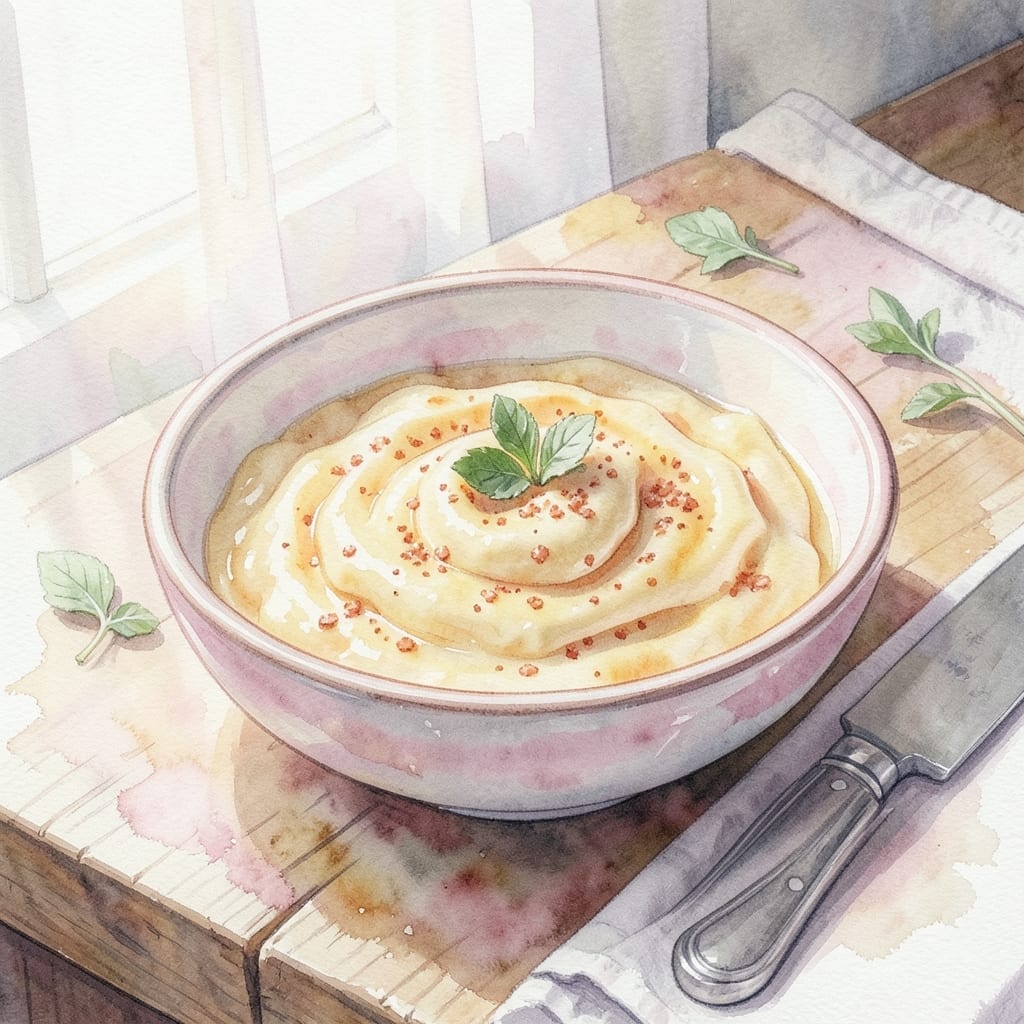
Creamy cheese sauce doesn’t require dairy milk to achieve that perfect velvety texture. This recipe proves you can create a rich, smooth sauce using simple pantry staples and a few clever substitutions.
The secret lies in using evaporated milk or plant-based alternatives like almond or oat milk, combined with a roux for stability. Nutritional yeast adds depth, while a touch of mustard or vinegar balances the richness.
What results is a luscious sauce that clings beautifully to pasta, vegetables, or nachos. It’s just as indulgent as traditional versions but tailored for dietary needs or ingredient constraints.
Ready in under 15 minutes, this sauce delivers consistent, restaurant-quality results without compromise. Here’s how to make it.
Ingredients for Cheese Sauce Recipe Without Milk
Nine pantry staples transform into a restaurant-quality sauce with no dairy milk required.
| Ingredient | Amount | Notes |
|---|---|---|
| Evaporated Milk 🥛 | 1 ¼ cups | Undiluted canned variety |
| Unsalted Butter 🧈 | 3 tbsp | For roux base |
| All-Purpose Flour 🌾 | 3 tbsp | Creates thickening roux |
| Sharp Cheddar Cheese 🧀 | 2 cups | Freshly shredded from block |
| Nutritional Yeast 🌿 | 2 tbsp | For cheesy depth |
| Dijon Mustard 🟡 | 1 tsp | Balances richness |
| White Vinegar 💧 | 1 tsp | Adds brightness |
| Salt 🧂 | ½ tsp | Adjust to taste |
| Black Pepper 🌶️ | ¼ tsp | Freshly ground preferred |
| Garlic Powder 🧄 | ½ tsp | Enhances savory base |
The cheese quality is non-negotiable here. Cabot or Tillamook sharp cheddar melts beautifully without graininess. Evaporated milk (not sweetened condensed) provides creaminess—Pet or Carnation brands are most reliable. For the roux, European-style butter (higher fat content) creates a smoother base. Nutritional yeast, found in the bulk section at Whole Foods or Sprouts, adds umami depth.
No evaporated milk? Full-fat coconut milk works but adds sweetness. For dairy-free versions, unsweetened almond or oat milk plus 1 tbsp cornstarch per cup mimics the thickness. Swap cheddar for Pepper Jack for heat or Gruyere for complexity. Mustard can be yellow in a pinch, but Dijon’s sharpness cuts through the richness better (trust me on this).
Sauce keeps 5 days refrigerated in an airtight container. Reheat gently with a splash of milk substitute—it’ll separate if boiled. Freezes for 3 months (the texture may thicken slightly). Stir vigorously after thawing to restore that velvety consistency.
Why You’ll Love This Recipe
- No-Fuss Cooking: I love that this comes together with just a whisk and one pot—no fancy techniques, just melt, stir, and done.
- Rich & Tangy: The sharp cheddar and nutritional yeast give it that deep, umami-packed cheesiness I crave without being cloying.
- Mac & More: Honestly, this sauce clings to pasta, drizzles over veggies, and even saves my sad leftovers from boredom.
- Pantry Hero: Evaporated milk means I can skip the grocery run, and it keeps well for those last-minute cheese cravings.
Step-by-Step Instructions for Cheese Sauce Without Milk
Master this technique for a rich, velvety sauce using evaporated milk as your base.
Step 1: Create the Roux Foundation
In a medium saucepan over medium heat, melt the 3 tbsp Unsalted Butter until it begins to bubble and foam. This should take about 1-2 minutes—watch for the butter to turn a pale golden color but not brown.
Immediately whisk in the 3 tbsp All-Purpose Flour to form a smooth paste. Continue whisking constantly for 2-3 minutes until the mixture turns a light golden color and emits a nutty aroma. This cooking step removes the raw flour taste and builds the base for your sauce.
Step 2: Gradually Incorporate the Evaporated Milk
Slowly pour in the 1.25 cups Evaporated Milk, about ¼ cup at a time, whisking vigorously after each addition to prevent lumps. The mixture will thicken significantly as the milk combines with the roux.
Once all the milk is incorporated, continue cooking for 3-4 minutes while whisking constantly. The sauce should become smooth and begin to thicken enough to coat the back of a spoon. If it seems too thick, reduce the heat slightly—you want a velvety consistency, not a paste.
Step 3: Add Cheese and Flavor Enhancers
Reduce heat to low and gradually add the 2 cups Sharp Cheddar Cheese, about ½ cup at a time, stirring constantly with a silicone spatula until each addition is fully melted. This gradual process prevents the cheese from clumping or separating.
Stir in the 2 tbsp Nutritional Yeast, 1 tsp Dijon Mustard, 1 tsp White Vinegar, 0.5 tsp Salt, 0.25 tsp Black Pepper, and 0.5 tsp Garlic Powder. Each ingredient serves a purpose: the nutritional yeast deepens the cheesy flavor, mustard balances richness, vinegar adds brightness, and the spices provide a well-rounded savory base.
Step 4: Achieve the Perfect Consistency
Continue stirring the sauce on low heat for an additional 2-3 minutes until it reaches your desired thickness. The sauce should be smooth, glossy, and pourable—thick enough to cling to pasta or vegetables but still fluid.
Taste and adjust seasoning if needed. If the sauce becomes too thick, whisk in a small splash of warm water or additional evaporated milk, 1 tablespoon at a time, until it reaches the perfect consistency. Remember that the sauce will thicken slightly as it cools.
Use immediately for the best texture, as it will continue to thicken upon standing. For serving later, store in an airtight container in the refrigerator for up to 3 days and reheat gently over low heat, stirring frequently.
Pro Tips For Making Cheese Sauce Recipe Without Milk
- Low and Slow Heat: After burning three batches, I finally figured out that evaporated milk scorches easily—keep the flame at medium-low and stir constantly once the butter melts.
- Shred Your Own: Pre-shredded cheese has anti-caking agents that make the sauce grainy. I learned this the hard way—grate the sharp cheddar fresh for that ultra-smooth texture.
- Skip the Boil: Resist the urge to rush the roux. Cook the flour and butter for a full 2 minutes to remove the raw taste, but don’t let it brown—pale yellow is the sweet spot.
- Boost with Yeast: Sounds weird, but it works: whisk in the nutritional yeast at the end. Just 1 tablespoon adds depth that makes people ask for your recipe.
Troubleshooting This Dish
Sauce Too Thin
If your sauce is runny, cook it longer over low heat while stirring constantly. This evaporates excess liquid and thickens the mixture. If that doesn’t work, create a quick cornstarch slurry with 1 tbsp cornstarch mixed in 1 tbsp cold water, then whisk it in. 💡
Sauce Too Thick
Thick sauce can be fixed by whisking in warm water or evaporated milk, 1 tbsp at a time, until it reaches the desired consistency. Avoid boiling, as high heat can cause the sauce to separate or become grainy.
Grainy Texture
Graininess usually means the cheese didn’t melt properly. Remove the sauce from heat and whisk vigorously to break up any clumps. If that fails, blend it with an immersion blender for 30 seconds until smooth. Always use freshly shredded cheese to prevent this issue.
Sauce Separating
If the sauce looks oily or curdled, it’s likely overheated. Immediately reduce heat to low and whisk in 1 tsp lemon juice or a splash of cold evaporated milk to re-emulsify. Constant stirring is key to keeping the sauce stable.
Lumpy Roux
Lumps in your roux mean the flour wasn’t fully incorporated. Use a whisk to break them up while cooking. If lumps persist, strain the sauce through a fine-mesh sieve before adding cheese. Pre-mixing flour and butter into a paste helps prevent this. 🔥
Cheese Not Melting
Pre-shredded cheese often contains anti-caking agents that prevent smooth melting. Always shred your own sharp cheddar from a block. If using pre-shredded, add ½ tsp sodium citrate to help it melt evenly.
Nutrition Facts
Frequently Asked Questions
Can I use water instead of evaporated milk?
No, water won’t provide the creaminess needed. Evaporated milk adds richness and body. For a dairy-free option, try full-fat coconut milk or unsweetened almond milk with 1 tbsp cornstarch to thicken.
Why did my sauce turn out grainy?
Graininess usually happens with pre-shredded cheese due to anti-caking agents. Always shred your own sharp cheddar from a block. If it’s too late, blend with an immersion blender for 30 seconds to smooth it out.
How long can I store leftover sauce?
Store in an airtight container in the fridge for up to 3 days. Reheat gently on low heat, stirring frequently. For longer storage, freeze for up to 3 months.
Can I make this sauce vegan?
Yes! Swap butter for vegan margarine, use plant-based milk, and pick a dairy-free cheese like Violife cheddar. Add ½ tsp sodium citrate to help it melt smoothly.

- BBQ Sausage Recipe Oven: Smoky Depth Without the Grill - September 28, 2026
- BBQ Chicken Bowl Recipe Rice: Smoky Sweetness Over Fluffy Grains - September 28, 2026
- Beef Cutlet Recipe Ideas: Crispy Breaded Patties With Bold Seasonings - September 28, 2026