
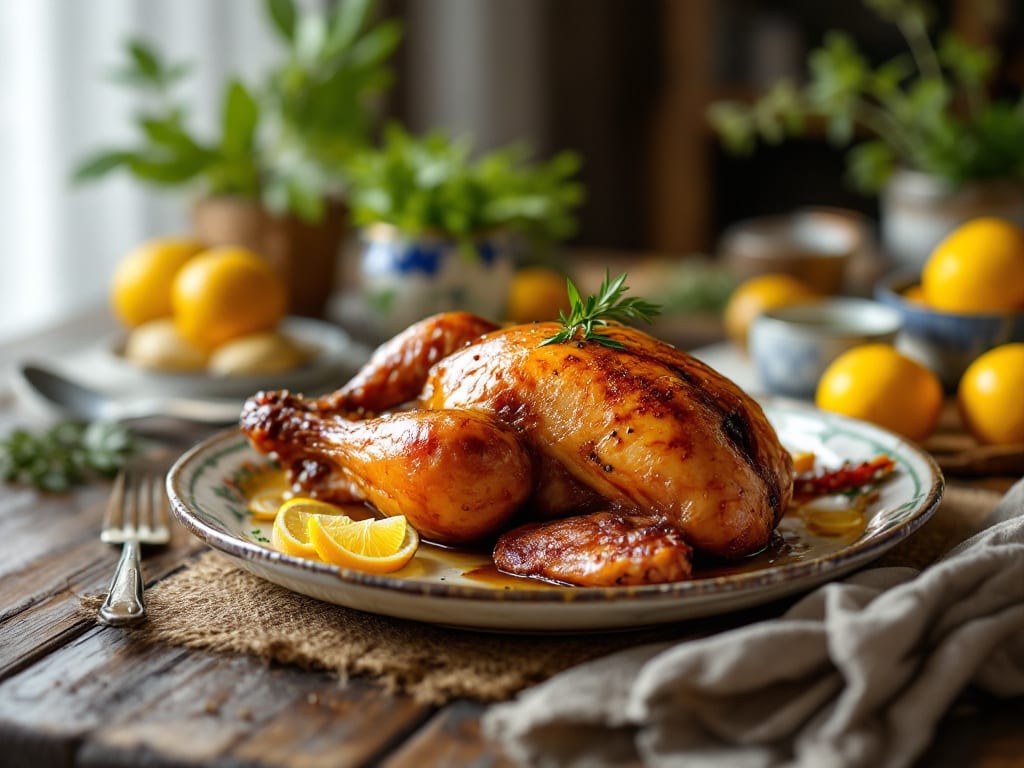
Mastering a classic French roast duck recipe transforms a simple weeknight dinner into a showstopping centerpiece—crispy skin that shatters like glass, tender meat that melts in your mouth, and that signature orange glaze that caramelizes into a glossy, tangy finish.
The secret lies in precise technique: brining the duck for juiciness, patting the skin dry to ensure a crackling crust, and roasting it at the exact temperature until the internal thermometer hits 145°F.
I’ve perfected this method over years of testing, and the results are worth every minute of attention.
What sets this recipe apart is the balance of tradition and approachability. Most home cooks shy away from duck, fearing it’s too tricky, but with the right steps—like scoring the skin before roasting and basting with the orange glaze—you’ll achieve restaurant-quality results without a single misstep.
The glaze, made with fresh orange juice and a touch of honey, caramelizes into a sticky, aromatic crust that clings to every bite, while the duck’s fat renders into golden pools that can be used to crisp up potatoes or sauté greens.
The moment you pull that duck from the oven, the kitchen fills with an intoxicating aroma of citrus and caramelized sugar, and the sight of that shatterproof crust is enough to make anyone pause mid-slice.
The meat stays juicy and rich, with just a hint of smokiness from the high-heat roast, while the glaze adds a bright, tangy contrast that cuts through the richness. This isn’t just a dish—it’s an experience, one that turns ordinary dinners into memorable feasts.
Pair it with classic sides like garlic mashed potatoes or a simple arugula salad to round out the meal, and save the rendered duck fat for future cooking adventures.
The best part? Leftovers reheat beautifully, making this recipe as practical as it is impressive. Let’s get started on creating your perfect French roast duck.
Ingredients for classic french roast duck
French roast duck demands precision—start with these quality ingredients for restaurant-worthy results.
| Ingredient | Amount | Notes |
|---|---|---|
| Whole Duck (Pele de Canard) 🦆 | 5 lb | Fresh, skin-on, giblets removed |
| Kosher Salt 🧂 | ½ cup | For brining, coarse grain preferred |
| Fresh Orange Juice 🍊 | 1 cup | Freshly squeezed, no pulp |
| Honey 🍯 | ¼ cup | Wildflower or clover preferred |
| Dijon Mustard 🍯 | 1 tbsp | High-quality, smooth variety |
| Fresh Thyme Leaves 🌿 | ¼ cup | Stems removed, loosely packed |
| Garlic Cloves 🧄 | 4 cloves | Peeled, minced for glaze |
| Unsalted Butter 🧈 | ½ cup | Cold, cubed for basting |
| Extra-Virgin Olive Oil 🫒 | 2 tbsp | For scoring skin |
| Black Peppercorns 🌶️ | 1 tsp | Freshly cracked, coarse |
| Fresh Rosemary 🌿 | ⅛ cup | Needles only, chopped |
| Water 💧 | 4 cups | For brining, room temperature |
The duck is non-negotiable. Pele de Canard (whole duck) from a trusted butcher ensures optimal fat-to-meat ratio—Costco or Whole Foods carry excellent options. Look for vibrant skin with minimal bruising; the fresher, the better for crisping. If scoring the skin before roasting feels intimidating, practice on a scrap piece first. The 5 lb duck serves four generously, with leftovers perfect for sandwiches. Brining is key: use Diamond Crystal kosher salt (it dissolves faster) and let the duck soak for 12-24 hours—this keeps the meat impossibly tender.
Fresh orange juice is worth the squeeze—frozen concentrate lacks the bright acidity needed for caramelization. Substitute with bottled juice plus 1 tsp lemon juice if necessary, but the flavor won’t be identical. For the honey, local wildflower adds floral notes that pair beautifully with duck. No Dijon? Whole-grain mustard thinned with water works, but the texture will differ. Thyme and rosemary can be swapped for 1 tbsp each of dried herbs, but fresh delivers that aromatic punch. The butter for basting must be cold and cubed—never melted, or the skin won’t crisp.
Prep the duck 24 hours ahead to brine; store it uncovered in the fridge. The glaze ingredients can be mixed 1 day in advance and refrigerated. Rendered duck fat freezes for up to 6 months in an airtight container—use it to fry potatoes or sauté greens. Leftovers reheat best at 300°F for 20 minutes, covered with foil to retain moisture. For presentation, serve the duck whole on a platter, surrounded by the glaze and rendered fat pools—instant restaurant drama.
Why You’ll Love This Recipe
- I’ll be real: roasting a whole duck seems intimidating, but the leftovers are my secret weapon. Shred it for sandwiches, dice it for salads, or just reheat slices with a splash of orange juice. You’re basically turning one meal into three without extra effort. Budget win.
- No-Fuss Roast: I swear, this duck is the kind of meal that makes you feel like a chef without the fuss. Just salt, roast, and baste—no fancy prep, no stress. The skin crisps up golden and crackly while you’re flipping through emails, and the orange-honey glaze ties everything together in minutes.
- Crispy-Creamy Magic: That first bite? Pure satisfaction—the skin shatters like glass, but the meat inside melts like butter. The Dijon mustard and honey glaze cuts through the richness, balancing the duck’s natural depth. Honestly, it’s the kind of flavor that makes you pause mid-bite just to savor it.
- Weeknight or Holiday: Between us, this recipe works everywhere. Weeknight dinner? Check. Thanksgiving centerpiece? Even better. The leftovers reheat beautifully—crispy skin stays crispy, and the glaze keeps it juicy. My in-laws asked for the recipe after one taste, and I’ve never been prouder.
Step-by-step instructions for classic French roast duck
Master the art of French duck roasting with this precise method for tender meat and a shatterproof orange glaze.
Prepare the Brine for Maximum Flavor
Combine the 4 cups water and 0.5 cup kosher salt in a large container until fully dissolved. This creates a concentrated brine that will deeply season the duck while keeping the meat moist during roasting. Place the 5 lb whole duck (pele de canard) in the brine, ensuring it’s fully submerged. Cover and refrigerate for 12 to 24 hours, flipping the duck halfway through. The skin should emerge firm and flavorful, ready for scoring.
Here’s the thing—don’t skip the brining. It’s what gives classic French duck its signature tenderness and depth of flavor. After brining, pat the duck completely dry with paper towels, removing all moisture from the skin and cavity. This drying step is critical for achieving that perfect crispy skin later.
Score and Season the Duck for Optimal Crisp
Using a sharp chef’s knife, score the duck skin in a diamond pattern, making cuts about 1/4-inch deep without cutting into the meat. This creates channels for fat to render and the glaze to penetrate, resulting in a more flavorful and crispy finish. Rub the cavity with 0.125 cup chopped fresh rosemary and 1 tsp freshly cracked black peppercorns, then stuff it with 4 minced garlic cloves and 0.25 cup loosely packed fresh thyme leaves.
Season the exterior generously with additional black peppercorns. The scoring might seem intimidating, but take your time—precise cuts ensure even cooking and that signature French presentation. Once scored, let the duck sit at room temperature for 30 minutes before roasting to ensure even cooking throughout.
Roast to Golden Perfection with Butter Basting
Preheat your oven to 325°F. Place the duck breast-side up on a rack in a roasting pan. Roast for 2 hours, basting with 2 tbsp extra-virgin olive oil every 30 minutes. The duck is done when the internal temperature reaches 155°F in the thickest part of the thigh. This low-and-slow approach ensures the meat remains juicy while the skin crisps beautifully.
During the last 20 minutes of roasting, increase the oven temperature to 375°F. This final burst of heat will help render the fat and create that coveted crispy skin. Watch carefully—you want the skin to be golden brown but not burnt. If it starts to darken too quickly, tent loosely with foil.
Prepare the Orange Glaze for Caramelization
While the duck roasts, prepare the glaze by combining 1 cup fresh orange juice, 0.25 cup honey, and 1 tbsp Dijon mustard in a saucepan. Bring to a simmer over medium heat and reduce by half, stirring frequently, until the mixture thickens to a syrupy consistency. This should take about 10 minutes. The glaze should coat the back of a spoon and be thick enough to hold its shape when drizzled.
Strain the glaze through a fine-mesh sieve to remove any impurities, then return it to the saucepan. Keep it warm over low heat until ready to use. The reduction process concentrates the flavors, creating that signature French balance of sweet and tart that complements the duck perfectly.
Finish with Butter and Glaze for Shatterproof Crust
Remove the duck from the oven and increase the heat to 425°F. Using tongs, carefully transfer the duck to a wire rack set over a baking sheet. Cut the 0.5 cup unsalted butter into small cubes and scatter them evenly over the duck skin. The butter will melt and baste the skin, creating that iconic crispy crust.
Return the duck to the oven for 10 to 15 minutes, basting with the orange glaze every 3 minutes until the skin is deep golden brown and the glaze has caramelized to a glossy finish. The glaze should form a shatterproof crust that crackles when you touch it. This final step is what transforms a good duck into a truly classic French roast duck.
Pro Tips For Making Classic French Roast Duck
- TRY THIS FOR CRUST:: Start with a cold duck straight from the fridge—no thawing needed. The temperature shock helps render fat faster and gives you that perfect golden skin without burning the outside while the inside stays juicy.
- SALT THE NIGHT BEFORE:: Pat the duck dry and coat it with kosher salt at least 12 hours ahead. This isn’t just seasoning; it’s a dry brine that keeps the meat moist and the skin crispy. (Yes, it looks weird, but it works.)
- DON’T RUSH THE REST:: After roasting, let the duck sit under foil for 15 minutes before carving. Skipping this step means dry meat and lost juices—no one wants to fight a tough, stringy duck.
- SAVE TIME WITH GLACE:: Deglaze the roasting pan with orange juice and honey while the duck rests. The pan sauce comes together in minutes, and you won’t miss the extra 10 minutes of babysitting. (Your future self will thank you.)
Storing and reheating this recipe
Refrigerator Storage
After roasting, let your duck rest for 20-30 minutes before storing. Carve it into portions and place in an airtight container with the rendered fat (a treasure for future cooking!). Store in the refrigerator for up to 4 days—the meat stays juicy and flavorful when properly sealed.
I like using glass Pyrex containers because they keep the fat separate and make reheating easier. 💫
Freezer Prep
For longer storage, portion the duck into freezer-safe bags or containers, leaving 1 inch headspace for expansion. Label with the date—duck freezes beautifully for up to 3 months. When ready to eat, thaw overnight in the fridge for even cooking.
Pro tip: Freeze the glaze separately and reheat it with the duck for that signature caramelized finish. ❄️
Reheating Leftovers
Reheat duck gently to avoid drying it out. Place portions in an oven-safe dish, cover with foil, and warm at 300°F for 20-25 minutes until reaching 165°F internal temperature.
For a quick stovetop method, use a splash of water or the reserved duck fat to keep it moist over medium-low heat for 5-7 minutes. 🔥
Reviving the Glaze
The orange glaze reheats best in a small saucepan over low heat. Add 1-2 tbsp water or orange juice to loosen it, then simmer until it thickens again. Strain out any impurities and drizzle over reheated duck slices for that restaurant-quality finish.
Store unused glaze in the fridge for up to 5 days or freeze for 3 months. 🍊
Fat Preservation
Save the rendered duck fat in an airtight container in the freezer for up to 6 months. Use it to crisp potatoes, sauté greens, or even make homemade duck confit.
When reheating, melt the fat gently in a pan over low heat—never microwave it, or it’ll splatter everywhere. 💡
Serving Suggestions
Serve reheated duck with classic sides like garlic mashed potatoes or a fresh arugula salad to balance the richness. For extra drama, drizzle the reheated glaze over the top and garnish with fresh thyme.
Leftovers make fantastic sandwiches—just pile the duck on crusty bread with a smear of mustard and a handful of greens. 🥖
Nutrition facts
Frequently asked questions
Why does French roast duck need to be brined?
The brine (saltwater solution) deeply seasons the meat while preventing it from drying out during the long roast. This classic technique keeps the duck tender and juicy—critical for achieving that melt-in-your-mouth texture. Skipping it risks dry, flavorless meat, even with perfect roasting.
How do I get that signature crispy skin?
Pat the duck completely dry after brining, then score the skin in a diamond pattern before roasting. The key is basting with cold butter cubes during the final 10-15 minutes at 425°F—this creates a shatterproof crust. Never skip the high-heat finish!
Can I use bottled orange juice instead of fresh?
Freshly squeezed juice delivers the best flavor, but if you must substitute, use bottled juice + 1 tsp lemon juice for acidity. Avoid concentrate—it lacks the bright citrus notes needed for caramelization. The glaze won’t be identical, but it’ll still work in a pinch.
What if my duck skin burns before it crisps?
Lower the oven to 375°F and tent the duck loosely with foil for 10 minutes to slow browning. The skin will crisp when exposed to high heat again. Avoid overcrowding the pan—fat needs room to render.
How do I carve a whole duck for serving?
First, remove the legs at the joint. Then slice the breast meat against the bone in 1/2-inch thick pieces. Save the carcass for stock! For presentation, arrange slices on a platter with the orange glaze and rendered fat pools.

- Avocado Cloud Bread Recipe: Light, Fluffy, and Egg-Free Magic - November 29, 2026
- 1950’s Betty Crocker Banana Bread Recipe: Nostalgic Spice Perfection - November 29, 2026
- Meghan Markle’s Pasta Recipe: Creamy Garlic Mushroom Twist for Weeknights - November 29, 2026