
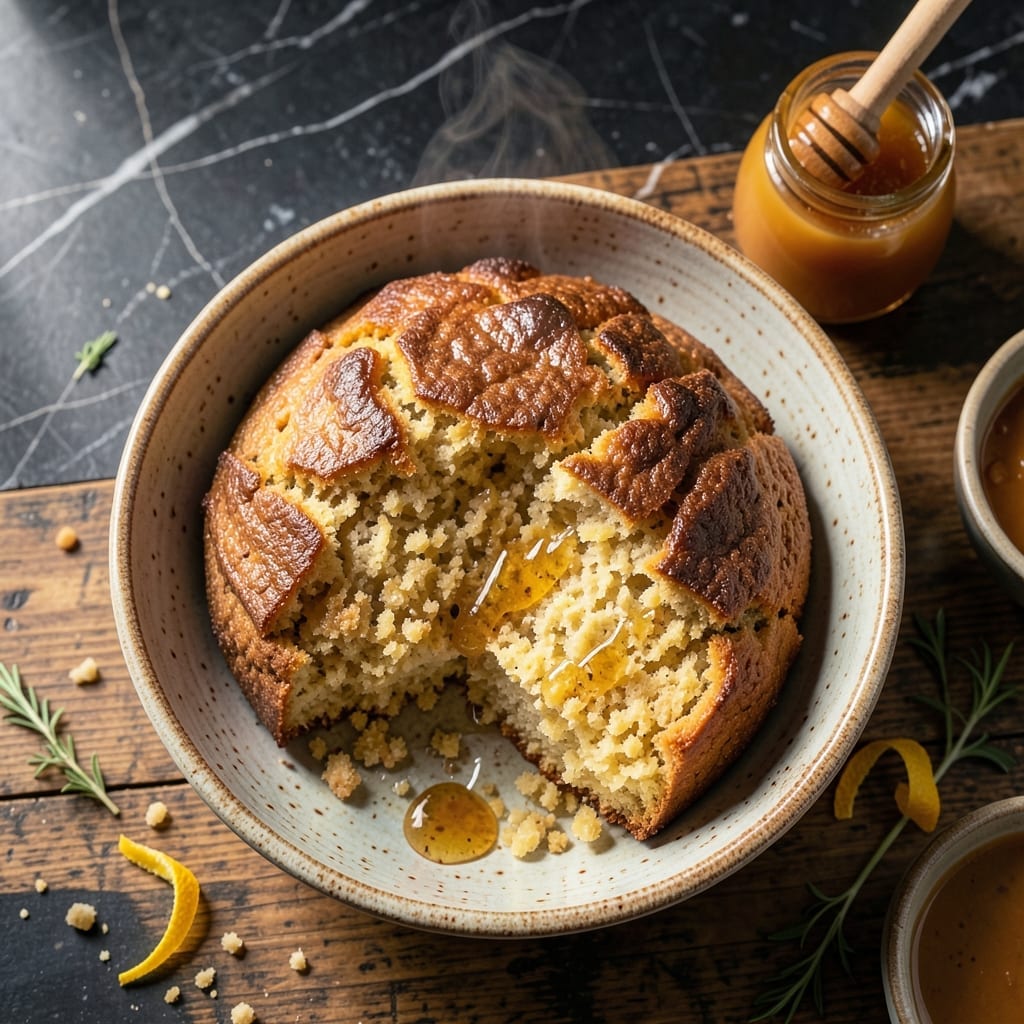
This polenta-based cornbread delivers a rustic golden crumb with Italian character. The coarse cornmeal adds texture while maintaining the classic tender interior we love.
It bakes to a perfectly crisp top with a moist center, proving that traditional flavors can benefit from modern twists. The oven does most of the work.
Ingredients for Corn Bread Recipe Using Polenta
Polenta brings that rustic texture while classic ingredients keep it familiar and delicious.
| Ingredient | Amount | Notes |
|---|---|---|
| Polenta 🌽 | 1 ½ cups | Coarse ground cornmeal |
| All-Purpose Flour 🌾 | 1 cup | Unbleached preferred for texture |
| Baking Powder 🧂 | 1 tbsp | Aluminum-free for best rise |
| Baking Soda 🧂 | ½ tsp | Balances the acidity |
| Salt 🧂 | 1 tsp | Diamond Crystal kosher preferred |
| Large Eggs 🥚 | 2 whole | Room temperature for even mixing |
| Whole Milk 🥛 | 1 ¼ cups | Full-fat for richness |
| Unsalted Butter 🧈 | ½ cup | Melted and cooled slightly |
| Parmesan Cheese 🧀 | ½ cup | Freshly grated from wedge |
| Fresh Rosemary 🌿 | 1 tbsp | Finely chopped for even distribution |
| Garlic Cloves 🧄 | 2 cloves | Minced for aromatic depth |
| Honey 🍯 | 2 tbsp | Local raw for best flavor |
The polenta is key here—Bob’s Red Mill or Anson Mills have the best coarse grind. Look for labels that say ‘polenta’ or ‘coarse cornmeal’ (the good stuff, not the instant kind). I grab mine from Whole Foods bulk bins when I’m making a big batch. The Parmesan should be the real deal—Parmigiano-Reggiano from the specialty cheese case. It’s pricier but worth every bite.
No polenta? Stone-ground cornmeal works in a pinch, but the texture won’t be quite as rustic. Swap milk for buttermilk for extra tang, or use Greek yogurt thinned with water if that’s what you’ve got. For a dairy-free version, almond milk with a splash of vinegar mimics the richness. Fresh herbs not on hand? Dried rosemary at one-third the amount does the trick (just crush it between your fingers first).
This keeps well wrapped at room temperature for 2 days, but it’s best warm from the oven. For longer storage, freeze slices in a zip-top bag for up to 3 months. Reheat in a toaster or oven to revive that crisp top.
Why You’ll Love This Recipe
- One Bowl Wonder: I mix everything right in the same bowl—polenta, flour, and leavening—no extra dishes to wash.
- Crunchy Corn Bite: The polenta gives it this satisfying texture, like little bursts of corn in every bite.
- Breakfast to Dinner: I serve it with honey at breakfast or alongside chili for dinner—totally adaptable.
- Stays Fresh: Honestly, it’s even better the next day toasted with butter.
Step-by-Step Instructions for Corn Bread Using Polenta
Here’s how to create this rustic bread with its signature golden crumb and aromatic Italian notes.
Step 1: Prepare the Wet and Dry Components
In a large bowl, whisk together the 1.5 cups Polenta, 1 cup All-Purpose Flour, 1 tbsp Baking Powder, 0.5 tsp Baking Soda, and 1 tsp Salt. I always sift these dry ingredients first to eliminate lumps and ensure even distribution throughout the batter.
The polenta gives this bread its distinctive texture—coarser than traditional cornmeal but still tender. Set this aside while you prepare the wet ingredients to keep the baking powder active for maximum rise.
Step 2: Combine the Wet Ingredients with Aromatics
In another bowl, beat the 2 whole Large Eggs lightly, then whisk in the 1.25 cups Whole Milk, 0.5 cup Unsalted Butter (melted and cooled), 2 tbsp Honey, minced 2 cloves Garlic Cloves, and finely chopped 1 tbsp Fresh Rosemary. The butter should be warm but not hot—adding it too soon can cook the eggs.
The honey adds subtle sweetness that balances the savory parmesan, while the rosemary and garlic infuse the bread with that unmistakable Italian character. Stir until just combined—overmixing can make the bread dense.
Step 3: Fold Everything Together with Parmesan
Create a well in the center of your dry ingredients and pour in the wet mixture. Using a spatula, gently fold everything together until just combined. The batter will be thick and slightly lumpy—that’s perfect.
Add the 0.5 cup Parmesan Cheese and fold it in. The cheese should be freshly grated so it melts beautifully into the bread, creating pockets of rich, savory flavor. Don’t overwork the batter; a few streaks of flour are fine and will dissolve during baking.
Step 4: Bake to Golden Perfection
Preheat your oven to 375°F and grease a 9-inch cast iron skillet or square baking pan. Pour the batter into the pan and smooth the top with your spatula. The cast iron gives the bread a crisp, golden crust that’s hard to achieve with other pans.
Bake for 25-30 minutes until the top is golden brown and a toothpick inserted in the center comes out clean. If the top browns too quickly, tent with foil. The polenta will give the bread a slightly domed, rustic appearance that’s visually stunning.
Step 5: Cool and Serve Warm
Let the bread cool in the pan for 10 minutes, then transfer it to a wire rack. Slicing too soon can cause it to crumble, but you want to serve it warm to enjoy the full aroma of the rosemary and garlic.
This bread is best enjoyed fresh, with the parmesan still gooey and the crust still crisp. Leftovers keep well for a day or two, lightly toasted to revive the texture. The combination of polenta and parmesan gives it a complexity that’s both comforting and sophisticated.
Pro Tips For Making Corn Bread Recipe Using Polenta
- Pre-Soak the Polenta: I learned this the hard way—dry polenta can leave your cornbread gritty. Cover it in warm water for 10 minutes before mixing, then drain well.
- Check Your Leaveners: After a few flat loaves, I finally realized old baking powder loses its punch. Test yours by dropping a teaspoon in hot water—if it doesn’t bubble vigorously, replace it.
- Don’t Overmix: Stir the batter just until the flour disappears. Overworking it develops gluten, and you’ll end up with tough cornbread instead of tender.
- Use a Hot Pan: Pour the batter into a preheated, greased skillet or baking dish—about 5 minutes in a 400°F oven. This gives you that coveted crisp edge while the inside stays moist.
Storing and Reheating Leftovers
Room Temperature Storage
Let your bread cool completely, then wrap it tightly in aluminum foil or place in an airtight container. It’ll stay fresh at room temperature for up to 2 days. The polenta helps maintain moisture better than regular cornbread. 💡
Refrigerator Storage
For longer freshness, store wrapped slices in the fridge for up to 5 days. I recommend using parchment paper first, then foil, to prevent the crust from getting soggy. The flavors will deepen overnight as the rosemary and parmesan meld together.
Freezer Method
Slice before freezing and wrap individual pieces in plastic wrap, then place in a freezer bag. This bread freezes beautifully for up to 3 months without texture loss. I always label with the date using freezer-safe tape. ❄️
Oven Reheating
Preheat to 350°F and warm wrapped slices for 10-15 minutes. For the whole loaf, cover with foil and heat for 20 minutes. This method restores that coveted crisp crust best. Unwrap for the last 5 minutes to refresh the top.
Toaster Revival
For quick servings, toast individual slices in a toaster oven at medium-high for 3-4 minutes. This works especially well for pre-sliced frozen pieces. Watch closely—the parmesan can brown quickly, adding a delicious nutty flavor.
Microwave Tip
Place a slice on a microwave-safe plate with a damp paper towel on top. Heat on 50% power for 30-second intervals until warm. This prevents the bread from becoming rubbery, though the crust won’t be as crisp.
Frequently Asked Questions
Can I use instant polenta for this recipe?
Instant polenta lacks the coarse texture that makes this bread special. For best results, use coarse-ground polenta or stone-ground cornmeal. The finer grind of instant versions can make your bread dense rather than tender.
Why does my bread turn out dry?
Overbaking is the most common culprit. Pull it from the oven as soon as a toothpick comes out clean, usually at 25-30 minutes at 375°F. Also ensure you’re using full-fat whole milk for moisture.
Can I make this without a cast iron skillet?
Yes! A 9-inch square baking pan works well. Grease it thoroughly and consider lining with parchment for easy removal. The crust may be slightly less crisp than with cast iron.
Nutrition Facts

- BBQ Sausage Recipe Oven: Smoky Depth Without the Grill - September 28, 2026
- BBQ Chicken Bowl Recipe Rice: Smoky Sweetness Over Fluffy Grains - September 28, 2026
- Beef Cutlet Recipe Ideas: Crispy Breaded Patties With Bold Seasonings - September 28, 2026