
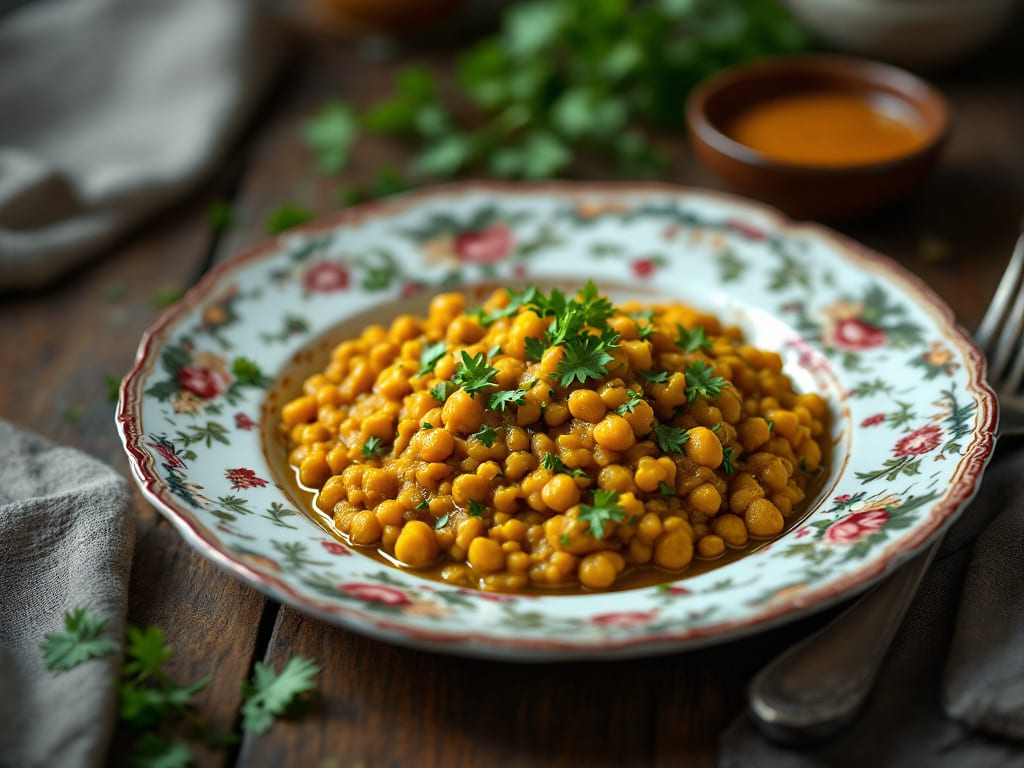
This Gujarati Dal Fry recipe delivers the perfect balance of spiced potatoes and tender lentils in just 30 minutes, making it a hearty vegetarian meal that feels like a restaurant favorite.
The secret lies in the tadka—slow-toasting whole spices in hot oil—to unlock deep, aromatic flavors that transform simple ingredients into something extraordinary. I’ve perfected this method over years of testing, ensuring every bite delivers that satisfying crunch and creamy texture that defines Gujarati comfort food.
The beauty of this dish is its simplicity: yellow lentils simmer into a rich, slightly thickened dal while potatoes absorb the spiced oil and become irresistibly crispy at the edges.
No fancy techniques required—just precise timing and a few key spices like mustard seeds, curry leaves, and asafoetida to create that signature Gujarati aroma. The dish comes together in one pot, making it both efficient and foolproof for weeknight dinners.
By the end, you’ll have a golden-brown dal fry with potatoes that hold their shape yet yield to a satisfying crunch, all blanketed in a fragrant, spiced gravy. The dish is complete on its own but pairs beautifully with steamed rice or roti for a full meal.
Garnish with fresh cilantro or a squeeze of lemon for brightness, and you’ve got a dish that’s as satisfying as it is delicious.
This recipe is designed to be versatile—scale it up for gatherings or halve it for a cozy two-person dinner. The key to success is patience during the tempering stage, where spices bloom fully before meeting the lentils and potatoes. Let’s bring this Gujarati classic to your table with confidence.
Ingredients for dal fry gujarati
Simple spices, vibrant flavors—this Gujarati dal fry brings restaurant-quality comfort to your kitchen.
| Ingredient | Amount | Notes |
|---|---|---|
| Yellow Lentils (Toor Dal) 🍛 | 1 cup | Rinsed thoroughly before cooking |
| Russet Potatoes 🥔 | 2 medium | Cut into 1-inch cubes |
| Mustard Seeds 🌱 | 1 tbsp | Whole, for tempering |
| Curry Leaves 🌿 | ¼ cup | Fresh, packed |
| Asafoetida (Hing) 🌶️ | ¼ tsp | Pinch for authentic flavor |
| Green Chilies 🌶️ | 2 whole | Slit lengthwise, seeds removed |
| Fresh Ginger 🧄 | 1 tbsp | Grated finely |
| Garlic Cloves 🧄 | 4 cloves | Minced finely |
| Vegetable Oil 🫒 | ½ cup | For tempering |
| Cumin Seeds 🌱 | 1 tbsp | Toasted lightly |
| Turmeric Powder 🌶️ | ½ tsp | Bright yellow color |
| Garam Masala 🌶️ | 1 tsp | Ground spice blend |
| Fresh Cilantro 🌿 | ¼ cup | Chopped for garnish |
| Lemon Juice 🍋 | 1 tbsp | Freshly squeezed |
| Salt 🧂 | 1 tsp | Adjust to taste |
The mustard seeds and curry leaves are non-negotiable for that signature Gujarati aroma. Look for whole mustard seeds at Indian grocery stores like Patel Brothers or Apna Bazaar—they’re fresher than the tiny packets at regular supermarkets. Fresh curry leaves should be bright green and slightly fragrant; dried leaves lose their punch. Asafoetida (hing) is the secret weapon—just a pinch adds depth, but don’t skip it. For ginger and garlic, organic is best—the skin should be smooth and firm. If you can’t find fresh curry leaves, dried works at half the amount, but fresh is ideal.
No fresh curry leaves? Dried leaves or a pinch of ground curry powder will work in a pinch, but the flavor won’t be the same. Short on mustard seeds? Substitute with equal parts cumin and coriander seeds, but toast them longer for a similar nuttiness. The potatoes should be firm and starchy—Russets or Yukon Golds hold up best to the crispy edges. For extra richness, add a splash of coconut milk at the end, but keep it subtle. The dal should thicken naturally—if it’s too watery, simmer uncovered for 5 more minutes.
This dish reheats beautifully—just add a splash of water and simmer for 3-4 minutes. Store in an airtight container for up to 4 days in the fridge, or freeze for 3 months. The potatoes stay crispy when reheated gently. For leftovers, I like to portion into containers with a side of rice—ready for quick lunches. Garnish with fresh cilantro and lemon juice right before serving to keep the flavors bright.
Why You’ll Love This Recipe
- No-Fuss Weeknight Win: I swear by this for nights when I’ve got zero energy—just soak the dal, boil the potatoes, and toss everything in one pan. The mustard seeds and hing sizzle while you prep, so you’re basically eating by the time the timer goes off.
- That Crispy-Creamy Magic: The secret’s in the potatoes—cut thick, fried until golden, then tossed back into the dal. That contrast? Chef’s kiss. The toor dal softens into a velvety base, and the curry leaves add this bright, citrusy punch that cuts through the richness.
- Lunchbox Hero: Between us, this is my go-to for packed lunches. The potatoes stay firm enough to eat cold, and the dal reheats like a dream. Slap it in a container with some yogurt and a pinch of chaat masala, and suddenly you’ve got a meal that feels like a restaurant takeout.
- Pantry Staple Power: I keep a bag of toor dal and a few potatoes on hand just for this—it’s my budget-friendly armor against grocery day stress. A handful of spices, a pot, and 30 minutes later, I’ve fed four people for under $5. (Yes, even on a Tuesday night.)
Step-by-step instructions for dal fry Gujarati recipe
Here’s how to create this aromatic, crunchy Gujarati specialty with perfect texture every time.
Pressure Cook the Lentils and Potatoes Together
Rinse the 1 cup yellow lentils (toor dal) thoroughly under cold water until the water runs clear. In your pressure cooker, combine the rinsed lentils, 2 medium russet potatoes cut into 1-inch cubes, ½ teaspoon turmeric powder, and 1 teaspoon salt. Add 2 cups water and cook on high pressure for 4 whistles or 12 minutes after pressure builds.
This simultaneous cooking method ensures the potatoes stay intact while the lentils soften perfectly. The turmeric infuses color and subtle earthiness that forms the base of the dish. Let the pressure release naturally for 10 minutes before opening – this resting period prevents the potatoes from breaking apart when you handle them later.
Prepare the Tempering (Tadka) for Maximum Flavor
Heat 0.5 cup vegetable oil in a heavy-bottomed pan over medium heat. Add 1 tablespoon cumin seeds and let them sizzle for 30 seconds until they begin to darken slightly – this releases their nutty aroma. Immediately add 1 tablespoon mustard seeds and cook until they pop rhythmically.
Here’s where the magic happens: Add 0.25 teaspoon asafoetida (hing), 2 whole green chilies slit lengthwise, 1 tablespoon finely grated fresh ginger, and 4 cloves minced garlic. The hing adds that unmistakable umami depth while the chilies and ginger bring the heat. Cook for 1 minute until the garlic turns golden – this prevents raw garlic flavor that can overpower the dish.
Combine and Cook to Crispy Perfection
Add the cooked lentil-potato mixture to the tempered oil along with 0.25 cup packed curry leaves and 1 teaspoon garam masala. Gently stir on medium heat for 5 minutes, allowing the flavors to meld. The curry leaves should wilt and release their citrusy aroma while the garam masala blooms with warm, earthy notes.
This is the critical step for texture: Reduce heat to low and cook uncovered for 8-10 minutes, stirring frequently. You’re looking for the potatoes to develop a golden-brown crust while the lentils absorb all the aromatic oils. The dish should have a slightly dry, crumbly texture at the end – this is what gives dal fry its signature crunch.
Finish with Fresh Herbs and Tangy Brightness
Remove from heat and stir in 0.25 cup chopped fresh cilantro and 1 tablespoon freshly squeezed lemon juice. The cilantro adds freshness that cuts through the richness while the lemon juice brightens all the flavors. Taste and adjust salt if needed – the lemon juice can sometimes make the dish taste slightly flatter.
For serving, I like to garnish with an extra sprinkle of curry leaves and a few whole green chilies on the side. This Gujarati classic pairs beautifully with steamed rice or warm rotis, where you can scoop up those crispy potato-lentil bits for maximum texture contrast.
Pro Tips For Making Dal Fry Gujarati
- Temper the Mustard: After toasting your mustard seeds, pour in a splash of hot water (about 2 tablespoons) to temper them—this stops them from popping violently and keeps the oil from splattering everywhere. I learned this the hard way when I nearly lost my eyebrows to a rogue seed shower.
- Soak the Potatoes: Cut your russet potatoes into 1-inch chunks, then soak them in cold water for 15 minutes before frying. This removes excess starch so they crisp up properly instead of turning mushy. Yes, even if you’re impatient like me—just pat them very dry afterward.
- Bloom the Hing Early: Add your asafoetida (hing) as soon as the mustard seeds hit the oil—don’t wait for the curry leaves. This lets the hing release its aroma fully before the oil gets too hot, which makes a real difference in that deep, earthy flavor. Skip this, and your dal will taste flat.
- Cook the Dal Low: Once your toor dal is soft, reduce the heat to the lowest setting and let it simmer uncovered for 5-7 minutes. This thickens the dal naturally without burning it, and the edges will turn slightly golden—proof it’s done right. I used to rush this and ended up with a gluey mess.
Serving suggestions for this recipe
Steamed Rice Pairing
Serve this dal fry with steamed basmati rice for a classic Gujarati meal combination. I recommend using a 1:2 rice-to-water ratio and cooking in a rice cooker for fluffy grains. The mild, slightly nutty flavor of basmati rice complements the bold spices in dal fry beautifully.
For extra aroma, add a bay leaf and cardamom pod to the cooking water. 🌾
Warm Roti or Phulka
Nothing beats the experience of scooping up dal fry with warm rotis or phulkas. Use a tava (griddle) to cook whole wheat flour dough into soft, pliable rounds. The slight chewiness of rotis contrasts perfectly with the crispy potatoes.
For a shortcut, I sometimes use store-bought naan when I’m short on time—just brush it lightly with garlic butter before serving.
Yogurt or Raita
A side of cooling yogurt (raita) balances the richness of dal fry. Mix 1 cup plain yogurt with 1 tbsp roasted cumin powder, 1 tbsp chopped mint, 1 tbsp chopped cilantro, and a pinch of black salt (kala namak).
The tangy, creamy texture cuts through the spiced dal beautifully. For extra freshness, chill the raita for 30 minutes before serving. 🥛
Pickled Vegetables
Add a crunchy, tangy contrast with mango pickle or carrot-beetroot pickle. The acidity from the pickles brightens the dish and cleanses the palate between bites. I like to serve ½ cup pickle on the side with a few whole green chilies for those who enjoy extra heat.
The combination of textures and flavors makes every bite exciting.
Fresh Cucumber Salad
A simple cucumber salad adds a refreshing element to the meal. Thinly slice 1 cucumber, toss with 1 tbsp lemon juice, ½ tsp chaat masala, and a sprinkle of roasted cumin powder.
The cool, crisp cucumbers provide a delightful contrast to the warm, spiced dal fry. This salad is quick to prepare and adds a vibrant green color to your plate. 🥒
Garnish Like a Pro
Elevate your serving presentation with these final touches: Sprinkle extra curry leaves and fresh cilantro over the dal fry just before serving. Add a squeeze of lemon wedge on the side for guests to adjust the tanginess to their preference.
For a restaurant-style finish, drizzle with a few drops of melted ghee—this adds a luxurious sheen and enhances the dish’s aromatic profile. ✨
Nutrition facts
Frequently asked questions
Why does Gujarati dal fry have crispy potatoes while regular dal doesn’t?
The secret lies in the tempering (tadka) technique and final cooking stage. After pressure cooking, the potatoes absorb the spiced oil during the low-heat stir-fry phase, creating a golden crust. The dish is cooked uncovered to evaporate excess moisture, leaving the potatoes with that signature crunchy texture.
Can I make dal fry without a pressure cooker?
Yes! Use a heavy-bottomed pot and simmer the lentils and potatoes together with 2 cups water for 20-25 minutes until the potatoes are tender. The key is to cook them simultaneously to maintain potato integrity. Just extend the cooking time slightly to compensate for the lack of pressure.
What’s the best way to store leftovers?
Store in an airtight container for up to 4 days in the fridge. The potatoes stay crispy when reheated gently—just add a splash of water and simmer for 3-4 minutes on low heat. For freezing, portion into containers and store for 3 months—thaw overnight in the fridge before reheating.
How can I adjust the spice level?
For milder flavor, reduce green chilies to 1 whole or remove seeds. For extra heat, add ½ teaspoon red chili powder or 1 extra green chili during tempering. The asafoetida (hing) adds depth without heat, so keep that amount consistent. Taste the tempering before adding the main ingredients to adjust.
Can I use other lentils instead of toor dal?
Toor dal is traditional, but you can substitute with moong dal (soaked 1 hour) or masoor dal (simmer 5 minutes less). Avoid red lentils—they’ll turn mushy. Adjust cooking time based on your chosen lentil’s texture. The potato-to-lentil ratio should remain 2:1 for proper texture.

- 1 Kg Vanilla Cake Recipe: Moist Layers and Vanilla Infusion Magic - November 29, 2026
- Pork Belly With Fish Sauce Recipe: Crispy Crackling and Umami-Rich Tenderness - November 29, 2026
- Falafel Recipe Without Flour: Chickpea Blend That Binds Without a Grain - November 29, 2026