
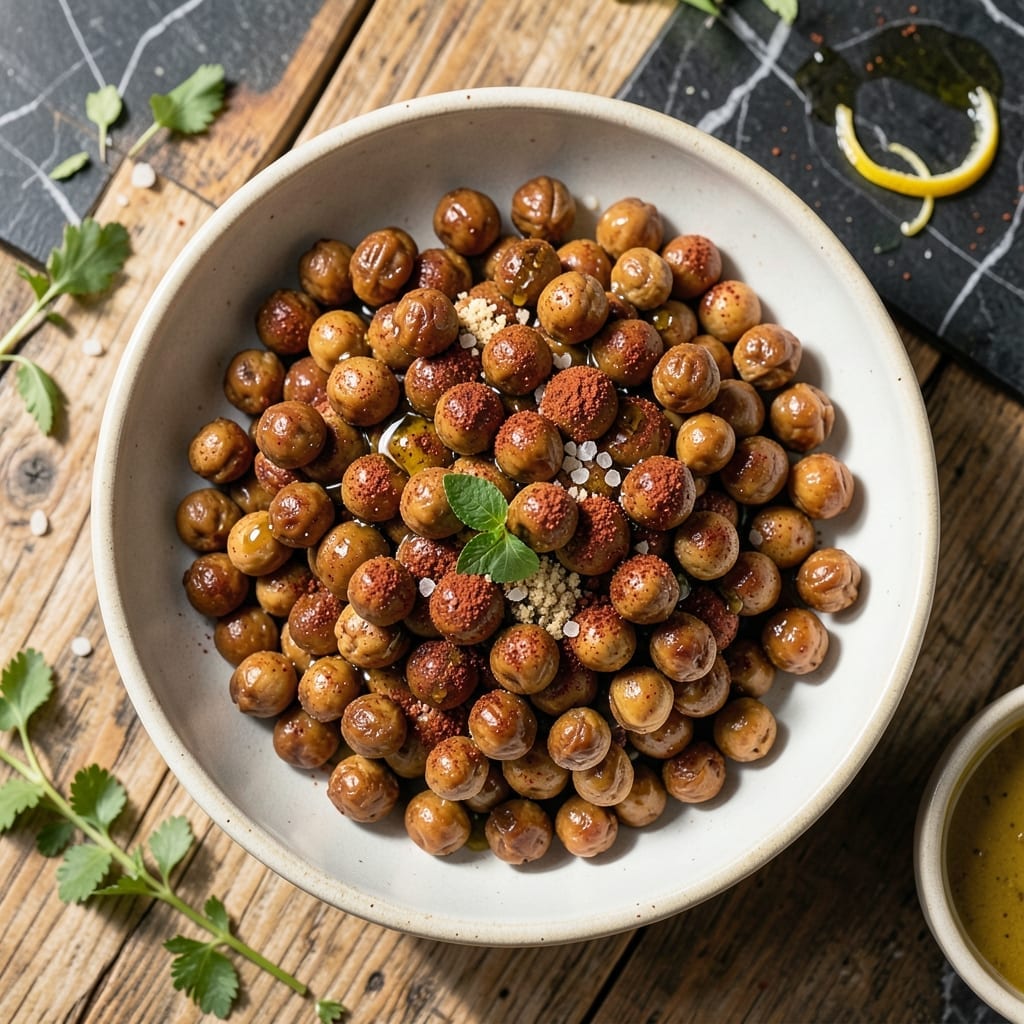
This method transforms humble chickpeas into a crunchy, shelf-stable snack that’s as versatile as it is delicious. Dehydrating brings out their natural nuttiness while creating an irresistible texture.
With just a few simple steps—soaking, seasoning, and drying—you’ll have a protein-packed ingredient ready for salads, soups, or standalone munching. The process takes 8-12 hours at a low temperature to preserve flavor and nutrients.
Unlike canned varieties, these maintain their shape and crispness without added preservatives. They rehydrate beautifully in dishes or stay perfectly crunchy straight from the dehydrator.
Perfect for pantry storage, camping trips, or healthy snacking. This technique ensures consistent results every time.
Ingredients for Dehydrated Chickpeas
Pantry staples and bold spices transform chickpeas into a crisp, shelf-stable delight.
| Ingredient | Amount | Notes |
|---|---|---|
| Dried Chickpeas 🌱 | 2 cups | Rinsed and picked over |
| Water 💧 | 6 cups | For initial soaking |
| Sea Salt 🧂 | 1 tsp | Fine grain for even coating |
| Olive Oil 🫒 | 1 tbsp | Extra-virgin for flavor |
| Garlic Powder 🧄 | 1 tsp | For savory depth |
| Smoked Paprika 🌶️ | 1 tsp | Adds subtle smokiness |
| Ground Cumin 🌿 | ½ tsp | Earthy warmth |
| Onion Powder 🧅 | ½ tsp | Balances flavor profile |
| Cayenne Pepper 🔥 | ¼ tsp | Adjust for heat preference |
| Lemon Juice 🍋 | 1 tbsp | Freshly squeezed for brightness |
| Dried Oregano 🍃 | ½ tsp | Mediterranean herb note |
Dried chickpeas are the foundation—Goya or Bob’s Red Mill are reliable brands with consistent quality. Soaking overnight (or quick-soak method) ensures even rehydration before seasoning. The olive oil should be extra-virgin for maximum flavor impact; avoid refined oils which lack depth. Bulk bins at natural food stores often have the freshest spices for seasoning.
No smoked paprika? Regular paprika plus a pinch of chipotle powder mimics the smokiness. Fresh garlic can replace garlic powder at a 1:3 ratio (1 clove fresh = 1 tsp powder). For heat-sensitive palates, omit the cayenne entirely. Lemon zest can substitute lemon juice if preferred. The seasoning blend is flexible—adjust ratios to taste.
Store dehydrated chickpeas in airtight containers away from light and moisture for up to 1 month at room temperature. For longer storage, refrigerate or freeze in sealed bags for 6 months. They rehydrate quickly in hot water or can be eaten dry as a crunchy snack.
Why You’ll Love This Recipe
- Set and Forget: I just soak the chickpeas overnight, season with salt and garlic powder, then let the dehydrator do all the work.
- Crunchy & Flavorful: The olive oil and garlic powder give these little bites a savory, crispy finish that’s honestly hard to resist.
- Snack or Topping: I toss them on salads, blend into hummus, or eat straight from the jar—so versatile.
- Pantry Staple: One batch lasts weeks, and dried chickpeas cost pennies compared to canned. I’ll be real: it’s saved me a ton.
Step-by-Step Instructions for Dehydrated Chickpeas
Here’s the method. Straightforward, tested, works every time.
Step 1: Soak and Prepare the Chickpeas
Begin by rinsing the 2 cups Dried Chickpeas thoroughly under cold water to remove any debris. Then, place them in a large bowl and cover with the 6 cups Water by at least 2 inches. Let them soak at room temperature for 8-12 hours or overnight.
After soaking, drain and rinse the chickpeas again. This step ensures they rehydrate evenly and reduces cooking time. Proper soaking also helps achieve a consistent texture in the final dehydrated product, preventing some pieces from being too hard or too soft.
Step 2: Cook Until Tender but Firm
Transfer the soaked chickpeas to a pot and cover with fresh water. Bring to a boil, then reduce heat to maintain a gentle simmer. Cook for 45-60 minutes until the chickpeas are tender but still hold their shape when pressed between your fingers.
Drain the chickpeas and spread them on a clean kitchen towel to remove excess moisture. They should be fully cooked but not mushy, as they’ll continue to dry out during the seasoning and dehydration process. This balance ensures the final snack has the right crispness.
Step 3: Season Thoroughly for Maximum Flavor
In a large bowl, combine the cooked chickpeas with the 1 tbsp Olive Oil, 1 tbsp Lemon Juice, 1 tsp Sea Salt, 1 tsp Garlic Powder, 1 tsp Smoked Paprika, 0.5 tsp Ground Cumin, 0.5 tsp Onion Powder, 0.25 tsp Cayenne Pepper, and 0.5 tsp Dried Oregano. Toss until every chickpea is evenly coated.
The olive oil helps the spices adhere, while the lemon juice adds brightness to balance the smoky and earthy flavors. I always taste one at this stage to adjust seasoning if needed, though the flavors will intensify slightly during dehydration.
Step 4: Dehydrate to Crispy Perfection
Arrange the seasoned chickpeas in a single layer on dehydrator trays, ensuring they don’t touch each other. Set your dehydrator to 135°F and let them dry for 8-12 hours, checking periodically after the 6-hour mark.
They’re done when completely dry to the touch and crispy throughout. If using an oven, set it to the lowest temperature (ideally 170°F or lower) and prop the door open slightly for airflow. The exact time depends on your equipment and humidity levels, so start checking at 8 hours.
Step 5: Cool and Store for Long Shelf Life
Once fully dehydrated, let the chickpeas cool completely on the trays. This prevents condensation from forming in your storage container, which could lead to spoilage. They should be crisp and dry, with no moisture remaining.
Transfer to an airtight container and store in a cool, dark place. Properly dehydrated chickpeas will keep for 2-3 weeks at room temperature or up to 3 months in the freezer. The texture should remain consistently crunchy, making them a perfect snack or salad topping.
Pro Tips For Making Dehydrated Chickpeas
- Soak Overnight: I learned this the hard way—dried chickpeas need at least 8 hours in water to soften properly, or they’ll stay tough even after dehydrating.
- Pat Them Dry: After soaking, drain and pat the chickpeas thoroughly with a towel—any moisture left will slow down the dehydrating process.
- Even Spacing: Spread chickpeas in a single layer on the dehydrator tray with space between them, or they’ll steam instead of crisp up.
- Test for Crunch: Start checking at 6 hours—if they’re not snapping when cooled, give them another hour; I used to pull them too early and ended up with chewy bits.
Wine and Beer Pairings for This Dish
Crisp White Wines
A dry Sauvignon Blanc from New Zealand cuts through the chickpeas’ earthiness with its bright citrus and herbaceous notes. I love how the acidity refreshes your palate between crunchy bites. Serve chilled at 45-50°F for best results. 🍷
Light-Bodied Reds
For red wine lovers, try a Pinot Noir from Oregon—its red fruit flavors and silky tannins complement the smoky paprika without overpowering. The subtle earthiness of the wine mirrors the cumin in the seasoning blend beautifully.
Wheat Beers
A German Hefeweizen with its banana and clove esters pairs surprisingly well with these spiced chickpeas. The beer’s natural effervescence cleanses your palate. Look for Paulaner or Weihenstephaner brands.
Crisp Lagers
An ice-cold Pilsner like Warsteiner or Stella Artois offers a clean, refreshing contrast to the bold spices. The carbonation enhances the crunchiness of the chickpeas. Chill to 38-40°F for optimal crispness. ❄️
Fruit-Forward Rosés
A dry Provence rosé with strawberry and melon notes balances the heat from the cayenne. The wine’s minerality highlights the sea salt in the seasoning. Serve at 50-55°F to appreciate its full flavor profile.
Non-Alcoholic Option
For a zero-proof pairing, try a sparkling lemonade with a sprig of rosemary. The citrus complements the lemon juice in the chickpeas, while the herbs echo the oregano. I make mine with fresh Meyer lemons for extra sweetness.
Nutrition Facts
Frequently Asked Questions
Do I need to cook chickpeas before dehydrating?
Yes, always cook them first until tender but still firm. This ensures even drying and prevents hard centers. Skipping this step may result in uneven texture.
Can I use canned chickpeas instead?
You can, but rinse and drain them thoroughly first. Pat dry to remove excess moisture before seasoning. Canned versions may dehydrate slightly faster.
How do I know when they’re fully dehydrated?
They should be completely dry to the touch and crisp when cooled. If they bend instead of snap, they need more time. Check after 8 hours at 135°F.
What’s the best way to store them?
Keep in an airtight container in a cool, dark place. For longest shelf life, add a silica packet to absorb any residual moisture.

- BBQ Sausage Recipe Oven: Smoky Depth Without the Grill - September 28, 2026
- BBQ Chicken Bowl Recipe Rice: Smoky Sweetness Over Fluffy Grains - September 28, 2026
- Beef Cutlet Recipe Ideas: Crispy Breaded Patties With Bold Seasonings - September 28, 2026