
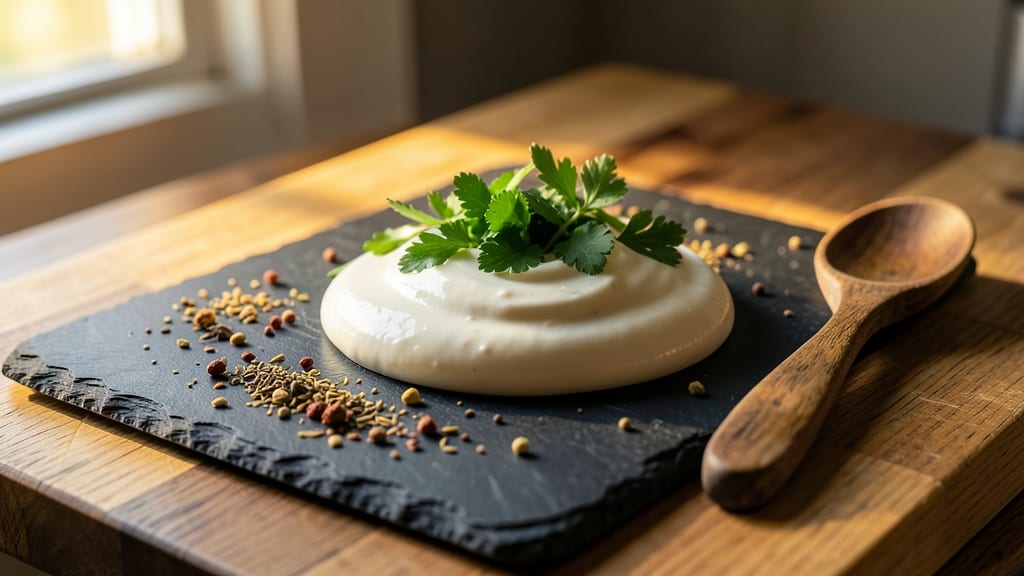
Dewey’s white sauce recipe delivers that signature velvety creaminess that pairs perfectly with celery-topped cheese twists and elevates countless dishes. This classic roux-based sauce is the foundation of comfort food, offering a rich, smooth texture that transforms simple meals into something extraordinary.
The secret lies in balancing butter, flour, and milk to create a sauce that’s both versatile and foolproof.
What makes this white sauce special is its simplicity and adaptability. With just a few pantry staples, you can achieve a sauce that’s ideal for mac and cheese, gravies, or as a base for other creamy dishes.
The key is patience—letting the roux cook until golden before gradually whisking in milk ensures a smooth, lump-free finish. Seasoning with salt and pepper to taste allows you to customize it to your preference.
The result is a creamy, velvety sauce that clings beautifully to noodles, coats vegetables, or enhances proteins. Its neutral flavor makes it a perfect canvas for other ingredients, whether you’re adding garlic, herbs, or a splash of lemon juice.
This sauce is the kind of recipe that becomes a staple in your kitchen, ready to transform ordinary meals into something truly special.
Use it as a base for cheese sauces, a topping for baked potatoes, or even a dipping sauce for those classic cheese twists. Once you master this recipe, you’ll find endless ways to incorporate it into your cooking repertoire. Let’s get started on creating this timeless sauce!
Ingredients for dewey’s white sauce
Just eight ingredients transform into Dewey’s signature velvety sauce for cheese twists and beyond.
| Ingredient | Amount | Notes |
|---|---|---|
| Unsalted Butter 🧈 | ½ cup | Cold, cubed for even cooking |
| All-Purpose Flour 🌾 | ½ cup | Sifted for smooth texture |
| Whole Milk 🥛 | 2 cups | Room temperature preferred |
| Salt 🧂 | ½ tsp | Kosher or sea salt |
| Ground Black Pepper 🌶️ | ¼ tsp | Freshly ground preferred |
| Garlic Powder 🧄 | ½ tsp | For subtle depth (optional) |
| Dried Parsley Flakes 🌿 | ¼ tsp | For fresh finish (optional) |
| Lemon Juice 🍋 | 1 tbsp | Freshly squeezed for brightness |
The butter and flour are your foundation—don’t rush the roux. European-style butter from Land O’Lakes or Plugrá adds richness, but any good unsalted works. The flour? King Arthur or Bob’s Red Mill are my go-tos for smoothness. Cook the roux until it’s golden and smells nutty—about 3-5 minutes—or you’ll end up with a floury mess. Room-temperature milk blends easier, but cold milk works in a pinch. Pro tip: whisk vigorously when adding milk to avoid lumps.
No butter? Olive oil works in a bind, though it won’t be as rich. Skipping the garlic powder? Fresh minced garlic at half the amount adds more punch. The parsley flakes are optional but give that classic Dewey’s touch—Trader Joe’s sells them pre-measured for convenience. Lemon juice brightens the sauce, but white wine or apple cider vinegar works too. For extra creaminess, stir in 2 tbsp sour cream at the end. Want it thicker? Add milk 1 tbsp at a time. Thinner? Warm it gently.
This sauce keeps for 5 days in the fridge, sealed tightly. Reheat gently over low heat, stirring often—microwaving makes it grainy. Freezes beautifully for up to 3 months; thaw in the fridge overnight. I like to make a double batch and freeze half. The first time I made this, I drizzled it over baked celery-topped cheese twists and—well, let’s just say it became an instant favorite. Store leftovers in a jar for quick dipping or tossing with noodles later.
Why You’ll Love This Recipe
- Five-Ingredient Magic: I swear, this sauce is the culinary equivalent of a warm hug—just butter, flour, milk, salt, and pepper. That’s it. No fancy ingredients, no stress, and somehow, it still tastes like you slaved over it.
- Velvet Smoothness: The moment that roux hits the milk? Pure satisfaction. It’s rich but not heavy, creamy without being greasy, and that whisper of pepper ties it all together—like a secret handshake between your taste buds.
- Leftovers That Shine: Make a double batch and thank me later. This sauce keeps beautifully in the fridge for days, perfect for tossing with pasta, drizzling over veggies, or even slathering on sandwiches. (Yes, even on a Tuesday night.)
- Budget-Friendly Luxury: Butter and milk are pantry staples, and flour? Cheap as dirt. For what tastes like a restaurant-quality sauce, this is the most economical upgrade you’ll ever make—no guilt, just flavor.
Step-by-step instructions for Dewey’s white sauce
This classic sauce comes together faster than you think—just follow these simple steps.
Melt the Butter Over Medium Heat
Place a medium saucepan over medium heat and add the 0.5 cup unsalted butter, cubed. Let it melt completely, swirling occasionally, until it’s fully liquid and begins to foam gently. You’ll know it’s ready when the butter stops bubbling vigorously and looks smooth throughout.
This is where the flavor foundation builds. Don’t rush this step—if you see browned bits forming, reduce the heat slightly to prevent burning. The butter should be hot enough to cook the flour thoroughly but not so hot it burns before the flour gets a chance to toast.
Whisk in the Flour to Create a Roux
Immediately after the butter melts, sprinkle in the 0.5 cup all-purpose flour all at once. Using a whisk, stir constantly for 2-3 minutes until the mixture turns a light golden brown color. This creates what’s called a roux—the flavor base of your sauce.
You’re looking for a color that’s between pale blonde and light tan. If it gets darker than that, you’ve overcooked it, and the sauce will taste bitter. Keep whisking vigorously to prevent lumps from forming. The flour should be fully incorporated and smooth by the time it reaches this golden stage.
Gradually Add the Milk
With the heat still at medium, begin adding the 2 cups whole milk very slowly—about ¼ cup at a time—whisking constantly after each addition. This gradual approach prevents lumps from forming in your sauce. Once you’ve added about half the milk, you can increase to a steady stream while continuing to whisk.
Here’s the thing—don’t walk away. The sauce needs constant attention during this phase. You want to see the milk fully incorporate and create a smooth, thick consistency. If you notice any lumps forming, immediately whisk more vigorously or use a rubber spatula to break them up.
Simmer Until Thickened
Continue cooking the sauce over medium-low heat, stirring frequently with a wooden spoon, for about 5-7 minutes until it thickens enough to coat the back of a spoon. You’ll see the sauce go from a thin liquid to a velvety, creamy consistency. This is where patience pays off—don’t rush this step or your sauce will be too thin.
Occasionally taste the sauce as it thickens. It should be smooth and rich but not overly thick. If it’s too thick, you can thin it with a splash of milk later. The sauce should coat your spoon but still flow off easily. This is the perfect texture for dipping cheese twists or topping celery.
Season and Finish with Lemon
Remove the sauce from heat and stir in the 0.5 tsp salt, 0.25 tsp ground black pepper, 0.5 tsp garlic powder, and 0.25 tsp dried parsley flakes. Then add the 1 tbsp lemon juice and give it one final stir. The lemon juice brightens the flavors and cuts through the richness of the butter and milk.
Let the sauce sit for 2-3 minutes off the heat before serving. This resting time allows all the flavors to meld together. Taste again and adjust seasoning if needed—you might want to add a pinch more salt or a squeeze of extra lemon juice to suit your preference.
Pro Tips For Making Dewey’S White Sauce
- STIR CONSTANTLY, NO EXCUSES: Whole milk and butter don’t play nice when left to their own devices—lumps form faster than you can say “burnt roux.” Use a wooden spoon and keep that arm moving in steady circles. I learned this the hard way when my first batch looked like cottage cheese curds.
- MEASURE FLOUR BY WEIGHT: That “1/4 cup” on your recipe card? Spoon it in, then level it off—unless you want a sauce that’s either gluey or grainy. A kitchen scale makes this foolproof. (Yes, even if you’re impatient like me.)
- LOW AND SLOW, NOT RUSHED: Cranking the heat to medium-high for speed? That’s how you end up with a sauce that tastes like flour. Keep it at a gentle simmer—tiny bubbles, not a full boil—and let it cook for at least 5 minutes after the raw flour taste disappears.
- SALT THE MILK FIRST: Tossing salt in at the end? You’re missing flavor. Warm the milk slightly, then add a pinch of salt before combining it with the butter-flour mix. It’ll make the sauce richer without overpowering it—trust me, your taste buds will notice.
Storing and reheating this recipe
Refrigerator Storage
Store your white sauce in an airtight container—I use glass jars with snap-on lids—to keep it fresh for up to 5 days. The sauce thickens slightly when chilled, so give it a quick stir and warm it gently before using.
Always let it cool completely before sealing to prevent condensation, which can dilute the flavor. 🥫
Freezer Preparation
For longer storage, portion the sauce into freezer-safe glass jars or silicone molds, leaving ½-inch headspace for expansion. Label with the date—it stays good for 3 months at 0°F or below.
Thaw overnight in the fridge for the best texture, or use the microwave on low power in 30-second bursts, stirring between each interval to prevent graininess.
Reheating Methods
For stovetop reheating, transfer the sauce to a saucepan and warm over low heat, stirring constantly with a wooden spoon to prevent scorching. Add 1-2 tbsp milk or water if it thickens too much.
I avoid microwaving because it can make the sauce lumpy—the uneven heating creates texture issues. Always reheat to 165°F for safety, especially if you’re adding it to hot dishes like mac and cheese. 🔥
Reviving Thickened Sauce
If your sauce separates or thickens too much after storage, simply whisk in 1 tbsp milk at a time until you reach the desired consistency. For a richer texture, stir in 1 tbsp sour cream or cream cheese while reheating.
Avoid adding cold milk directly—it can cause the sauce to curdle due to temperature shock. A splash of lemon juice can also help restore brightness if flavors seem dull after freezing.
Portioning for Convenience
I like to divide the sauce into small batches—about 1 cup portions—so I can grab just what I need for dipping cheese twists or tossing with noodles. Use ice cube trays for single-serving portions, then transfer the frozen cubes to a freezer bag.
This way, you can thaw just one serving without defrosting the whole batch. Perfect for quick meals when you’re short on time! ⏰
Sauce Consistency Tips
If your reheated sauce is too thick, thin it with warm milk (never cold) and stir vigorously. For extra creaminess, whisk in 1 tbsp heavy cream at the end. If it’s too thin, simmer uncovered for 2-3 minutes to reduce it naturally.
The key is patience—rushing reheating leads to lumps or uneven textures. Always taste as you go to adjust seasoning, especially salt and lemon, which can mellow during storage. 💡
Nutrition facts
Frequently asked questions
Can I make this sauce without butter?
Yes! For a lighter version, substitute the butter with ½ cup olive oil or vegetable oil. However, the sauce will have a different flavor profile—oil-based roux won’t be as rich. If you want to keep it dairy-free, use unsweetened almond milk instead of whole milk, but the texture may be slightly thinner.
Why did my sauce turn out grainy?
Graininess usually happens when lumps form during milk addition or reheating. To fix it, whisk vigorously or use an immersion blender to smooth it out. For prevention, add milk very slowly while whisking constantly, and avoid microwaving—always reheat on the stovetop over low heat. Stirring constantly prevents lumps from forming.
What are the best uses for this white sauce?
This versatile sauce is perfect for dipping celery-topped cheese twists, tossing with mac and cheese, or drizzling over baked potatoes. It also works as a base for creamy soups, gravies, or even a rich pasta sauce. For extra flavor, stir in garlic powder, onion powder, or a pinch of nutmeg before serving.
Can I make this sauce ahead of time?
This sauce actually tastes better the next day as the flavors meld. Store it in an airtight container in the fridge for up to 5 days or freeze for 3 months. When reheating, warm it gently over low heat and stir in 1 tbsp milk if it thickens too much. Avoid microwaving to prevent graininess.
How do I adjust the thickness of the sauce?
If your sauce is too thick, whisk in warm milk 1 tbsp at a time until it reaches your desired consistency. For extra creaminess, stir in 1 tbsp sour cream or heavy cream at the end. If it’s too thin, simmer uncovered for 2-3 minutes to reduce it naturally. Always taste as you go!

- Falafel Recipe Without Flour: Chickpea Blend That Binds Without a Grain - November 29, 2026
- Baked Breaded Eggplant Recipe: Crispy Parmesan-Crusted Perfection - November 29, 2026
- Deep Fried Donuts Recipe: Crispy Shells and Pillowy Cores - November 29, 2026