
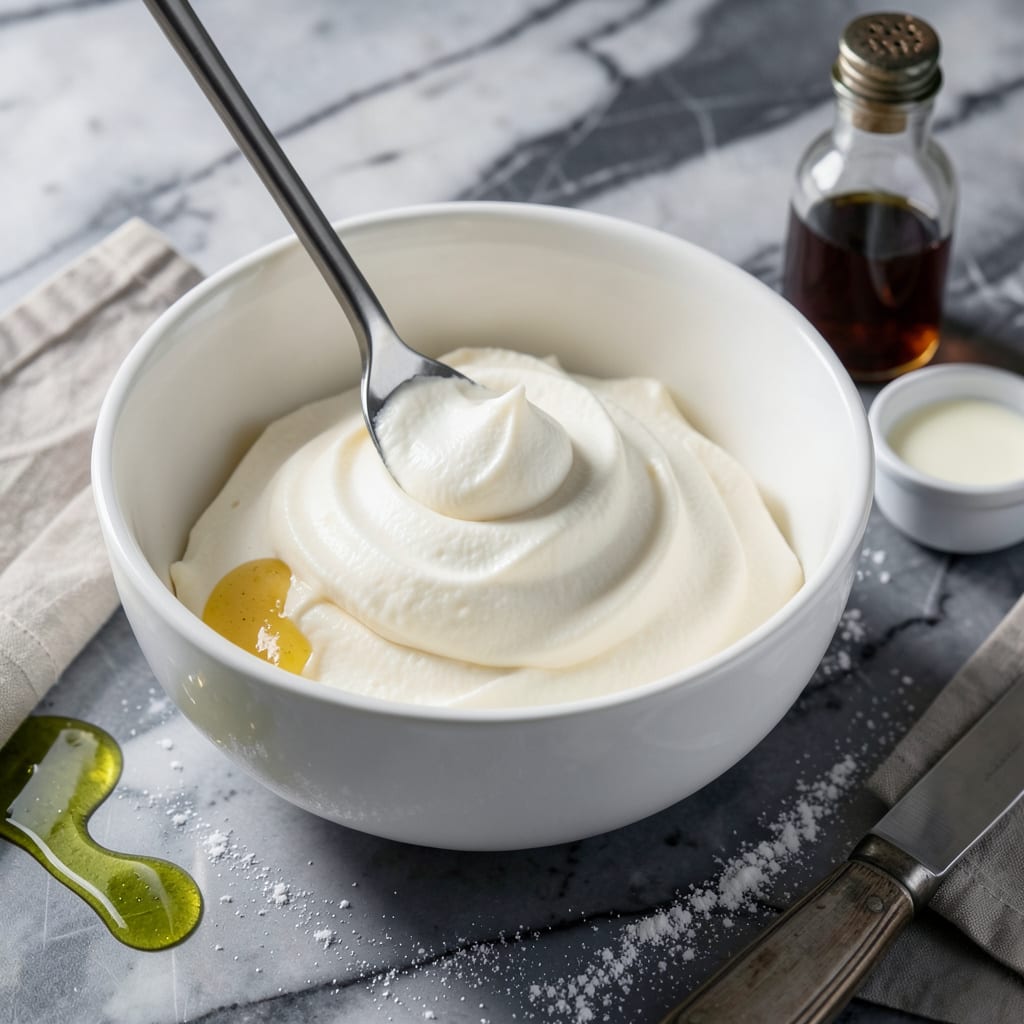
This buttercream delivers perfect results every time, with a texture so smooth it pipes like a dream. The secret lies in the precise ratio of butter to powdered sugar and a critical creaming technique.
You’ll achieve a light, fluffy frosting that holds its shape yet spreads effortlessly. It’s the ideal base for cakes, cupcakes, or decorative piping work.
Ingredients for Domino Buttercream Frosting
Six simple ingredients blend into the smoothest, most pipeable frosting you’ve ever made.
| Ingredient | Amount | Notes |
|---|---|---|
| Unsalted Butter 🧈 | 1 cup | Room temperature, softened |
| Powdered Sugar 🍚 | 4 cups | Sifted for smoothness |
| Whole Milk 🥛 | ¼ cup | Or heavy cream for richness |
| Pure Vanilla Extract 🌿 | 2 tsp | High-quality for best flavor |
| Salt 🧂 | ¼ tsp | Fine sea salt preferred |
| Heavy Cream 🥛 | 2 tbsp | Optional for extra creaminess |
The butter is critical here. Land O’Lakes or Plugrá are excellent choices—look for at least 80% fat content for stability. It must be truly room temperature (about 68°F), not melted or cold. Powdered sugar quality matters too: Domino or C&H brands dissolve smoothly. Avoid generic brands that can leave a gritty texture.
No whole milk? Heavy cream or half-and-half work perfectly (use the same amount). For a dairy-free version, unsweetened almond milk is a decent substitute. Vanilla options abound—Madagascar bourbon vanilla adds depth, but pure extract is fine. If you’re out of powdered sugar, granulated sugar pulverized in a blender works in a pinch (add 1 tbsp cornstarch per cup).
Store frosting in an airtight container at room temperature for up to 2 days. For longer storage, refrigerate for 1 week or freeze for 3 months. Bring to room temperature and re-whip before using to restore that perfect fluffy texture.
Why You’ll Love This Recipe
- Five Ingredients Only: I love how this comes together with just butter, powdered sugar, milk, vanilla, and a pinch of salt—no fancy shopping required.
- Velvety Smooth: The whipped butter and powdered sugar create this melt-in-your-mouth texture that’s honestly hard to resist.
- Cupcakes or Cake: I’ve used this frosting on everything from birthday cakes to weeknight cupcakes, and it never fails.
- Stays Fresh: Between us, leftovers keep beautifully in the fridge for up to a week, so I can make a big batch ahead.
Step-by-Step Instructions for Domino Buttercream Frosting
Follow my tested method for a frosting that pipes beautifully and tastes even better.
Step 1: Cream the Butter to Light and Fluffy
In a stand mixer fitted with the paddle attachment, beat the 1 cup Unsalted Butter on medium-high speed for 3-4 minutes. You want it to become noticeably pale and increase in volume—this incorporates air for a lighter texture.
Stop occasionally to scrape down the sides of the bowl with a silicone spatula. The butter should look smooth and glossy, with no visible lumps. If your kitchen is cool, the butter might need an extra minute to reach the right consistency. Don’t rush this step; properly creamed butter is the foundation of smooth frosting.
Step 2: Gradually Incorporate the Powdered Sugar
With the mixer on low speed, add the 4 cups Powdered Sugar one cup at a time. Allow each addition to fully incorporate before adding the next. This prevents a cloud of sugar dust and ensures even mixing.
After all the powdered sugar is added, increase the speed to medium and beat for 2 minutes. The mixture will look dry and crumbly at first, but it will come together into a thick, pale base. If it appears too dry, resist the urge to add liquid yet—the next steps will balance the texture.
Step 3: Add Flavor and Thin to Desired Consistency
Pour in the 0.25 cup Whole Milk, 2 tsp Pure Vanilla Extract, and 0.25 tsp Salt. Mix on low speed until just combined. Then, increase to medium-high speed and beat for an additional 2-3 minutes until smooth.
At this point, assess the consistency. For a stiffer frosting ideal for piping decorations, it should hold its shape when tested. If it’s too thick, add the 2 tbsp Heavy Cream one tablespoon at a time, mixing for 30 seconds after each addition. The frosting should be silky and spreadable but not runny.
Step 4: Final Whip for Perfect Texture
Once you’re happy with the consistency, beat the frosting on high speed for 1-2 minutes. This final whipping step incorporates maximum air, giving the frosting a light, fluffy texture that pipes effortlessly and holds its shape.
Watch for visual cues: the frosting should look glossy and leave a slight peak when you lift the paddle. If it appears grainy, the powdered sugar wasn’t fully sifted or dissolved—keep mixing until smooth. Taste and adjust with a pinch more salt if needed, but avoid adding more liquid at this stage.
Pro Tips For Making Domino Buttercream Frosting
- Soften the Butter: Pull your unsalted butter out 1-2 hours before starting—it should dent when pressed but not be greasy. I learned this the hard way after ruining two batches with melted butter.
- Sift the Sugar: Always sift your powdered sugar first, even if it looks fine. My grandmother swore by this, and it prevents those annoying lumps in the final frosting.
- Add Milk Slowly: Pour the whole milk in 1 tablespoon at a time while mixing. After adding too much at once early on, I ended up with a runny mess more than once.
- Use Real Vanilla: Skip the imitation stuff and use pure vanilla extract—about 1 teaspoon makes a real difference in flavor. Sounds obvious, but it’s the thing that matters most for that classic taste.
Regional Styles of These Flavors
Southern Style
In the South, we often add a touch of corn syrup (1 tbsp) to our buttercream for extra shine and a slightly chewier texture. This small addition makes the frosting hold up better in humid weather, which is crucial for outdoor picnics and potlucks. 💛
French Influence
For a French twist, replace 1 cup of powdered sugar with confectioners’ sugar mixed with 2 tbsp meringue powder. This creates a stiffer frosting perfect for intricate piping work, similar to what you’d find in a Parisian patisserie.
Midwestern Tradition
Midwestern bakers often use shortening (½ cup) alongside butter for a more stable frosting that can withstand temperature fluctuations. This is especially popular for sheet cakes at family gatherings.
West Coast Variation
On the West Coast, there’s a preference for lighter frostings. Replace ¼ cup of milk with coconut milk and add 1 tsp coconut extract for a tropical twist that pairs beautifully with citrus cakes.
Northeastern Approach
In the Northeast, especially for wedding cakes, bakers often add 1 tbsp instant pudding mix (vanilla or white chocolate) to their buttercream. This creates a firmer frosting that holds intricate designs while maintaining a smooth texture.
Texas Twist
Texas bakers love bold flavors. Add 1 tsp cinnamon and a pinch of cayenne pepper to your frosting for a Mexican chocolate-inspired variation that’s becoming increasingly popular at local bakeries. 🔥
Nutrition Facts
Frequently Asked Questions
Why does my frosting look grainy?
Graininess usually means the powdered sugar wasn’t fully dissolved. Beat on high speed for 2-3 minutes more. Ensure you sifted the sugar first and used room temperature butter.
Can I use salted butter instead?
Yes, but reduce added salt to ⅛ teaspoon. Salted butter works, though unsalted lets you control the salt level precisely. The flavor difference is minimal for most recipes.
How do I fix frosting that’s too runny?
Add more powdered sugar, ¼ cup at a time, until it reaches piping consistency. Chill for 15 minutes if needed, then re-whip. Avoid adding too much liquid initially.

- BBQ Sausage Recipe Oven: Smoky Depth Without the Grill - September 28, 2026
- BBQ Chicken Bowl Recipe Rice: Smoky Sweetness Over Fluffy Grains - September 28, 2026
- Beef Cutlet Recipe Ideas: Crispy Breaded Patties With Bold Seasonings - September 28, 2026