
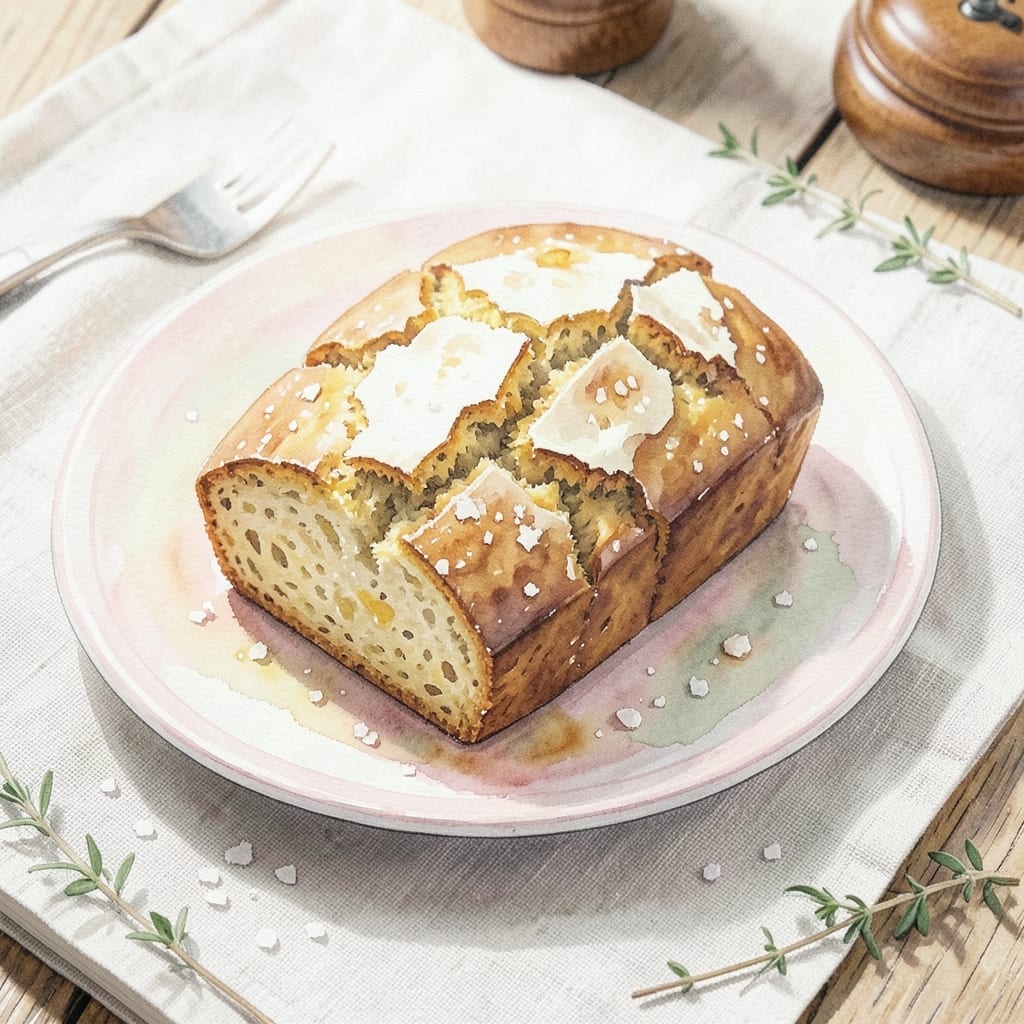
I developed this recipe after realizing cornmeal wasn’t always on hand. Using all-purpose flour and a few simple tricks, you’ll achieve that classic cornbread texture without the traditional ingredient.
The secret lies in the right flour-to-liquid ratio and a touch of baking powder for lift. This method produces a fluffy, slightly sweet bread that pairs perfectly with soups or as a standalone snack.
With just 5 ingredients and minimal prep, this approach delivers consistent results every time. The batter comes together quickly, and the oven does most of the work.
What emerges is golden-brown cornbread with a tender crumb, proving you don’t need cornmeal for authentic flavor. The recipe is vegetarian and ready in under 30 minutes.
Ingredients for Easy Cornbread Recipe Without Cornmeal
Five pantry staples create this fluffy, golden-brown bread in under thirty minutes.
| Ingredient | Amount | Notes |
|---|---|---|
| All-Purpose Flour 🌾 | 2 cups | Sifted for lighter texture |
| Granulated Sugar 🍚 | ⅓ cup | Adjust to taste preference |
| Baking Powder 🧂 | 2 tsp | Ensures proper rise |
| Salt 🧂 | ½ tsp | Fine table salt preferred |
| Large Egg 🥚 | 1 whole | Room temperature for best results |
| Whole Milk 🥛 | 1 cup | Full-fat for richness |
| Unsalted Butter 🧈 | ¼ cup | Melted, for moisture |
The flour is the foundation here. King Arthur or Gold Medal all-purpose flour work best—avoid self-rising as it contains leavening agents. Use a fine-mesh sieve to aerate the flour, which prevents dense cornbread. The baking powder must be aluminum-free for clean flavor. Check the expiration date; old baking powder loses potency and your bread won’t rise properly.
No milk on hand? Buttermilk at the same amount adds tang and tenderness. For a richer bread, swap in half-and-half. Need a dairy-free version? Unsweetened almond milk works, though the texture will be slightly less tender. The sugar can be reduced to two tablespoons if you prefer savory cornbread (or increased to half a cup for a sweeter loaf).
Store leftovers tightly wrapped at room temperature for 2 days or refrigerated for up to 5 days. Reheat slices in a toaster or oven to restore that fresh-baked texture. This bread also freezes well for up to 3 months—slice before freezing for easy portioning.
Why You’ll Love This Recipe
- One Bowl Wonder: I mix everything right in the same bowl—flour, sugar, egg, and all—no extra dishes to wash.
- Sweet & Simple: The sugar caramelizes just enough to give it that classic cornbread sweetness, even without cornmeal.
- Weeknight Sidekick: I throw this together alongside chili or soup when I need something warm and fast.
- Pantry MVP: All-purpose flour means I can make this anytime, no special trips to the store.
Step-by-Step Instructions for Easy Cornbread Without Cornmeal
This straightforward method guarantees a light, fluffy texture using only pantry staples.
Step 1: Prepare the Dry Ingredients
In a large mixing bowl, whisk together the 2 cups All-Purpose Flour, 0.33 cup Granulated Sugar, 2 tsp Baking Powder, and 0.5 tsp Salt. Sifting the flour first ensures a lighter crumb, but whisking vigorously for 30 seconds achieves a similar effect by breaking up any lumps.
This combination creates the base structure while the baking powder provides lift. The sugar adds subtle sweetness that balances the richness of the other ingredients without overpowering the final result.
Step 2: Combine Wet Ingredients
In a separate bowl, melt the 0.25 cup Unsalted Butter and let it cool slightly. Then whisk in the 1 whole Large Egg until fully incorporated. Slowly add the 1 cup Whole Milk while continuing to whisk, creating a smooth, homogeneous mixture.
The melted butter adds moisture and richness, while the whole milk provides additional fat for tenderness. Using room temperature egg ensures it emulsifies properly with the butter, preventing separation or a greasy texture in the finished product.
Step 3: Mix Wet and Dry Components
Pour the wet mixture into the dry ingredients and fold together gently with a silicone spatula. Stir just until the flour is mostly incorporated—about 15-20 strokes. The batter will be slightly lumpy, but resist the urge to overmix.
Overmixing develops gluten, which would result in a dense, tough crumb instead of the desired fluffy texture. The batter should be thick but pourable, similar to pancake batter. If it seems too thick, the flour may have been packed too tightly—add a splash of milk to adjust.
Step 4: Bake Until Golden
Preheat your oven to 375°F. Pour the batter into a greased 8×8-inch baking dish or 9-inch round cake pan. Smooth the top with the spatula, then bake for 20-25 minutes until the edges pull away from the pan and the top is golden brown.
A toothpick inserted into the center should come out clean or with a few moist crumbs. If the top begins browning too quickly, tent loosely with foil for the remaining bake time. The cornbread is done when the center springs back lightly when pressed with a finger.
Let it cool in the pan for 5 minutes before slicing. This brief rest allows the structure to set, making it easier to cut into clean squares. Serve warm for the best texture and flavor.
Pro Tips For Making Easy Cornbread Recipe Without Cornmeal
- Preheat the Pan: I learned this the hard way—always heat your baking pan in the oven for 5 minutes before adding the batter. It gives the cornbread a crisp edge even without cornmeal.
- Whisk the Egg: Beat the egg vigorously for 30 seconds before mixing it in. Sounds weird, but it works: the extra air makes the bread lighter.
- Skip Overmixing: Stir just until the flour disappears. After burning three batches, I finally figured out that overmixing makes the cornbread dense.
- Add a Dash of Vinegar: My grandmother swore by this, and she was right: a tablespoon of vinegar in the wet ingredients boosts the baking powder’s lift.
Essential Equipment for This Dish
Mixing Bowls
I use a set of stainless steel mixing bowls with non-slip bottoms for this recipe. The 1.5-quart size is perfect for whisking the dry ingredients, while a 2-quart bowl handles the wet mixture without splashing. Look for bowls with measurement markings inside for convenience.
Whisk and Spatula
A balloon whisk is ideal for combining both dry and wet ingredients smoothly. For mixing the final batter, I prefer a silicone spatula—it scrapes every last bit from the bowl and folds gently without overworking the gluten. OXO Good Grips makes reliable versions of both.
Baking Pan
An 8×8-inch metal baking dish or 9-inch round cake pan works best for even heat distribution. I avoid glass pans as they can cause the edges to over-brown. Grease yours thoroughly with butter or nonstick spray before adding the batter.
Measuring Tools
Accurate measurements are key for consistent results. I use stainless steel measuring cups for dry ingredients and a liquid measuring cup with clear markings for milk. A kitchen scale is optional but helpful for precise flour measurement.
Cooling Rack
After baking, transfer your cornbread to a wire cooling rack to prevent the bottom from becoming soggy. I wait 5 minutes in the pan first, then move it to the rack. This small step makes a noticeable difference in texture.
Oven Thermometer
For perfect results every time, I recommend an oven thermometer to verify your oven’s actual temperature. Many ovens run 25-50°F off from their settings. Taylor Precision makes an affordable, accurate model that has served me well for years. 💡
Nutrition Facts
Frequently Asked Questions
Can I use self-rising flour instead?
No, self-rising flour already contains leavening agents. Stick with all-purpose flour and add the specified 2 tsp baking powder for proper rise.
Why is my cornbread dense?
Overmixing develops gluten. Fold wet and dry ingredients just until combined—about 15-20 strokes. Lumps are fine and disappear during baking.
Can I make this dairy-free?
Yes! Swap whole milk for unsweetened almond milk and use coconut oil instead of butter. The texture will be slightly less tender but still delicious.
How do I store leftovers?
Wrap tightly and keep at room temperature for 2 days or refrigerate for up to 5 days. Reheat in a toaster or oven to restore freshness.

- BBQ Sausage Recipe Oven: Smoky Depth Without the Grill - September 28, 2026
- BBQ Chicken Bowl Recipe Rice: Smoky Sweetness Over Fluffy Grains - September 28, 2026
- Beef Cutlet Recipe Ideas: Crispy Breaded Patties With Bold Seasonings - September 28, 2026