
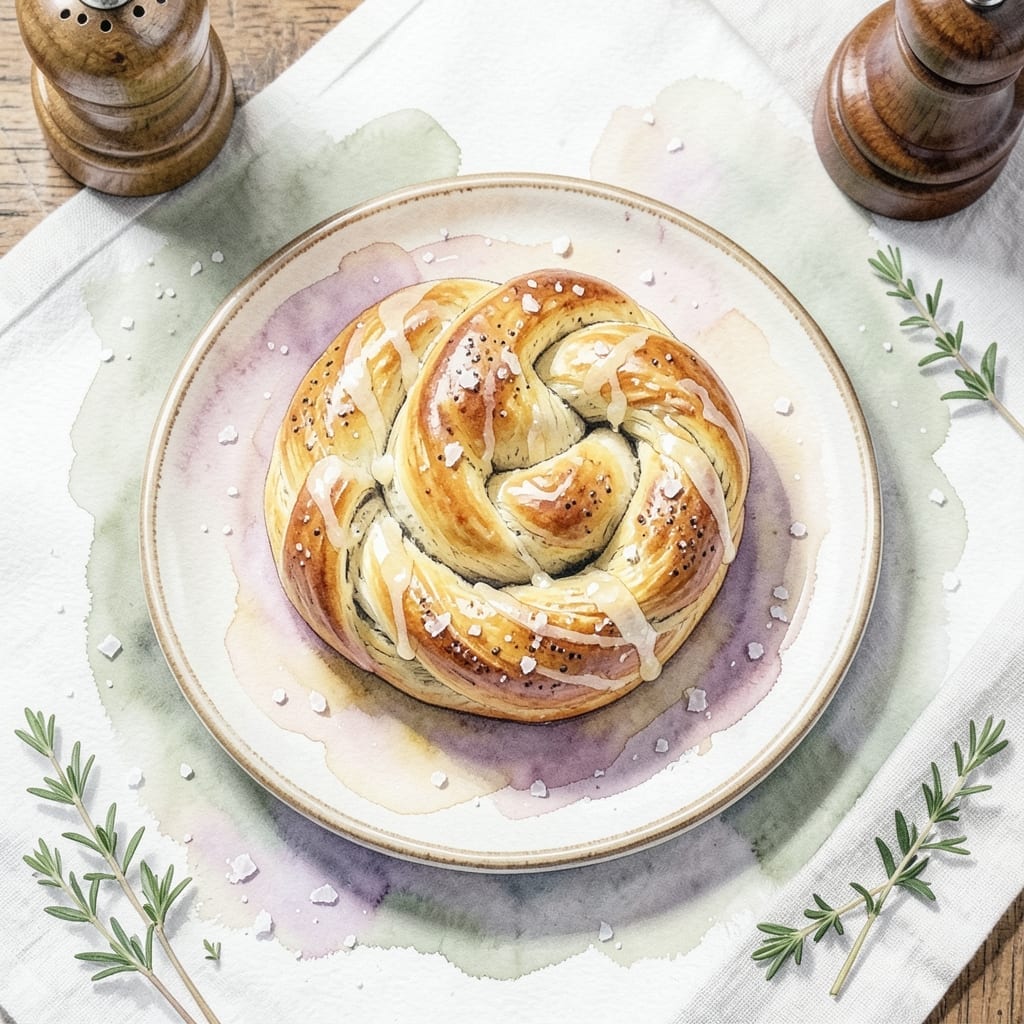
This traditional Easter bread brings Italian heritage to your kitchen with a simple, foolproof method. The braided loaf, enriched with eggs and butter, captures the spirit of spring celebrations in every tender bite.
What makes this recipe special is the citrus zest—lemon and orange—which brightens the sweet dough with a fresh, aromatic touch. The yeast-based dough rises beautifully, creating a light, slightly chewy texture that’s easy to achieve at home.
Once baked, the golden loaf boasts a delicate crumb and a subtle sweetness, perfect for sharing. The braided design isn’t just beautiful; it’s symbolic, making this bread a centerpiece for holiday gatherings.
No advanced skills required—just patience and a few basic ingredients. Let’s begin.
Ingredients for Easy Italian Easter Sweet Bread Recipe with Yeast
A handful of pantry staples and fresh citrus create this festive braided loaf with tender crumb.
| Ingredient | Amount | Notes |
|---|---|---|
| All-Purpose Flour 🌾 | 4 cups | Plus extra for dusting work surface |
| Granulated Sugar 🍚 | ½ cup | Divided for dough and proofing yeast |
| Active Dry Yeast 🍞 | 2 ¼ tsp | One envelope or 7g packet |
| Whole Milk 🥛 | 1 cup | Warm to 110-115°F for yeast activation |
| Unsalted Butter 🧈 | ½ cup | Softened to room temperature |
| Large Eggs 🥚 | 3 whole | Room temperature, divided (2 whole + 1 yolk) |
| Lemon Zest 🍋 | 1 tbsp | Finely grated from fresh lemons |
| Orange Zest 🍊 | 1 tbsp | Finely grated from fresh oranges |
| Vanilla Extract 🌿 | 2 tsp | Pure vanilla for best flavor |
| Salt 🧂 | 1 tsp | Fine sea salt preferred |
| Egg Yolk 🥚 | 1 whole | For egg wash finishing touch |
| Water 💧 | 1 tbsp | For egg wash consistency |
| Pearl Sugar 🍚 | ¼ cup | Optional for decorative topping |
The flour is the foundation—King Arthur or Gold Medal all-purpose deliver consistent results for yeasted doughs. For the citrus, organic lemons and oranges are ideal since you’ll be using the zest (conventional works too, just wash thoroughly). The yeast must be fresh; check the expiration date. I source my yeast from Whole Foods bulk section when possible for optimal activity.
No yeast on hand? Instant yeast at a 1:1 ratio works identically—just skip the proofing step. For dairy-free versions, unsweetened almond milk replaces whole milk beautifully. Out of fresh citrus? Dried lemon or orange peel at one-quarter the amount works in a pinch, though fresh zest provides superior aroma. The butter can be swapped for vegetable shortening if needed.
The dough benefits from a slow first rise in a cool place (65-70°F) for up to 24 hours. Baked loaves keep wrapped at room temperature for 3 days, or freeze for 1 month. Slice before freezing for easy serving later.
Why You’ll Love This Recipe
- One-Bowl Magic: I love that I can mix the flour, sugar, yeast, milk, and butter all in one bowl—no fancy equipment, just my hands and a little patience.
- Buttery Sweetness: The combo of whole milk and unsalted butter gives it that rich, tender crumb that’s just sweet enough without being cloying.
- Holiday or Tuesday: Honestly, I make this for Easter Sunday, but it’s also my sneaky treat with afternoon coffee when the craving hits.
- Budget-Friendly Batch: A few pantry staples and under $5 later, I’ve got a golden loaf that makes the whole house smell like a bakery.
Step-by-Step Instructions for Braided Italian Easter Sweet Bread
This method ensures a tender, fragrant loaf with a golden crust and perfect braid every time.
Step 1: Activate the Yeast and Begin the Dough
In a stand mixer bowl, combine the 0.75 cup Whole Milk warmed to 110°F with the 0.5 cup Granulated Sugar and 2.25 tsp Active Dry Yeast. Let it sit for 5-7 minutes until foamy—this confirms the yeast is active and ready to work.
Add the 0.5 cup Unsalted Butter (melted and cooled to room temperature), 2 whole Large Eggs, 2 tsp Vanilla Extract, 1 tbsp Lemon Zest, 1 tbsp Orange Zest, and 1 tsp Salt. The citrus zests add bright, aromatic depth that defines this traditional bread.
Step 2: Knead the Dough to Smooth Perfection
Attach the dough hook and gradually add the 4 cups All-Purpose Flour, mixing on low until the dough comes together. Increase the speed to medium and knead for 6-8 minutes until the dough is smooth, elastic, and slightly tacky to the touch.
If the dough feels too sticky, resist the urge to add more flour—this bread should be slightly soft. The gluten development during kneading ensures a light, airy texture. You’ll know it’s ready when it pulls away from the bowl and springs back slowly when poked.
Step 3: First Rise Until Doubled in Volume
Lightly grease a large bowl with the 1 tbsp Vegetable Oil and transfer the dough into it, turning once to coat all sides. Cover with a clean kitchen towel and let it rise in a warm, draft-free place for 1.5-2 hours or until doubled in size.
I like to place the bowl in an oven with the light turned on (off heat) for consistent warmth. The dough should look puffy and jiggle slightly when gently shaken. This first rise builds the structure and flavor base for your loaf.
Step 4: Shape, Braid, and Second Rise
Punch down the risen dough to release excess air, then divide it into three equal portions. Roll each portion into a 20-inch rope with tapered ends. Arrange the ropes parallel to each other and cross the right rope over the middle, then the left over the new middle. Repeat this pattern until fully braided.
Transfer the braided loaf to a parchment-lined baking sheet, cover, and let rise for another 45-60 minutes until puffy and nearly doubled. The loaf should spring back slowly when pressed lightly with a finger.
Step 5: Bake to Golden, Fragrant Perfection
Preheat the oven to 350°F. Brush the braided loaf with the remaining 1 whole Large Egg (beaten with 1 tablespoon water) for a glossy finish. Sprinkle with 0.25 cup Pearl Sugar if using for added texture and sweetness.
Bake for 25-30 minutes until the loaf is deep golden brown and sounds hollow when tapped on the bottom. The internal temperature should reach 190-200°F. Let it cool on a wire rack for at least 30 minutes before slicing to allow the structure to set.
Pro Tips For Making Easy Italian Easter Sweet Bread Recipe With Yeast
- Activate Yeast Properly: Proof your active dry yeast in warm (110°F) whole milk with a pinch of sugar for 5-10 minutes until foamy—I learned this the hard way after killing yeast with milk that was too hot.
- Soften Butter Right: Take unsalted butter out 1 hour before starting, or cut into small cubes and microwave in 5-second bursts—cold butter won’t incorporate smoothly into the dough.
- Don’t Rush Rising: Let the dough double in size in a warm spot, about 1-2 hours, even if it seems slow—resist the urge to speed it up, or your bread will be dense.
- Use Room-Temp Eggs: If your recipe includes eggs, take them out with the butter—room-temperature eggs blend more evenly into the dough, which actually changes the texture.
Serving Suggestions for This easy italian easter sweet bread recipe with yeast
Breakfast Presentation
Slice this braided loaf into 1-inch thick pieces and toast lightly for a warm breakfast treat. The citrus zest shines when paired with cream cheese or honey butter. I love serving it with fresh berries for a pop of color and tartness. 💛
Holiday Brunch Spread
Make it the centerpiece of your Easter table by arranging the whole loaf on a wooden board. Surround it with whipped ricotta, jam, and chocolate spread for guests to customize their slices. The pearl sugar topping adds a festive crunch.
Dessert Transformation
Turn leftover slices into a decadent dessert by making French toast. Dip ¾-inch thick slices in an egg-milk mixture, cook until golden, and dust with powdered sugar. The citrus notes elevate the classic dish beautifully.
Gift It Forward
Wrap cooled loaves in cellophane with a pretty ribbon for a thoughtful homemade gift. Include a note with reheating instructions: warm at 300°F for 10 minutes. It’s a sweet way to share the Easter spirit with neighbors or friends.
I always add a small jar of orange marmalade to complement the loaf’s flavors. 💫
Teen-Friendly Snack
Kids love pulling apart the braided sections. Serve warm with a glass of cold milk or hot chocolate for an after-school treat. The slightly sweet dough satisfies without being overwhelming.
Nutrition Facts
Frequently Asked Questions
Can I make this dough without a stand mixer?
Yes! Knead by hand for 10-12 minutes on a floured surface until smooth. The dough will be slightly sticky, so use a bench scraper to help fold and turn it.
Why didn’t my dough rise properly?
Check your yeast expiry date and water temperature—it must be 110-115°F. Also, ensure your rising spot is warm enough (around 75°F). Drafts or cold rooms can slow fermentation significantly.
How do I store leftovers?
Wrap cooled bread tightly in plastic at room temperature for up to 3 days. For longer storage, freeze slices for up to 1 month and reheat at 300°F for 10 minutes.
Can I add raisins or chocolate chips?
Fold in 1 cup of add-ins after kneading. Soak raisins in warm water for 15 minutes first to keep them plump. Avoid overloading the dough.

- BBQ Sausage Recipe Oven: Smoky Depth Without the Grill - September 28, 2026
- BBQ Chicken Bowl Recipe Rice: Smoky Sweetness Over Fluffy Grains - September 28, 2026
- Beef Cutlet Recipe Ideas: Crispy Breaded Patties With Bold Seasonings - September 28, 2026