
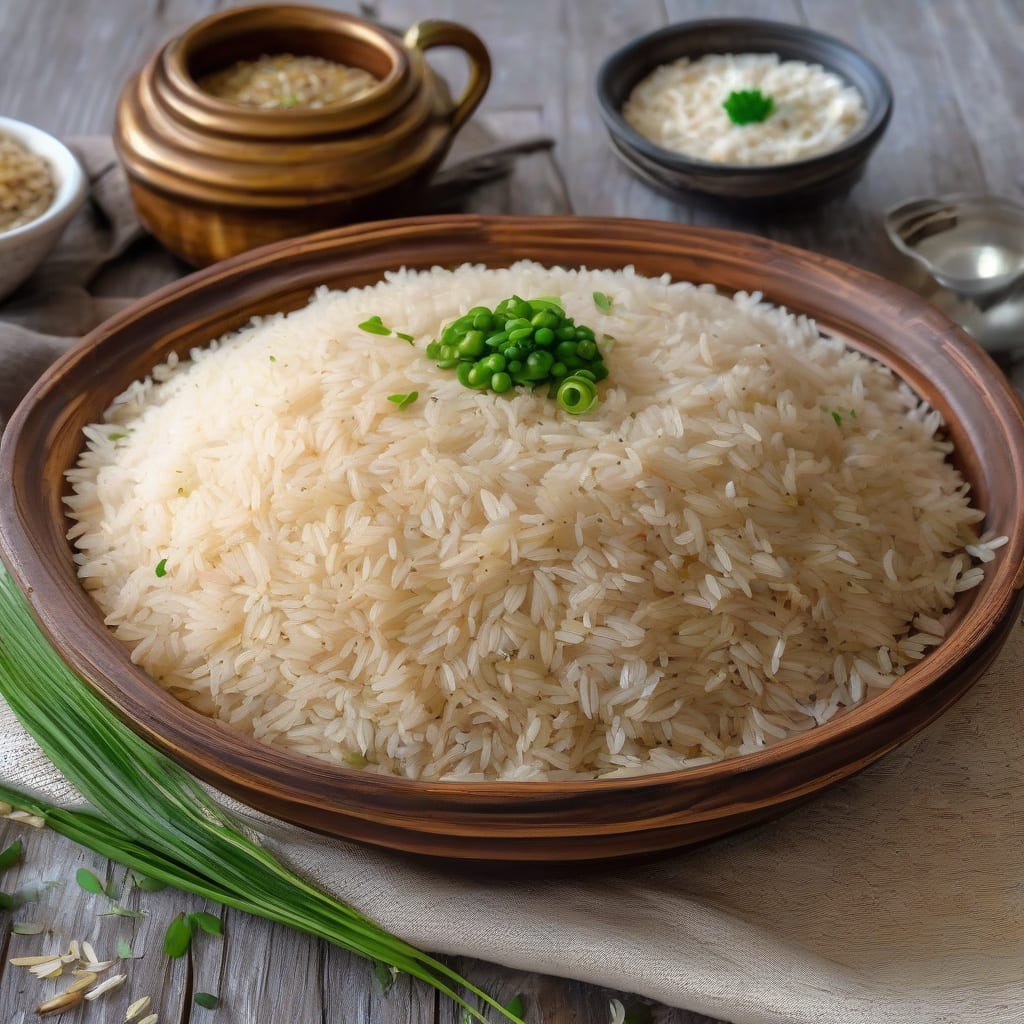
Ethiopian rice is a staple side dish that pairs perfectly with stews and salads. I love making this aromatic recipe as it fills my kitchen with wonderful spices and fragrance, creating an authentic Ethiopian experience.
This traditional dish is easy to prepare and ready in 30 minutes. With simple ingredients and straightforward steps, you’ll achieve flavorful results that complement any meal.
Ingredients for Ethiopian Rice
Simple ingredients create this aromatic Ethiopian rice dish, perfect for any meal.
| Ingredient | Amount | Notes |
|---|---|---|
| Basmati Rice 🍚 | 1 ½ cups | Uncooked, preferably aged |
| Water 💧 | 2 ½ cups | Filtered for best taste |
| Vegetable Oil 🫒 | 2 tbsp | Neutral flavored |
| Onion 🧅 | 1 whole | Finely chopped |
| Garlic Cloves 🧄 | 3 cloves | Minced |
| Ginger 🌿 | 1 tbsp | Grated fresh |
| Cumin Seeds 🌶️ | 1 tsp | Whole seeds |
| Coriander Seeds 🌿 | ½ tsp | Whole seeds |
| Cardamom Pods 🌿 | 4 whole | Green or black |
| Cinnamon Stick 🌿 | 1 piece | About 2 inches long |
| Salt 🧂 | 1 tsp | Kosher or sea salt |
| Black Pepper 🌶️ | ¼ tsp | Freshly ground |
For authentic flavor, use high-quality basmati rice—preferably aged for better texture. I find Indian or Pakistani brands at specialty stores give the best results. Fresh spices make all the difference here, so check expiration dates on your cumin and coriander.
No cardamom pods? Ground cardamom works at about one-third the amount. The ginger can be adjusted to taste—some like it stronger, some milder. If using ground spices instead of whole, reduce by half. The onion needs to be finely chopped so it distributes evenly throughout the rice.
This rice keeps well for 3-4 days in the fridge. Reheat gently with a splash of water to restore moisture. You can also freeze portions for up to 3 months—just thaw overnight in the fridge before reheating.
❤️
Why You’ll Love This Recipe
- Quick Side Dish: I can whip up this Ethiopian rice recipe in under 20 minutes, making it perfect for busy weeknights when I need something fast.
- Garlic Perfection: The way the garlic cloves infuse into the Basmati Rice creates a ridiculously good flavor that elevates any meal.
- Meal Prep Magic: I love making a big batch of this rice on Sundays and using it throughout the week – it pairs well with everything from stews to salads.
- Leftover Friendly: This recipe makes great leftovers, and I can easily reheat it in the microwave or on the stovetop, saving me time and reducing food waste.
Step-by-Step Instructions for Ethiopian Rice
Let’s create this aromatic side dish together – it’s easier than you think.
Step 1: Prepare the Aromatic Spices
Start by gathering all your whole spices: 1 tsp Cumin Seeds, 0.5 tsp Coriander Seeds, 4 whole Cardamom Pods, and 1 piece Cinnamon Stick. These spices are the foundation of the dish’s signature aroma. I like to keep them whole until cooking to preserve their essential oils.
Heat the 2 tbsp Vegetable Oil in a large saucepan over medium heat. Once the oil is warm and shimmering, add the whole spices. You’ll know they’re ready when the spices start to sizzle and become fragrant – this usually takes about 1-2 minutes. Watch carefully as they can go from perfectly toasted to burnt quickly.
Step 2: Sauté the Aromatics
Add the 1 whole Onion (finely chopped) to the saucepan with the spices. Cook for 5-7 minutes until the onion turns translucent and starts to caramelize. Stir occasionally to prevent burning – you want that deep golden color that adds sweetness to the dish.
Next, add the 3 cloves Garlic Cloves (minced) and 1 tbsp Ginger (grated fresh). Continue cooking for another 1-2 minutes, stirring constantly to prevent the garlic from burning. The mixture should be fragrant and aromatic – you’ll know it’s ready when you can smell the ginger and garlic mingling with the spices.
Step 3: Cook the Rice
Add the 1.5 cups Basmati Rice to the saucepan, stirring gently to coat the rice with the oil and mix it with the aromatics. Cook for 2-3 minutes, stirring frequently, until the rice is coated and slightly toasted. This step is crucial for developing the rice’s flavor.
Pour in the 2.5 cups Water, then add 1 tsp Salt and 0.25 tsp Black Pepper. Bring the mixture to a boil, then reduce the heat to low, cover the saucepan with a tight-fitting lid, and simmer for 15-20 minutes or until the water is absorbed and the rice is tender.
Step 4: Rest and Serve
Once the rice is cooked, turn off the heat and let it rest, covered, for 5 minutes. This resting period allows the rice to steam off any excess moisture and become fluffy. Fluff the rice gently with a fork to separate the grains.
Serve the Ethiopian rice hot, garnished with any additional fresh herbs if desired. The rice should be aromatic, fluffy, and full of flavor from the spices and aromatics. This dish pairs beautifully with stews and salads.
👨🍳
Pro Tips For Making Ethiopian Rice
- TOAST THE RICE: Toasting the Basmati rice in hot oil before adding water gives it a distinct nutty flavor that’s characteristic of Ethiopian cooking. I learned this the hard way—after skipping this step a few times, I noticed the difference it makes.
- SOFTEN ONIONS FIRST: Take your time to cook the onions until they’re really soft and lightly browned before adding garlic; this prevents the onions from overpowering the dish and creates a deeper flavor base. My grandmother swore by this, and she was right: it actually changes the outcome of the entire recipe.
- USE AROMATIC GARLIC: Mince the garlic cloves finely and add them towards the end of cooking the onions, so their flavor infuses into the oil and rice. I was skeptical until I tried it—now I can tell the difference it makes in the overall aroma.
Essential Equipment for Great ethiopian rice
Essential Pots and Pans
A heavy-bottomed saucepan with a tight-fitting lid is crucial for even heat distribution and proper steaming. I prefer a 3-quart capacity to accommodate the rice and water comfortably. Look for one made from stainless steel or heavy-gauge aluminum for durability and consistent results.
Utensils for Preparation
You’ll need a sharp chef’s knife for finely chopping the onion and mincing garlic. A microplane grater is perfect for grating fresh ginger without wasting any of the precious flesh. For measuring spices accurately, I rely on stainless steel measuring spoons.
Specialty Items
While not mandatory, a spice grinder can enhance flavor by freshly grinding whole spices just before use. If you plan on making Ethiopian dishes frequently, consider investing in a clay pot or mitad for traditional cooking methods, though these aren’t essential for this specific rice recipe.
Measuring Tools
Accurate measurements are key in this recipe, so I always use digital kitchen scales for measuring both dry and liquid ingredients precisely. A clear glass measuring cup with metric markings helps ensure you’re adding the correct amount of water.
Serving Suggestions
For an authentic Ethiopian presentation, serve the rice in a traditional injera basket or on a large platter lined with injera leaves. If you don’t have these, a simple white serving dish works beautifully too. 🔥
Care and Maintenance
After cooking, clean your saucepan thoroughly to prevent any spice residue from sticking. For stainless steel pots, a gentle scouring pad works well without scratching the surface. Store your spices in airtight containers away from light to maintain their potency for future meals.
Nutrition Facts
320kcal
Frequently Asked Questions
Can I use regular long-grain rice instead of basmati?
While basmati rice is traditional for Ethiopian rice, you can substitute with long-grain rice. The texture will be slightly different, but it will still be delicious. Keep the same 1.5:2.5 rice-to-water ratio for best results.
How do I prevent the rice from becoming mushy?
To achieve fluffy rice, use the correct 1.5:2.5 rice-to-water ratio and avoid overcooking. Letting it rest for 5 minutes after cooking helps too. If you notice excess moisture, fluff gently with a fork to separate grains.
Can I make this recipe in a rice cooker?
Yes, you can adapt this recipe for a rice cooker. Sauté the spices and aromatics as instructed, then transfer everything to the rice cooker. Use the same 1.5:2.5 rice-to-water ratio and cook according to your rice cooker’s instructions. The result will be perfectly cooked Ethiopian rice.
How long does leftover Ethiopian rice keep?
Leftover Ethiopian rice stores well in an airtight container in the refrigerator for 3-4 days. Reheat gently with a splash of water to restore moisture. You can also freeze portions for up to 3 months and thaw overnight in the fridge.

- BBQ Sausage Recipe Oven: Smoky Depth Without the Grill - September 28, 2026
- BBQ Chicken Bowl Recipe Rice: Smoky Sweetness Over Fluffy Grains - September 28, 2026
- Beef Cutlet Recipe Ideas: Crispy Breaded Patties With Bold Seasonings - September 28, 2026