
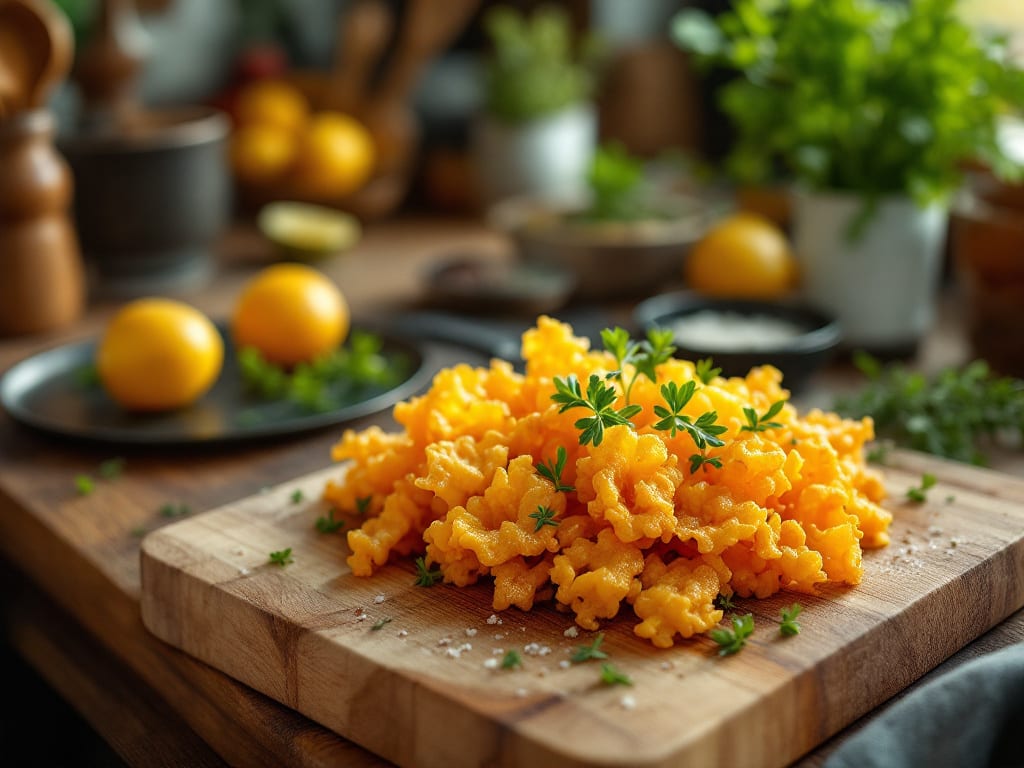
This flower fry recipe transforms humble cauliflower into crispy, golden bites that rival any appetizer you’d order at a restaurant. The secret lies in a precise frying technique—hot oil, perfect timing, and a light seasoning that keeps the texture delicate yet satisfying.
I’ve been perfecting this method for years, and it never fails to deliver that satisfying crunch.
The dish is vegetarian-friendly and pairs beautifully with the included spiced yogurt dip, which adds a cool, tangy contrast to the warm, crispy florets. What makes this recipe stand out is its simplicity: just a few ingredients, 15 minutes of prep, and 10 minutes of frying time.
The result? A dish that’s crispy on the outside, tender inside, and packed with flavor without being overly complicated.
By the time you’re done, you’ll have a platter of crispy cauliflower bites that look as impressive as they taste—ideal for game day, dinner parties, or a quick weeknight snack. The spiced yogurt dip ties everything together with its creamy, slightly spicy profile, making each bite even more irresistible.
Serve with a side of lemon wedges or a sprinkle of fresh herbs for extra brightness. This recipe is foolproof, restaurant-quality, and perfect for anyone looking to elevate their appetizer game without the fuss. Let’s get cooking!
Ingredients for flower fry
Crispy cauliflower florets need just these 15 ingredients to transform into restaurant-worthy appetizers.
| Ingredient | Amount | Notes |
|---|---|---|
| Fresh Cauliflower 🥬 | 1 whole | Cut into even florets (2-3 inches) |
| All-Purpose Flour 🌾 | 1 ½ cups | For light coating (sifted preferred) |
| Cornstarch 🌽 | ½ cup | For extra crispiness (essential) |
| Diamond Crystal Kosher Salt 🧂 | 1 tbsp | Fine grain preferred |
| Ground Black Pepper 🌶️ | ½ tsp | Freshly ground for best flavor |
| Garlic Powder 🧄 | 1 tsp | Not garlic salt |
| Paprika 🌶️ | ½ tsp | Smoked variety recommended |
| Vegetable Oil 🫒 | 4 cups | High smoke point (peanut or avocado) |
| Plain Greek Yogurt 🥛 | 1 cup | Full-fat for creaminess |
| Lemon Juice 🍋 | 2 tbsp | Freshly squeezed |
| Fresh Dill 🌿 | 2 tbsp | Chopped finely (or dried) |
| Garlic Cloves 🧄 | 2 cloves | Minced for yogurt dip |
| Cayenne Pepper 🔥 | ¼ tsp | Adjust for heat preference |
| Extra-Virgin Olive Oil 🫒 | 1 tbsp | For finishing dip |
| Lemon Zest 🍋 | 1 tsp | Freshly grated |
The cauliflower’s texture depends entirely on even florets—cut them to 2-3 inches for consistent frying. Opt for a fresh head with tight florets (no loose stems) for best results. Trader Joe’s and Whole Foods carry ideal specimens, but any grocery store’s organic section works. For extra crispiness, the cornstarch-all-purpose flour blend creates a superior batter—sift it together for a lighter coating. The oil is non-negotiable: peanut or avocado oil has the highest smoke point to prevent burning while frying.
No cornstarch? Extra flour (0.25 cup more) works, though texture won’t be identical. Swap smoked paprika for regular, but you’ll lose that subtle depth. For the yogurt dip, full-fat Greek yogurt is essential—low-fat versions won’t emulsify properly. Fresh dill is ideal, but dried dill at one-third the amount suffices. The lemon juice can be bottled in a pinch, though fresh yields brighter flavor. For heat-sensitive diners, reduce cayenne to 0.125 tsp or omit entirely. The olive oil in the dip adds richness, but avocado oil works equally well.
Pre-cut florets keep 2 days in the fridge, sealed in a paper towel-lined container to prevent sogginess. The yogurt dip can be made 24 hours ahead—its flavors deepen over time. For frying, maintain oil temperature at 350°F using a deep-fry thermometer (invest in one—it’s worth it). Once fried, drain on a wire rack (not paper towels) to preserve crispiness. Store leftovers in the freezer for up to 1 month, reheating in a 350°F oven for 5 minutes to restore crunch.
Why You’ll Love This Recipe
- Here’s what sold me: that first bite where the outside shatters like a potato chip, but inside it’s still tender. The cornstarch coating locks in the crunch and keeps it from turning soggy in your bag. (Yes, even on a Tuesday night when you’re too tired to care.)
- I’ll be real: most fried things turn into a greasy mess by day two. Not these. The cornstarch coating keeps them from sticking, so they reheat in the air fryer or oven like they’re fresh. Plus, cauliflower’s cheap enough that I buy extra just to have this on hand—no guilt, no waste.
Step-by-step instructions for crispy cauliflower bites
Transform humble cauliflower into restaurant-quality flower fries with a perfect balance of crunch and flavor.
Prepare the Cauliflower for Frying
Begin by cutting the 1 whole fresh cauliflower into even florets measuring 2-3 inches each. Remove any tough stems and trim the florets so they’re consistent in size. This ensures they cook uniformly and develop that coveted crispy exterior simultaneously.
Place the florets in a large bowl and toss them gently with 1 tablespoon of the diamond crystal kosher salt. This initial salting draws out moisture from the cauliflower, which is crucial for achieving maximum crispiness. Let them sit uncovered for 15 minutes at room temperature while you prepare your frying station.
Create the Breading Mixture
In a separate large bowl, combine the 1.5 cups all-purpose flour, 0.5 cup cornstarch, 0.5 teaspoon ground black pepper, 1 teaspoon garlic powder, and 0.5 teaspoon paprika. The cornstarch is essential here—it creates that signature crunch that sets these apart from regular fried cauliflower. Use your hands or a whisk to thoroughly mix these dry ingredients until evenly distributed.
This is where the magic happens: the cornstarch acts as a double-duty thickener and crisping agent. The flour provides structure while the spices build flavor depth. I like to sift the flour first to eliminate any lumps that could prevent even coating. Keep this mixture ready as you’ll need it for the next step.
Fry to Golden Perfection
Heat 4 cups vegetable oil in a deep, heavy-bottomed pot to 350°F. Use a deep-fry thermometer to monitor the temperature—this precision is what separates good from exceptional results. The oil should be shimmering but not smoking when ready. While the oil heats, pat the cauliflower florets completely dry with paper towels to remove any excess moisture.
Working in batches to avoid overcrowding, toss the cauliflower florets in the flour mixture until fully coated. Gently shake off any excess, then carefully lower them into the hot oil using a slotted spoon or spider strainer. Fry for 4-5 minutes until they achieve a deep golden brown color. You’ll know they’re ready when they float to the surface and maintain that crisp texture when touched with tongs.
Prepare the Yogurt Dip
While the cauliflower fries, combine 1 cup plain Greek yogurt, 2 tablespoons lemon juice, 2 cloves minced garlic, 2 tablespoons finely chopped fresh dill, 0.25 teaspoon cayenne pepper, and 1 teaspoon lemon zest in a bowl. The yogurt should be full-fat for that rich, creamy texture that pairs perfectly with the crispy florets. Mix thoroughly until all ingredients are fully incorporated and the dip has a smooth, vibrant appearance.
For extra depth of flavor, let this mixture sit for 10 minutes before serving. The lemon zest and cayenne pepper will mellow slightly, allowing their flavors to meld harmoniously with the yogurt. Drizzle with 1 tablespoon extra-virgin olive oil just before serving to add a luxurious finish that enhances both the visual appeal and flavor profile.
Serve Immediately for Maximum Crunch
Transfer the fried cauliflower to a wire rack set over a baking sheet to drain any excess oil. Serve immediately with the prepared yogurt dip on the side. The contrast between the crispy, golden exterior and the cool, creamy dip is what makes this dish so satisfying. Each bite should deliver that satisfying crunch followed by the tangy, herby dip that cuts through the richness.
For best results, serve these while they’re piping hot. The texture degrades quickly as they cool, so have your serving dishes ready and your guests eager. The combination of the crispy cauliflower and the refreshing dip creates a perfect balance of textures and temperatures that makes this dish irresistibly addictive.
Pro Tips For Making Flower Fry
- CUT DRY, NOT WET: Drain the cauliflower florets on a towel for 10 minutes after washing—wet pieces steam instead of fry, and your batter will stick like glue. I learned this the hard way when my first batch turned into sad, soggy dumplings.
- BATTER RATIO MATTERS: Mix 1 part cornstarch to 2 parts flour—this keeps the coating crispy without turning it into a gluey mess. Too much flour? Your flowers will be dense. Too little? They’ll fall apart. Stick to the 1:2 ratio, even if it feels weird.
- SKIP THE CROWDING: Fry in batches no bigger than a handful—packing the pan steams the oil and makes your flowers greasy instead of golden. I used to rush this and ended up with oil splattering everywhere and uneven cooking. Give them space.
- SALT THE OIL: Add a pinch of kosher salt to the hot oil before frying—it seasons the exterior instantly and keeps the batter from getting too greasy. Sounds simple, but it makes a real difference in flavor and texture. (Yes, even if you’re impatient like me.)
Troubleshooting this recipe
Oil Temperature Issues
If your cauliflower florets aren’t browning properly or taste greasy, your oil temperature is likely the culprit. Maintain oil at a precise 350°F using a deep-fry thermometer—I recommend the Thermoworks Smoke model.
Oil that’s too cool will result in soggy florets, while oil that’s too hot burns the exterior before the interior cooks. For every batch, check temperature before frying and adjust your heat source accordingly. 🌡️
Uneven Cooking
Florets cooking at different rates? This usually means inconsistent sizes. Cut all pieces to exactly 2-3 inches—no larger, no smaller. Also, avoid overcrowding the fryer; cook in batches of 6-8 florets at a time.
Overcrowding drops oil temperature and creates steam, leading to uneven results. I use a slotted spoon to carefully lower florets into the oil one at a time.
Soggy Texture
Soggy fried cauliflower happens when moisture remains trapped in the florets. Always pat them completely dry with paper towels before frying, and let them sit in salt for 15 minutes uncovered to draw out excess moisture.
Another trick: double-dip the florets in the batter mixture—first coat, shake off excess, then a second quick dip before frying. This creates a thicker, more protective crust. 💫
Battered Florets Falling Apart
If your batter keeps falling off during frying, your flour mixture might be too moist or the cauliflower too wet. The key is using freshly sifted flour and cornstarch blend—never pre-mixed cake flour substitutes.
Also, ensure your cauliflower is completely dry before coating. For extra adhesion, chill the battered florets in the fridge for 10 minutes before frying to help the coating set.
Dip Too Thin or Watery
A runny yogurt dip usually means the yogurt wasn’t full-fat or the mixture wasn’t properly emulsified. Always use full-fat Greek yogurt and mix thoroughly for at least 1 minute with a whisk or immersion blender.
For extra stability, add 1 teaspoon honey to the dip ingredients—it helps thicken naturally. Let the dip sit for 10 minutes before serving to allow flavors to meld properly.
Burnt or Bitter Oil
If your oil develops a burnt smell or bitter taste, it’s been overheated or reused too many times. Discard oil after 3-4 uses for frying these florets. To prevent burning, maintain oil at 350°F and avoid frying more than 2 batches before draining and replacing.
Store used oil in an airtight container in the fridge for up to 1 week for future uses like sautéing or roasting. 🔥
Nutrition facts
Frequently asked questions
Can I use other vegetables instead of cauliflower for flower fries?
Try broccoli or brussels sprouts cut into similar floret sizes. For best results, trim stems and blanch in boiling water for 30 seconds to remove bitterness before frying. The cornstarch-flour batter works equally well on these vegetables, though cooking times may vary slightly.
How do I keep the flower fries crispy after frying?
Transfer fried florets to a wire rack instead of paper towels to drain excess oil. Keep them warm in a 200°F oven on a rack for up to 15 minutes while finishing the dip. Never stack them—they’ll lose crispiness from trapped steam. For serving, place directly on a platter to maintain texture.
Can I make this recipe ahead of time?
Prep florets and batter up to 1 day ahead, storing separately in airtight containers. For the dip, mix all ingredients (except olive oil) 24 hours early—it actually tastes better after flavors meld. Fry fresh before serving, as reheating reduces crispiness. Freeze uncooked battered florets for 1 month, frying straight from frozen (add 1-2 minutes to cooking time).
What’s the best way to reheat leftover flower fries?
For maximum crispiness, spread cooled florets on a baking sheet and bake at 400°F for 5-7 minutes. Avoid microwaving—they’ll become soggy. For a quick fix, fry again in fresh oil at 375°F for 2-3 minutes until golden. Store leftovers in the fridge for 3 days or freeze for 1 month (uncooked battered florets only).
Can I make this recipe gluten-free?
Yes! Replace the all-purpose flour with a 1:1 gluten-free flour blend (like Bob’s Red Mill) and add 0.25 tsp xanthan gum for better binding. Use the same cornstarch amount. For extra crispiness, add 0.25 cup crushed gluten-free cornflakes to the batter. Note that texture may be slightly less crisp than traditional flour, but still delicious.

- Beef Pikes Peak Roast Recipe: Slow-Cooked Richness With Herbed Crust - November 29, 2026
- Brine Pork Ribs Overnight Recipe: Fall-Apart Tenderness Without the Wait - November 29, 2026
- Chilli Sauce for Hot Dogs Recipe: Smoky-Sweet Glaze That Elevates Every Bite - November 29, 2026