
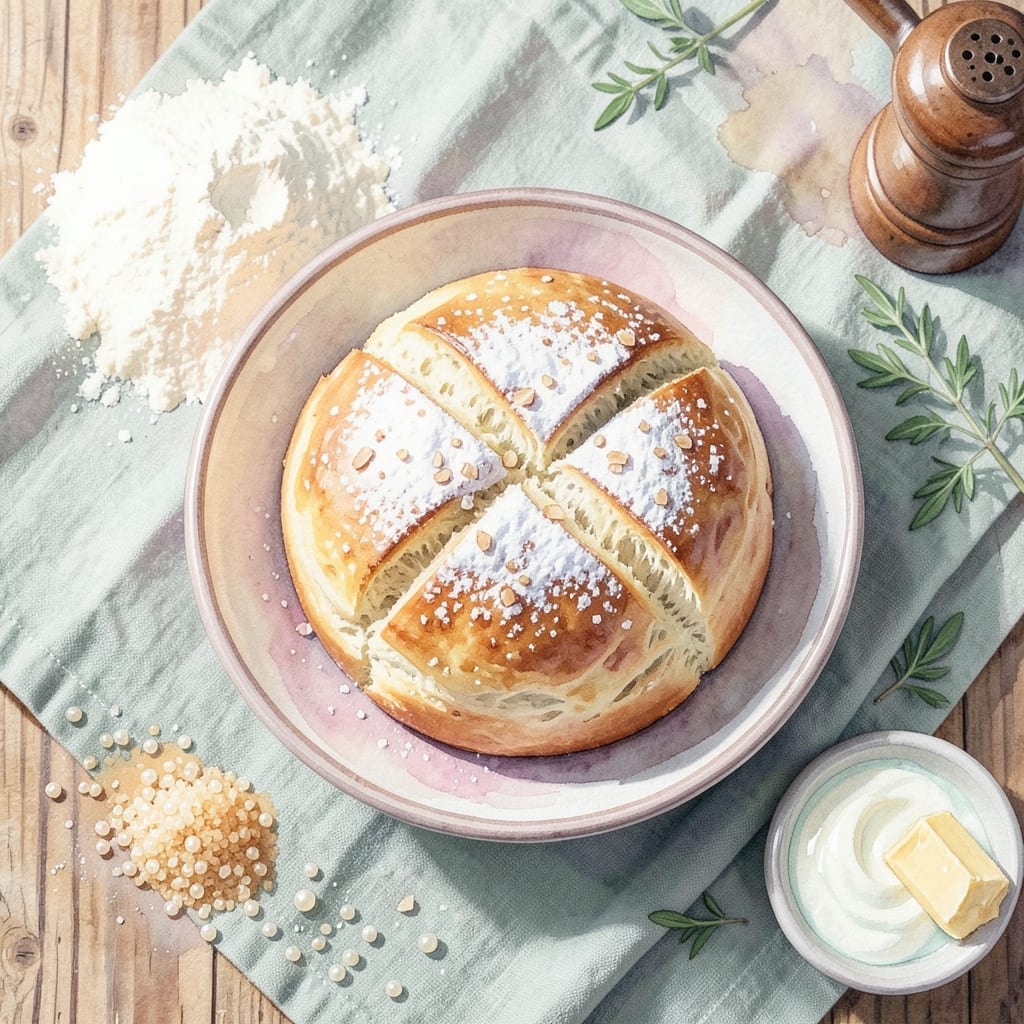
There’s nothing quite like pulling a golden loaf of sweet bread from the oven, knowing the inside is as light as a cloud. This recipe relies on a carefully balanced dough and proper yeast activation to achieve that signature fluffiness.
I’ve refined the kneading and proofing steps to ensure every slice stays soft and airy. The key is giving the dough enough time to rise—rushing this step compromises texture.
What you’ll get is a loaf with a delicate crumb and just the right amount of sweetness, perfect for toast or French toast. The aroma alone will draw a crowd.
Follow the steps closely, and you’ll have bakery-quality bread without leaving your kitchen. The process is straightforward, but precision matters.
Ingredients for Fluffy Sweet Bread Recipe with Yeast
A few pantry staples plus a touch of patience yields bakery-quality bread at home.
| Ingredient | Amount | Notes |
|---|---|---|
| All-Purpose Flour 🌾 | 4 cups | Plus extra for dusting |
| Active Dry Yeast 🍞 | 2 ¼ tsp | 1 packet, proofed in warm water |
| Granulated Sugar 🍚 | ⅓ cup | Divided for dough and yeast |
| Warm Water 💧 | 1 ¼ cups | 110°F, for yeast activation |
| Whole Milk 🥛 | ½ cup | Warmed, for richness |
| Unsalted Butter 🧈 | ¼ cup | Melted and cooled |
| Large Eggs 🥚 | 2 whole | Room temperature, beaten |
| Salt 🧂 | 1 ½ tsp | Fine sea salt preferred |
| Vanilla Extract 🌿 | 1 tsp | Pure for best flavor |
| Vegetable Oil 🫒 | 1 tbsp | For greasing bowl |
The yeast is non-negotiable here. Fleischmann’s or Red Star are reliable brands—check the expiration date (old yeast won’t rise). I grab mine from the baking aisle at King Soopers. The flour should be all-purpose, nothing fancy. If you’re into baking, Gold Medal or Pillsbury work great. Warm the milk gently—too hot and you’ll kill the yeast (ask me how I know).
No whole milk? Oat milk or 2% works fine—just warm it first. Egg substitute? 2 flax eggs (2 tbsp ground flax + 6 tbsp water) for a vegan twist. Short on sugar? Honey at a 1:1 ratio adds a nice depth. The butter can be swapped with coconut oil if you’re avoiding dairy, but the flavor will be slightly different. Don’t skip the salt—it balances the sweetness perfectly.
The dough can rest overnight in the fridge for a slower rise (better flavor). Store the baked loaf wrapped in foil at room temp for 3-4 days, or freeze for up to 3 months. Slice before freezing for easy toast later.
Why You’ll Love This Recipe
- One Bowl Wonder: I love that I can mix the yeast, warm water, and sugar in one bowl, then just add the rest—no fancy equipment needed.
- Melt-in-Your-Mouth Sweetness: That first bite of soft, slightly sugary bread fresh from the oven? Honestly, it’s hard to stop at just one slice.
- Breakfast to Dessert: I’ve served this as toast with jam, French toast for brunch, and even as a base for bread pudding—so versatile.
- Budget-Friendly Batch: A few cents’ worth of flour, yeast, and milk makes a loaf that feeds my family for days, and it freezes beautifully.
Step-by-Step Instructions for Fluffy Sweet Bread
This method guarantees that pillowy soft texture you’re after with every loaf.
Step 1: Activate the Yeast Properly
In a large bowl, combine the 2.25 tsp Active Dry Yeast with 0.33 cup Granulated Sugar and the 1.25 cups Warm Water at 110°F. Let this sit for 5-7 minutes until the mixture becomes foamy and bubbly—this visual cue confirms your yeast is alive and active.
I always use a thermometer for the water temperature. Too hot kills the yeast; too cold won’t activate it. This first step is non-negotiable for that perfect rise we’re after.
Step 2: Create the Dough Base
To your yeast mixture, add the 0.5 cup Whole Milk, 0.25 cup Unsalted Butter (melted and cooled), 2 whole Large Eggs, 1 tsp Vanilla Extract, and 1.5 tsp Salt. Whisk these wet ingredients together until fully combined and slightly frothy.
The butter should be just warm to the touch, not hot. Adding it too warm will cook the eggs, and we want everything to incorporate smoothly. This mixture should look like a thin batter before we add the dry ingredients.
Step 3: Incorporate the Flour Gradually
Begin adding the 4 cups All-Purpose Flour one cup at a time, mixing with a wooden spoon until a shaggy dough forms. You’ll notice the texture change dramatically as the flour hydrates—this usually happens after about 3 cups of flour.
After incorporating all the flour, the dough will be sticky but should pull away from the sides of the bowl. Don’t be tempted to add more flour at this stage; we want that slightly tacky consistency for a tender crumb in the final bread.
Step 4: Knead to Develop Gluten
Turn the dough out onto a lightly floured surface (use some of that extra all-purpose flour from the ingredients list) and knead for 8-10 minutes by hand. You’re looking for a smooth, elastic dough that springs back when poked gently with your finger.
This kneading process develops the gluten that gives your bread structure while maintaining that soft texture. If the dough sticks, dust with a little more flour, but use a light hand—too much additional flour will make your bread dense.
Step 5: First Rise and Shape
Place the dough in a large bowl greased with the 1 tbsp Vegetable Oil, turning to coat all sides. Cover with a clean kitchen towel and let rise in a warm, draft-free place for 1-2 hours or until doubled in size.
Once doubled, punch down the dough and shape it into your desired loaf. Place in a greased loaf pan, cover, and let rise again for 45-60 minutes until the dough domes about 1 inch above the pan rim. This second rise ensures maximum fluffiness in your final product.
Pro Tips For Making Fluffy Sweet Bread Recipe With Yeast
- Proof the Yeast: Always dissolve the active dry yeast in warm water (105-110°F) with a pinch of sugar first—I learned this the hard way after killing a batch with water that was too hot. Look for a foamy layer within 5 minutes to confirm it’s alive.
- Warm the Milk: Take the chill off your whole milk before mixing (about 10-15 seconds in the microwave) or it’ll shock the yeast. Cold milk slows activation, and your bread won’t rise as high.
- Skip the Rush: Resist the urge to add more flour if the dough feels sticky after the first knead. Let it rest for 10 minutes—it’ll absorb the liquid and turn smooth without turning dense.
- Use Room-Temp Ingredients: Pull your milk and eggs out 30 minutes before starting. I was skeptical until I tried it, but room-temperature ingredients blend more evenly and rise faster, giving you that pillowy texture.
Dietary Considerations for This Recipe
Vegan Adaptations
Replace the 2 whole Large Eggs with 2 flax eggs (mix 2 tbsp ground flaxseed with 6 tbsp water and let sit for 5 minutes). This binds the dough similarly without animal products. 🌱
Dairy-Free Options
Swap the 0.5 cup Whole Milk for oat milk or 2% milk—just warm it to 110°F first. For the 0.25 cup Unsalted Butter, use coconut oil instead. The flavor changes slightly, but the texture stays soft.
Gluten-Free Version
Use a 1:1 gluten-free flour blend like King Arthur Measure for Measure. Add 1 tsp xanthan gum to mimic gluten’s elasticity. The rise won’t be as high, but it’ll still be tender.
Sugar Substitutes
Replace 0.33 cup Granulated Sugar with honey or maple syrup at a 1:1 ratio. Reduce other liquids by 2 tbsp to balance moisture. The flavor will deepen slightly but stays delicious.
Lower Sugar Approach
Cut the sugar in half and boost flavor with 1 tsp cinnamon or ½ tsp cardamom. The bread will be less sweet but still rich. Perfect for those watching their intake.
Nut-Free Assurance
This recipe is naturally nut-free, but check your yeast and flour labels. I use Fleischmann’s yeast and Gold Medal flour for guaranteed safety. Always verify brands if allergies are severe. 💡
Nutrition Facts
Frequently Asked Questions
Why didn’t my bread rise properly?
Old yeast or water that’s too hot or cold is usually the culprit. Always check the expiration date and use a thermometer for 110°F water.
Can I skip the second rise?
Skipping the second rise will make your loaf denser. This step develops flavor and ensures maximum fluffiness, so give it 45-60 minutes.
How do I know when it’s fully baked?
Tap the top—it should sound hollow. Or use a thermometer: the internal temperature should reach 190-200°F.
Can I make this dough ahead?
Yes! After kneading, refrigerate the dough overnight for a slower rise and enhanced flavor. Let it come to room temperature before shaping.

- BBQ Sausage Recipe Oven: Smoky Depth Without the Grill - September 28, 2026
- BBQ Chicken Bowl Recipe Rice: Smoky Sweetness Over Fluffy Grains - September 28, 2026
- Beef Cutlet Recipe Ideas: Crispy Breaded Patties With Bold Seasonings - September 28, 2026