
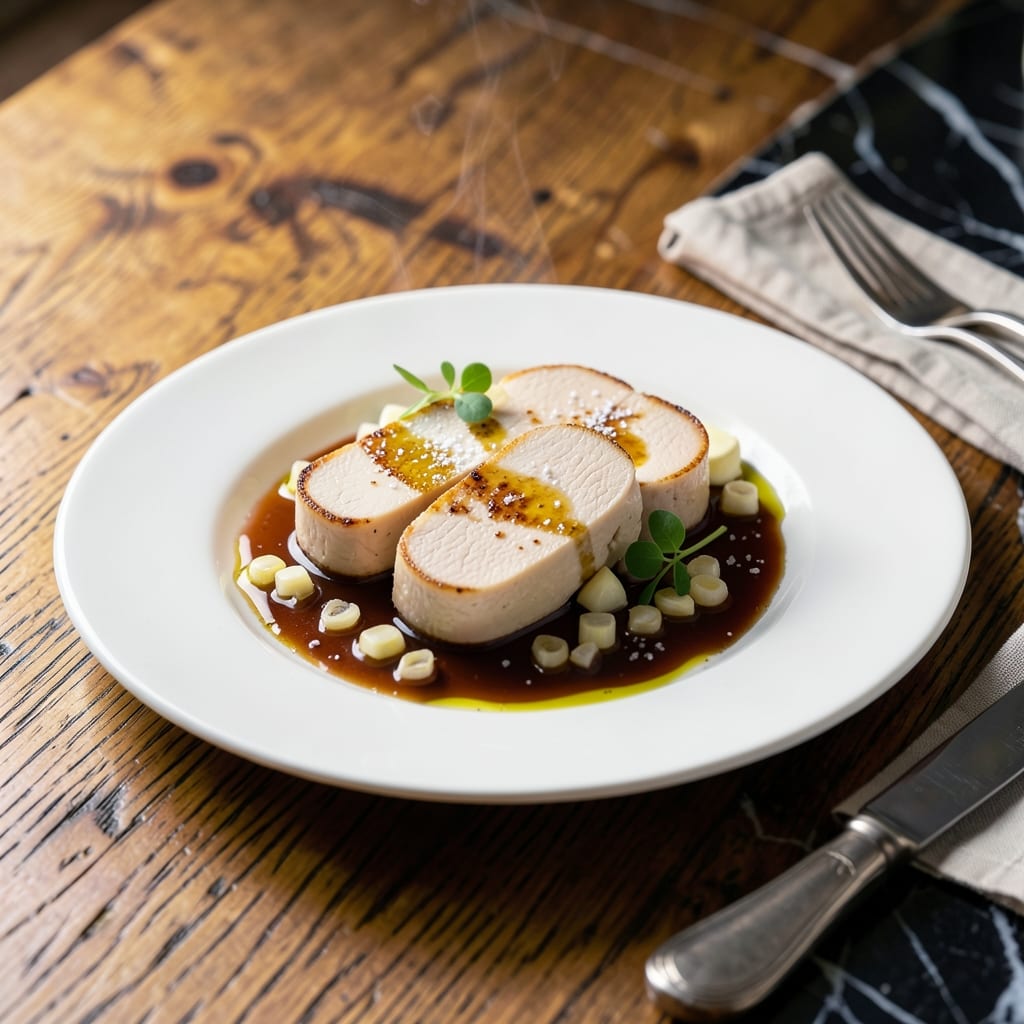
Creating a perfect foie gras appetizer is about precision and respect for the ingredient. This recipe transforms luxurious duck liver into seared bites with a sweet wine reduction that complements its rich, buttery flavor.
The key lies in proper preparation and cooking technique. You’ll achieve a crisp exterior while maintaining a silky, tender center—the hallmark of well-cooked foie gras. The wine reduction adds a sophisticated touch that balances the dish’s natural intensity.
Each bite delivers a harmonious blend of textures and flavors: crispy, creamy, and subtly sweet. The reduction ties everything together, creating an appetizer that’s as elegant as it is memorable.
Serve immediately on warm plates for the best experience. This dish promises to impress even the most discerning palates.
Ingredients for Foie Gras Recipe Appetizer
Luxurious duck liver, sweet wine reduction, and delicate garnishes create an elegant appetizer experience.
| Ingredient | Amount | Notes |
|---|---|---|
| Duck Liver Foie Gras Grade A 🦆 | 1 lb | Whole lobes, veins removed |
| Kosher Salt 🧂 | 1 tsp | Diamond Crystal preferred for texture |
| White Pepper 🌶️ | ½ tsp | Freshly ground for subtle heat |
| Port Wine 🍷 | 1 cup | Ruby or tawny variety |
| Shallots 🧅 | 2 whole | Finely minced for reduction |
| Unsalted Butter 🧈 | 4 tbsp | European-style for richness |
| Granulated Sugar 🥄 | 1 tbsp | For balancing reduction acidity |
| Balsamic Vinegar 🍯 | 2 tbsp | Aged for depth of flavor |
| Fresh Thyme Sprigs 🌿 | 2 whole | Leaves stripped for garnish |
| Microgreens 🥬 | ½ cup | For plating, optional garnish |
| Brioche Bread 🍞 | 4 slices | Toasted, cut into rounds |
| Neutral Oil 🛢️ | 1 tbsp | High smoke point for searing |
Foie gras quality is paramount. Grade A lobes from reputable purveyors like D’Artagnan or Hudson Valley Foie Gras ensure the silky texture this dish demands. The liver must be firm, uniformly colored, and free of bruising. Properly deveined lobes (a process called ‘detrempage’) are essential—this removes blood vessels that can cause bitterness. Most specialty butchers or Whole Foods can source this if ordered in advance.
No port wine? Dry sherry or Madeira work as substitutes, though the flavor profile will shift slightly. Shallots can be replaced with yellow onions at half the quantity, though they lack the same delicate sweetness. For a non-alcoholic reduction, concord grape juice with a splash of apple cider vinegar mimics the depth surprisingly well. The brioche is traditional, but challah or sourdough also provide excellent contrast to the rich liver.
Foie gras is highly perishable—use within 2-3 days of receipt or freeze for up to 6 months. The wine reduction can be made 2 days ahead and reheated gently. Once seared, the liver must be served immediately; it waits for no one. Store any unused port wine in the fridge for up to 1 month.
Why You’ll Love This Recipe
- Surprisingly Simple: I sear the foie gras in 5 minutes flat—just salt, pepper, and a hot pan.
- Unforgettable Bite: The port wine and shallots create this rich, caramelized glaze that lingers.
- Dinner Party Star: It’s my go-to for impressing guests without slaving in the kitchen.
- Leftovers Luxury: Honestly, cold foie gras on toast the next day might be even better.
Step-by-Step Instructions for Luxurious Seared Foie Gras Bites
Master this refined technique and you’ll create restaurant-worthy appetizers with perfect texture and balance.
Step 1: Prepare and Season the Duck Liver Foie Gras Grade A
Begin by carefully separating the 1 lb Duck Liver Foie Gras Grade A into individual lobes. Use a sharp paring knife to remove any visible veins or blood spots, keeping the lobes as intact as possible. This preparation ensures a clean, luxurious texture in the final dish.
Pat the lobes completely dry with paper towels—any moisture will prevent proper searing. Season both sides lightly but evenly with the 1 tsp Kosher Salt and 0.5 tsp White Pepper. The salt enhances the natural richness, while the white pepper adds subtle heat without overpowering the delicate flavor.
Step 2: Sear the Foie Gras to Silky Perfection
Heat a heavy skillet over medium-high heat until very hot. Add the 1 tbsp Neutral Oil, swirling to coat the pan evenly. Place the seasoned lobes in the skillet, presentation side down first, and sear undisturbed for 1-2 minutes until the edges turn deep golden brown and a crisp crust forms.
Flip the lobes carefully and sear the second side for an additional 30-60 seconds. The foie gras should have a caramelized exterior while remaining tender and slightly pink inside. Transfer the seared lobes to a paper towel-lined plate to drain excess fat, keeping them warm.
Step 3: Create the Sweet Wine Reduction
In the same skillet (no need to clean it—the fond adds depth), melt 2 tbsp Unsalted Butter over medium heat. Add the 2 whole Shallots, finely minced, and sauté for 2-3 minutes until softened and translucent. Stir in the 1 tbsp Granulated Sugar and cook for 1 minute until it begins to caramelize slightly.
Pour in the 1 cup Port Wine and 2 tbsp Balsamic Vinegar, scraping up any browned bits from the bottom of the pan. Add the 2 whole Fresh Thyme Sprigs and simmer for 8-10 minutes until the liquid reduces by half and becomes syrupy. Remove from heat and whisk in the remaining 2 tbsp Unsalted Butter for a glossy finish.
Step 4: Assemble and Present the Appetizer
Toast the 4 slices Brioche Bread until golden and cut into rounds slightly larger than the foie gras lobes. Place one seared lobe atop each brioche round and spoon the warm wine reduction generously over each piece. The reduction should pool slightly around the base, complementing the richness of the foie gras.
Garnish with a sprinkle of the 0.5 cup Microgreens for a touch of freshness and color contrast. The microgreens add a delicate, peppery note that cuts through the dish’s richness. Serve immediately while the foie gras is still warm and the bread remains crisp.
Pro Tips For Making Foie Gras Recipe Appetizer
- Soak the Livers: Place the foie gras lobes in cold water for 1-2 hours before prep to soften and remove excess blood—I learned this the hard way after my first batch came out metallic tasting.
- Chill Before Slicing: Firm up the terrine in the fridge for at least 4 hours (overnight is better) so it holds a clean edge when you slice—sounds tedious, but it prevents a mushy mess.
- Reduce the Port: Simmer the port wine and shallots until it’s syrupy, about 10-12 minutes, to concentrate the flavor for the gelée or sauce—skimp here and it’ll taste watery.
- Score the Veins: Gently separate the lobes’ veins with your fingertips before seasoning so the salt and pepper penetrate evenly—my first few attempts had bland pockets where I missed this.
Pro Cooking Tips for Great foie gras recipe appetizer
pan selection
Use a heavy cast iron skillet—my Lodge 10-inch gives perfect heat retention. Avoid nonstick pans; they can’t reach the high heat needed for a proper sear without warping. The pan must be screaming hot before adding the liver.
temperature control
Your pan should reach 400°F before adding the foie gras. I test by flicking water droplets—they should dance and evaporate instantly. Maintain medium-high heat throughout searing to prevent the center from overcooking while achieving that crisp exterior. 🌡️
vein removal
Take your time with deveining. Use a small, sharp knife to carefully lift and remove all visible blood vessels. I find that chilling the lobes for 30 minutes beforehand makes them firmer and easier to work with. This step prevents bitterness in your final dish.
seasoning timing
Season just before searing, not earlier. Salt draws out moisture, and you want the surface as dry as possible for that perfect crust. I use Diamond Crystal kosher salt—its coarse texture adheres well to the liver’s surface.
resting technique
After searing, rest the lobes on a wire rack, not paper towels. This prevents steam from making the crust soggy. Keep them in a 200°F oven while you finish the reduction. They’ll stay warm without continuing to cook. 💡
reduction consistency
The wine reduction should coat the back of a spoon. If it’s too thin, simmer longer; if too thick, add a splash of water. I always make extra—it’s delicious drizzled over the plate or even served alongside the appetizer.
Nutrition Facts
Frequently Asked Questions
What’s the ideal internal temperature for seared foie gras?
Aim for medium-rare, about 125-130°F internally. The center should remain slightly pink and silky. Overcooking turns it dense and grainy.
Can I use a different wine for the reduction?
Yes! Dry sherry or Madeira both work well. For non-alcoholic, try concord grape juice with a splash of apple cider vinegar. Each offers a unique flavor twist.
How do I prevent the foie gras from sticking to the pan?
Use a cast iron skillet at 400°F and ensure lobes are completely dry. Add 1 tbsp neutral oil just before searing. Never move the lobes until a crust forms.
Should I serve this appetizer warm or at room temperature?
Always serve immediately while warm. The contrast of crisp exterior and creamy center is best fresh from the pan. The brioche toast stays crisp for only 5-10 minutes.

- Peach Syrup Recipe for Ice Cream: Sweet and Silky Drizzle for Scoops - October 6, 2026
- Pav Bhaji Recipe Food Lab: Mumbai Street Food Magic at Home - October 6, 2026
- Peach Jelly Recipe Without Pectin: Naturally Set Sweet Spread - October 6, 2026