
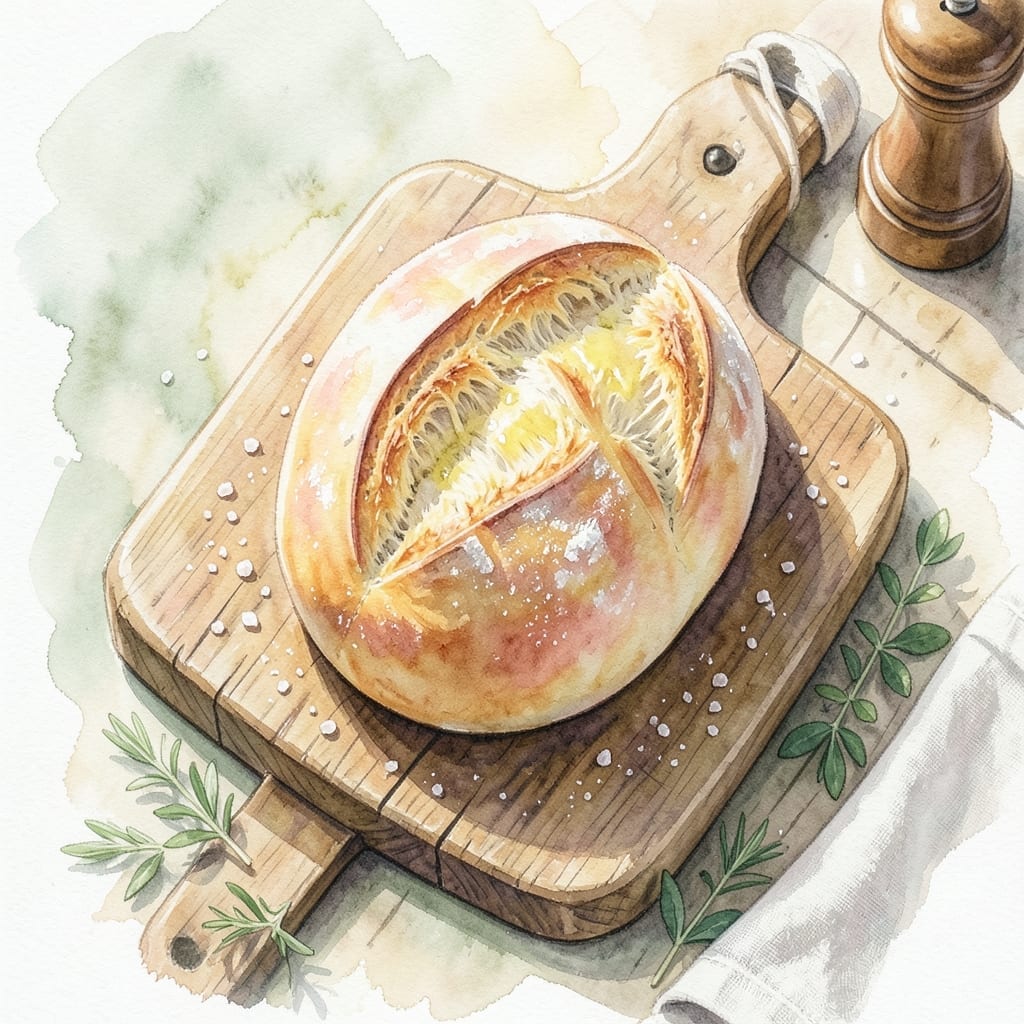
Nothing beats the aroma of freshly baked bread filling your kitchen. This proven technique delivers crusty artisan loaves with minimal effort and maximum reward.
The secret lies in a simple dough recipe and proper baking temperature. I’ve perfected this method to create bread with a shatteringly crisp exterior and soft, airy interior every time.
You’ll achieve bakery-quality results without specialized equipment. The process requires just 5 ingredients and basic kitchen tools you already own.
These loaves make perfect sandwiches, soup companions, or standalone treats. The versatility of this recipe makes it a kitchen staple worth mastering.
Ingredients for French Bread Recipe Ideas
Five ingredients transform into bakery-quality crusty loaves with minimal effort.
| Ingredient | Amount | Notes |
|---|---|---|
| Bread Flour 🌾 | 4 cups | High-protein for structure |
| Active Dry Yeast 🍞 | 2 ¼ tsp | 1 packet, proofed in warm water |
| Sea Salt 🧂 | 2 tsp | Fine grain for even distribution |
| Warm Water 💧 | 1 ½ cups | 105-110°F for yeast activation |
| Olive Oil 🫒 | 2 tbsp | For bowl coating and flavor |
The flour is critical here—King Arthur Bread Flour is my go-to for consistent high protein content (12-13%). Most grocery stores carry it, but avoid all-purpose; it lacks the gluten strength needed for that shatteringly crisp crust. Yeast freshness matters too; check the expiration date and store unopened packets in the freezer to extend shelf life.
No bread flour? All-purpose plus 1 tbsp vital wheat gluten per cup gets you close. Short on yeast? Use instant yeast at the same quantity—skip proofing and mix directly. The water temperature is non-negotiable: too hot kills yeast, too cold delays rise. A kitchen thermometer ($10 at Target) removes the guesswork.
Dough keeps in the fridge for 24 hours (flavor improves with time). Baked loaves stay fresh for 2-3 days in a paper bag—never plastic, which softens the crust. Freeze extras for up to 3 months wrapped in foil.
Why You’ll Love This Recipe
- Minimal Effort: I mix flour, yeast, salt, and warm water—no fancy steps, just a bowl and my hands.
- Crispy Perfection: The crust shatters at the first bite, while the inside stays soft and airy.
- Endless Uses: It’s my sandwich base, soup sidekick, or garlic bread hero.
- Budget Stretcher: Five ingredients, a few cents, and it outshines any store-bought loaf.
Step-by-Step Instructions for French Bread
Here’s the method. Straightforward, tested, works every time.
Step 1: Activate the Yeast and Begin the Dough
In a large mixing bowl, combine the 2.25 tsp Active Dry Yeast with the 1.5 cups Warm Water at 105-110°F. The water should feel warm to the touch but not hot—too hot and you’ll kill the yeast, too cool and it won’t activate properly.
Let it sit for 5-10 minutes until the mixture becomes frothy and cloudy. This visual confirmation means your yeast is alive and ready to work. Stir in the 2 tsp Sea Salt until fully dissolved. The fine grain ensures even distribution, which is critical for consistent flavor throughout the loaf.
Step 2: Incorporate the Flour and Knead
Gradually add the 4 cups Bread Flour to the yeast mixture, stirring with a wooden spoon until a shaggy dough forms. The high-protein content of bread flour develops the gluten structure needed for that classic chewy texture and crusty exterior.
Turn the dough out onto a clean surface and knead for 8-10 minutes by hand. You’re looking for a smooth, elastic dough that springs back when poked. If it feels too sticky, resist the urge to add more flour—wetter dough yields better texture in artisan breads.
Step 3: First Rise Until Doubled
Lightly coat a clean bowl with 1 tbsp Olive Oil from your 2 tbsp Olive Oil, then place the dough in it, turning once to coat all sides. Cover with a clean kitchen towel and let it rise in a warm, draft-free place for 1 to 1.5 hours, or until doubled in size.
The dough should look puffy and when you gently press two fingers into it, the indentation should remain. This first rise develops flavor and structure. If your kitchen is cool, place the bowl near (not on) a warm oven to speed up the process.
Step 4: Shape, Second Rise, and Preheat
Punch down the dough to release air, then turn it out onto your surface. Divide it in half and shape each portion into a long baguette or round boule. Place the shaped loaves on a parchment-lined baking sheet, cover, and let rise for another 30-45 minutes until puffy.
Meanwhile, preheat your oven to 425°F with a baking stone or inverted baking sheet inside. Also place an empty metal pan on the lower rack—this will create steam for a crispy crust. The oven must be fully preheated for at least 30 minutes to ensure even baking.
Step 5: Bake to Golden Perfection
Just before baking, use a sharp razor or serrated knife to score the tops of the loaves at a 45-degree angle. This allows the bread to expand properly in the oven. Brush the loaves with the remaining 1 tbsp Olive Oil for extra flavor and browning.
Slide the loaves onto the preheated stone or sheet. Pour 1 cup hot water into the metal pan to create steam, then quickly close the oven door. Bake for 20-25 minutes until the loaves are deep golden brown and sound hollow when tapped on the bottom. Transfer to a wire rack to cool completely before slicing.
Pro Tips For Making French Bread Recipe Ideas
- Prove the Yeast: Always bloom your active dry yeast in warm water (110°F) with a pinch of sugar for 5-10 minutes until foamy—I learned this the hard way after killing three batches with water that was too hot.
- Use High-Protein Flour: Bread flour with at least 12% protein is non-negotiable for that chewy French bread texture; all-purpose just doesn’t have the gluten strength.
- Skip the Over-Flouring: Resist the urge to dust your counter with too much flour when kneading—it makes the dough tough and dense. A light sprinkle is all you need.
- Chill Before Baking: After shaping, let your loaves rest in the fridge for 30 minutes. Sounds weird, but it actually changes the outcome, giving you a better rise and crisper crust.
Regional Styles of This Recipe
Parisian Baguette
The classic French style features a long, thin shape with a crisp golden crust. Shape into 2-inch wide logs, tapering the ends. Score with diagonal cuts before baking. This version is perfect for sandwiches or tearing apart with butter. 🥖
Rustic Boule
For a country-style loaf, shape into a round ball and bake in a Dutch oven. This creates a thicker crust and more open crumb. I love this for soup dipping—the 425°F oven temperature works perfectly.
Ficelle Variety
These are thinner than baguettes, about 1-inch wide. The smaller size means they bake faster—check at 15 minutes. Traditional in French bakeries, they’re ideal for individual servings or appetizer platters.
Pain de Campagne
This country bread uses a portion of whole wheat flour for nuttier flavor. Replace 1 cup bread flour with whole wheat. The texture is denser but still maintains a good crust. Bake for 30 minutes for best results.
Fougasse Style
Shape like a leaf with slits cut into the dough. Brush with olive oil and sprinkle with sea salt before baking. This Provençal version has a more decorative appearance while keeping the same delicious flavor. 💫
Nutrition Facts
Frequently Asked Questions
Can I use all-purpose flour instead of bread flour?
Yes, but add 1 tbsp vital wheat gluten per cup of all-purpose flour. Bread flour’s higher protein creates better structure. Without this addition, your loaf may be less chewy with a softer crust.
Why did my bread turn out dense?
Underproofing or over-flouring are common culprits. Ensure dough doubles in size during first rise and avoid adding extra flour during kneading. The dough should feel slightly sticky for best texture.
How do I get a crispier crust?
Create steam in the oven by adding 1 cup hot water to a pan on the lower rack. Also, bake at 425°F with a preheated stone or inverted sheet. The steam prevents the crust from setting too early.
Can I make this ahead and bake later?
Shape the dough, then refrigerate for up to 24 hours. Let it come to room temperature and complete the second rise before baking. The flavor actually improves with time.

- BBQ Sausage Recipe Oven: Smoky Depth Without the Grill - September 28, 2026
- BBQ Chicken Bowl Recipe Rice: Smoky Sweetness Over Fluffy Grains - September 28, 2026
- Beef Cutlet Recipe Ideas: Crispy Breaded Patties With Bold Seasonings - September 28, 2026