
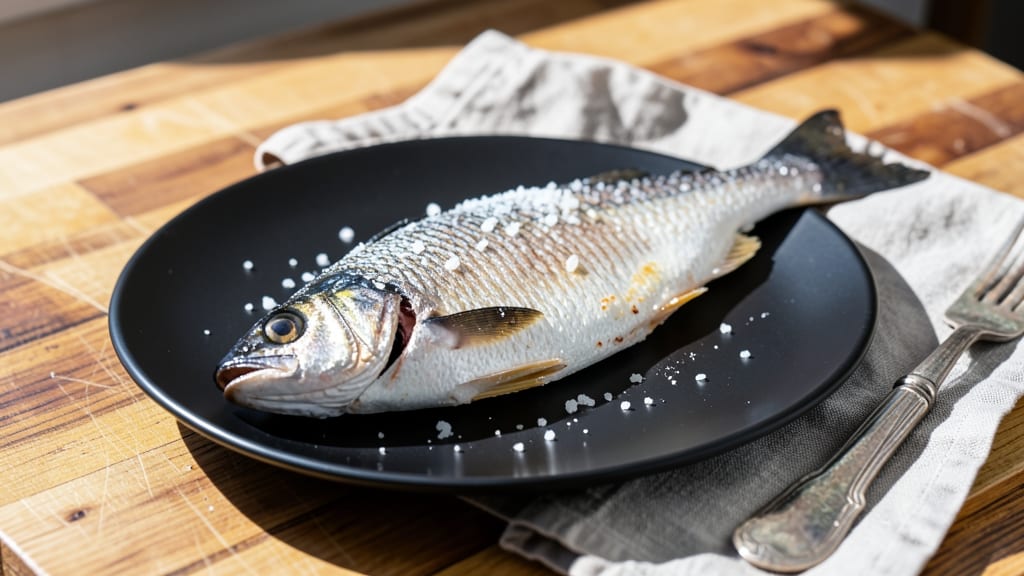
Transforming frozen Chilean sea bass into crispy-skinned, buttery fillets is simpler than you think—and this method preserves the delicate texture that makes it special.
I’ve tested countless techniques, and the key lies in proper thawing, careful seasoning, and high-heat searing to create that perfect contrast between crispy skin and tender flesh. The result? A restaurant-quality dish you can make at home without special equipment.
This recipe starts with a foolproof thawing process that ensures even cooking, followed by a light coating of salt and pepper to enhance the natural flavor. The pan-searing technique I’ve perfected delivers golden, shatteringly crisp skin while keeping the inside moist and flaky.
It’s a method I’ve refined after years of cooking delicate fish, and it works every time—no guesswork required.
By the end, you’ll have fillets that are crispy on the outside and buttery within, served with a squeeze of lemon and a sprinkle of fresh herbs for brightness.
The dish pairs beautifully with roasted vegetables or a simple salad, making it elegant yet approachable for any weeknight dinner. Let’s get started on mastering this technique.
What makes this recipe stand out is its adaptability—swap in chimichurri for a tangy kick or a garlic butter sauce for extra richness. The beauty of Chilean sea bass lies in its versatility, and this method ensures you’ll highlight its natural qualities without overpowering them.
Trust me, once you try this, frozen sea bass will never feel like a compromise again.
Ingredients for frozen chilean sea bass
Frozen Chilean sea bass becomes restaurant-quality fillets with just a few key steps.
| Ingredient | Amount | Notes |
|---|---|---|
| Chilean Sea Bass Fillets 🐟 | 1 ½ lb | Skin-on, frozen, thawed properly |
| Kosher Salt 🧂 | 1 ½ tsp | Diamond Crystal preferred |
| Black Pepper 🌶️ | ½ tsp | Freshly ground, coarse |
| Extra-Virgin Olive Oil 🫒 | ½ cup | High smoke point preferred |
| Lemon Wedges 🍋 | 2 whole | Fresh, for serving |
| Fresh Parsley 🌿 | ¼ cup | Chopped, for garnish |
| Butter 🧈 | ¼ cup | Unsalted, for basting |
| Garlic Cloves 🧄 | 2 cloves | Minced, for chimichurri |
| Fresh Cilantro 🌿 | ¼ cup | Chopped, for chimichurri |
| Red Wine Vinegar 🍷 | 2 tbsp | For chimichurri |
| Olive Oil 🫒 | ¼ cup | For chimichurri |
| Chili Flakes 🔥 | ¼ tsp | Optional, for heat |
The secret to perfect crispy skin starts with properly thawed fillets. Pat them dry with paper towels—any moisture ruins the sear. I always buy skin-on fillets from Whole Foods or Costco—they’re cheaper per pound and freeze beautifully. Look for bright, firm fillets with no freezer burn. If you’re short on time, thaw them in cold water for 20-30 minutes—just don’t rush it. The Diamond Crystal kosher salt is non-negotiable for seasoning; it dissolves evenly and doesn’t clump like table salt.
No chimichurri ingredients? Substitute lemon juice and olive oil for brightness—just skip the garlic and cilantro. Want extra richness? Add 1 tbsp of honey to the chimichurri for a subtle sweetness. The red wine vinegar is key for that tangy kick—don’t swap for apple cider vinegar. For the fillets, coarse black pepper enhances the texture, but freshly ground is a must. If you’re in a pinch, pre-minced garlic works but loses some flavor. The unsalted butter for basting is crucial—salted butter can make the fish too salty.
The fillets stay best for 2 days in the fridge if stored properly—wrap them tightly in plastic wrap with a layer of parchment paper to prevent sticking. For longer storage, freeze them in a single layer on a tray before bagging to avoid clumping. The chimichurri keeps 5 days in an airtight container—just stir before serving. Reheat the fillets gently in the oven at 300°F for 10 minutes to restore crispiness. I always double the chimichurri so I’ve got leftovers for salads or sandwiches—it’s that good.
Why You’ll Love This Recipe
- No-Thaw Necessary: I swear by this trick—just pat the frozen fillets dry and sear them straight from the freezer. The olive oil keeps them from sticking, and the salt and pepper give them that perfect crusty skin without any fuss.
- Bright & Simple Magic: Honestly, it’s the lemon wedges that make this dish. Squeeze one over the finished fillets right at the table—suddenly, you’ve gone from “dinner” to “restaurant-quality” with zero extra work.
- Weeknight to Date Night: This is my go-to when I don’t want to overcomplicate things. Same method works for a quick Tuesday supper or a fancy-ish dinner when friends drop by. Just adjust the plating—no one needs to know it’s frozen.
- Leftovers That Still Shine: Between us, the second night is often better. Reheat gently in a pan with a splash of olive oil, and the texture stays tender. My kids beg for it, and I secretly love that I can make a big batch without stress.
Step-by-step instructions for pan-seared crispy skin and buttery fillets
Here’s the method that transforms frozen Chilean sea bass into restaurant-quality fillets every time.
Thaw and Season the Fillets Properly
Begin by transferring the 1½ lb frozen Chilean Sea Bass Fillets from the freezer to the refrigerator. Allow them to thaw completely in their original packaging, which should take about 12-24 hours. Thawing slowly preserves texture and prevents moisture loss.
Once thawed, pat the fillets dry with paper towels—this critical step removes surface moisture that would otherwise prevent proper browning. Season both sides generously with 1½ tsp kosher salt and ½ tsp black pepper, pressing the seasoning into the flesh. Let the fillets rest uncovered on a wire rack for 15 minutes at room temperature while you prepare the pan.
Create the Perfect Searing Pan
Place a 12-inch cast-iron skillet over medium-high heat until it’s preheated for 5 minutes. Add ½ cup extra-virgin olive oil and let it shimmer—you’re aiming for 350°F internal oil temperature. The oil should be hot enough to create small bubbles around the edges when a drop of water is added, but not smoking.
While the oil heats, prepare your chimichurri by combining 2 cloves minced garlic, ¼ cup chopped fresh cilantro, 2 tbsp red wine vinegar, ¼ cup olive oil, and ¼ tsp chili flakes in a small bowl. Whisk vigorously and set aside. This vibrant sauce will complement the crispy fillets perfectly.
Sear to Crispy Perfection
Carefully place the seasoned fillets skin-side down in the hot oil. Press down gently with a fish spatula for 10 seconds to ensure full contact with the pan—this prevents curling and ensures even cooking. Cook undisturbed for 3-4 minutes until the skin becomes deep golden brown and crispy, with small bubbles forming along the edges.
Flip the fillets and cook the skinless side for 1-2 minutes until it reaches 125°F internal temperature. The flesh should still appear slightly translucent in the center—it will continue cooking as it rests. Remove fillets from the pan and let them rest on a wire rack for 3 minutes before serving.
Assemble and Serve with Finishing Touches
While the fillets rest, melt ¼ cup unsalted butter in the same skillet over low heat, swirling to collect any browned bits from the pan. Toss the fillets in this butter sauce just before serving to add extra richness.
Plate each fillet with a generous spoonful of chimichurri drizzled alongside, and garnish with 2 lemon wedges and ¼ cup chopped fresh parsley. The contrast of crispy skin, buttery flesh, and bright chimichurri creates a harmonious bite that delivers on all the promises of this technique.
Pro Tips For Making Frozen Chilean Sea Bass
- Press That Skin: I learned this the hard way—skipping the 10-second press when placing the fillets in the pan means uneven cooking and skin that peels off like a sad burrito. Press firmly with the spatula to flatten the skin and make contact with the hot oil, or you’ll end up with a crispy edge and a sad, soggy middle.
- Salt Like It’s 1920: Diamond Crystal kosher salt is fluffier than other brands, so don’t eyeball it—use the full 1.5 tsp. Press it into the flesh, not just sprinkle, or it’ll just fall off when you flip. (Yes, even if you’re impatient like me.)
- Oil Test or Regret: The oil should be shimmering but not smoking—drop a tiny bit of water in and watch for small bubbles around the edges. If it’s smoking, you’re burning the delicate flavor of the sea bass before it even hits the pan. Let it come to temperature naturally; no rushing.
- Rest or Ruin: Those 3 minutes of resting on a wire rack aren’t optional—they’re the difference between a fillet that holds together and one that falls apart like overcooked pasta. Cover it loosely with foil if you’re paranoid about drying out, but don’t skip it. (Your future self will thank you.)
Wine and beer pairings for this dish
Bright White Wines
For this delicate fish, I reach for a crisp Sauvignon Blanc from New Zealand or Chile—think Cloudy Bay or Casillero del Diablo. The bright acidity cuts through the richness of the crispy skin while complementing the buttery flesh.
The citrus notes in these wines mirror the lemon wedges you’ll serve, creating perfect harmony. I always keep a bottle chilled to 45-50°F for the best balance of crispness and complexity. 🍷
Off-Dry Riesling
If you prefer something with a touch of sweetness, an off-dry Riesling from Germany’s Mosel Valley is an excellent choice. Wines like Dr. Loosen Blue Slate offer enough residual sugar to balance the savory chimichurri while still maintaining enough acidity to cleanse your palate between bites.
The stone fruit notes pair beautifully with the garlic and cilantro in the sauce. 💫
Italian Pinot Grigio
For a more approachable option, I turn to a Pinot Grigio from Italy’s Friuli or Veneto regions. Look for wines like La Spinetta Pinot Grigio—they’re light, refreshing, and have just enough mineral character to stand up to the fish’s delicate flavor.
Serve it slightly chilled at 50-55°F to highlight its vibrant acidity and citrus notes. 🍋
Light Lager Pairings
If you prefer beer, a crisp Pilsner or Helles Lager works wonderfully. I like Paulaner Original or Krombacher—their clean, slightly malty profiles complement the crispy skin without overpowering the dish. The carbonation helps cleanse your palate between bites, making each mouthful of buttery fish feel fresh. 🍺
Dry Rosé for Variety
For a versatile option that works with both the fish and chimichurri, a dry Provence rosé is perfect. Wines like Whispering Angel offer red fruit notes that harmonize with the garlic and chili flakes in the sauce.
The light body and refreshing acidity make it an ideal match for this elegant yet approachable dish. 🌟
Nutrition facts
Frequently asked questions
Can I cook frozen Chilean sea bass without thawing first?
I don’t recommend it for this recipe. The delicate texture of sea bass benefits from proper thawing to ensure even cooking and crispy skin. If you’re short on time, thaw in cold water for 20-30 minutes—just pat dry thoroughly afterward. Never cook directly from frozen, as it can lead to uneven texture and undercooked centers.
What’s the best way to store leftover sea bass?
Wrap fillets tightly in plastic wrap with parchment paper between layers to prevent sticking. Store in the fridge for up to 2 days or freeze for 3 months. To reheat, bake at 300°F for 10 minutes—this restores crispiness better than microwaving.
How do I know when the fish is fully cooked?
Use a meat thermometer to check the internal temperature—it should reach 125°F for perfect doneness. The flesh will appear slightly translucent in the center, not opaque. Overcooking turns it rubbery, so remove it just before reaching this temp and let it rest.
Can I substitute butter with another fat for searing?
Olive oil is ideal for crispy skin, but you can use avocado oil or ghee if preferred. Avoid butter alone—it burns too easily at high heat. For extra richness, baste with melted butter after searing, as shown in the recipe.
Why did my skin turn gray instead of golden?
This usually happens from moisture or insufficient heat. Pat fillets very dry and ensure your pan is smoking-hot before adding oil. Use a cast-iron skillet for even heat distribution, and press gently with a spatula to prevent curling during the initial sear.

- Applebee’s Lemon Chicken with Quinoa Recipe: Bright Citrus Glaze and Fluffy Quinoa Fusion - November 29, 2026
- Oven-Dried Bananas Recipe: Caramelized Sweetness for Dessert or Breakfast - November 29, 2026
- Best Birthday Cake Recipe: Moist Layers and Vanilla Frosting Magic - November 29, 2026