
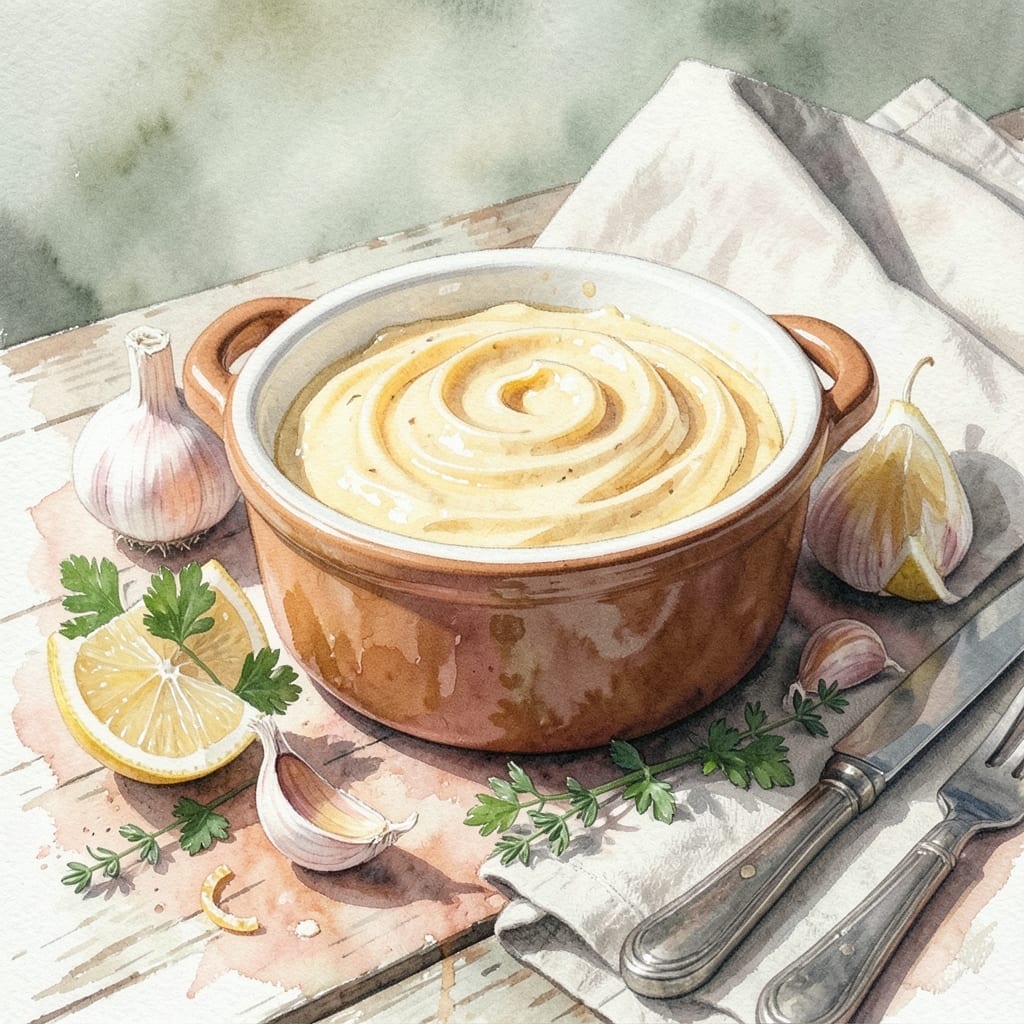
Benihana’s teppanyaki magic comes down to one essential element: their signature garlic butter sauce. This liquid gold transforms ordinary steak and seafood into restaurant-quality dishes with its rich, aromatic flavor.
The secret lies in the perfect balance of fresh garlic, high-quality butter, and a touch of soy sauce for umami depth. I’ve refined this recipe to capture that authentic hibachi experience without the guesswork.
Use it as a finishing sauce for grilled meats, seafood, or vegetables—it melts beautifully over hot food. The flavor is bold yet balanced, with a smooth texture that clings to every bite.
Store in an airtight container in the fridge for up to a week, or freeze for longer shelf life. This sauce is versatile enough for everyday cooking and special enough for entertaining.
Ingredients for Garlic Butter Recipe Benihana
Eight ingredients capture that signature Benihana hibachi sauce flavor at home.
| Ingredient | Amount | Notes |
|---|---|---|
| Unsalted Butter 🧈 | 1 cup | High-quality, room temperature |
| Garlic Cloves 🧄 | 8 cloves | Fresh, minced finely |
| Soy Sauce 🫙 | 2 tbsp | Low-sodium preferred |
| Fresh Lemon Juice 🍋 | 1 tbsp | Newly squeezed for brightness |
| Worcestershire Sauce 🫙 | 1 tsp | Vegetarian brand recommended |
| Dijon Mustard 🟡 | 1 tsp | Smooth, for depth |
| Fresh Parsley 🌿 | 2 tbsp | Finely chopped, for garnish |
| Black Pepper 🌶️ | ½ tsp | Freshly cracked preferred |
The butter is non-negotiable—European-style or high-fat brands like Kerrygold give that velvety texture. Fresh garlic is key; avoid the pre-minced stuff (it lacks punch). Whole Foods or Asian markets often carry the best quality soy sauce for that authentic umami. Look for garlic with firm, unblemished cloves for the freshest flavor.
No vegetarian Worcestershire? Coconut aminos or additional soy sauce works in a pinch. Fresh lemon can be swapped for rice vinegar at half the amount for tang. If you’re out of Dijon, regular yellow mustard at double the quantity gets you close. The parsley is mostly for color—chives or green onions can stand in.
Sauce keeps 1 week refrigerated in an airtight container. Freeze in ice cube trays for 3 months—pop out as needed. Always let it come to room temperature before using; cold butter won’t melt smoothly over hot food.
Why You’ll Love This Recipe
- 5-Minute Magic: I melt the butter, toss in minced garlic, and let it sizzle while I pour the soy and Worcestershire—done before the rice finishes.
- Umami Bomb: That first hit of garlicky, tangy butter with the lemon’s zing makes everything from steak to bread taste ridiculous.
- Dinner’s Secret Weapon: I drizzle it on veggies, baste shrimp, or just eat it with a spoon—honestly, it saves me every time I’m stuck on what to make.
- Stretches Further: One batch flavors three meals, and the leftovers keep in the fridge for a week without losing that bold, buttery punch.
Step-by-Step Instructions for Hibachi-Style Garlic Butter
Master this benihana technique for a sauce that transforms steak and seafood into restaurant-quality dishes.
Step 1: Melt and Infuse the Butter Base
In a small saucepan over low heat, melt the 1 cup Unsalted Butter slowly, watching for the moment it turns from solid to liquid without browning. This gentle approach prevents separation and preserves the butter’s rich, creamy texture.
Once melted, add the 8 cloves Garlic Cloves (minced finely) and cook for 2-3 minutes, stirring constantly. You’ll know it’s ready when the garlic releases its fragrance and turns light golden—never allow it to brown or it will turn bitter.
Step 2: Build the Umami Foundation
Increase heat to medium-low and add the 2 tbsp Soy Sauce and 1 tsp Worcestershire Sauce. Stir to combine, allowing the mixture to simmer gently for 1 minute. The soy sauce deepens the color and adds salty richness, while the Worcestershire contributes complex umami notes.
At this stage, the sauce should take on a glossy sheen. If it appears to be separating, reduce the heat immediately and whisk vigorously to re-emulsify. Consistency is key for proper cling to proteins.
Step 3: Balance and Brighten the Sauce
Remove the saucepan from heat and stir in the 1 tbsp Fresh Lemon Juice and 1 tsp Dijon Mustard. The lemon juice cuts through the richness with acidity, while the Dijon adds a subtle tang and helps stabilize the emulsion.
Taste and adjust seasoning—this is your opportunity to ensure the balance is perfect. The sauce should taste bold and savory with a bright finish, not overly salty or acidic.
Step 4: Finish and Garnish for Service
Return the saucepan to low heat and add the 0.5 tsp Black Pepper (freshly cracked preferred). Warm through for 30 seconds, then remove from heat. The pepper adds a gentle heat that complements the other flavors without overpowering them.
Just before serving, stir in 1 tbsp Fresh Parsley, reserving the remaining 1 tbsp Fresh Parsley for garnish. This final touch adds freshness and visual appeal. Use immediately while warm for best results, as the sauce will thicken slightly as it cools.
Pro Tips For Making Garlic Butter Recipe Benihana
- Mince Garlic Fine: After burning a few batches, I learned that finely minced garlic is crucial—it distributes evenly and cooks faster without bitter, burnt spots.
- Low and Slow Heat: I used to crank the heat high, but medium-low is the sweet spot for melting butter without separating it while the garlic infuses.
- Skip Pre-Salted Butter: Sounds obvious, but unsalted butter lets you control the seasoning—especially important with soy sauce and Worcestershire in the mix.
- Rest Before Serving: Let the garlic butter sit for 5 minutes off the heat before using—this gives the flavors time to meld, and I notice the difference every time.
Common Mistakes When Making Great garlic butter recipe benihana
Overheating the Butter
Never let the butter reach a rolling boil or turn brown. High heat causes separation and burns the garlic, creating bitter flavors. Keep it at low heat and remove from heat if it starts bubbling too vigorously.
Using Old Garlic
Old or sprouted garlic lacks the potent aroma and can taste harsh. Always use fresh garlic cloves—look for firm bulbs with unblemished skin. I’ve ruined batches by skipping this simple check.
Skipping the Emulsion
If the sauce starts separating, whisk vigorously or reduce heat immediately. The key is keeping everything at a consistent low simmer during the first few steps. A separated sauce won’t cling to your food properly.
Over-Salting Early
Soy sauce and Worcestershire both add saltiness, so taste before adding extra. I recommend using low-sodium soy sauce to control the seasoning. You can always adjust at the end, but you can’t take salt out. 🌡️
Ignoring the Rest
Let the sauce rest for 5 minutes off heat before serving. This allows the flavors to meld together. Serving it too hot can mute the garlic and lemon notes.
Storing Improperly
Always transfer to an airtight container before refrigerating. Exposure to air causes oxidation and can turn the butter rancid faster. For best results, use within 1 week. 💡
Nutrition Facts
Frequently Asked Questions
Can I use salted butter instead of unsalted?
It’s best to avoid it. Salted butter can make the sauce too salty since soy and Worcestershire already add salt. If you must, reduce added seasonings and taste carefully.
How long can I store this sauce?
In an airtight container, it keeps 1 week in the fridge or 3 months frozen. Always thaw overnight in the refrigerator before using.
Can I make this without soy sauce?
Yes! Substitute with coconut aminos or additional Worcestershire for similar umami. The flavor will be slightly different but still delicious.
What’s the best way to reheat?
Gently warm in a saucepan over low heat, stirring constantly. Microwaving can cause separation, so avoid high power settings.

- BBQ Sausage Recipe Oven: Smoky Depth Without the Grill - September 28, 2026
- BBQ Chicken Bowl Recipe Rice: Smoky Sweetness Over Fluffy Grains - September 28, 2026
- Beef Cutlet Recipe Ideas: Crispy Breaded Patties With Bold Seasonings - September 28, 2026