
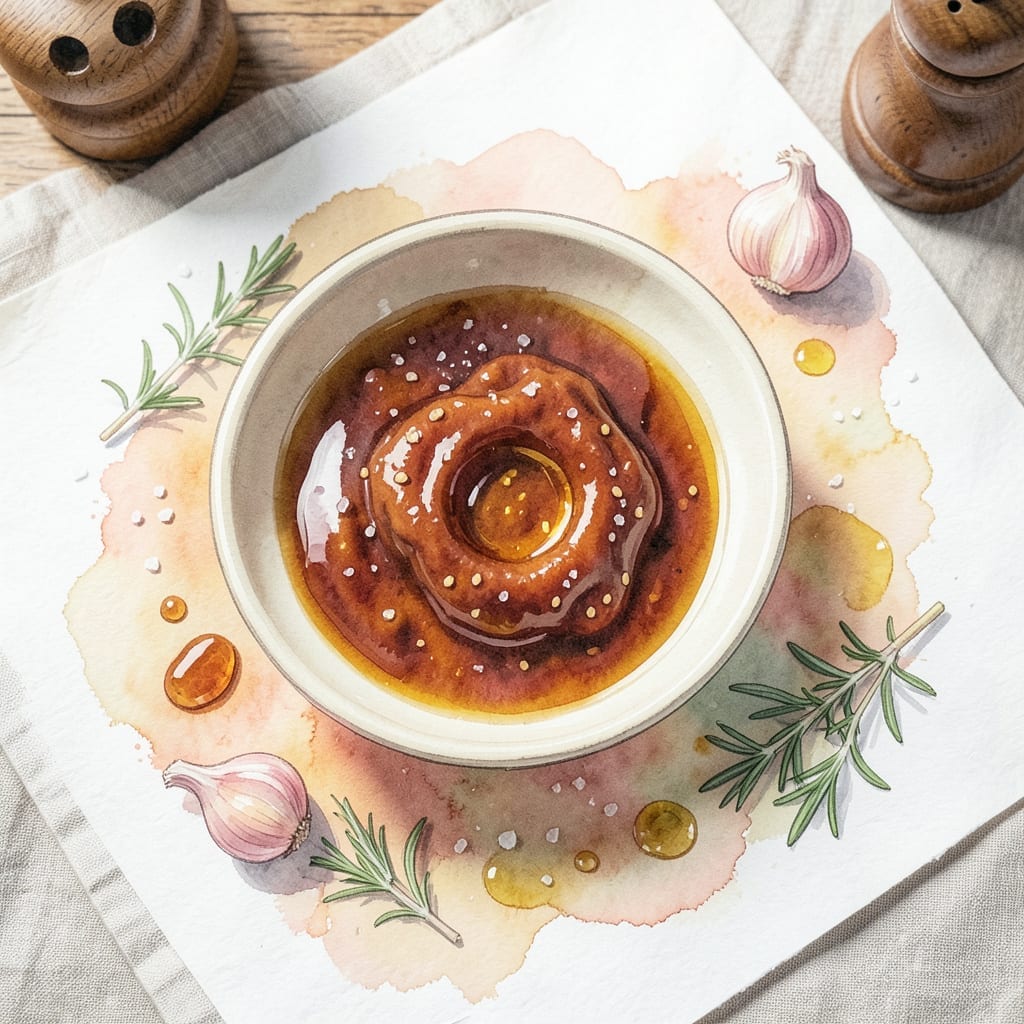
This versatile sauce transforms any dish with its perfect balance of spicy, sweet, and umami flavors. I developed this recipe after years of experimenting with Korean-inspired condiments, and it’s become my go-to for elevating everything from noodles to grilled meats.
The beauty of this sauce lies in its simplicity. A handful of pantry staples come together to create a deeply flavorful paste that’s both bold and balanced. It’s vegan by default, making it a great addition to plant-based meals.
Use it as a marinade, dipping sauce, or stir-fry base. The rich, fermented depth of gochujang shines through, while a touch of sweetness rounds out the heat. It’s incredibly adaptable to your preferred level of spice.
Store it in an airtight container in the fridge for up to two weeks. Here’s how to make it.
Ingredients for Gochujang Sauce Recipe Ideas
Eight ingredients create this bold, balanced Korean-inspired sauce with depth.
| Ingredient | Amount | Notes |
|---|---|---|
| Gochujang 🌶️ | ½ cup | Korean fermented chili paste |
| Soy Sauce 🥢 | 2 tbsp | Low-sodium preferred |
| Rice Vinegar 🍚 | 1 tbsp | Unseasoned for balance |
| Maple Syrup 🍁 | 2 tbsp | Or agave for sweetness |
| Sesame Oil 🫒 | 1 tsp | Toasted for depth |
| Garlic Cloves 🧄 | 3 cloves | Minced finely |
| Fresh Ginger 🌿 | 1 tbsp | Grated for zing |
| Sesame Seeds 🌰 | 1 tsp | Toasted for garnish |
The gochujang is non-negotiable—look for a brand like Sempio or Mother-in-Law’s at an Asian market or H Mart. The flavor varies wildly between brands, so if you find one you love, stick with it. I keep mine in the fridge after opening to preserve that deep, fermented punch. The soy sauce should be low-sodium to keep the salt in check (trust me on this).
No maple syrup? Agave or date syrup works just as well. Out of rice vinegar? Apple cider vinegar at half the amount gets you close. If you’re missing fresh ginger, ground ginger at one-quarter the amount works in a pinch. The sesame oil should be toasted—it’s what gives the sauce that nutty, aromatic finish.
This keeps beautifully in an airtight container for up to 2 weeks in the fridge. The flavors actually deepen over time, so making it a day ahead is ideal. Freezes for 3 months if you’ve got extras.
Why You’ll Love This Recipe
- Five-Minute Magic: I stir these five ingredients together faster than my coffee reheats in the microwave.
- Sweet Heat Balance: The maple syrup softens gochujang’s fire while rice vinegar keeps it bright and alive.
- Drizzle on Everything: I’ve slathered it on roasted veggies, noodles, and even scrambled eggs—never met a dish it didn’t improve.
- Stays Fresh for Days: A jar lasts me a week in the fridge, so I can pull it out for instant flavor whenever inspiration hits.
Step-by-Step Instructions for Gochujang Sauce
This simple process transforms bold ingredients into a versatile sauce with perfect balance.
Step 1: Combine the Aromatic Base
In a medium bowl, whisk together the 0.5 cup Gochujang and 2 tbsp Soy Sauce until completely smooth. The gochujang is thick and sticky, so you’ll need to press it against the bowl with the back of a spoon to break it up before whisking. This creates a uniform base for the other flavors.
Add the 1 tbsp Rice Vinegar and 2 tbsp Maple Syrup, whisking vigorously for 30-45 seconds until the mixture becomes glossy and well incorporated. The vinegar cuts through the richness while the maple syrup adds depth—you’ll notice the color lighten slightly as everything combines.
Step 2: Infuse with Fresh Flavors
Finely mince the 3 cloves Garlic Cloves and grate the 1 tbsp Fresh Ginger directly into the bowl. I always use a microplane for the ginger—it releases more of its pungent oils and blends seamlessly into the sauce. Stir these aromatics into the mixture until no visible specks remain.
At this stage, the sauce should have a vibrant, chunky texture from the garlic and ginger. Let it sit for 2-3 minutes to allow the raw edge of the garlic to mellow slightly. You’ll smell the transformation as the pungent aromas begin to meld with the fermented depth of the gochujang.
Step 3: Finish with Toasted Depth
Drizzle in the 1 tsp Sesame Oil while stirring constantly. This toasted oil adds a nutty backbone that ties all the flavors together. Watch for the sauce to take on a subtle sheen—this is the sesame oil doing its work. The consistency should be thick but pourable, like a rich salad dressing.
Taste and adjust the balance if needed. If it’s too spicy, a touch more maple syrup will help. If it needs more brightness, a few extra drops of rice vinegar will do the trick. Remember that the flavors will intensify slightly as the sauce rests.
Step 4: Garnish and Rest
Stir in the 1 tsp Sesame Seeds, reserving a pinch for garnish if desired. The seeds add a delicate crunch and visual appeal. Transfer the sauce to a jar or bowl and let it rest at room temperature for 10-15 minutes before using.
This resting period allows the flavors to marry completely. You’ll notice the sauce thickens slightly as the gochujang absorbs some of the liquids. The final result should be glossy, deeply colored, and packed with complex layers of spicy, sweet, umami, and nutty notes that make it perfect for drizzling, dipping, or marinating.
Pro Tips For Making Gochujang Sauce Recipe Ideas
- Warm the Gochujang: I learned this the hard way—cold gochujang blends unevenly and leaves lumps, so measure it out and let it sit at room temp for 10 minutes before mixing.
- Balance the Sweet: Maple syrup can overpower the sauce, so start with half what you think you need, taste, and add more in 1/2 teaspoon increments.
- Skip the Boiling: High heat kills the depth of sesame oil, so whisk everything together off the stove—just a warm water bath is enough to loosen the paste.
- Toast the Sesame: After burning three batches, I finally figured out that toasting sesame oil for 30 seconds in the pan before adding it makes a real difference in flavor.
Best Sauces and Condiments for gochujang sauce recipe ideas
Dipping Sauce Perfection
This sauce shines as a dipping companion for Korean fried chicken or crispy tofu. Thin it slightly with 1 tbsp water for easier coating. The heat cuts through the richness while the sweetness balances the salt. 🌶️
Stir-Fry Enhancer
Use 2 tbsp of this sauce to transform your stir-fry. Toss with vegetables and noodles during the final minute of cooking. The glossy texture clings beautifully to every bite.
Marinade Magic
Coat chicken thighs or tofu in 3 tbsp of the sauce and let marinate for 30 minutes before grilling. The sugars caramelize beautifully, creating a sticky, flavorful crust.
Salad Dressing Twist
Whisk 2 tbsp sauce with 1 tbsp neutral oil and 1 tsp lime juice for a bold salad dressing. Drizzle over cucumber or cabbage for a Korean-inspired slaw.
Gochujang Mayo
Mix 1 tbsp sauce with 2 tbsp mayonnaise for a creamy, spicy spread. It’s incredible on burgers, sandwiches, or as a fry dip. The mayo tames the heat while preserving the depth.
Ramen Upgrade
Stir 1 tbsp into your ramen broth for instant complexity. The fermented paste adds layers of umami that elevate even instant noodles to restaurant quality.
Nutrition Facts
Frequently Asked Questions
What can I use instead of maple syrup?
Agave, honey, or date syrup work perfectly as 1:1 substitutes. For a less sweet option, try 1 tbsp brown sugar dissolved in 1 tsp warm water.
How do I adjust the spice level?
For milder heat, add 1-2 tsp honey or reduce gochujang to 1/3 cup. For extra kick, include 1/2 tsp gochugaru (Korean chili flakes).
Can I make this sauce nut-free?
Yes! Skip the sesame oil and seeds. Use 1 tsp olive oil instead. The flavor will be slightly different but still delicious.
What dishes pair best with this?
Try it with grilled meats, tofu stir-fries, or as a dipping sauce for spring rolls. It also elevates simple rice bowls.

- BBQ Sausage Recipe Oven: Smoky Depth Without the Grill - September 28, 2026
- BBQ Chicken Bowl Recipe Rice: Smoky Sweetness Over Fluffy Grains - September 28, 2026
- Beef Cutlet Recipe Ideas: Crispy Breaded Patties With Bold Seasonings - September 28, 2026