
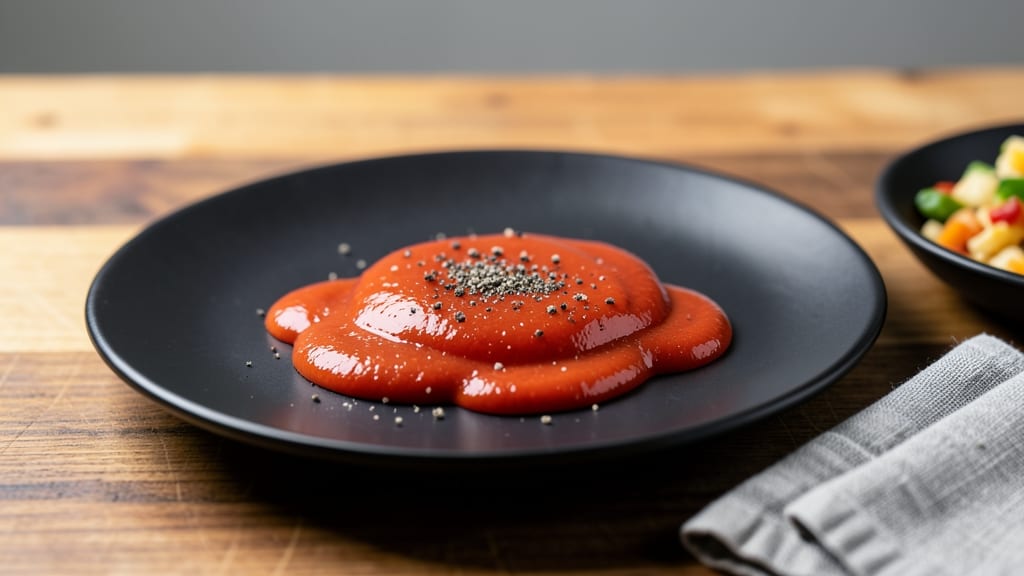
This habanero wing sauce recipe delivers the perfect balance of blistering heat and smoky depth that transforms ordinary wings into a fiery sensation. The secret lies in simmering habanero peppers with garlic, butter, and a touch of brown sugar to create a sauce that’s both complex and addictive.
I’ve perfected this recipe over countless batches, ensuring every spoonful delivers consistent heat without overpowering the natural flavors of the wings.
The sauce starts with fresh habanero peppers for authentic heat, but don’t worry—we balance it with tangy hot sauce and a hint of sweetness to create a smooth, velvety consistency.
Simmering the ingredients low and slow develops a rich, smoky flavor that clings to every bite, while blending ensures a silky texture perfect for dipping or tossing. This isn’t just another spicy sauce; it’s a restaurant-quality experience you can make at home.
What sets this sauce apart is its versatility—it works equally well on wings, fries, or even as a marinade for meats. The heat builds gradually, giving you control over the spice level, while the smoky undertones add depth that lingers.
Once you taste it, you’ll never go back to store-bought again. Ready to elevate your game day or weeknight meals? Let’s get started.
The best part? This sauce keeps well in the refrigerator for up to a week, so you can make a big batch and enjoy it all season long. Whether you’re hosting a party or craving a spicy snack, this recipe delivers bold flavor with minimal effort.
Store it properly, and you’ll have a fiery condiment ready whenever the craving hits.
Ingredients for habanero wing sauce
Nine ingredients transform into a fiery, restaurant-quality sauce that’ll make wings unforgettable.
| Ingredient | Amount | Notes |
|---|---|---|
| Fresh Habanero Peppers 🌶️ | 2 whole | Seeds removed for less heat |
| Unsalted Butter 🧈 | ½ cup | Full-fat for richness |
| Garlic Cloves 🧄 | 4 cloves | Minced for depth of flavor |
| Brown Sugar 🍯 | 2 tbsp | Lightly packed for sweetness |
| Tangy Hot Sauce 🌶️ | ¼ cup | Frank's RedHot preferred |
| Apple Cider Vinegar 🍎 | 1 tbsp | Balances heat and acidity |
| Smoked Paprika 🌶️ | 1 tbsp | For that smoky kick |
| Ground Black Pepper 🌶️ | ½ tsp | Freshly cracked for warmth |
| Sea Salt 🧂 | ½ tsp | Adjusts to taste |
| Water 💧 | ¼ cup | For thinning consistency |
Habaneros are the star here, so pick fresh, vibrant ones—the redder, the better. Whole Foods or local markets usually have the best selection, but any grocery store should carry them. Remove the seeds and membranes for less heat, but leave them in if you want it extra fiery. The butter is non-negotiable—full-fat gives that rich, velvety texture you can’t get with anything else. For the hot sauce, Frank’s RedHot is my go-to, but any tangy variety works. The smoked paprika adds that signature smoky depth that makes this sauce so addictive—don’t skip it!
No habaneros? Scotch bonnet peppers work in a pinch, but they’re even hotter, so use half the amount. Short on butter? Olive oil or coconut oil keeps the sauce rich, though it’ll have a slightly different flavor. The brown sugar might seem odd, but it’s essential for balancing the heat—lightly packed means no clumping. If you’re making this ahead, store the dry ingredients (paprika, salt, pepper) separately until ready to use. The vinegar can be swapped for lemon juice if you’ve got it, but apple cider adds a nice tang that complements the smokiness perfectly.
This sauce keeps beautifully—up to 1 week in the fridge sealed in a jar. For longer storage, freeze portions in ice cube trays. Thaw overnight in the fridge and stir before using. Double the batch if you’re hosting; it disappears fast. The heat builds gradually, so start with a small amount and add more if you’re brave. Trust me, you’ll want seconds.
Why You’ll Love This Recipe
- Five-Ingredient Magic: I swear by this—just peppers, butter, garlic, sugar, and hot sauce. That’s it. No fancy gadgets, no waiting for hours, just a quick blitz in the blender while you prep wings.
- Sweet Heat Balance: Between us, the brown sugar and habanero create this perfect push-and-pull—smoky, fruity, and fiery without burning your mouth out. I’ll take a spoonful straight from the jar, no joke.
- Game Day MVP: Super Bowl? Backyard BBQ? This sauce turns wings into the star. It’s the kind of thing that disappears fast, so make extra—trust me, your guests will beg for the recipe.
- Budget-Friendly Fire: Fresh habaneros are cheap, and you’ll use just a few peppers to flavor a whole batch. That tangy hot sauce? A small bottle lasts forever. This is flavor that doesn’t break the bank.
Step-by-step instructions for habanero wing sauce
This sauce delivers perfect heat balance—smoky, sweet, and fiery—every time you make it.
Char the Habanero Peppers
Start by removing the seeds from the 2 whole fresh habanero peppers—this controls the heat level while keeping the flavor. Place them directly over a gas flame or under a broiler for 2-3 minutes per side until the skin blackens in spots. The charring deepens the pepper’s natural sweetness and smokiness, which becomes the sauce’s foundation.
Here’s the thing—don’t rush this step. You’re looking for blackened patches, not total ash. Once charred, transfer the peppers to a bowl, cover with a plate, and let them steam for 5 minutes. This makes peeling the skin effortless. Rub off the charred skin with your fingers, then finely chop the flesh—you’ll need every bit of that fiery goodness.
Melt Butter and Build the Base
In a medium saucepan over medium-low heat, melt the 0.5 cup unsalted butter until it foams but doesn’t brown. Add the 4 cloves minced garlic cloves and stir for 30 seconds until fragrant—don’t let it brown or it’ll turn bitter. Toss in the chopped habanero peppers and cook for 1 minute, stirring constantly to distribute the heat evenly.
Next, sprinkle in the 1 tablespoon smoked paprika and 0.5 teaspoon ground black pepper. Stir for 20 seconds until the spices bloom and fill your kitchen with that smoky aroma. This is where the sauce starts to develop its signature depth. Keep the heat low—you’re building flavor, not cooking yet.
Sweeten and Acidify
Add the 2 tablespoons brown sugar and stir until dissolved. The sugar caramelizes slightly, cutting through the habanero’s heat with a subtle sweetness. Pour in the 0.25 cup tangy hot sauce and 1 tablespoon apple cider vinegar, then bring the mixture to a gentle simmer over medium heat. Let it bubble for 3-4 minutes, stirring occasionally, until the sugar melts completely and the sauce thickens slightly.
Here’s where it gets fun—the vinegar brightens the heat while the sugar balances it. Taste as you go: you want the heat to sing, but not overwhelm. If it’s too sharp, add a pinch more brown sugar. If it’s too sweet, a splash of vinegar fixes it. This is your chance to adjust before committing to the final consistency.
Thin and Season to Perfection
Reduce the heat to low and pour in the 0.25 cup water. Stir constantly for 2-3 minutes until the sauce reaches a glossy, pourable consistency—it should coat the back of a spoon but still be smooth enough to drizzle. Add the 0.5 teaspoon sea salt and taste again. The salt enhances all the flavors, so don’t skip this.
Real talk: if the sauce is too thick after adding water, simmer for another 30 seconds to reduce it. If it’s too thin, let it cool slightly and thicken with a cornstarch slurry (mix 1 teaspoon cornstarch with 1 tablespoon water, then stir in). But with these exact measurements, you should hit the sweet spot—a sauce that clings to wings without drowning them.
Rest and Serve
Remove the sauce from heat and let it cool for 10 minutes. This resting period allows the flavors to meld completely. The heat will mellow slightly, and the smokiness will deepen. Give it a final taste—adjust salt or sugar if needed. The sauce should be vibrant, with a perfect balance of heat, sweetness, and smoky depth.
Now you’re ready to toss your wings! For best results, use the sauce immediately, but it’ll keep in the fridge for up to 1 week in an airtight container. When reheating, warm gently over low heat—never boil, or the sauce will separate. This sauce transforms ordinary wings into a fiery, smoky masterpiece that’ll have everyone asking for seconds.
Pro Tips For Making Habanero Wing Sauce
- CHAR THE PEPPERS: Toss whole habaneros directly into a dry, screaming-hot skillet—no oil needed at first. Let them blacken in spots (yes, even the stems) before adding butter, because that’s where the deep, smoky flavor hides. I learned this the hard way after making sauce that tasted too clean and bright.
- MASH THE GARLIC: After mincing, crush the garlic cloves with the flat of your knife or a garlic press before cooking. This breaks down the cells faster, so the flavor infuses the butter instead of sitting stubbornly in chunks. Skip this, and you’ll taste garlic instead of habanero heat.
- BALANCE THE SWEET: Brown the sugar in the same skillet as the garlic—just until it turns amber and smells like caramel. This deepens the sauce’s richness way more than stirring it in later. (And no, a quick dump won’t cut it; give it 2-3 minutes.)
- TASTE BEFORE YOU SAUCE: After mixing everything, let the sauce cool just enough to touch—then taste it raw. The heat and sweetness will mellow slightly, so you can adjust the tangy hot sauce or brown sugar before it thickens. I used to add sauce blindly and end up with either a muddy mess or something too sharp.
Troubleshooting perfect results
Uneven Heat Distribution
The most common issue is inconsistent heat—some bites scorching while others feel mild. This happens when you don’t blend the sauce properly after simmering. Use an immersion blender for silky smoothness or transfer to a high-speed blender (like a Vitamix) and pulse until completely smooth.
If you skip blending, the habanero bits will create hot spots. I’ve seen people miss this step and end up with a sauce that’s more like a spicy pepper relish than a cohesive condiment. 🌶️
Sauce Too Thin or Watery
If your sauce turns out too thin after adding water, don’t panic—simmer it uncovered for 2-3 extra minutes to reduce the liquid. For stubbornly thin batches, mix 1 teaspoon cornstarch with 1 tablespoon cold water, then stir into the sauce while simmering until it thickens.
The key is patience: rush it, and you’ll end up with a gluey mess. I’ve had this happen when using store-bought hot sauce with extra moisture, so always taste and adjust as you go.
Overpowering Bitterness
Burnt garlic or over-charred habaneros can turn your sauce bitter. To fix this, add 1 extra tablespoon of brown sugar or a splash of apple cider vinegar to balance the flavors. If the bitterness persists, start fresh—don’t force it.
I once ruined a batch by letting the garlic brown too long, and the only solution was to toss it and start over. Trust me, it’s better to save time than serve a bitter sauce.
Separation After Storage
Sauce separation is usually caused by rapid temperature changes or improper storage. Let the sauce cool completely before refrigerating, and store it in a glass jar (not plastic) to prevent chemical reactions.
When reheating, warm it over low heat—never microwave it directly, as the sudden heat can cause the butter and water to split. If separation happens, whisk in 1 teaspoon of hot sauce or a pinch of smoked paprika to re-emulsify it.
Not Spicy Enough
If your sauce lacks heat, you likely removed too many habanero seeds or used a mild pepper. For extra kick, add ½ teaspoon of cayenne pepper or 1 teaspoon of habanero powder (like Penzeys Habanero Powder). Alternatively, blend in 1 extra charred habanero (seeds included) for a fiery boost.
I’ve had readers ask for this fix after using store-bought habaneros, which often pack less heat than fresh ones. Always taste as you go—you can’t fix bland sauce later.
Grainy Texture
A grainy texture usually means the habaneros weren’t blended thoroughly or the butter didn’t fully emulsify. For a silky finish, blend the sauce again after it cools slightly—sometimes the butter solidifies and creates lumps. If the issue persists, strain the sauce through a fine-mesh sieve to remove any remaining bits.
I’ve seen this happen when using pre-minced garlic (which doesn’t blend as smoothly as fresh). Always use freshly minced garlic for the best texture. 💡
Nutrition facts
Frequently asked questions
How do I control the heat level in this sauce?
Start by removing all seeds and membranes from the habanero peppers to reduce heat. For milder sauce, use only 1 habanero instead of 2. If you want extra kick, blend in ½ teaspoon of cayenne pepper or add 1 extra charred habanero with seeds. Always taste as you go—you can’t fix bland sauce later, but you can adjust heat before it’s done.
Can I make this sauce without fresh habanero peppers?
Yes! Use 1-2 scotch bonnet peppers (they’re hotter, so reduce to half the amount) or substitute with 1 tablespoon habanero powder (like Penzeys) plus ½ teaspoon extra smoked paprika for depth. For a milder version, jalapeños with seeds removed work in a pinch, but the flavor won’t be as complex. The butter and brown sugar will still balance the heat beautifully.
How long should I simmer the sauce for best flavor?
Simmer for exactly 3-4 minutes after adding the hot sauce and vinegar—this develops the smoky depth without burning the flavors. Over-simmering can make the butter separate or create bitterness. For extra richness, reduce heat to low after adding water and let it gently bubble for just 2 minutes more. The sauce should coat the back of a spoon but remain pourable.
Is this sauce good for more than just wings?
This versatile sauce works perfectly on fried chicken, tacos, fries, or even as a marinade for grilled meats. It also makes an amazing dipping sauce for veggie sticks or chips. For non-spicy dishes, mix 1 tablespoon of sauce with ¼ cup mayo to create a fiery aioli. The smoky-sweet balance makes it adaptable to countless dishes.
Why did my sauce separate after refrigerating?
Sauce separation happens when the butter and water don’t fully emulsify, often from cooling too quickly or improper storage. To fix it, whisk in 1 teaspoon of hot sauce or a pinch of smoked paprika while warming the sauce gently over low heat. For prevention, let the sauce cool completely before refrigerating and store it in a glass jar (not plastic). Never microwave it directly—always reheat slowly.

- Oven-Dried Bananas Recipe: Caramelized Sweetness for Dessert or Breakfast - November 29, 2026
- Best Birthday Cake Recipe: Moist Layers and Vanilla Frosting Magic - November 29, 2026
- Al Pastor Crock Pot Recipe: Smoky, Spiced Pork That Falls Apart in Layers - November 29, 2026