
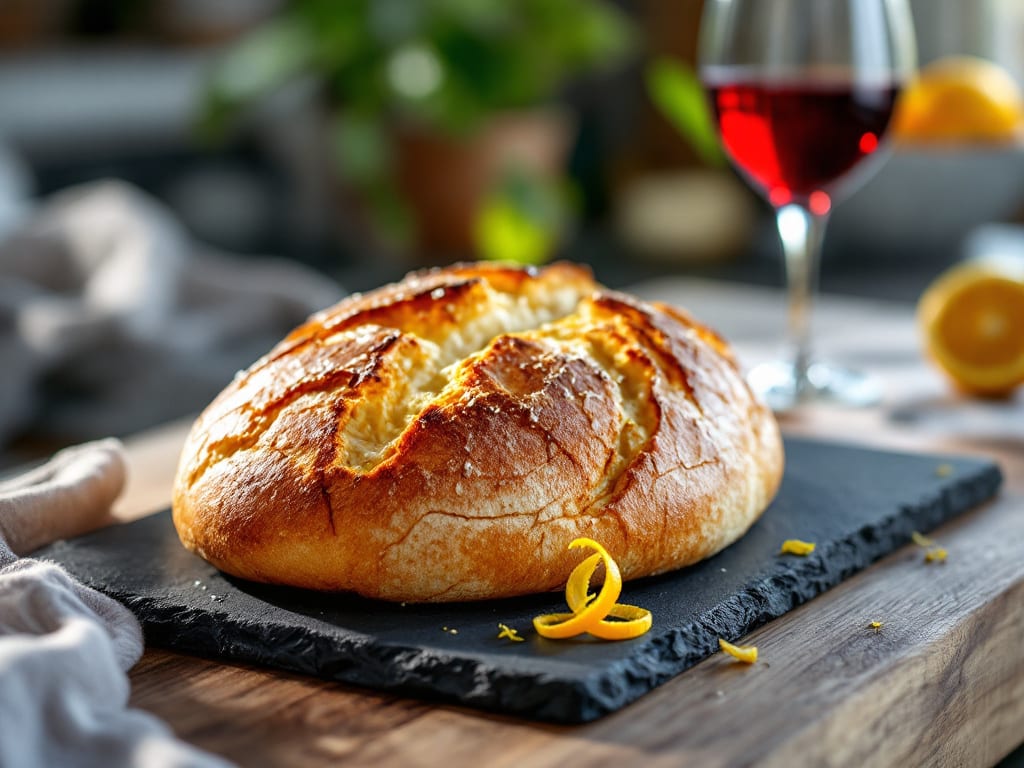
This halla bread recipe delivers the perfect balance of flaky layers and sweet rice stuffing that makes every bite unforgettable. The secret lies in layering thin dough with a fragrant rice mixture, creating a harmonious blend of textures and flavors that’s both comforting and impressive.
I’ve perfected this technique over years of baking, ensuring each piece turns out with those signature crispy edges and tender, flaky centers.
The dough requires just five simple ingredients, including flour, yogurt, and a touch of oil, while the rice stuffing combines basmati rice with cinnamon, raisins, and cardamom for a sweet, aromatic filling.
The key to success is patience—allowing the dough to rest and the layers to build gradually ensures that final flakiness. This recipe is designed to be approachable yet professional, delivering restaurant-quality results in your own kitchen.
By the time you pull the golden-brown halla bread from the oven, you’ll have a dish that’s as beautiful as it is delicious. The flaky layers separate effortlessly, revealing pockets of sweet, spiced rice that add a delightful contrast to every bite.
Serve it warm alongside stews, dips, or as a standalone treat, and you’ll have a centerpiece that feels both traditional and refined.
Whether you’re hosting a gathering or simply craving a taste of Middle Eastern comfort food, this recipe delivers. The combination of crispy, flaky dough and fragrant rice stuffing makes it a versatile side that pairs perfectly with a variety of meals. Let’s get started on creating your perfect halla bread.
Ingredients for halla bread
Five ingredients for the dough, six for the rice stuffing—simple yet transformative.
| Ingredient | Amount | Notes |
|---|---|---|
| All-Purpose Flour 🌾 | 5 cups | High-protein preferred for flakiness |
| Plain Yogurt 🥛 | 2 cups | Full-fat for best texture |
| Unsalted Butter 🧈 | ½ cup | Cold, cubed for layering |
| Basmati Rice 🍚 | 1 cup | Uncooked, long-grain preferred |
| Golden Raisins 🍇 | ½ cup | Plumped in warm water |
| Ground Cinnamon 🌿 | 1 tbsp | Freshly ground for aroma |
| Ground Cardamom 🌿 | ½ tsp | Toasted for enhanced flavor |
| Granulated Sugar 🍚 | ¼ cup | Light brown preferred |
| Salt 🧂 | 1 tsp | Diamond Crystal kosher |
| Vegetable Oil 🫒 | 2 tbsp | For dough and brushing |
| Milk 🥛 | ¼ cup | Warm for dough activation |
| Honey 🍯 | 1 tbsp | For brushing layers |
The flour is non-negotiable here—King Arthur or Gold Medal work best for that signature flakiness. I always grab mine from Whole Foods or the bulk bins at Trader Joe’s for the highest protein content. For the yogurt, full-fat Greek yogurt (like Fage) gives the best texture, but regular plain yogurt works in a pinch. The butter should be cold—cold enough to hold its shape when cubed. If it’s too soft, chill it for 30 minutes before using. The basmati rice? Jasmine works too, but basmati’s distinct aroma is traditional.
No raisins? Chopped dried apricots or dates add a similar sweetness. The cinnamon and cardamom can be swapped for allspice or nutmeg, though the flavor profile shifts slightly. If you’re short on time, pre-cook the rice and mix it with the dry ingredients ahead—just keep it covered to prevent drying. For the dough, warm milk activates the yeast faster if you’re using it, but this recipe relies on the natural fermentation of yogurt for leavening. The honey? Maple syrup works too, but honey adds that subtle floral note that pairs perfectly with the spiced rice.
The dough needs at least 2 hours of rest—don’t rush it. Wrap it tightly in plastic and refrigerate overnight if you have time. The rice filling can be prepped a day ahead and stored in an airtight container. Once assembled, the halla bread keeps 3 days at room temperature wrapped in a clean towel, or up to 1 week in the fridge. For reheating, cover with foil and warm at 350°F for 10-15 minutes—this prevents it from drying out.
Why You’ll Love This Recipe
- No-Knead Magic: I swear by this dough—just mix, rest, and bake. The yogurt keeps it tender without fuss, and the butter layers melt into flaky perfection. Honestly, my lazy Sundays thank me every time.
- Sweet-Savory Surprise: That basmati rice adds a subtle nuttiness, while the raisins burst with jammy sweetness. It’s not just bread—it’s a flavor party where every bite balances rich, buttery layers with a hint of fruit.
- Weeknight & Holiday Star: Serve it warm with soup or tear it into croutons for salads. (Yes, even on a Tuesday night.) For special occasions? The same dough becomes a showstopper when brushed with honey and sprinkled with flaky salt.
- Budget-Friendly Staple: Uses pantry basics—flour, yogurt, butter—and stretches into multiple meals. I make two loaves, freeze one, and still have leftovers for days. Zero waste, all flavor.
Step-by-step instructions for halla bread recipe
Let’s create this layered masterpiece with crispy, flaky perfection and a sweet rice center.
Prepare the Sweet Rice Filling
In a medium saucepan, combine the 1 cup basmati rice, 0.5 cup golden raisins, 0.25 cup granulated sugar, 1 tbsp ground cinnamon, and 0.5 tsp ground cardamom. Add 0.25 cup milk and 1 tbsp honey, then stir gently to coat all ingredients. This mixture will form the bread’s signature sweet center.
Bring the mixture to a gentle boil over medium heat, then reduce to a simmer. Cover and cook for 15-18 minutes, stirring occasionally, until the rice is tender and the liquid has been absorbed. The filling should be moist but not soupy—it should hold its shape when packed into the dough layers. Let it cool completely before using, as warm filling can make the dough too sticky to handle.
Here’s the thing—this filling needs to be perfectly balanced. If it’s too wet, your bread will be dense; if too dry, the layers won’t crisp properly. You’re aiming for a texture similar to well-cooked risotto—moist but firm enough to hold its shape when pressed.
Create the Flaky Dough Layers
In a large mixing bowl, combine the 5 cups all-purpose flour and 1 tsp salt. Make a well in the center and add the 2 cups plain yogurt and 0.5 cup unsalted butter, cut into small cubes. Using a pastry cutter or your fingers, work the butter into the flour until the mixture resembles coarse crumbs with pea-sized butter pieces throughout.
Gradually add 2 tablespoons vegetable oil and mix just until the dough begins to come together. Avoid overmixing—this will develop gluten and make the layers tough. The dough should be shaggy but hold together when pressed. Divide the dough into three equal portions and flatten each into a 6-inch circle about ¼-inch thick. Keep them covered while you prepare the filling.
Real talk: The butter distribution is critical. You want those cold butter pieces to create steam pockets when baked, giving you those signature flaky layers. If your dough feels too dry, add 1 teaspoon warm milk at a time until it just comes together.
Assemble the Halla Bread
Take one dough circle and place it on a lightly floured surface. Spread a thin layer of the cooled rice filling across the surface, leaving a ½-inch border uncovered. Be gentle—you don’t want to tear the delicate dough. Fold the dough over the filling to create a half-moon shape, sealing the edges by pressing firmly with your fingers.
Repeat this process with the remaining two dough portions. For each one, spread the filling evenly and fold carefully. Place the assembled half-moons on a parchment-lined baking sheet, seam-side down. Brush the tops with a little warm milk to help them brown beautifully in the oven.
This is where precision matters. The filling should be evenly distributed, and the edges should be well-sealed. If you see any gaps, press them closed before baking. The bread will expand dramatically, so leave about 2 inches between each piece on the baking sheet.
Bake to Golden Perfection
Preheat your oven to 375°F. Bake the halla bread for 25-30 minutes, until the tops are deep golden brown and the edges are crisp. The bread should have risen noticeably and developed that beautiful caramelized crust that’s characteristic of traditional halla.
Here’s the moment that matters: The bread is done when it pulls away slightly from the edges of the baking sheet and has a hollow sound when tapped on the bottom. If it’s browning too quickly, tent with foil to prevent burning while allowing the center to cook through.
Let the bread cool for 10 minutes before serving. This resting period allows the layers to set properly and prevents the filling from oozing out when you slice into it. The contrast of crispy, flaky layers with the warm, spiced rice filling is what makes this bread truly special.
Pro Tips For Making Halla Bread
- Soak Raisins Properly: Toss those golden raisins in warm water for 10 minutes first—they’ll plump up and soften just enough to melt into the dough without turning into a chewy surprise. I learned this the hard way when I skipped it and ended up with raisin rocks in every bite.
- Chill the Dough Twice: After mixing, let the dough rest for 1 hour at room temp, then refrigerate it overnight. This isn’t just about convenience—it gives the yogurt time to fully tenderize the flour and makes shaping the bread way easier. (Yes, even if you’re impatient like me.)
- Butter Matters More: Use cold, cubed butter—not melted—when mixing it into the dough. If you soften it first, you’ll end up with dense bread instead of that signature flaky, buttery texture. I was skeptical until I tried it.
- Shape Loosely, Not Tightly: Don’t overwork the dough when shaping—press it gently into the pan, leaving a little space between layers. Too much pressure flattens the rice and raisins, turning your halla into a sad, compact brick. Think “light hands, not a sledgehammer.”
Storing and reheating this recipe
Room-Temperature Storage
Halla bread stays fresh at room temperature for 3 days when wrapped in a clean, dry kitchen towel. The towel helps maintain moisture while allowing airflow to prevent sogginess. Store it in a paper bag or airtight container if you prefer, but the towel method preserves that signature crispiness.
I always keep mine on the counter—it’s perfect for serving warm throughout the day. 🌾
Fridge Preservation
For longer storage, refrigerate your halla bread in an airtight container for up to 1 week. The cold slows down staling, but the texture will be slightly denser. To revive it, let it sit at room temperature for 30 minutes before reheating.
I use glass containers with tight-sealing lids (like Pyrex) to prevent moisture buildup that can make the layers gummy.
Freezer-Friendly Method
Freeze unbaked halla bread for up to 2 months by wrapping each piece individually in plastic wrap, then placing them in a freezer bag. Bake straight from frozen at 375°F for 35-40 minutes, adding 5-10 minutes if needed.
For baked bread, freeze in slices—this makes perfect toast or sandwiches later. I always label bags with the date to track freshness. ❄️
Reheating Perfection
Warm halla bread at 350°F for 10-15 minutes, covered with foil to retain moisture. For crispy edges, place it on a baking sheet lined with parchment paper. If using the microwave, heat for 20-30 seconds on medium power—this keeps the filling warm without overcooking the dough.
I avoid microwaving when possible because it can make the layers rubbery.
Reviving Day-Old Bread
If your halla bread loses its crispness, revive it by brushing with warm milk or melted butter and reheating at 375°F for 5-7 minutes. This restores the golden crust and flaky texture.
For extra flair, sprinkle with powdered sugar** before serving—it mimics the fresh-from-oven experience. This trick works especially well for bread that’s been stored in the fridge overnight. 💫
Nutrition facts
Frequently asked questions
Why does my halla bread turn out dense instead of flaky?
The most common cause is overmixing the dough or using warm butter. Cold butter creates steam pockets for flakiness, so keep it chilled until ready to use. Also, avoid pressing the dough too hard when assembling—gentle folds preserve those delicate layers. Let the dough rest at least 2 hours before baking to relax the gluten.
Can I make halla bread without yogurt?
Yes, but the texture will differ. Substitute with 1 cup melted butter plus 1 cup warm milk for the same leavening effect. For extra richness, use 2 cups melted butter instead. The bread will be more buttery but less tender than the yogurt version.
What’s the best way to serve halla bread?
Warm halla bread pairs perfectly with spiced lamb stews, hummus, or olive tapenade. For a sweet touch, serve with clotted cream and honey. The flaky layers also make it ideal for breakfast sandwiches with scrambled eggs and za’atar.
How do I prevent the filling from leaking out?
Seal the edges tightly when folding and use a filling that’s moist but not soupy. Let the bread cool 10 minutes before slicing to set the layers. If the filling is too wet, mix in 1 extra tablespoon of flour to absorb excess moisture. The rice should hold its shape when packed into the dough.
Is there a gluten-free version of this recipe?
Yes! Replace the all-purpose flour with a 1:1 gluten-free baking blend (like Bob’s Red Mill) and add 1 tsp xanthan gum to improve texture. The dough may be slightly crumbly, so handle it gently. For the filling, use glutinous rice instead of basmati to bind better. Expect a denser texture but still delicious results.

- Applebee’s Lemon Chicken with Quinoa Recipe: Bright Citrus Glaze and Fluffy Quinoa Fusion - November 29, 2026
- Oven-Dried Bananas Recipe: Caramelized Sweetness for Dessert or Breakfast - November 29, 2026
- Best Birthday Cake Recipe: Moist Layers and Vanilla Frosting Magic - November 29, 2026