
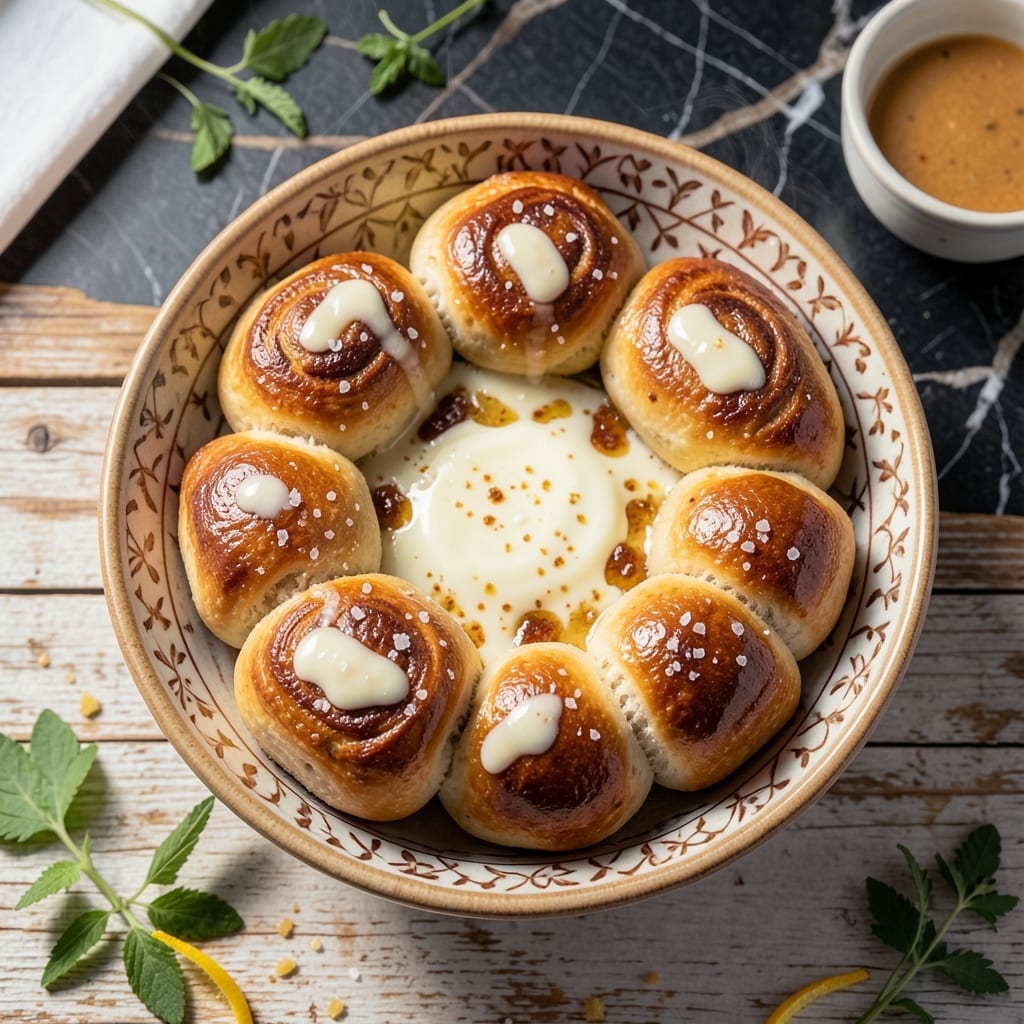
These rolls deliver the perfect balance of soft texture and subtle sweetness that makes Hawaiian bread irresistible. The pineapple juice in the dough creates a tender crumb with a hint of tropical flavor.
I developed this recipe after testing multiple versions to achieve that signature fluffy yet slightly chewy consistency. The secret lies in the precise ratio of warm liquids to flour, ensuring the dough rises properly without becoming dense.
You’ll end up with golden-brown rolls that pull apart easily, with just the right amount of sweetness. They’re ideal for dinner rolls, sandwiches, or simply enjoying warm with butter.
This method produces consistent results every time, with a baking process that guarantees even browning and a perfectly soft interior.
Ingredients for Hawaiian Rolls
Soft, sweet, and subtly tropical—these ingredients create that signature fluffy texture with pineapple tang.
| Ingredient | Amount | Notes |
|---|---|---|
| All-Purpose Flour 🌾 | 4 ½ cups | Plus extra for dusting |
| Granulated Sugar 🍚 | ½ cup | Divided for dough and topping |
| Unsalted Butter 🧈 | ½ cup | Melted and cooled |
| Large Eggs 🥚 | 2 whole | Room temperature |
| Pineapple Juice 🍍 | 1 cup | 100% juice, no added sugar |
| Warm Milk 🥛 | ½ cup | Whole milk preferred |
| Active Dry Yeast 🍞 | 2 ¼ tsp | One packet plus extra |
| Salt 🧂 | 1 ½ tsp | Fine sea salt preferred |
| Vanilla Extract 🌿 | 1 tsp | Pure extract for best flavor |
| Crushed Pineapple 🍍 | ½ cup | Well-drained, optional for texture |
The pineapple juice is non-negotiable for authentic flavor. Canned 100% juice works perfectly—avoid blends with added sugars. King Arthur Flour or similar high-protein all-purpose flour ensures the right rise. For the milk, whole milk adds richness, but 2% works in a pinch. Yeast freshness matters—check the expiration date and store it in the freezer to extend shelf life.
No pineapple juice? Orange juice with a splash of lemon mimics the tang, though the flavor profile shifts slightly. For a dairy-free version, unsweetened almond milk substitutes well. The crushed pineapple adds moisture and texture but can be omitted for a smoother crumb. Butter substitutes like coconut oil work, but expect a subtle flavor change.
Dough rises best in a warm, draft-free spot. Baked rolls stay fresh for 2-3 days in an airtight container. For longer storage, freeze for up to 1 month—reheat wrapped in foil to restore softness. Always bring eggs and butter to room temperature before mixing.
Why You’ll Love This Recipe
- Mix and Forget: I toss everything in one bowl, let it rise, and the oven does the rest.
- Sweet tropical punch: That pineapple juice in the dough gives every bite a subtle, sunny sweetness.
- Feeds a crowd: I bake a double batch for potlucks and watch them vanish first.
- Stays soft for days: Honestly, they’re still pillowy-soft even three days later in a ziplock.
Step-by-Step Instructions for Hawaiian Rolls
Master the technique for pillowy, golden rolls with just the right balance of sweetness and tropical flavor.
Step 1: Activate the Yeast and Begin the Dough
In the bowl of a stand mixer, combine the warm milk, pineapple juice, granulated sugar, and active dry yeast. Let it sit for 5-7 minutes until the mixture becomes foamy and the yeast activates—this visual confirmation means your yeast is alive and ready to work.
Once foamy, add the melted and cooled unsalted butter, large eggs, vanilla extract, and salt. Mix on low speed for 30 seconds until the wet ingredients are thoroughly combined. The butter should be just warm to the touch, not hot, to avoid killing the yeast.
Step 2: Incorporate the Dry Ingredients
With the mixer running on low speed, gradually add 4.5 cups all-purpose flour in 1-cup increments, allowing each addition to fully incorporate before adding more. This gradual process prevents the flour from flying out of the bowl and ensures even distribution.
After all the flour is added, increase the speed to medium and knead for 6-8 minutes until the dough is smooth, elastic, and pulls away from the sides of the bowl. If the dough feels too sticky, add a sprinkle of extra flour, 1 tablespoon at a time, but avoid adding too much—this dough should remain slightly tacky.
Step 3: Add Crushed Pineapple and First Rise
If using, gently fold in the 0.5 cup crushed pineapple by hand with a silicone spatula, ensuring it’s evenly distributed throughout the dough. The pineapple adds texture and enhances the tropical flavor, but be sure it’s well-drained to avoid excess moisture.
Transfer the dough to a lightly greased bowl, cover it with a clean kitchen towel, and let it rise in a warm, draft-free place for 1 to 1.5 hours, or until it has doubled in size. This first rise is critical for developing the rolls’ tender, airy texture.
Step 4: Shape and Second Rise
Once the dough has doubled, gently punch it down to release the air. Turn it out onto a lightly floured surface and divide it into 12 equal portions. Roll each portion into a smooth ball and place them in a greased 9×13-inch baking pan, spacing them slightly apart.
Cover the pan with the kitchen towel and let the rolls rise again for 45-60 minutes, or until they have puffed up and nearly doubled in size. They should look soft and pillowy, and when you press one gently with your finger, it should spring back slowly.
Step 5: Bake to Golden Perfection
Preheat your oven to 350°F. Once the rolls have finished their second rise, bake them for 20-25 minutes, or until they are golden brown on top and sound hollow when tapped lightly.
Remove the pan from the oven and, if desired, brush the tops with additional melted unsalted butter while they’re still warm. This adds a glossy finish and extra richness. Let the rolls cool in the pan for 5-10 minutes before serving warm.
Pro Tips For Making Hawaiian Rolls
- Warm the Pineapple Juice: Take the pineapple juice out 30 minutes before mixing—cold liquid slows yeast activation and can leave your rolls dense.
- Soften Butter Right: Use butter that’s soft enough to dent with a finger but not melted; I learned this the hard way after my first batch spread flat.
- Skip Overproofing: Let the dough rise until just doubled—any longer and the rolls lose structure, especially with the extra sugar in this recipe.
- Brush Twice: Hit the rolls with melted butter right when they come out of the oven, then again after 5 minutes for that glossy, rich finish.
Flavor Customization for This Recipe
Sweetness Adjustments
For a sweeter roll, increase granulated sugar to ¾ cup in the dough. I often do this when serving them as a dessert-like treat. Balance it with an extra ½ tsp vanilla extract for depth. The pineapple juice already adds natural sweetness, so taste the dough before adjusting. 💛
Tropical Twist
Swap the crushed pineapple for ½ cup finely diced fresh mango or passion fruit pulp. These fruits intensify the tropical profile while keeping the texture soft. Drain excess juice to maintain the right dough consistency.
Citrus Infusion
Add 1 tbsp orange zest or lime zest to the dough for a bright, citrusy note. This pairs beautifully with the pineapple. I love adding 1 tsp coconut extract alongside the vanilla for a vacation-in-a-bite flavor.
Savory Option
Reduce sugar to ¼ cup and add 1 tsp garlic powder plus 1 tbsp chopped fresh chives. These rolls work wonderfully as dinner companions. Brush with garlic-herb butter after baking for extra savory appeal. 🌟
Texture Variations
For a heartier texture, replace 1 cup all-purpose flour with whole wheat flour. The rolls will be slightly denser but still soft. Alternatively, add ¼ cup toasted coconut flakes for a tropical crunch.
Glaze Finish
After baking, drizzle with a simple glaze of ½ cup powdered sugar mixed with 1 tbsp pineapple juice. This adds a sweet, glossy finish. Sprinkle with toasted macadamia nuts for texture contrast.
Nutrition Facts
Frequently Asked Questions
Can I use fresh pineapple instead of juice?
Use 1 cup strained fresh pineapple juice, but avoid the pulp. It works perfectly and maintains the tropical flavor.
Why didn’t my rolls rise properly?
Check your yeast freshness and liquid temperature. Yeast needs 110-115°F liquids to activate. Old yeast or too-hot liquids can prevent rising.
How do I store leftover rolls?
Keep in an airtight container at room temperature for 2-3 days. For longer storage, freeze for up to 1 month and reheat wrapped in foil.
Can I make these without a stand mixer?
Yes! Knead by hand for 10-12 minutes until smooth. The process takes more effort but produces equally great results.

- BBQ Sausage Recipe Oven: Smoky Depth Without the Grill - September 28, 2026
- BBQ Chicken Bowl Recipe Rice: Smoky Sweetness Over Fluffy Grains - September 28, 2026
- Beef Cutlet Recipe Ideas: Crispy Breaded Patties With Bold Seasonings - September 28, 2026