
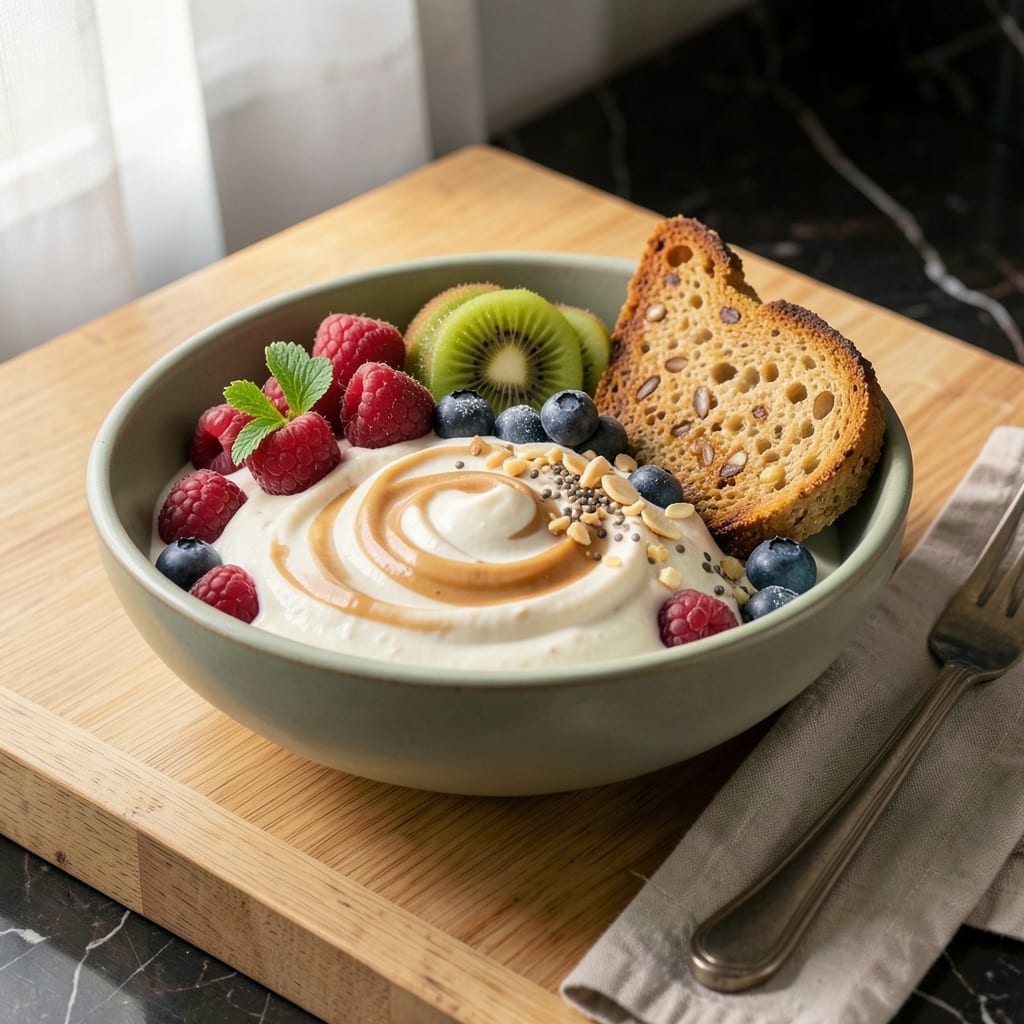
Herbalife shakes can be customized with fruits, nut butters, spices, or plant-based milks to boost flavor and nutrition. Popular combinations include banana-peanut butter, chocolate-raspberry, or tropical mango-coconut for balanced meals or snacks.
I love how versatile these shakes become when you understand the nutrition science behind them. 🔥 The protein base in Herbalife’s formula creates the perfect canvas for add-ins—fruits contribute natural sweetness and fiber, while nut butters or avocado provide healthy fats that keep you full for hours. What’s brilliant is how small tweaks can transform a basic shake into a post-workout recovery drink, a creamy dessert alternative, or even a caffeine-free energy booster with ingredients like chia seeds or matcha powder.
My pro tip: Always consider texture contrasts. A frozen banana makes shakes thicker without ice, while a splash of coconut water adds hydration benefits. The combinations are endless once you grasp how different food groups interact to support your specific health goals.
💡 In This Article
- How Herbalife Shake Ingredients Work Together for Nutrition
- 5-Minute Herbalife Shake Recipes for Busy Mornings
How Herbalife Shake Ingredients Work Together for Nutrition
The magic happens when Herbalife’s protein-rich base (typically 9-15g per serving) combines with strategic add-ins. The formula already contains a blend of soy and whey proteins that provide all essential amino acids.
When you add fiber sources like berries (4-8g fiber per cup) or chia seeds (10g fiber per 2 tbsp), you’re creating a digestive synergy that slows sugar absorption and maintains steady energy levels. This pairing is particularly effective for weight management because it triggers satiety hormones while keeping blood sugar stable.
Healthy fats transform both texture and nutrition. A tablespoon of almond butter adds 8g of plant-based fats that help fat-soluble vitamins (A, D, E, K) from the shake base absorb more efficiently.
The fats also create a creamy mouthfeel that satisfies cravings—studies show this can reduce snacking by up to 30% in the hours following consumption. For comparison, avocado provides similar benefits but with 20 vitamins and minerals including potassium, which helps balance the shake’s natural sodium content.
Micronutrient boosting is where customization shines. Adding ½ cup spinach contributes 145% daily vitamin K and 40% vitamin A with virtually no taste change. Cinnamon doesn’t just add warmth—it contains compounds that may improve insulin sensitivity by up to 10-29%.
The base formula’s 21 vitamins and minerals act as a foundation that these add-ins build upon, creating what nutritionists call “nutrient density”—more health benefits per calorie than most conventional meals.
Timing matters too. Consuming these shakes within 30 minutes post-workout maximizes protein synthesis because the whey protein absorbs quickly while the casein in soy provides sustained amino acid release. The carbohydrate sources you choose (fruit vs oats) determine whether the shake functions as recovery fuel or steady energy.
I’ve found blending ½ banana with ½ cup oats creates the ideal 3:1 carb-to-protein ratio that research shows optimizes muscle repair while replenishing glycogen stores.
Hydration elements often get overlooked. Using coconut water instead of regular water adds 600mg potassium per cup—crucial for electrolyte balance, especially after sweating. The natural enzymes in coconut water may also enhance protein digestion. For those watching calories, unsweetened almond milk cuts 50-60 calories per cup compared to dairy while still providing creaminess.
The liquid choice affects both the shake’s osmolality (how quickly it hydrates you) and the bioavailability of its nutrients.
Temperature plays a surprising role in nutrient availability. Blending with ice or frozen fruit creates a 40-45°F shake that may slightly slow digestion, prolonging nutrient absorption. Room temperature shakes (68-72°F) allow enzymes in add-ins like ginger or pineapple to remain more active, potentially aiding digestion.
This is why I recommend adjusting temperature based on your goals: cooler for sustained energy, room temp for quicker nutrient uptake and digestive comfort.
The flavor science is equally fascinating. Vanilla and chocolate bases contain different phenolic compounds that interact with add-ins. Vanilla’s vanillin enhances sweet perception, allowing you to use 25% less added sweetener. Chocolate’s theobromine provides mild stimulation while its bitterness beautifully balances sweet fruits like mango or cherries.
This chemical interaction explains why certain combinations taste dramatically better than others—it’s not just preference, but actual flavor chemistry at work.

- BBQ Sausage Recipe Oven: Smoky Depth Without the Grill - September 28, 2026
- BBQ Chicken Bowl Recipe Rice: Smoky Sweetness Over Fluffy Grains - September 28, 2026
- Beef Cutlet Recipe Ideas: Crispy Breaded Patties With Bold Seasonings - September 28, 2026