
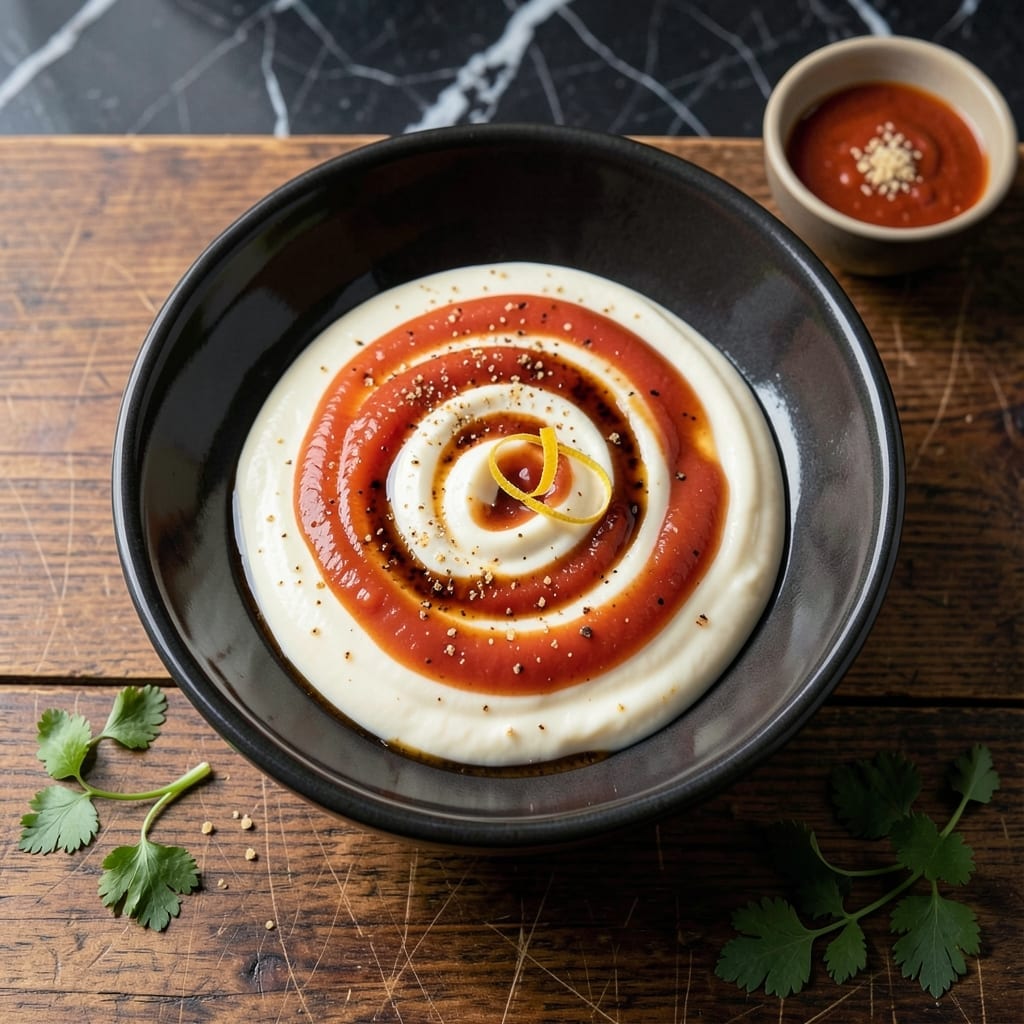
This Japanese-inspired sauce brings restaurant-quality flavor to your home kitchen with minimal effort. I developed this recipe to capture that signature hibachi taste without complicated techniques or hard-to-find ingredients.
The secret lies in balancing sweet, tangy, and umami elements. With just 5 ingredients and 5 minutes, you’ll create a versatile sauce that elevates rice, vegetables, and proteins alike.
What results is a smooth, glossy drizzle with the perfect consistency for tossing or dipping. The flavor profile hits all the right notes—sweet with a subtle tang that complements without overpowering.
Store in the fridge for up to a week. This sauce transforms simple dishes into authentic hibachi experiences.
Ingredients for Hibachi Sauce Recipe Easy
Seven simple ingredients transform into this restaurant-quality Japanese-inspired sauce with minimal effort.
| Ingredient | Amount | Notes |
|---|---|---|
| Mayonnaise 🥚 | ¾ cup | Full-fat for creaminess |
| Ketchup 🍅 | ¼ cup | Quality brand preferred |
| Soy Sauce 🫒 | 2 tbsp | Low-sodium for balance |
| Rice Vinegar 💧 | 1 tbsp | Or substitute apple cider vinegar |
| Granulated Sugar 🍚 | 1 tbsp | Dissolves easily in mixture |
| Garlic Powder 🧄 | ½ tsp | Fresh minced works too |
| Onion Powder 🧅 | ½ tsp | Adds depth to flavor |
The mayonnaise base is non-negotiable for that signature creamy texture—Hellmann’s or Duke’s are reliable choices, but any full-fat version works. Kikkoman soy sauce is the gold standard here, though Tamari offers a gluten-free alternative with deeper umami. Rice vinegar provides the essential tang; Marukan is widely available and consistent. Skip the fancy imported stuff for this recipe.
No rice vinegar? Apple cider vinegar at equal amount gets you close. Out of soy sauce? Coconut aminos at a 1:1 ratio works in a pinch (though the flavor shifts slightly). Want more complexity? Add a dash of sesame oil or a pinch of ginger powder. For a smoother sauce, whisk vigorously or use an immersion blender for 30 seconds.
This sauce keeps beautifully in an airtight container for 1 week in the fridge. The flavors meld and deepen over time, so it’s actually better made a day ahead. Freezing isn’t recommended—mayonnaise separates when thawed. Stir well before each use as natural separation occurs.
Why You’ll Love This Recipe
- Five-Minute Mix: I stir these five pantry staples together faster than the takeout driver can pull up to my curb.
- Sweet-Tangy Magic: The sugar caramelizes just enough against the rice vinegar and soy to hit that umami-sweet spot I crave every single time.
- Drizzle on Anything: I slather it on grilled chicken, toss it with rice, even use it as a veggie dip—honestly, it’s my all-purpose flavor fix.
- Keeps for Days: One batch lasts me a week in the fridge, so I’m never scrambling to whip up a last-minute sauce.
Step-by-Step Instructions for Hibachi Sauce
This straightforward process ensures a perfectly balanced, restaurant-quality sauce every time.
Step 1: Combine the Wet Base Ingredients
In a medium bowl, whisk together the 0.75 cup Mayonnaise and 0.25 cup Ketchup until completely smooth. The mayonnaise provides the creamy foundation, while the ketchup adds a tangy sweetness that defines hibachi sauce.
Use a wire whisk for best results—it breaks up any lumps in the mayonnaise and creates a uniform texture. You should see no streaks of either ingredient once fully combined. This base mixture will have a pale orange color and thick consistency.
Step 2: Add Umami and Tangy Elements
Measure in the 2 tbsp Soy Sauce and 1 tbsp Rice Vinegar, then whisk to incorporate thoroughly. The soy sauce delivers that essential umami depth, while the rice vinegar adds a subtle tang that brightens the sauce.
As you whisk, you’ll notice the color deepen slightly to a warm amber. The mixture will thin out a bit from the added liquids, but it should still coat the back of a spoon. If you see any separation, continue whisking until it comes back together.
Step 3: Sweeten and Season the Mixture
Sprinkle in the 1 tbsp Granulated Sugar, 0.5 tsp Garlic Powder, and 0.5 tsp Onion Powder. These final additions balance the flavors—the sugar rounds out the acidity, while the powders add savory complexity.
Whisk vigorously for at least 30 seconds to ensure the sugar dissolves completely and the spices distribute evenly. The sauce will become smooth and glossy, with a thickness similar to heavy cream. Taste and adjust if needed, though the written proportions produce perfect results.
Step 4: Rest for Flavor Development
Cover the bowl and let the sauce rest at room temperature for 15-20 minutes. This brief waiting period allows the flavors to meld together completely. You’ll notice the sauce thickens slightly as it sits.
During this time, the garlic and onion powders rehydrate, distributing their flavors more evenly throughout the mixture. The soy sauce’s saltiness will also mellow slightly, creating a more harmonious balance with the sweet and tangy elements.
After resting, give it one final whisk before using. Transfer to an airtight container for storage.
Pro Tips For Making Hibachi Sauce Recipe Easy
- Whisk Vigorous: I learned this the hard way—stirring lazily leaves streaks of ketchup in your sauce. Beat it like you mean it for 30 seconds until it’s completely smooth and silky.
- Use Full-Fat Mayo: Skip the light stuff. Full-fat mayonnaise gives the sauce that rich, creamy texture that clings to rice and veggies the way it should.
- Dissolve Sugar First: Mix the sugar with the rice vinegar before adding other ingredients. It dissolves faster and prevents those annoying little grains in your finished sauce.
- Rest 10 Minutes: After mixing, let it sit for at least 10 minutes. The flavors meld together—sounds weird, but it actually changes the outcome.
Storing and Reheating Leftovers
Refrigerator Storage
Transfer your sauce to an airtight container—I prefer mason jars for easy pouring. It stays fresh in the fridge for up to 1 week. The flavors actually deepen over time, so making it a day ahead is ideal. ❄️
Freezing Not Recommended
Mayonnaise-based sauces separate when frozen, leading to a grainy texture upon thawing. If you must freeze, use within 1 month and whisk vigorously after thawing. Honestly, it’s better to make fresh batches as needed.
Room Temperature Use
For best consistency, let the sauce sit at room temperature for 15-20 minutes before using. Cold sauce is thicker and may not coat foods as smoothly. Stir well before each use to reincorporate any natural separation.
Reheating Tips
This sauce doesn’t require reheating, but if you prefer it warm, use a double boiler on low heat. Avoid microwaving, as it can cause the mayonnaise to split. Warm gently, stirring constantly.
Reviving Separated Sauce
If separation occurs after storage, don’t worry—just whisk vigorously for 30-60 seconds until smooth. For stubborn separation, add 1 tsp warm water and whisk again. It’ll come back together perfectly.
Portioning for Meals
Divide into small 2-oz containers for easy grab-and-go use. This prevents repeated opening of the main container, preserving freshness. I keep one in the fridge door for quick access. 💡
Nutrition Facts
Frequently Asked Questions
Can I use Greek yogurt instead of mayonnaise?
Yes, but the texture will be tangier and less creamy. Use full-fat Greek yogurt for best results, and add 1 tsp of oil to mimic mayonnaise’s richness.
How long does homemade sauce last in the fridge?
When stored in an airtight container, it stays fresh for up to 1 week. The flavors actually improve after 24 hours as they meld together.
What can I use if I don’t have rice vinegar?
Apple cider vinegar or white vinegar work as 1:1 substitutes. Avoid balsamic—its strong flavor will overpower the sauce.
Can I make this sauce spicy?
Add 0.5 tsp sriracha or 0.25 tsp cayenne for heat. Start small and adjust to taste—spices intensify as the sauce rests.

- BBQ Sausage Recipe Oven: Smoky Depth Without the Grill - September 28, 2026
- BBQ Chicken Bowl Recipe Rice: Smoky Sweetness Over Fluffy Grains - September 28, 2026
- Beef Cutlet Recipe Ideas: Crispy Breaded Patties With Bold Seasonings - September 28, 2026