
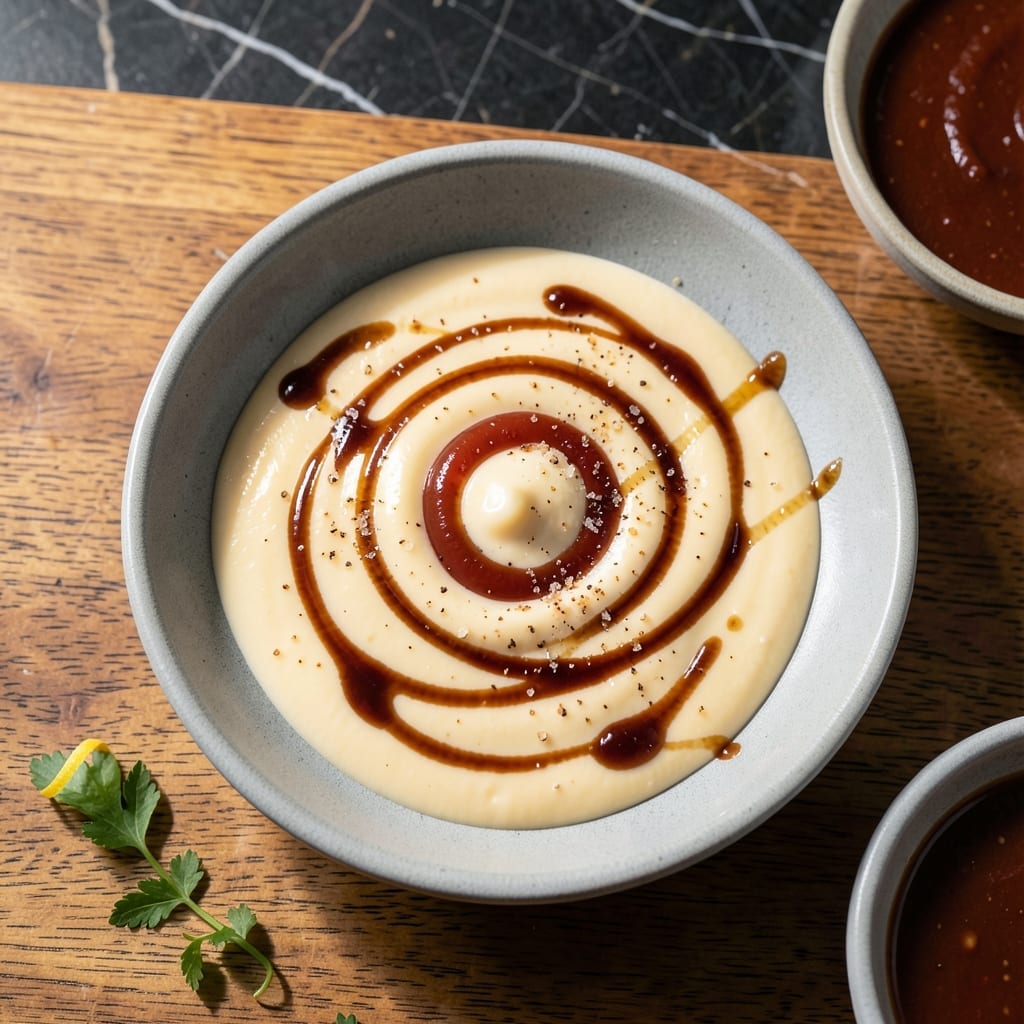
This versatile sauce transforms ordinary proteins into restaurant-quality dishes with its signature tangy-sweet umami profile. I developed this recipe after years of trying to replicate that addictive hibachi flavor at home.
The secret lies in balancing sweet and savory elements with just the right amount of acidity. This foolproof blend comes together in 5 minutes with pantry staples, yet delivers complex depth that elevates grilled meats, seafood, or vegetables.
You’ll achieve a glossy, clingy consistency that coats every bite perfectly. The sauce keeps well in the fridge for up to two weeks, making it ideal for meal prep and quick weeknight dinners.
Use it as a finishing glaze, marinade, or dipping sauce. Here’s how to make this flavor powerhouse.
Ingredients for Hibachi Sauce
Nine pantry staples blend into that addictive hibachi flavor you crave at home.
| Ingredient | Amount | Notes |
|---|---|---|
| Mayonnaise 🥚 | 1 cup | Full-fat for creaminess |
| Ketchup 🍅 | ½ cup | Quality brand preferred |
| Soy Sauce 🫒 | 3 tbsp | Low-sodium works too |
| Rice Vinegar 🍶 | 1 tbsp | Or apple cider vinegar |
| Granulated Sugar 🍚 | 1 tbsp | Balances acidity and salt |
| Garlic Powder 🧄 | 1 tsp | Fresh minced works too |
| Onion Powder 🧅 | 1 tsp | Adds depth to flavor |
| Smoked Paprika 🌶️ | ½ tsp | For subtle smokiness |
| Black Pepper 🌶️ | ¼ tsp | Freshly ground preferred |
The mayo is key here—Duke’s or Hellmann’s give you that perfect creamy base. Ketchup quality matters more than you’d think; Heinz or a natural organic version works best. Soy sauce should be the real deal (Kikkoman is my go-to), and don’t skip the rice vinegar—it’s what gives that signature tang. Asian markets have great prices on both if you’re restocking.
Need a swap? Miracle Whip works in a pinch (though it’s sweeter). Short on ketchup? Tomato paste plus a touch of honey gets close. No rice vinegar? Apple cider vinegar at the same amount works, but the flavor shifts slightly. The smoked paprika adds that restaurant-style depth, but regular paprika works too (just less smoky).
This keeps 2 weeks in the fridge in a sealed jar. The flavors meld and deepen over time. Freezing isn’t ideal—it can separate—but if you must, 3 months max. Stir well before using after storage.
Why You’ll Love This Recipe
- Five Minute Mix: I just dump everything in a bowl and stir—no cooking, no fuss, just creamy tangy goodness.
- Sweet & Tangy: The sugar balances the vinegar perfectly, and the soy adds that umami kick I crave every time.
- Drizzle on Everything: I use it on rice, chicken, even as a dip for veggies. Honestly, it’s my new fridge staple.
- Pantry Staples: Mayo, ketchup, soy sauce—things I already have. No extra grocery runs, and it’s ready in a flash.
Step-by-Step Instructions for Hibachi Sauce
This method ensures a smooth, balanced sauce with perfect umami depth every time.
Step 1: Combine the Creamy Base
In a medium mixing bowl, add the 1 cup Mayonnaise and 0.5 cup Ketchup. Whisk vigorously for 30-45 seconds until the mixture turns a uniform pale orange color with no visible streaks. The mayonnaise provides the creamy foundation, while the ketchup adds the signature tangy-sweet base.
I use full-fat mayonnaise here—it creates a richer, more luxurious texture that clings beautifully to proteins. If your mayonnaise is cold from the fridge, let it sit at room temperature for 10-15 minutes first to ensure smooth blending without lumps.
Step 2: Add Umami and Acid Balance
Pour in the 3 tbsp Soy Sauce and 1 tbsp Rice Vinegar. The soy sauce delivers that essential umami punch characteristic of hibachi sauce, while the rice vinegar brightens the flavor profile with a subtle acidity. Whisk for another 20-30 seconds until fully incorporated.
At this stage, you’ll notice the sauce taking on a deeper color and a more complex aroma. The soy sauce should be evenly distributed—no dark pools at the bottom of the bowl. If you’re using low-sodium soy sauce, the flavor will be less intense, so taste as you go.
Step 3: Sweeten and Season
Add the 1 tbsp Granulated Sugar, 1 tsp Garlic Powder, 1 tsp Onion Powder, 0.5 tsp Smoked Paprika, and 0.25 tsp Black Pepper. The sugar balances the saltiness from the soy sauce and the acidity from the vinegar, creating that signature sweet-savory equilibrium hibachi sauce is known for.
The garlic and onion powders add depth without overpowering, while the smoked paprika contributes a subtle warmth and complexity. Whisk for a final 45-60 seconds until the sugar is completely dissolved and all spices are evenly dispersed. The sauce should now have a glossy, cohesive appearance.
Step 4: Rest and Develop Flavors
Cover the bowl with plastic wrap and let the sauce rest at room temperature for at least 15-20 minutes. This resting period allows the flavors to meld together fully. The garlic and onion powders will rehydrate slightly, distributing their flavors more evenly throughout the mixture.
I always taste the sauce after this resting period. If it needs a bit more brightness, a few drops of additional rice vinegar can help. For a smokier profile, a pinch more smoked paprika does the trick. The sauce should taste balanced—sweet, tangy, umami-rich, with just a hint of smokiness.
This sauce keeps well in an airtight container in the refrigerator for up to 1 week, though I doubt it’ll last that long once you try it on your first protein.
Pro Tips For Making Hibachi Sauce
- Whisk Vigorously First: Combine the mayonnaise and ketchup in a bowl and whisk them until completely smooth before adding the liquid ingredients—this prevents clumping and gives you that silky hibachi sauce texture.
- Use Full-Fat Mayo: Skip the light stuff; the full-fat mayonnaise is what actually changes the outcome here, giving the sauce that rich, creamy base that clings to your food.
- Dissolve Sugar First: Mix the granulated sugar with the rice vinegar and soy sauce before combining with the mayo-ketchup base, or you’ll end up with gritty bits in your finished sauce.
- Chill Before Using: I learned this the hard way—let the sauce sit in the fridge for at least 30 minutes to let the flavors meld, otherwise it’ll taste like you just stirred a bunch of condiments together.
Regional Styles of These Flavors
Japanese Teppanyaki Style
In Japan, this sauce often includes mirin and dashi for added depth. Replace the rice vinegar with 1 tbsp mirin and add 1 tsp dashi powder dissolved in 1 tsp water. This version has a lighter, more complex umami profile that pairs perfectly with seafood. 🌟
Korean Hibachi Fusion
For a Korean twist, swap the ketchup for ½ cup gochujang and reduce the sugar to ½ tbsp. Add 1 tbsp sesame oil and 1 tsp toasted sesame seeds for nutty warmth. This spicy-sweet version works wonderfully with grilled meats.
Thai-Inspired Variation
Add 1 tbsp lime juice and 1 tsp fish sauce to the base recipe. Replace the smoked paprika with ½ tsp chili flakes for heat. This bright, zesty version complements shrimp or chicken beautifully.
American BBQ Hibachi
Increase the smoked paprika to 1 tsp and add 1 tbsp molasses for deeper sweetness. A dash of liquid smoke (¼ tsp) enhances the smoky notes. This heartier version is a crowd-pleaser at backyard cookouts.
Hawaiian Pineapple Twist
Blend in ¼ cup finely crushed pineapple and its juice for tropical flair. Reduce the rice vinegar to ½ tbsp to balance the sweetness. This variation pairs exceptionally well with grilled pork or chicken skewers.
Spicy Sriracha Kick
Stir in 1-2 tbsp sriracha to taste for a spicy version. I recommend starting with 1 tbsp and adjusting. This adds heat without overpowering the sauce’s signature tangy-sweet balance. 🔥
Nutrition Facts
Frequently Asked Questions
Can I use Greek yogurt instead of mayo?
Yes, but use full-fat Greek yogurt for best results. The texture will be slightly tangier and less creamy. You may need to adjust sweetness with an extra ½ tbsp sugar to balance the acidity.
How long does it last in the fridge?
Properly stored in an airtight container, it keeps for 1-2 weeks. The flavors actually deepen over time. If separation occurs, just stir vigorously before using.
What if my sauce is too thick?
Thin it with 1-2 tsp water or rice vinegar, adding slowly while whisking. Avoid milk or cream as they can cause curdling. The ideal consistency should coat the back of a spoon.

- BBQ Sausage Recipe Oven: Smoky Depth Without the Grill - September 28, 2026
- BBQ Chicken Bowl Recipe Rice: Smoky Sweetness Over Fluffy Grains - September 28, 2026
- Beef Cutlet Recipe Ideas: Crispy Breaded Patties With Bold Seasonings - September 28, 2026