
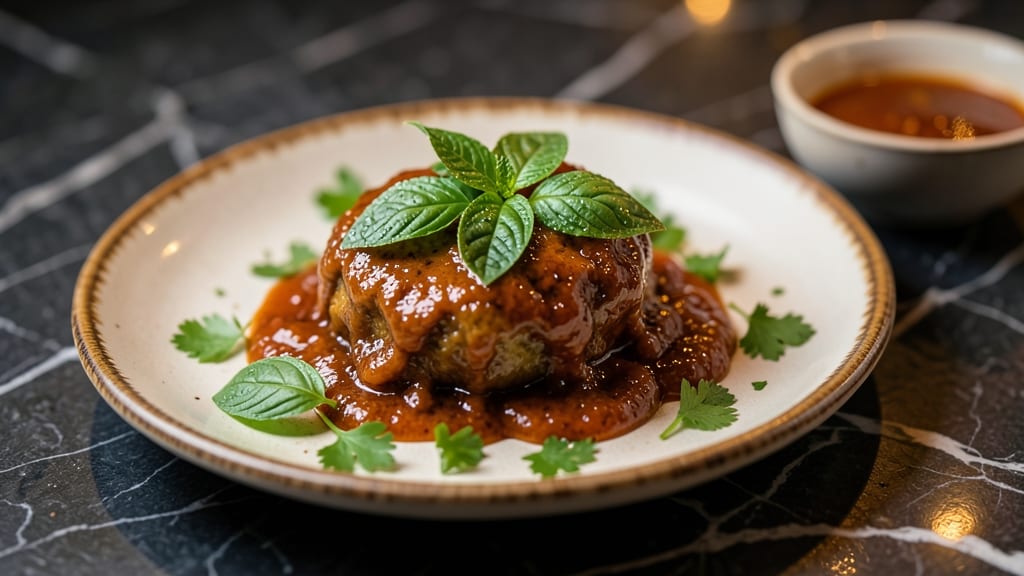
This hot n’ juicy sauce recipe delivers exactly what its name promises—a bold, smoky-sweet glaze that transforms wings, fries, and grilled meats into finger-licking masterpieces.
The secret lies in balancing liquid smoke, brown sugar, and a touch of vinegar for that signature tang that cuts through the heat while keeping everything irresistibly moist.
I developed this sauce after years of testing, and it consistently delivers that perfect harmony of spice, sweetness, and depth that restaurant versions can’t match.
The beauty of this sauce is its versatility—it works as a marinade, glaze, or dipping sauce, and the ingredients are simple yet powerful.
You’ll need just six key components: liquid smoke for that unmistakable smoky flavor, brown sugar for caramelization, vinegar for tang, a pinch of cayenne for heat, and a blend of spices that elevate everything.
The preparation is straightforward, requiring just 15 minutes of active time, but the results are restaurant-quality every time.
What makes this sauce truly special is how it enhances other dishes without overpowering them. Whether you’re coating crispy fried chicken, drizzling over loaded fries, or basting grilled ribs, the sauce clings beautifully, creating a glossy, juicy finish that amplifies the natural flavors of the food.
The smoky-sweet profile builds with each bite, making it impossible to stop dipping or licking your fingers clean.
Once you’ve made this sauce, you’ll find yourself reaching for it again and again—it keeps well in the refrigerator for up to two weeks, so you can make a big batch and enjoy it throughout the week.
The instructions are simple, but the impact is undeniable. Let’s get started on creating this sauce that will become your new go-to for any dish that needs a little extra punch.
Ingredients for hot n juicy sauce
Eight simple ingredients. One bold, sticky sauce. Perfect for wings, fries, and grilled meats.
| Ingredient | Amount | Notes |
|---|---|---|
| Liquid Smoke 🔥 | 1 tbsp | Pure, no additives preferred |
| Brown Sugar 🍚 | ½ cup | Packed for density |
| White Vinegar 🍋 | 2 tbsp | Distilled or apple cider |
| Cayenne Pepper 🌶️ | 1 tsp | Adjust heat preference |
| Smoked Paprika 🌶️ | 1 tbsp | Dried, for depth |
| Garlic Powder 🧄 | 1 tbsp | Not garlic salt |
| Salt 🧂 | ½ tsp | Kosher or sea salt |
| Water 💧 | ¼ cup | For thinning consistency |
The liquid smoke is what gives this sauce its signature smoky punch—pure versions like McCormick’s work best. I always grab a small bottle since you only need a tablespoon, but it lasts forever for future sauces. The brown sugar should be packed tightly in the cup for that rich, caramelized sweetness. If you’re watching sugar, monk fruit sweetener works in a pinch (use 1:1 ratio). For the vinegar, apple cider adds a fruity tang that pairs better with the smoky flavors than plain white vinegar.
No liquid smoke? Smoked paprika plus a dash of chipotle powder gets you close—just double the smoked paprika amount. Short on cayenne? Red pepper flakes at half the amount or swap for hot sauce like Frank’s RedHot (1 tbsp). Want more garlic? Fresh garlic minced works but needs to be cooked down first. The water is key for thinning—start with less, add more later—you can always thicken with a cornstarch slurry if needed. This sauce clings beautifully to fried foods, but for grilled meats, brush it on after cooking to avoid burning the sugar.
Store in an airtight jar in the fridge for up to 2 weeks. The sauce gets better as flavors meld—shake before using. Freeze portions in ice cube trays for up to 6 months—thaw in the fridge and stir well. I always make double because it disappears fast. The smoked paprika and garlic powder keep for months, so you can reuse them for other sauces. Just keep the jar sealed tightly to preserve that smoky aroma.
Why You’ll Love This Recipe
- Five-Ingredient Magic: I swear, just those five staples—liquid smoke, brown sugar, vinegar, cayenne, and smoked paprika—transform into something ridiculously good. No fancy prep, no stress, just stir and taste.
- Smoky Heat Bang: That first hit of liquid smoke and cayenne? Instant flavor explosion. It’s got this deep, charred sweetness with a kick that lingers—perfect for when you want bold without the fuss.
- Game for Everything: Slather it on ribs, drizzle over fries, or toss with grilled chicken—this sauce plays well anywhere. Honestly, I keep a jar in the fridge because it’s my go-to for any meal that needs a punch.
- Lasts All Week: Make a big batch, and you’ll still be using it days later. The vinegar keeps it from spoiling fast, and the sugar balances the heat so it doesn’t get bitter. My secret weapon for lazy nights.
Step-by-step instructions for smoky-sweet glaze for wings and fries
This sauce comes together in minutes with ingredients you already have.
Combine Dry Ingredients for the Base
In a medium saucepan, whisk together the ½ cup packed brown sugar, 1 tablespoon smoked paprika, 1 tablespoon garlic powder, ½ teaspoon salt, and 1 teaspoon cayenne pepper. I like to use a fork to break up any clumps in the brown sugar first—this ensures everything dissolves smoothly later. The spices will develop their full aroma once heat is applied, but starting with them dry prevents burning.
Here’s the thing—don’t skip the cayenne. It might seem like too much at first, but it balances the sweetness perfectly and gives that signature kick. If you’re sensitive to heat, start with ½ teaspoon cayenne pepper and adjust to taste later. The smoked paprika adds depth that regular paprika can’t match, so use the full amount for that authentic smoky flavor.
Add Wet Ingredients and Simmer
Pour in the 2 tablespoons white vinegar and ¼ cup water, then stir over medium heat until the mixture begins to bubble. The vinegar will create a slight tang that cuts through the sweetness, while the water helps thin the glaze to the perfect consistency. You’ll see the sugar start to dissolve within 2-3 minutes—this is when you know you’re on the right track.
Once it’s bubbling gently, reduce the heat to low and let it simmer for 5 minutes. This slow cook allows the flavors to meld together without burning. You’re looking for a smooth, syrupy texture here—not too thick, not too thin. If it starts to get too thick before the 5 minutes are up, add 1 teaspoon water at a time until it reaches a pourable consistency.
Incorporate Liquid Smoke for Depth
After the 5 minutes of simmering, remove the pan from heat and let it cool slightly for 1 minute. This cooling step is crucial—adding the 1 tablespoon liquid smoke to a boiling mixture can cause it to bubble over. Stir in the liquid smoke slowly, letting it integrate completely with the other flavors. You’ll notice an immediate deepening of the smoky aroma.
The liquid smoke is what makes this sauce truly special. It carries that campfire-like quality that pairs perfectly with wings and fries. If you’re using this on something like pulled pork or ribs, you might want to add a splash more (up to ½ tablespoon liquid smoke) for extra intensity. Taste the sauce now—it should be sweet, smoky, and just slightly tangy with a hint of heat.
Adjust Consistency and Heat
Return the sauce to low heat and let it simmer for another 3-4 minutes to let all the flavors fully develop. Taste and adjust the seasoning if needed. If it’s too sweet, add a splash more of the white vinegar (start with ½ teaspoon). If it needs more heat, add a pinch more cayenne pepper. For extra smokiness, you can add another ¼ tablespoon liquid smoke, but don’t overdo it—this sauce should be balanced, not overpowering.
For the perfect glaze consistency, it should coat the back of a spoon but still be pourable. If it’s too thick, add 1 teaspoon water at a time until it reaches the right texture. If it’s too thin, simmer it uncovered for another 2-3 minutes to reduce. The ideal consistency is like a thick syrup—it should cling beautifully to wings and fries without dripping off.
Use Immediately or Store Properly
Transfer the sauce to a bowl and let it cool to room temperature. This sauce is best used within 48 hours for maximum flavor, but you can store it in an airtight container in the refrigerator for up to 1 week. When you’re ready to use it, give it a good stir—sometimes the spices settle at the bottom. If the sauce thickens too much in the fridge, add 1 teaspoon water at a time to loosen it before reheating.
To use, simply brush or drizzle over hot wings, fries, or even grilled meats. The heat from the food will make the sauce sizzle slightly, creating a beautiful caramelized crust. For extra crispiness, broil the coated food for 1-2 minutes after brushing—just watch it closely so it doesn’t burn. This sauce is what takes your wings and fries from good to unforgettable, so don’t be shy with it!
Pro Tips For Making Hot N Juicy Sauce
- Break Up That Sugar: Grab a fork and crush any lumps in the ½ cup packed brown sugar before mixing—this prevents grainy spots in your sauce later. I learned this the hard way when I skipped it and ended up with a glaze that looked like sandpaper.
- Wait One Minute: After simmering the dry ingredients, let the sauce cool for 1 full minute before adding the 1 tbsp liquid smoke. Trust me, skipping this step means a messy, bubbling disaster on your stove—no one wants that.
- Taste Early, Taste Often: Check the sauce’s balance right after adding the liquid smoke—not just at the end. Too sweet? A splash of ½ teaspoon white vinegar fixes it fast. Too bland? A pinch more cayenne pepper or smoked paprika saves the day.
- Thin Gradually: If your sauce thickens too fast, add water 1 teaspoon at a time—not all at once. I once dumped in too much and turned my glaze into a runny mess. Patience here guarantees that perfect, clingy syrup texture.
Pro cooking tips for hot n juicy sauce
Mastering the Heat Balance
One of my biggest “aha!” moments with this sauce came when I realized the cayenne-to-sugar ratio makes or breaks the flavor. Start with 1 teaspoon cayenne for that signature kick, but if you’re sensitive to heat, halve it and add more later.
The white vinegar is your secret weapon—it cuts through the sweetness while adding tang. I always taste after adding the vinegar and adjust with ½ teaspoon increments until it’s balanced. This sauce should never taste one-dimensional! 🌶️
Temperature Control Tips
Medium heat is your friend during the initial simmer—it’s where the brown sugar dissolves without burning. Once bubbling, drop to low heat and let it simmer for 5 minutes to develop depth.
Over-high heat turns the sauce into a burnt mess in seconds. I use a wooden spoon to stir gently and avoid splattering. The key is patience—rushing this step ruins the texture.
Liquid Smoke Technique
Adding liquid smoke after cooling is crucial—it prevents bubbling over and ensures even distribution. Stir it in slowly while the pan is off heat, then let it integrate for 1 minute before reheating. For extra smokiness on pulled pork or ribs, add ¼ teaspoon more—but don’t overdo it.
The aroma should be noticeable but not overpowering. I always sniff the sauce before serving to confirm that perfect campfire quality.
Consistency Control
The ideal consistency should coat a spoon but still pour easily. If it’s too thick after simmering, add water in 1-teaspoon increments until it reaches that glossy syrup stage. For extra richness, simmer uncovered for 2 minutes to reduce slightly.
I test consistency by dipping a fry—it should cling without dripping. Pro tip: If the sauce thickens in the fridge, loosen it with 1 teaspoon water before reheating.
Broiling for Extra Crisp
For wings or fries, brush the sauce on after cooking, then broil for 1-2 minutes to create a caramelized crust. Watch closely—this step can burn easily! I use the highest broil setting on my oven and keep the door slightly ajar to prevent overheating.
The result? A perfect balance of juicy sauce and crispy texture that makes every bite unforgettable. This is where the sauce truly shines!
Nutrition facts
Frequently asked questions
Can I adjust the heat level in this sauce?
The 1 teaspoon cayenne pepper gives that classic kick, but you can easily dial it down by using ½ teaspoon if you prefer milder heat. Taste as you go—adding more cayenne in ¼-teaspoon increments lets you fine-tune the spice level without overpowering the sweetness. For extra tang without heat, add ½ teaspoon more white vinegar instead!
Why does the recipe call for liquid smoke instead of smoked paprika?
Liquid smoke adds that unmistakable campfire aroma, while smoked paprika provides depth but lacks the same intensity. The liquid smoke creates a richer, more complex smoky flavor that pairs perfectly with the sweetness—it’s what makes this sauce stand out! If you’re avoiding liquid smoke, double the smoked paprika and add ¼ teaspoon chipotle powder for a close approximation.
What’s the best way to use this sauce on different foods?
Brush it on hot wings or fries right after cooking for maximum cling, then broil for 1-2 minutes to caramelize. For grilled meats like chicken or ribs, apply the sauce after cooking to avoid burning the sugar. It also works as a dipping sauce for veggies or even a glaze for baked potatoes—just drizzle generously!
What should I do if my sauce is too thick or too thin?
If it’s too thick, add water in 1-teaspoon increments while simmering. For extra richness, reduce it uncovered for 2 minutes if it’s too thin. Always test consistency by dipping a fry—it should cling but not drip. Pro tip: Stirring constantly prevents clumping, and a wooden spoon helps control the texture better than metal utensils.

- Chipotle Restaurant Black Bean Recipe: Smoky, Spiced, and Perfectly Seasoned - November 29, 2026
- Hot N’ Juicy Sauce Recipe: Smoky-Sweet Glaze for Wings and Fries - November 29, 2026
- Blueberry Smoothie Recipe With Milk: Creamy and Refreshing in 5 Minutes - November 29, 2026