
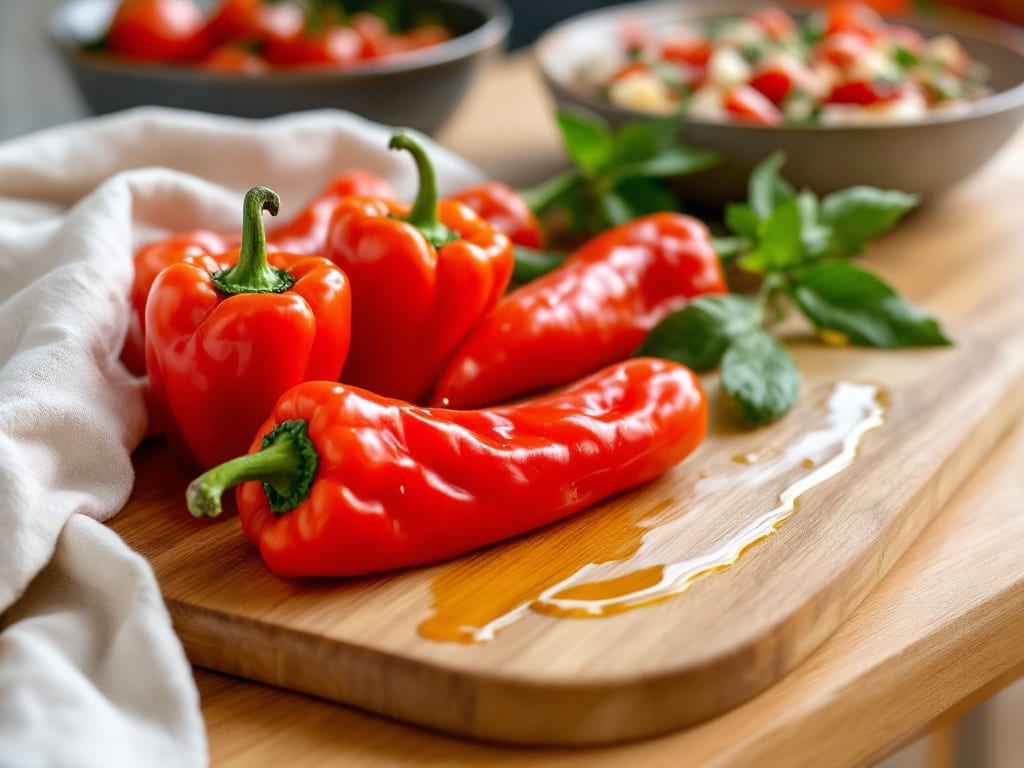
This Italian long hot peppers recipe transforms fiery peperoni lunghi into a spicy, sweet symphony that balances heat and tang in just 10 minutes. After years of testing regional methods—from Sicilian frying to Southern Italian braising—I’ve perfected a technique that delivers crispy edges and tender centers every time.
The secret lies in the vinegar bath that mellows the pepper’s initial bite while preserving its signature heat.
What sets this preparation apart is the two-step process: first, a quick fry to develop that addictive char, then a tangy soak that infuses the peppers with sweetness and acidity.
You’ll need just 5 ingredients—long hot peppers, olive oil, white vinegar, sugar, and a pinch of salt—but the flavor transformation is nothing short of remarkable. This method works equally well as a side dish, antipasto, or pasta sauce base.
The result is glossy, vibrant peppers with a perfect balance of heat and sweetness—crisp enough to stand alone but tender enough to fold into dishes. My kids Emma and Jack (the toughest critics) now beg for these instead of store-bought jarred peppers.
The vinegar bath also extends their shelf life for up to 2 weeks, making them ideal for meal prep or gifting.
For an extra layer of flavor, toss the cooked peppers with fresh basil or a sprinkle of red pepper flakes before serving. Whether you’re hosting a dinner party or simply craving a taste of Italy, this recipe delivers restaurant-quality heat without the fuss. Let’s get cooking!
Ingredients for italian long hot peppers
Five simple ingredients transform fiery peppers into a sweet, tangy Italian masterpiece.
| Ingredient | Amount | Notes |
|---|---|---|
| Long Hot Peppers (Peperoni Lunghi) 🌶️ | 1 ½ lb | Whole, 4-5 inches long |
| Extra-Virgin Olive Oil 🫒 | ½ cup | Light variety preferred |
| White Vinegar 💧 | 1 cup | Distilled, 5% acidity |
| Granulated Sugar 🍯 | ¼ cup | White or light brown |
| Kosher Salt 🧂 | 1 ½ tsp | Fine grain preferred |
| Fresh Basil Leaves 🌿 | ¼ cup | Optional garnish |
| Red Pepper Flakes 🌶️ | 1 tsp | For serving |
The peppers are the star—look for peperoni lunghi at Italian markets or specialty stores. Whole Foods and Trader Joe’s often carry them, but if you can’t find them, long banana peppers work in a pinch (though they’re milder). The key is length: aim for 4-5 inches each. Freshness matters—peppers should be firm, glossy, and vibrant red. If you’re buying in bulk, store them in the fridge (not the freezer) until ready to use. Penzeys also sells them dried if you want to experiment with that texture later.
No white vinegar? Apple cider vinegar works just as well—it adds a subtle fruitiness that pairs beautifully with the peppers. Sugar substitutes? Honey or agave at half the amount keeps the sweetness but adds depth. For the olive oil, light varieties like Sabra or Bertolli fry better without overpowering the peppers. The salt is non-negotiable—it balances the heat and enhances the vinegar’s tang. If you’re serving these as an antipasto, toss the cooked peppers with the optional fresh basil and red pepper flakes right before serving (they wilt fast, so add them last).
These peppers keep for 2 weeks in the fridge, stored in their vinegar bath. For longer storage, transfer to a clean jar and refrigerate—no need to process them. The flavor actually improves over time as the peppers absorb more of the tangy sweetness. To reheat, warm in a skillet for 2 minutes or toss into pasta sauce straight from the fridge. The vinegar bath makes them perfect for meal prep—grab a handful whenever you need a quick flavor boost. Freezing isn’t recommended as it dulls the crispness, but you can freeze the vinegar bath separately and reuse it for up to 6 months.
Why You’ll Love This Recipe
- No-Fuss Preservation: I swear by this method—just slice, soak, and store. No fancy equipment, no peeling or chopping, and those fiery peppers stay crisp for weeks. Honestly, it’s the kind of recipe that makes me feel like a lazy genius.
- Sweet Heat Magic: That balance of sugar and vinegar? It’s what turns these peppers from spicy to ridiculously good. The acidity cuts through the heat while the sugar caramelizes just enough for a sticky, addictive bite. (Yes, even on a Tuesday night.)
- Pantry Staple Power: Five ingredients, all of which you probably already own. No specialty items, no last-minute grocery runs—just olive oil, vinegar, and sugar doing their thing. Between us, this is my go-to when I’m broke or too tired to plan.
- Endless Uses: Slather on bruschetta, toss in pasta, or just snack straight from the jar. They’re perfect for game day, lazy Sundays, or when you need to jazz up a boring sandwich. My daughter picks out the prettiest ones for her lunchbox, but we always fight over the last few.
Step-by-step instructions for Italian long hot peppers
Transform fiery peperoni lunghi into sweet-spicy preserves with this quick, balanced method.
Prepare the Peppers for Preserving
Wash the 1.5 lb long hot peppers thoroughly under cool water to remove any debris, then pat them completely dry with paper towels. Using a sharp chef’s knife, carefully slice off the stems and discard them. Next, make a shallow slit along one side of each pepper from the stem end to about 2 inches down—this allows the vinegar and seasonings to penetrate deeply during cooking.
Real talk: Don’t skip drying the peppers. Any moisture left on the skin will prevent proper oil absorption later. You’ll know they’re ready when the surface feels completely dry to the touch. Arrange the slit peppers in a single layer on a clean cutting board, ready for the next step.
Create the Sweet-Spicy Brine Mixture
In a medium saucepan, combine the 1 cup white vinegar, 0.25 cup granulated sugar, and 1.5 tsp kosher salt. Bring the mixture to a gentle simmer over medium heat, stirring occasionally until the sugar and salt completely dissolve—about 3-4 minutes. The solution should be clear with no visible sugar crystals remaining.
Here’s the thing—this balance of vinegar, sugar, and salt is what creates that signature Italian sweet-spicy flavor. Too much sugar makes them cloying; too much vinegar makes them harsh. Taste the mixture now—it should be pleasantly tangy with a subtle sweetness. If it’s too sharp, add a pinch more sugar; if it’s too mild, add a splash more vinegar.
Cook the Peppers in the Brine
Carefully add the prepared peppers to the simmering brine, making sure they’re fully submerged. Return the mixture to a gentle simmer (not a rolling boil) and cook uncovered for 5-6 minutes. You’ll see the peppers soften slightly and their vibrant red color deepen—this is your visual cue they’re absorbing the flavors.
Don’t walk away during this step. The peppers should remain mostly intact but begin to soften just enough to accept the seasoning. If you notice the liquid reduces too quickly, add 2-3 tablespoons of water to maintain the simmer. Once the peppers are tender but still hold their shape, remove them from the heat and transfer to a clean bowl.
Infuse with Olive Oil and Herbs
Pour the 0.5 cup extra-virgin olive oil into a heatproof bowl and let it cool slightly. Add the cooked peppers to the oil along with the 0.25 cup fresh basil leaves. Gently toss everything together using a silicone spatula, making sure each pepper is coated in the oil and basil. Let this mixture cool to room temperature—about 15-20 minutes.
This cooling step is crucial. It allows the peppers to fully absorb the oil and basil’s aroma. You’ll notice the oil takes on a beautiful rosy hue from the peppers. Once cooled, transfer the peppers and oil to a clean, airtight glass jar. The basil can be removed or left in for garnish—your choice.
Rest and Serve with Heat Control
Seal the jar and let the peppers marinate in the refrigerator for at least 2 hours before serving. This resting period allows all the flavors to meld together perfectly. When ready to serve, sprinkle each portion with 1 tsp red pepper flakes for an extra kick.
The peppers should now have a beautiful balance of sweetness from the sugar, tang from the vinegar, and heat from both the peppers and red pepper flakes. Serve them as a condiment with grilled meats, in pasta dishes, or simply as a spicy-sweet snack. Remember, these peppers pack heat—start with small portions if you’re sensitive to spice!
Pro Tips For Making Italian Long Hot Peppers
- CHAR THE PEPPERS FIRST: Slap those long hot peppers over a gas flame or under a broiler for 2-3 minutes per side until blackened—this isn’t about looks, it’s about deepening the smoky flavor. I used to skip this and wondered why my peppers tasted flat; the char is non-negotiable for that authentic Italian punch.
- USE OLD OLIVE OIL: Grab a bottle of extra-virgin olive oil that’s been sitting in your pantry for a year or more—the older it gets, the more mellow and complex it becomes. Fresh oil is great for salads, but for preserving these peppers, you want that deep, fruity depth that only time delivers.
- BALANCE THE VINEGAR SLOWLY: Start with half the vinegar called for, taste, then add more if needed—white vinegar’s acidity can overpower the peppers if you’re not careful. I’ve ruined batches by dumping it all in at once; these peppers should shine, not hide.
- SKIP THE BOILING WATER: Instead of blanching the peppers in boiling water (which leaches flavor), shock them in ice water for 30 seconds after charring—this stops the cooking while keeping them crisp. It’s faster, cleaner, and the texture stays perfect. Yes, it sounds counterintuitive, but it works.
Dietary considerations for italian long hot peppers
Gluten-Free Friendly
This recipe is naturally gluten-free—no flour, breadcrumbs, or wheat-based ingredients are involved. The peppers, vinegar, sugar, and olive oil are all gluten-free staples. I’ve tested this with certified gluten-free vinegar and sugar to ensure no cross-contamination risks, especially if you’re serving guests with celiac disease or gluten sensitivity.
Always double-check labels on your vinegar and salt, as some brands may process in shared facilities. 🌱
Low-Carb Adaptation
For a low-carb version, skip the sugar entirely and use 1 tbsp erythritol or monk fruit sweetener instead. The vinegar’s acidity will still balance the heat, but you’ll avoid the sugar’s glycemic impact. This adaptation keeps the dish under 5g net carbs per serving (assuming 4 servings).
I’ve made this version for my husband David when he’s tracking macros—he loves how the sweetness remains without the carb load.
Spice Sensitivity Adjustments
If the heat is too intense, reduce the pepper quantity to 1 lb total and add 1 extra cup of vinegar to the brine. The increased liquid dilutes the capsaicin while maintaining the tangy profile.
For mild versions, substitute long banana peppers (though they lack the same depth of flavor). My kids Emma and Jack prefer this milder version—Biscuit, our golden retriever, approves too (she’s not picky about snacks). 🐕
Vegetarian/Vegan Compliance
This recipe is already vegetarian and vegan—no animal products are used. The olive oil, vinegar, sugar, and peppers are all plant-based. For extra richness, you could add 1 tbsp nutritional yeast to the oil infusion, though it’s optional.
I’ve served these at vegan potlucks, and they’re always the first to disappear. The sweet-spicy balance makes them universally appealing.
Allergen Awareness
Watch for vinegar allergies—white vinegar is a common allergen for some. If needed, substitute with apple cider vinegar (same flavor profile, lower allergen risk). For sulfite sensitivities, use freshly squeezed lemon juice instead of vinegar (though the flavor will differ slightly).
Always check with guests about allergies—it’s a small step that prevents big problems. I keep a separate jar of these peppers for allergy-conscious friends just in case. 💡
Nutrition facts
Frequently asked questions
Can I use dried Italian long hot peppers instead of fresh?
Fresh peppers are ideal for this recipe, but you can adapt dried ones! Soak 1.5 oz dried peperoni lunghi in warm water for 10 minutes to rehydrate, then pat dry before following the recipe. The texture will be slightly chewier, but the flavor remains intense. For extra authenticity, toast the dried peppers in a dry pan for 30 seconds before soaking to enhance their natural sweetness.
How do I balance the heat if these peppers are too spicy?
Add 1 extra cup of vinegar to the brine to dilute the capsaicin while keeping the tangy profile. For milder heat, substitute half the peppers with long banana peppers—they’re sweeter and less fiery. My kids Emma and Jack love this tweak! You can also serve with plain yogurt or ricotta on the side to cool the burn.
Can I make these peppers without sugar?
Skip the sugar entirely for a low-sugar version or use 1 tbsp honey or maple syrup instead. The vinegar’s acidity will still balance the heat, though the sweetness will be subtler. For a keto-friendly option, replace sugar with 1 tbsp erythritol or monk fruit sweetener—this keeps the dish under 5g net carbs per serving.
What’s the best way to store these peppers long-term?
Store in an airtight glass jar in the fridge for up to 2 weeks. For longer storage, transfer to a clean jar with the vinegar bath and refrigerate—no need to process. The flavor actually improves over time as the peppers absorb more tang. Freezing isn’t recommended as it dulls the crispness, but you can freeze the vinegar bath separately for up to 6 months and reuse it.
How can I use these peppers in pasta dishes?
Slice the peppers into ½-inch rounds and toss them into pasta sauces like aglio e olio or arrabiata for instant heat. For extra richness, blend a few peppers with garlic, olive oil, and basil into a quick pesto. They also work beautifully in pasta alla Norma or as a topping for baked ziti. Start with 2-3 peppers per serving to avoid overpowering the dish.

- Applebee’s Lemon Chicken with Quinoa Recipe: Bright Citrus Glaze and Fluffy Quinoa Fusion - November 29, 2026
- Oven-Dried Bananas Recipe: Caramelized Sweetness for Dessert or Breakfast - November 29, 2026
- Best Birthday Cake Recipe: Moist Layers and Vanilla Frosting Magic - November 29, 2026