
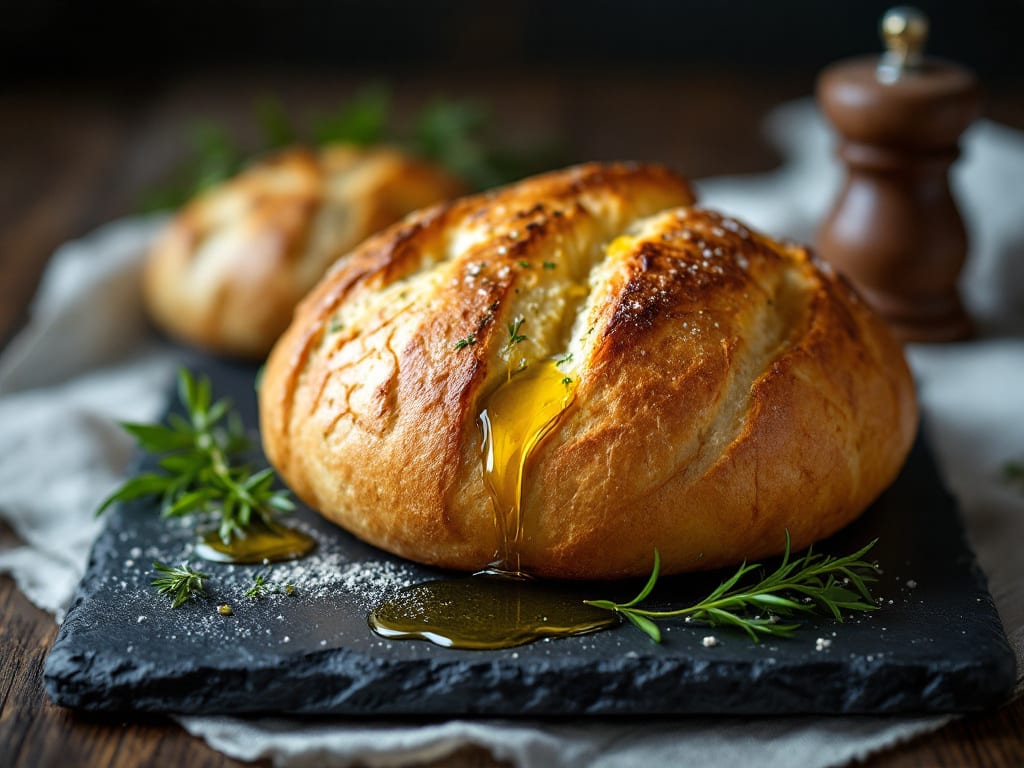
This Jamaica coco bread recipe brings the warm, spiced aroma of the Caribbean right to your kitchen with its signature buttery crust and tropical swirls. 🌟 The secret lies in the blend of traditional Jamaican spices—cinnamon, nutmeg, and allspice—paired with sweetened shredded coconut and a touch of rum for depth.
I’ve baked this version countless times, perfecting the balance between tender crumb and crisp edges, so every slice delivers that satisfying contrast.
The dough comes together effortlessly with simple pantry staples—flour, sugar, eggs, and butter—while the rum and spices infuse the bread with an irresistible warmth. Baking at 350°F for 30-35 minutes ensures a golden crust that crackles when you cut into it, revealing moist, fragrant layers beneath.
Whether served warm with butter or as a dessert with a dusting of powdered sugar, this bread is a celebration of Jamaican baking traditions.
What makes this recipe stand out is its versatility—it works equally well as a side for breakfast or a centerpiece for dessert tables. For a modern twist, you can substitute half the flour with gluten-free alternatives, though the texture will be slightly denser.
The rum adds complexity, but don’t worry if you can’t find it; a splash of vanilla extract works in a pinch. Each bite is a taste of Jamaica’s vibrant culture, wrapped in a buttery embrace.
Once you try this coco bread, you’ll understand why it’s a staple in Jamaican homes and bakeries alike. The spices sing, the coconut adds texture, and the crust? Pure perfection. Ready to bake a taste of the Caribbean? Let’s get started.
Ingredients for jamaica coco bread
Pantry staples meet Caribbean warmth—just eight ingredients for this tropical bread.
| Ingredient | Amount | Notes |
|---|---|---|
| All-Purpose Flour 🌾 | 4 cups | Sifted for light texture |
| Granulated Sugar 🍚 | 1 ½ cups | White or light brown |
| Unsalted Butter 🧈 | 1 cup | Cold, cubed (full-fat) |
| Large Eggs 🥚 | 2 whole | Room temperature |
| Sweetened Shredded Coconut 🥥 | 1 ½ cups | Unsweetened if preferred |
| Rum (Dark or Spiced) 🍹 | ½ cup | Or vanilla extract substitute |
| Ground Cinnamon 🌿 | 1 tbsp | Freshly ground preferred |
| Ground Nutmeg 🌿 | ½ tsp | Freshly grated nutmeg better |
| Ground Allspice 🌶️ | ½ tsp | Key Jamaican spice |
| Baking Powder 🍞 | 1 tsp | Check expiration date |
| Salt 🧂 | ½ tsp | Fine sea salt preferred |
| Vanilla Extract 🍯 | 1 tsp | Pure vanilla preferred |
| Milk 🥛 | ½ cup | Any kind works fine |
The spices are non-negotiable here. Penzeys or bulk bins are your best bet for authentic Jamaican spices—look for freshly ground allspice and nutmeg, which make all the difference. The rum adds depth, but any dark rum or even vanilla extract works if you’re avoiding alcohol. For the coconut, unsweetened is traditional, but sweetened cuts the sugar slightly. I always double-check my baking powder—expired leavening means flat bread. The butter should be cold and cubed, not melted, for that signature flaky crust.
No rum? Vanilla extract at double the amount keeps the flavor profile. Running low on allspice? Cinnamon plus a pinch of cloves mimics its warmth. The milk can be swapped for water or buttermilk, though buttermilk adds tang. For a gluten-free version, substitute half the flour with almond or coconut flour—just know it’ll be denser. The shredded coconut can be toasted lightly in a dry pan (3-4 minutes) for extra nuttiness, but it’s not required. If you’re feeling fancy, add a tablespoon of orange zest to the dough for brightness.
This dough keeps for 2 days in the fridge, wrapped tightly. For longer storage, freeze the shaped loaf for up to 3 months—thaw at room temperature before baking. The baked bread stays fresh for 3 days in a bread bag, but reheats beautifully in a 350°F oven for 5 minutes to restore that buttery crunch. I always bake two loaves—one for breakfast, one for dessert with a dusting of powdered sugar.
Why You’ll Love This Recipe
- No-Fuss Mixing: I swear by this dough—just toss the flour, sugar, and butter until it looks like wet sand. No stand mixer, no fuss, and honestly? The eggs and coconut come together so fast, you’ll have time to grab a coffee while it bakes.
- Tropical Twist: That buttery richness meets sweet coconut in every bite—like a hug from Jamaica. The sugar caramelizes just enough to give it a subtle chew, while the shredded coconut adds texture that’s dangerously addictive when warm.
- Breakfast to Dessert: Serve it toasted with butter for breakfast, or drizzle with honey for an after-dinner treat. My kids even sneak slices for school lunches—proof it’s versatile enough to handle any craving, any time of day.
- Budget Baking Wins: Uses pantry staples (flour, sugar, butter) plus one affordable upgrade (coconut). A single batch feeds six, and leftovers toast up perfectly—no sad, dry bread here. My wallet and my family thank me every time.
Step-by-step instructions for Jamaican coco bread
Here’s how to create that signature Jamaican spice swirl and buttery crust—every slice will be golden and packed with coconut flavor.
👨🍳 Step 1: Mix the Dry Ingredients for Perfect Texture
In a large mixing bowl, combine the 4 cups all-purpose flour, 1.5 cups granulated sugar, 1 tbsp ground cinnamon, 0.5 tsp ground nutmeg, 0.5 tsp ground allspice, 1 tsp baking powder, and 0.5 tsp salt. Whisk everything together until evenly distributed—this ensures no pockets of dry flour remain when you add the wet ingredients later.
Here’s the thing—sift the flour first if you can. It prevents lumps and creates a lighter, fluffier crumb. I like to use my fingers to break up any remaining clumps, especially around the edges of the bowl where flour tends to hide.
🍳 Step 2: Cut in the Butter for Flaky Layers
Add the 1 cup cold, cubed unsalted butter to the dry mixture. Using a pastry cutter or two forks, work the butter into the flour until you achieve pea-sized crumbs with some larger butter pieces remaining. This is crucial—it creates those signature flaky layers in the finished bread.
Don’t overwork the mixture. You want to see some dry flour still clinging to the butter pieces. If it starts looking like wet sand, you’ve gone too far. The butter should melt just enough during baking to create steam pockets that make the bread tender.
🥘 Step 3: Combine Wet Ingredients for Moisture and Flavor
In a separate bowl, whisk together the 2 room-temperature large eggs, 0.5 cup milk, 0.5 cup rum, and 1 tsp vanilla extract. The rum adds depth of flavor while keeping the bread moist—don’t skip this step unless you’re using the vanilla substitute. Pour this mixture into the butter-flour combination and gently stir until just combined.
Fold in the 1.5 cups sweetened shredded coconut using a spatula. Be careful not to overmix—just enough to distribute the coconut evenly. The coconut should be visible throughout the dough, giving you those beautiful swirls when baked. If you mix too much, the bread will become dense instead of light and fluffy.
⏰ Step 4: Shape and Bake for Golden Perfection
Preheat your oven to 350°F and grease an 8×4-inch loaf pan lightly with butter or baking spray. Transfer the dough to the prepared pan and spread it evenly. Use a spoon or wet fingers to create gentle swirls in the coconut—this is where the visual magic happens.
Bake for 50-55 minutes until the top is deep golden brown and a toothpick inserted in the center comes out clean. The edges should pull away slightly from the pan, and you should smell that wonderful buttery, coconut aroma filling your kitchen. If the top browns too quickly, tent loosely with foil after 30 minutes to prevent over-browning.
🍽️ Step 5: Cool and Slice for Maximum Enjoyment
Remove the bread from the oven and let it cool in the pan for 10 minutes. This resting period allows the bread to set slightly and makes it easier to remove without breaking apart. Transfer to a wire rack and cool completely before slicing—this ensures clean cuts and prevents the bread from falling apart.
Slice into 8 equal pieces and serve warm with butter or jam. The bread will be tender with a buttery crust and those beautiful swirls of coconut throughout. Real talk: the first slice is always the best—hot from the oven with that perfect balance of sweetness and spice.
Pro Tips For Making Jamaica Coco Bread
- Chill the Dough: Let the batter sit in the fridge for at least 30 minutes before baking—yes, even if you’re eager to pop it in the oven. I used to skip this, and my bread would spread like a pancake instead of rising properly. The cold slows the butter’s melt, so you get that tall, fluffy structure you’re after.
- Toast the Coconut: Dry your shredded coconut in a 300°F (150°C) oven for 5–7 minutes before mixing it in. This removes excess moisture, so it doesn’t make your bread dense or gummy. (Pro tip: Use unsweetened coconut if you’re watching sugar, but toast it anyway—it adds a nutty depth.)
- Cream Butter and Sugar: Beat the butter and sugar until it’s light and fluffy, not just combined—think of it like making shortbread, not a quick bread. I learned this the hard way when my first batch tasted more like a cake than a tender, buttery loaf. Use a stand mixer for 3–4 minutes; your arms will thank you.
- Bake Until Golden: Pull the bread out when the top is deep golden brown, not just pale—it should crackle like a shortbread cookie. Overbaking dries it out; underbaking leaves it gummy. If unsure, check at 20 minutes, then bake 5 more. (And for heaven’s sake, use an oven thermometer—mine runs hot!)
Best sauces and condiments for these flavors
Butter and Jam
The classic pairing for Jamaican coco bread is unsalted butter, freshly melted and drizzled over warm slices. The butter enhances the bread’s natural sweetness while complementing its spiced coconut flavor. I love using European-style butter like Plugrá or Kerrygold—their higher fat content makes it richer.
For a fruity twist, serve with strawberry or guava jam—the acidity cuts through the bread’s richness. 🧈
Spiced Rum Glaze
Elevate your bread with a spiced rum glaze made by simmering ¼ cup dark rum, 2 tbsp brown sugar, and 1 tsp cinnamon for 3 minutes. Brush the warm glaze over freshly baked slices for a sticky, aromatic finish.
For extra depth, add a splash of orange liqueur like Cointreau. This glaze mirrors the rum in the dough, creating a cohesive flavor experience. 🍹
Coconut Whipped Cream
For a dessert-style serving, top slices with coconut whipped cream—whip ½ cup heavy cream with 2 tbsp powdered sugar and 1 tbsp toasted coconut flakes. The cream’s lightness balances the bread’s density, while the toasted coconut echoes the shredded version inside.
Garnish with a sprinkle of ground cinnamon for warmth. This pairing feels luxurious yet simple. ✨
Chocolate-Dipped Variations
Dip half of each slice into melted dark chocolate (I use 70% Ghirardelli) and let set on parchment paper. The chocolate’s bitterness contrasts beautifully with the bread’s sweetness.
For a tropical twist, drizzle mango purée over the chocolate before it hardens. This fusion works perfectly for breakfast or dessert tables. 🍫
Citrus Zest Garnish
Brighten the bread with a sprinkle of orange or lime zest before serving. The citrus’s acidity lifts the coconut’s richness, making each bite feel fresh. I like to zest 1 orange and ½ lime, then mix with 1 tsp powdered sugar for a simple garnish.
This works especially well with the spiced rum glaze. 🍋
Coffee or Tea Pairings
Serve warm coco bread with strong Jamaican coffee or hibiscus tea to balance its sweetness. For coffee, I recommend a bold blue mountain blend—its earthy notes complement the bread’s spices.
For tea, chamomile or peppermint adds a soothing contrast. The warmth of the drink enhances the bread’s comforting texture. ☕
Nutrition facts
Frequently asked questions
Can I make this Jamaican coco bread without rum?
If you prefer to avoid alcohol, simply replace the ½ cup rum with 1 teaspoon vanilla extract plus 1 teaspoon orange zest for similar depth of flavor. The rum adds warmth and moisture, but this swap keeps the bread delicious and aromatic. For extra richness, you could also add 1 tablespoon extra butter to compensate for the missing liquid.
Why does my coco bread turn out dense instead of light?
Overmixing the dough is the most common culprit—once the coconut is incorporated, mix just until combined. Another issue could be too much flour or underbaked bread. Always check your baking powder is fresh (expired leavening = flat bread), and bake until a toothpick comes out clean. For extra fluffiness, chill the dough for 30 minutes before baking to help the butter layers form properly.
How can I make this recipe gluten-free?
Swap half the all-purpose flour for a 1:1 gluten-free baking flour blend (like Bob’s Red Mill). For best results, use 1 cup gluten-free flour + 1 cup almond flour—this improves texture. You may need 1 extra egg to bind the dough, and expect a slightly denser but still delicious result. The coconut and spices will still shine through!
Can I use unsweetened coconut instead of sweetened?
Yes, but reduce the granulated sugar by ¼ cup to balance the flavor. Unsweetened coconut has a more natural, slightly bitter edge that pairs beautifully with the spices. Toasting it lightly in a dry pan for 3-4 minutes before adding enhances its nuttiness and makes the bread even more aromatic.
What’s the best way to store leftover coco bread?
Keep it fresh for 3 days at room temperature in an airtight container, or freeze the whole loaf for up to 3 months. To reheat, wrap slices in foil and warm in a 350°F oven for 5-7 minutes—this restores that perfect buttery crunch. For extra moisture, brush with melted butter before reheating.

- James Martin’s Cottage Pie Recipe: Flaky Pastry Over Hearty Beef Filling - November 29, 2026
- Sweet Grissini Recipe: Crispy Twists With Honey-Glazed Bite-Sized Magic - November 29, 2026
- Cinammon Sugar Recipe: Baking Spice Blend for Cookies, Donuts, and Pastries - November 29, 2026