
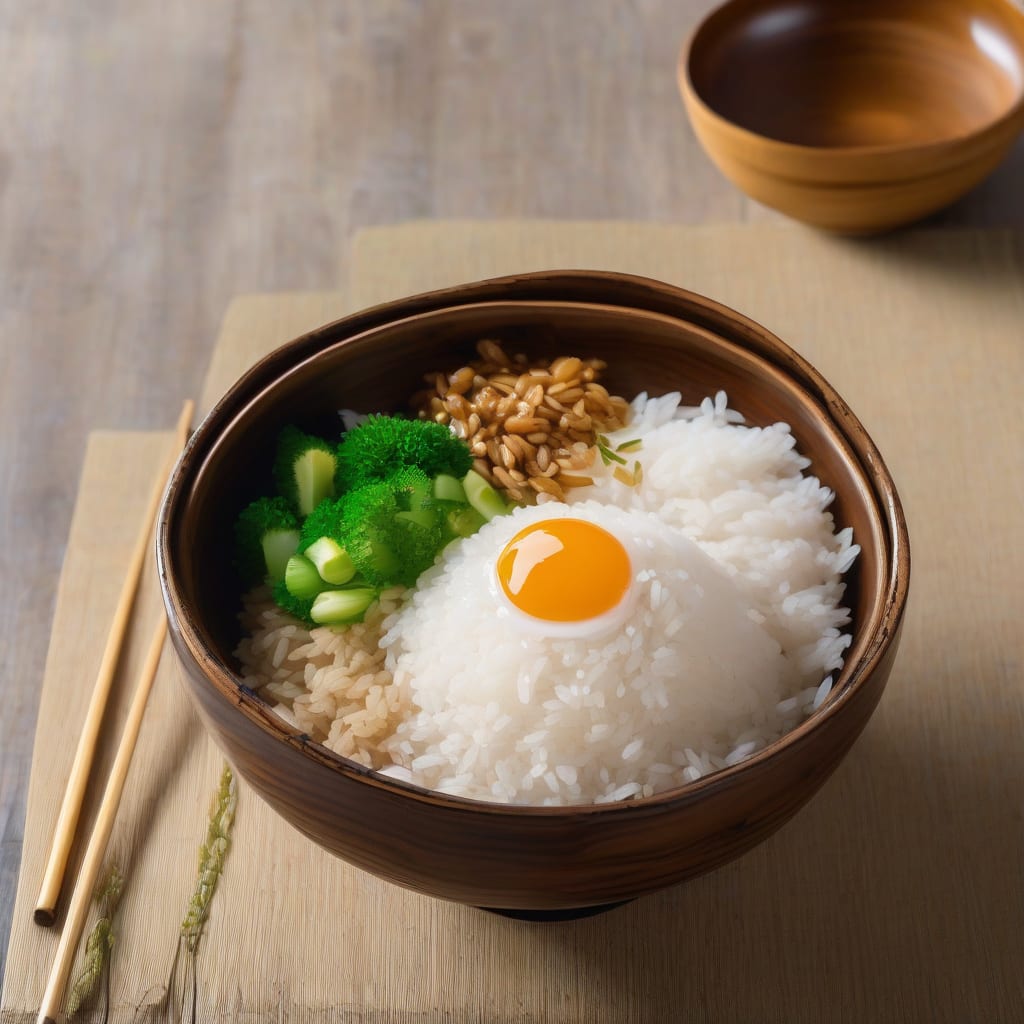
Making Japanese white rice is an art that requires precision and the right technique. 🔥 I’ve perfected a simple method to achieve fluffy rice every time, using the correct water ratio and cooking time.
By following these steps, you’ll be able to create perfect Japanese white rice that’s tender and delicious, pairing well with a variety of dishes. The key is in the preparation and cooking process, which I’ll guide you through.
Ingredients for Japanese White Rice
Simple ingredients for perfect Japanese white rice every time, with precision matters.
| Ingredient | Amount | Notes |
|---|---|---|
| Japanese Short-Grain Rice 🍚 | 2 cups | Uncooked, rinsed thoroughly |
| Water 💧 | 4 cups | Filtered for best taste |
| Rice Vinegar 🍋 | 2 tbsp | For seasoning cooked rice |
| Salt 🧂 | ½ tsp | Kosher or sea salt |
The rice quality matters here. Japanese short-grain is essential for that sticky texture—don’t substitute with long-grain. Look for brands like Nishiki or Tamanishiki at Asian markets or well-stocked supermarkets. Rinsing is crucial—rinse until water runs clear, which removes excess starch.
Water ratio is key: 2:1 water to rice. Don’t skip the resting time after rinsing—the rice absorbs water better. For the seasoning, rice vinegar and salt are non-negotiable—they give that authentic flavor. If you’re out of rice vinegar, apple cider vinegar works as a last resort.
Cooked rice keeps for 3-4 days in the fridge. Reheat with a sprinkle of water in the microwave or steamer. Freeze individual portions for up to 3 months—perfect for meal prep. Always use an airtight container to maintain freshness.
❤️
Why You’ll Love This Recipe
- Quick Prep: I can whip up this Japanese white rice in under 30 minutes, and it’s honestly a total lifesaver on busy weeknights.
- Rice Vinegar Magic: The addition of rice vinegar gives the rice a subtle tanginess that elevates it from bland to ridiculously good – I love how it complements my favorite Japanese dishes.
- Meal Prep Champ: This recipe makes a big batch, so I can use it for meal prep throughout the week or serve it at family gatherings – it’s always a crowd-pleaser.
- Leftover Friendly: I never worry about wasting food because this Japanese white rice reheats beautifully, and it’s a great way to stretch my grocery budget by using up leftovers in creative ways.
Step-by-Step Instructions for Japanese White Rice
Let’s make perfect Japanese white rice together – it’s easier than you think.
👨🍳 Step 1: Rinse and Prepare the Rice
Start by rinsing the 2 cups Japanese Short-Grain Rice thoroughly until the water runs clear. I like to use a fine-mesh strainer under cold running water, gently swirling the rice with my fingers. This step removes excess starch, preventing the rice from becoming too sticky or clumpy.
After rinsing, let the rice drain for a few minutes, then transfer it to your rice cooker or pot. The rice should be damp but not dripping wet – this helps achieve that perfect fluffy texture.
🍳 Step 2: Cook the Rice to Perfection
If using a rice cooker, add the 4 cups Water to the rice and follow your cooker’s instructions. For stovetop cooking, combine the rice and water in a heavy-bottomed pot, cover, and bring to a boil over high heat. Once boiling, reduce the heat to low and simmer for 15-20 minutes until the water is absorbed.
Watch for the steam escaping from under the lid – when it slows down, that’s your signal that the rice is done. Don’t lift the lid during cooking; this lets the steam escape and can result in undercooked rice.
👨🍳 Step 3: Season with Rice Vinegar Mixture
While the rice cooks, mix 2 tbsp Rice Vinegar and 0.5 tsp Salt in a small bowl until the salt dissolves completely. This seasoning mixture is crucial for achieving that authentic Japanese flavor and helps keep the rice fresh.
Once the rice is cooked, transfer it to a large, non-metallic bowl (metal can react with the vinegar). Gently fold the vinegar mixture into the hot rice using a wooden or plastic rice paddle, cutting through the rice in vertical motions. Be careful not to mash the grains – you’re just coating them evenly.
⏰ Step 4: Cool and Serve
Let the seasoned rice cool to room temperature, either by fanning it gently or spreading it on a large surface. This step is crucial for developing the right texture and preventing sogginess. For sushi rice, you’ll want to cool it completely before using.
The rice is now ready to serve with your favorite Japanese dishes. It should be fluffy, slightly sticky, and have a subtle tang from the rice vinegar. Store any leftovers in an airtight container in the refrigerator for up to a day, and reheat gently before serving.
👨🍳
Pro Tips For Making Japanese White Rice
- RINSE THOROUGHLY: Rinsing Japanese Short-Grain Rice until the water runs clear removes excess starch, resulting in better texture and flavor. I learned this the hard way—skipping this step leads to clumpy, sticky rice.
- WATER RATIO MATTERS: Use a 1:1.2 ratio of rice to water for Japanese Short-Grain Rice; this ensures the rice is cooked properly without becoming mushy. After burning three batches, I finally figured out that too much water was the culprit.
- REST THE RICE: After cooking, let the rice rest covered for 10 minutes before mixing in Rice Vinegar and Salt; this allows the rice to steam and become fluffy. My grandmother swore by this, and she was right: it makes a real difference in the final texture.
- MIX GENTLY: When combining cooked rice with Rice Vinegar and Salt, mix gently with a cutting motion to avoid breaking the grains. This isn’t the prettiest method, but it’s the tastiest way to achieve that signature Japanese white rice flavor and texture.
Health Benefits of These Flavors
Nutritional Benefits
Japanese white rice provides complex carbohydrates that are essential for energy production in the body. A 1/2 cup serving of cooked white rice contains about 100 calories, making it a relatively low-calorie carbohydrate source. It’s also naturally low in fat and gluten-free, which makes it suitable for various dietary needs. 🌱
Digestive Health
The rice is easy to digest, which is particularly beneficial for individuals recovering from illness or surgery. The low fiber content in white rice makes it gentle on the digestive system. However, it’s worth noting that the refining process removes some nutrients, so it’s often paired with nutrient-rich foods in Japanese cuisine.
Mineral Content
While white rice is often criticized for being stripped of nutrients during processing, it still contains some essential minerals. It’s a good source of manganese, a mineral that plays a crucial role in bone health and metabolism. Additionally, some brands fortify their white rice with iron, thiamine, niacin, and folic acid, enhancing its nutritional profile.
Portion Control
Japanese white rice is typically served in controlled portions, which helps with calorie management. The traditional Japanese diet emphasizes balance and moderation, with rice being one part of a varied meal that includes vegetables, fish, and other nutrient-dense foods. This balanced approach helps maintain a healthy diet.
Cultural Significance
In Japanese culture, rice is more than just a staple food; it has historical and cultural significance. It’s often served with most meals and is a central component of Japanese cuisine. The preparation and consumption of rice are steeped in tradition, emphasizing the importance of quality and technique in cooking rice. 🍚
Nutrition Facts
150kcal
Frequently Asked Questions
What’s the best type of rice for making Japanese white rice?
For authentic Japanese white rice, you need to use Japanese short-grain rice, such as Koshihikari or Akita Komachi. This type of rice is stickier and clings together better than regular long-grain rice. Look for brands like Nishiki or Tamanishiki at Asian markets or well-stocked supermarkets.
Can I use a rice cooker to make Japanese white rice?
Absolutely! A rice cooker is the easiest way to make perfect Japanese white rice. Simply rinse the rice, add the correct 2:1 water-to-rice ratio, and let the cooker do the work. Most modern rice cookers have settings for Japanese rice, making it foolproof.
How do I store leftover Japanese white rice?
Cool the cooked rice to room temperature, then store it in an airtight container in the refrigerator for up to 3-4 days. To reheat, sprinkle a little water on the rice and microwave or steam it until warm and fluffy. You can also freeze individual portions for up to 3 months.

- BBQ Sausage Recipe Oven: Smoky Depth Without the Grill - September 28, 2026
- BBQ Chicken Bowl Recipe Rice: Smoky Sweetness Over Fluffy Grains - September 28, 2026
- Beef Cutlet Recipe Ideas: Crispy Breaded Patties With Bold Seasonings - September 28, 2026