
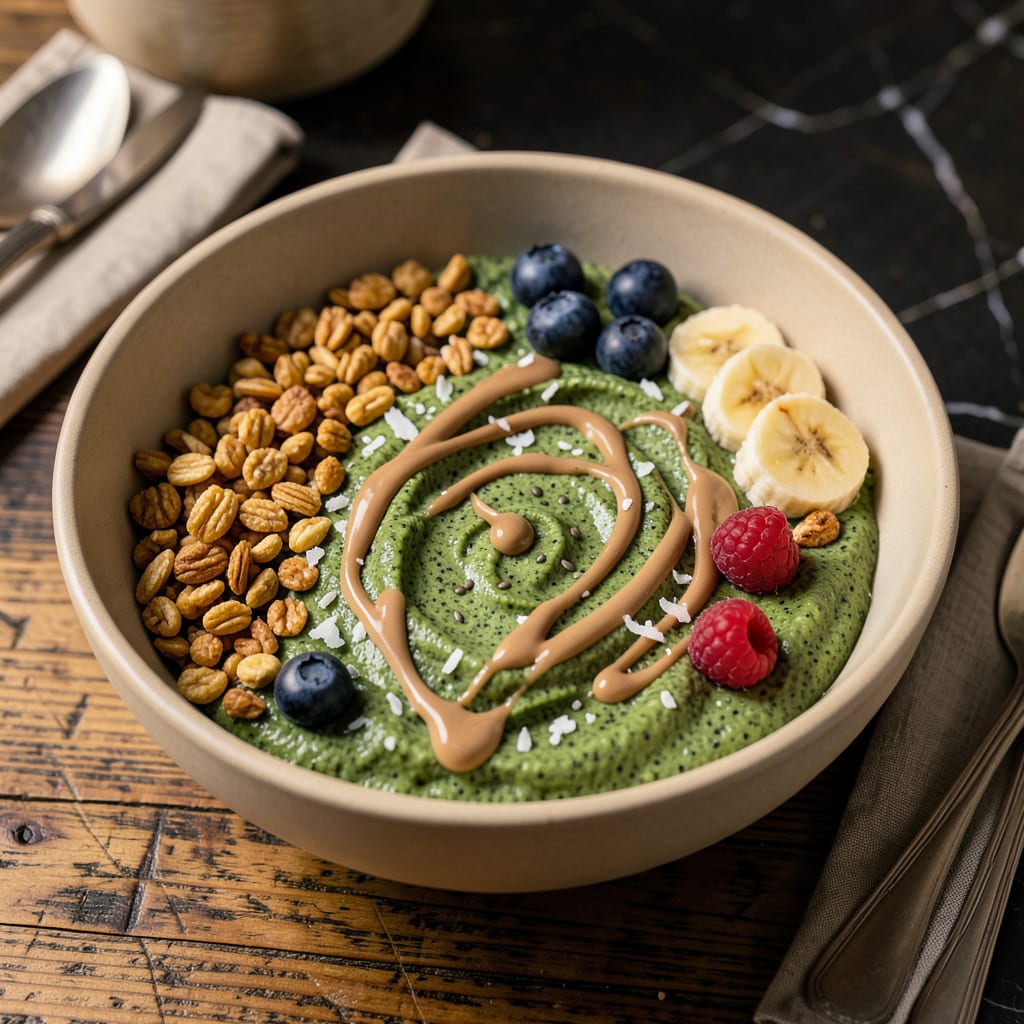
A homemade Kachava-style meal blend combines plant-based protein, superfoods, and adaptogens. Start with a base of pea protein, add chia seeds, maca powder, coconut milk, and your choice of fruits like banana or berries for natural sweetness.
Creating your own version at home lets you control every element—from protein quality to sweetness levels. 🔥 I love how adaptogens like maca bring subtle earthy notes that balance the creaminess of coconut milk, while chia seeds add that satisfying texture. The beauty is in the flexibility: you can swap ingredients based on what’s in your pantry or dietary needs. For example, almond butter works just as well as pea protein if you prefer a nutty flavor profile.
💡 In This Article
- Key Ingredients That Define a Kachava-Inspired Recipe
- Customizing Your Kachava Recipe for Dietary Needs
Key Ingredients That Define a Kachava-Inspired Recipe
The foundation of any Kachava-style blend starts with pea protein, which delivers 15-20g of protein per serving while remaining easily digestible. Unlike whey or soy, pea protein contains all nine essential amino acids and has an alkaline profile that’s gentler on digestion.
The slightly earthy taste pairs perfectly with adaptogens like maca powder, which adds a caramel-like depth while supporting energy balance. 🔥
Superfoods like chia seeds and flaxseeds contribute omega-3s and fiber, creating a gel-like texture when blended. Just 1 tablespoon of chia absorbs up to 10x its weight in liquid, making your shake thicker and more satisfying.
Coconut milk (or coconut water) provides healthy fats and electrolytes, while frozen bananas or berries add natural sweetness without spiking blood sugar. The combination creates a 40-60% carb, 20-30% protein, 10-20% fat ratio ideal for sustained energy.
What sets this apart from typical smoothies is the adaptogenic component. Maca, for instance, contains unique compounds called macamides that help regulate stress hormones. When combined with the magnesium in cacao or the L-theanine in matcha, you get a synergistic effect that supports focus without jitters.
The fat from coconut or nut butters slows digestion, preventing energy crashes common with sugar-heavy drinks. ✨
The flavor balance comes from contrasting elements: the creaminess of coconut milk softens the earthiness of pea protein, while citrus (like orange zest) or spices (cinnamon, vanilla) bridge the gap between sweet and savory. For texture, I recommend blending ice cubes last to maintain a frothy consistency rather than a watery one.
This mimics the commercial version’s signature mouthfeel.
Nutritionally, this combination covers all bases: plant protein for muscle repair, fiber for gut health, healthy fats for brain function, and adaptogens for stress support. The glycemic load stays under 10 when using low-sugar fruits, making it suitable for most dietary approaches.
Compared to store-bought versions, you’re avoiding fillers like maltodextrin while getting fresher, more potent ingredients. 💫
Pro tip: Soak your chia seeds for 10 minutes before blending to maximize their gel-forming properties. This creates a pudding-like base that makes the shake feel more substantial. The difference is noticeable—without this step, you might end up with a grainy texture instead of that signature creamy consistency.

- BBQ Sausage Recipe Oven: Smoky Depth Without the Grill - September 28, 2026
- BBQ Chicken Bowl Recipe Rice: Smoky Sweetness Over Fluffy Grains - September 28, 2026
- Beef Cutlet Recipe Ideas: Crispy Breaded Patties With Bold Seasonings - September 28, 2026