
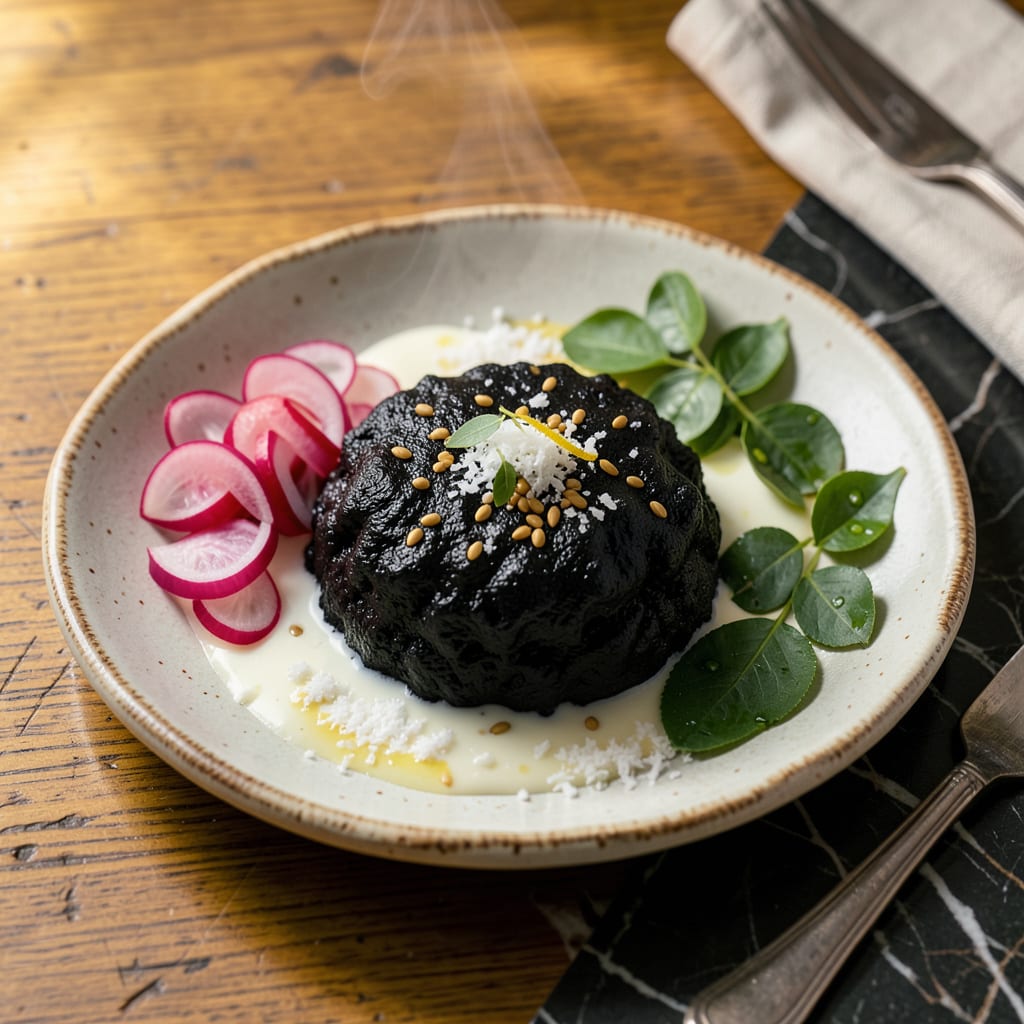
Kala is a traditional Goan fish curry featuring fresh coconut, tamarind, and aromatic spices. The dish balances tangy, spicy, and creamy flavors using kingfish or mackerel simmered in a rich, red-hued gravy made with Kashmiri chilies and kokum.
This coastal specialty reflects Goa’s Portuguese-influenced culinary heritage through its complex layering of flavors. 🌟 The secret lies in the careful balance between the sourness from kokum and tamarind with the richness of freshly grated coconut—creating a depth that’s both comforting and vibrant. I’ve found that using whole spices toasted just until fragrant makes all the difference in achieving that authentic restaurant-quality taste at home. The dish also showcases regional adaptability, with variations using everything from pomfret to prawns depending on what’s freshest at the local markets.
💡 In This Article
- Authentic Spices and Ingredients in Kala Curry
- Step-by-Step Cooking Process for Perfect Kala
Authentic Spices and Ingredients in Kala Curry
The magic of kala begins with its spice foundation. Kashmiri chilies provide that signature deep red hue without overwhelming heat, typically used at 8-10 dried pods for a standard batch. The real complexity comes from toasting whole spices—1 tbsp coriander seeds, 1 tsp cumin seeds, and 4-5 black peppercorns—until they release their essential oils.
This blooming process at medium-low heat transforms the spices from raw to aromatic powerhouses. 🔥
For the signature tang, kokum and tamarind work in perfect harmony. Kokum (about 4-5 dried pieces) offers a subtle, fruity sourness that’s unique to coastal Indian cuisine, while tamarind (1 tbsp pulp) adds depth with its molasses-like complexity. The ratio matters—too much tamarind makes it sharp, while kokum alone can taste flat.
Fresh coconut is non-negotiable here; the 1.5 cups grated coconut provides natural sweetness and body that canned versions simply can’t match.
The fish selection dramatically changes the dish’s character. Kingfish (surmai) remains the gold standard for its firm texture that holds up to 15-20 minutes of simmering. But mackerel (bangda) offers a richer, oilier alternative that pairs beautifully with the curry’s acidity.
For seafood lovers, prawns or mussels work wonderfully—just reduce cooking time to 8-10 minutes to prevent rubberiness. The protein choice affects how much liquid you’ll need, with firmer fish requiring about 1.5 cups more water than delicate seafood.
Regional variations show kala’s adaptability. In North Goa, you’ll often find added palm vinegar (1 tsp) for extra tang, while South Goan versions might include raw mango pieces during summer months. The coconut base also varies—some families use freshly squeezed coconut milk, others prefer the texture from grated coconut ground with water.
What never changes is the layering technique: spices first, then aromatics, followed by liquids, with fish added last to preserve its delicate texture. ✨
Here’s what most recipes don’t tell you: the quality of your kokum matters immensely. Look for plump, oily pieces with a deep purple-black color—these contain more hydroxycitric acid, the compound responsible for that perfect sour balance. Dried kokum should be soaked in 1/4 cup warm water for 15 minutes before using to extract maximum flavor.
This simple step can mean the difference between a good kala and an extraordinary one. 🌟
The freshness of your coconut makes or breaks the curry’s texture. A mature coconut (12-14 months old) yields the ideal balance of oil and water content. When grating, use the white flesh only—avoid the brown skin which can add bitterness. For the creamiest results, grind the coconut with 1/2 cup warm water and strain immediately.
This first press gives you the richest “thick milk” that forms kala’s velvety base, while a second press with 1 cup water provides the lighter “thin milk” for adjusting consistency.
Pro tip: The curry’s color deepens as it sits. That vibrant red you see in restaurants comes from both Kashmiri chilies and a technique called “dhungar” where a heated charcoal piece is briefly placed in the curry (covered) to infuse smoky notes.
At home, a pinch of smoked paprika (1/4 tsp) added at the end can mimic this effect beautifully. The flavors meld best after 1-2 hours of resting, making kala one of those rare dishes that tastes even better the next day. ⚡

- BBQ Sausage Recipe Oven: Smoky Depth Without the Grill - September 28, 2026
- BBQ Chicken Bowl Recipe Rice: Smoky Sweetness Over Fluffy Grains - September 28, 2026
- Beef Cutlet Recipe Ideas: Crispy Breaded Patties With Bold Seasonings - September 28, 2026