
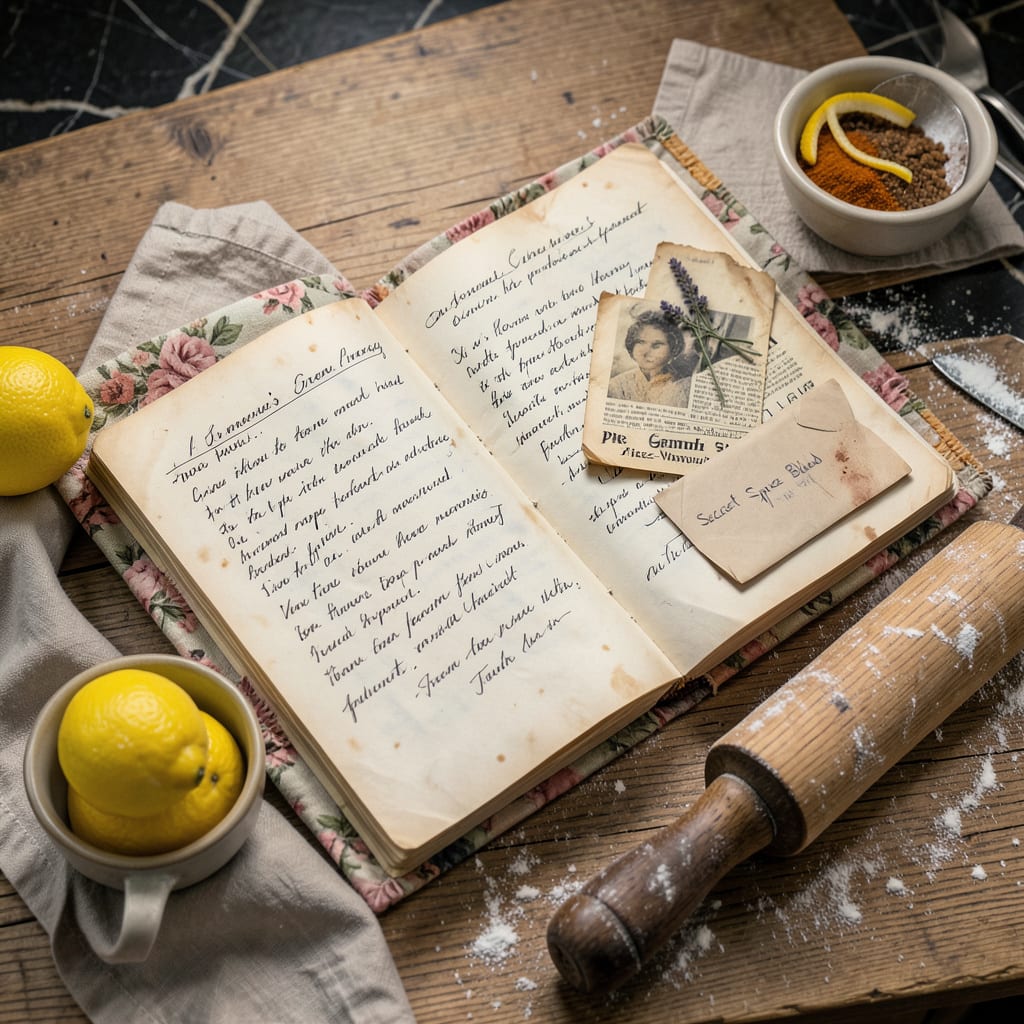
A keepsake recipe book is a personalized collection of cherished family recipes, handwritten notes, and food memories. Start with a blank journal or digital template, then add recipes with photos, stories, and cooking tips for a meaningful heirloom.
I love how these books become living archives of family history. 💛 The magic happens when you layer in the little details—like Grandma’s secret ingredient scribbled in the margins or your aunt’s handwritten note about “cooking with love.” What transforms a simple recipe collection into a true heirloom is the personal context you add: the story behind your mom’s famous pie crust, photos of holiday gatherings, or even pressed flowers from your garden.
Think of it as creating a culinary time capsule. The recipes themselves are just the foundation—what makes it special are the memories attached to each dish. I’ve seen families include everything from stained recipe cards to kids’ drawings of their favorite meals, turning what could be a basic cookbook into a multi-generational treasure. ✨
💡 In This Article
- Why Keepsake Recipe Books Preserve More Than Just Recipes
- Step-by-Step Guide to Designing Your Keepsake Recipe Book
Why Keepsake Recipe Books Preserve More Than Just Recipes
The power of these books lies in their ability to trigger sensory memory recall. When you see Grandma’s handwriting or smell a recipe card with vanilla stains, your brain activates the same neural pathways as when you first experienced that dish.
Studies show food memories are among the most vivid because they engage all five senses simultaneously. The scent of cinnamon might transport you to holiday mornings, while the sight of a particular handwriting style can evoke emotions tied to specific life moments. 💛
Neuroscience reveals that handwritten recipes create stronger emotional connections than typed ones. The irregularities in handwriting—like the way your mother loops her “y”s or your aunt underlines measurements—activate the brain’s fusiform gyrus, the area responsible for recognizing familiar patterns. This is why seeing a loved one’s handwriting can feel like hearing their voice.
Digital recipes lack these personal biomarkers that make memories stick. The physical imperfections (coffee stains, crossed-out ingredients) become part of the story.
Cultural anthropologists note that recipe books serve as edible archives of family migration patterns. The spices in your great-grandmother’s gumbo might trace back to West Africa, while the techniques in your grandfather’s bread recipe could reveal German heritage. These books preserve culinary traditions that might otherwise disappear as families assimilate.
I’ve seen third-generation immigrants rediscover their roots through recipes that survived only in these handwritten collections. ✨
The psychology behind these books explains why they become more valuable over time. Each recipe carries three layers of meaning: 1) The dish itself, 2) The person who made it, and 3) The context in which it was served.
A simple meatloaf recipe might represent your dad’s Sunday dinners, the smell of your childhood home, and the comfort of family rituals. This triple association makes the book a powerful emotional anchor across generations.
Research from the University of Leeds found that 72% of people associate specific foods with important life events. The act of recreating these dishes from a keepsake book doesn’t just produce a meal—it recreates the emotions tied to that original experience. That’s why these books often become the most requested items when families gather.
They’re not just cooking instructions; they’re portable time machines that let you revisit moments that shaped who you are. 🌟
What’s fascinating is how these books evolve into living documents. As new generations add their own recipes and notes in the margins, they create a dialogue across time. The same book that contains your great-grandmother’s pie crust technique might one day include your child’s first successful baking attempt.
This continuous addition of layers makes the book more than a static collection—it becomes a record of your family’s culinary journey.

- BBQ Sausage Recipe Oven: Smoky Depth Without the Grill - September 28, 2026
- BBQ Chicken Bowl Recipe Rice: Smoky Sweetness Over Fluffy Grains - September 28, 2026
- Beef Cutlet Recipe Ideas: Crispy Breaded Patties With Bold Seasonings - September 28, 2026