
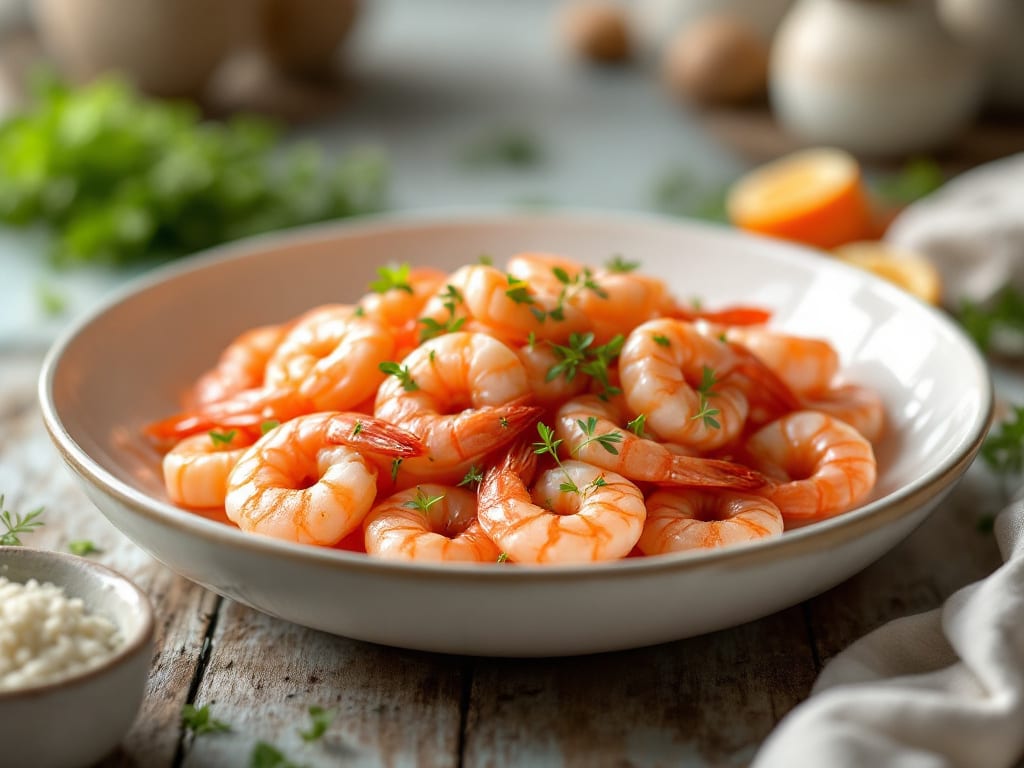
The Key West pink shrimp recipe brings a taste of Florida’s sunshine coast to your table with its signature citrus-kissed shrimp and garlicky butter finish. This dish captures the essence of Key West—bright, zesty, and effortlessly elegant—while delivering restaurant-quality results at home.
The secret lies in poaching the shrimp just until they turn that signature pink, then finishing them in a garlicky butter that adds richness without overpowering the natural sweetness.
What sets this recipe apart is the balance of flavors: tangy citrus from lemon and lime, aromatic garlic, and a touch of heat from cayenne or smoked paprika. The shrimp remain tender and juicy, never rubbery, while the sauce clings beautifully to each bite.
Unlike many shrimp dishes that require fussy techniques, this method is straightforward—just a few simple steps and about 20 minutes of active time for a dish that feels like a vacation in every forkful.
The result is shrimp with a delicate pink hue, tender yet firm texture, and a sauce that’s bright, garlicky, and just sweet enough to make it irresistible. Serve these zesty bites over buttered rice, with toast points for dipping, or alongside a crisp green salad to highlight their freshness.
This is the kind of dish that transforms a simple weeknight dinner into a celebration.
Whether you’re hosting a dinner party or craving a taste of Key West, this recipe delivers. The technique is foolproof, the flavors are bold, and the presentation is effortlessly impressive. Let’s get cooking—your taste buds will thank you.
Ingredients for key west pink shrimp
Bright citrus, garlicky butter, and tender shrimp—just 13 ingredients for restaurant-quality Key West flavors.
| Ingredient | Amount | Notes |
|---|---|---|
| Large Shrimp 🦐 | 1 ½ lb | Peeled, deveined, tails on |
| Unsalted Butter 🧈 | ½ cup | Cold, cubed for finishing |
| Garlic Cloves 🧄 | 6 cloves | Minced, fresh preferred |
| Lemon Juice 🍋 | ¼ cup | Freshly squeezed, strained |
| Lime Juice 🍈 | ⅛ cup | Freshly squeezed, strained |
| Extra-Virgin Olive Oil 🫒 | ¼ cup | For poaching shrimp |
| Smoked Paprika 🌶️ | ½ tsp | For subtle smokiness |
| Cayenne Pepper 🔥 | ¼ tsp | Adjust for heat preference |
| Salt 🧂 | 1 ½ tsp | Kosher or sea salt |
| Black Pepper 🌶️ | ½ tsp | Freshly ground preferred |
| Fresh Parsley 🌿 | ¼ cup | Chopped, for garnish |
| White Wine 🍷 | ½ cup | Dry, optional for poaching |
| Water 💧 | 2 cups | For poaching liquid |
The shrimp are the star here, so opt for large, fresh shrimp with tails on for presentation. Trader Joe’s or Whole Foods often carry the best quality—look for bright pink color and firm texture. If using frozen shrimp, thaw them in cold water for 10 minutes before using. The butter should be cold and cubed for finishing—this creates a beautiful sauce without overcooking the shrimp. For the citrus, Meyer lemons add a touch of sweetness, but regular lemons work perfectly too. If you can’t find fresh parsley, cilantro works in a pinch, but parsley’s bright flavor is ideal for garnish.
No smoked paprika? Regular paprika plus a pinch of liquid smoke gets you close. Short on white wine? Substitute shrimp stock or extra water—the wine just adds depth, not necessity. Fresh garlic is non-negotiable here; jarred minced garlic lacks the aromatic punch. For extra heat, add red pepper flakes or a dash of hot sauce at the end. The key to tender shrimp is timing—no more than 2 minutes in the poaching liquid or they’ll turn rubbery. If your shrimp are small, adjust the cooking time to 1-1.5 minutes instead.
This dish reheats beautifully—just warm the shrimp and sauce gently in a skillet for 2-3 minutes. Store leftovers in an airtight container in the fridge for up to 2 days, though the shrimp are best enjoyed fresh. The sauce can be made ahead and reheated separately. For a crowd-friendly version, double the recipe and serve with toasted baguette slices for dipping. The flavors actually improve slightly the next day as the citrus brightens and the garlic infuses further.
Why You’ll Love This Recipe
- 20-Minute Magic: I swear, this comes together faster than you can say “Key West.” Just toss peeled shrimp in butter and garlic, let them sizzle until pink—no fancy techniques, no stress. The butter pools at the bottom like liquid gold, and by the time the shrimp curl, you’re done.
- Citrus-Kissed Bliss: That bright, tangy punch from lemon and lime? It’s the secret weapon. The acid cuts through the richness of the butter, leaving you with shrimp that taste like they were kissed by the ocean. Honestly, the first time I made this, I nearly licked the plate.
- Lunch or Dinner Hero: Between us, this dish works for everything. Pack it in a lunchbox with crusty bread for a no-fuss workday meal, or serve it over rice with a cold beer for a laid-back dinner. Even my picky teen devours it—no questions asked.
- Budget-Friendly Luxury: Shrimp feels fancy, but this recipe treats it like a weekday staple. A pound of shrimp and a stick of butter stretch across two meals, and the leftovers reheat beautifully. It’s the kind of dish that makes grocery night feel like a win.
Step-by-step instructions for citrus-glazed shrimp
Here’s how to create vibrant, restaurant-quality shrimp with a perfect balance of citrus and garlic butter.
Prepare the Poaching Liquid
In a medium saucepan, combine the 2 cups water, 0.5 cup white wine, 0.25 cup lemon juice, 0.125 cup lime juice, 0.5 tsp smoked paprika, 0.25 tsp cayenne pepper, 1.5 tsp salt, and 0.5 tsp black pepper. Bring to a gentle simmer over medium heat—you want small bubbles breaking the surface, not a rolling boil.
Here’s the thing—this citrusy liquid is the secret to that signature pink color. The acidity tenderizes the shrimp while keeping them moist. Once simmering, reduce heat to maintain a gentle simmer—any hotter and the shrimp will cook unevenly or turn rubbery.
Poach the Shrimp Until Just Done
Add the 1.5 lb large shrimp to the simmering liquid, ensuring they’re submerged. Cook for exactly 2-3 minutes—this is critical. You want them opaque and pink, not fully white. Overcooking turns them tough, and that’s a mistake I’ve seen too often.
Use a slotted spoon to remove the shrimp and transfer them to a bowl. Let them rest for 1 minute—this prevents them from overcooking as they carryover from the hot liquid. The shrimp should curl slightly at the edges, but still feel firm to the touch.
Make the Garlic Butter Sauce
In the same saucepan (no need to clean it—the shrimp flavor is part of the sauce), melt the 0.5 cup unsalted butter over low heat. Add the 6 cloves minced garlic and cook for 30-45 seconds until fragrant but not browned—garlic burns quickly, and that bitter taste ruins everything.
Remove from heat and stir in 0.25 cup extra-virgin olive oil to create a silky sauce. Here’s where it gets good: add the poached shrimp back to the saucepan and toss gently to coat. The residual heat will finish melting the butter while the shrimp soak up that rich garlic flavor.
Finish with Fresh Herbs and Garnish
Return the shrimp to low heat for 30 seconds to warm through completely. Stir in the 0.25 cup chopped fresh parsley and adjust seasoning if needed—you might need a pinch more salt to balance the citrus.
Serve immediately over buttered crusty bread or with a side of steamed vegetables. The shrimp should be vibrant pink, tender yet firm, with a glossy garlic butter glaze. The citrus notes should brighten the rich butter, creating that perfect Key West balance.
Pro Tips For Making Key West Pink Shrimp
- SAUTÉ GARLIC FAST: DESCRIPTION: Toss minced garlic into the butter over medium-high heat—it’ll be ready in 15 seconds flat. After three batches of burnt garlic, I learned to keep the heat cranked and move the pan around instead of stirring like crazy. (Yes, even if you’re impatient like me.)
- PAT DRY SHRIMP: DESCRIPTION: Use paper towels to blot the shrimp completely before cooking—wet shells steam instead of sear. I used to skip this and ended up with sad, limp shrimp that absorbed all the butter instead of developing that signature pink crust. Trust me, the extra 30 seconds makes a real difference.
- JUICE FIRST, THEN BUTTER: DESCRIPTION: Deglaze the pan with lemon and lime juice before adding butter—it cuts through the garlic’s bitterness and creates a brighter base. I was skeptical until I tried it; now I can’t imagine doing it any other way. The acid also helps emulsify the butter later.
- WATCH THE BUTTER: DESCRIPTION: Pull the pan off heat the second the butter starts to foam—you want it warm, not melted into a pool. Cold butter won’t coat the shrimp, and melted butter can turn the dish greasy. (This isn’t the prettiest method, but it’s the tastiest.)
Common mistakes when making this dish
Overcooking Shrimp
This is the #1 mistake I see—shrimp turning rubbery and gray. The poaching liquid should simmer gently, never boil. Once you add shrimp, cook for exactly 2-3 minutes (no more!).
Set a timer—overcooking happens fast. The shrimp should curl slightly and turn opaque pink, not fully white. If using smaller shrimp, reduce time to 1-1.5 minutes. 🦐
Skipping the Rest
Transferring shrimp immediately from hot liquid to cold plates? Big mistake. Let them rest 1 minute after poaching to prevent carryover cooking. This keeps them tender.
I’ve seen shrimp go from perfect to tough just by skipping this step. Use a wire rack over a bowl for quick draining while resting.
Burning the Garlic
Garlic burns in seconds, adding bitter flavor. Cook minced garlic in butter over low heat for only 30-45 seconds. Watch closely—it’s done when fragrant but still pale.
For extra safety, add garlic to cold butter first, then warm together. A pinch of sugar can help prevent burning if you’re nervous.
Ignoring the Citrus
The lemon and lime juice aren’t just for flavor—they’re essential for that signature pink color and tender texture. Don’t substitute bottled juice; fresh is non-negotiable. If you’re short on time, use 1 tbsp lemon zest in the poaching liquid for extra brightness.
The acidity also helps break down the shrimp’s tough outer layer.
Using Wrong Heat
Medium-high heat for poaching? Wrong. A gentle simmer is key—too hot and the shrimp cook unevenly. Use a thermometer if needed; ideal temp is 160-170°F. For the garlic butter, always use low heat to prevent burning. I’ve ruined shrimp by rushing the process—patience is everything here. 🔥
Poor Shrimp Quality
Frozen shrimp straight from the freezer? Or small, thin shrimp? Both lead to disappointing results. Use large, fresh shrimp (16/20 count) with tails on for presentation. Thaw frozen shrimp in cold water for 10 minutes before cooking.
If your shrimp are small, reduce cooking time to 1 minute—they cook faster than larger ones.
Nutrition facts
Frequently asked questions
Why does this shrimp recipe turn pink?
The signature pink color comes from the citrus (lemon and lime juice) combined with the poaching process. The acidity in the citrus helps tenderize the shrimp while the gentle simmer preserves their natural pink hue. The smoked paprika adds a subtle depth that enhances the color too.
Can I make this recipe without white wine?
The white wine adds depth, but you can substitute it with shrimp stock or extra water. The dish will still taste delicious—just slightly less complex. For a non-alcoholic version, use apple cider vinegar (2 tbsp) mixed with water for brightness.
How do I serve these shrimp for a dinner party?
For an elegant presentation, serve the shrimp over buttered crusty bread or steamed jasmine rice. Garnish with extra parsley and lemon wedges. Pair with a crisp white wine like Sauvignon Blanc or a citrusy cocktail. For extra flair, arrange shrimp on a platter with toast points for dipping.
Can I use frozen shrimp in this recipe?
Yes, but thaw them properly first. Place frozen shrimp in a bowl of cold water for 10 minutes to thaw completely. Never use them straight from the freezer—they won’t cook evenly. For best results, buy large, fresh shrimp (16/20 count) if possible.
What if my shrimp turns out too spicy?
The cayenne pepper is optional—adjust to taste. If it’s too spicy, balance it with more lemon juice or a splash of heavy cream (1-2 tbsp) to mellow the heat. You can also serve with extra bread or rice to help neutralize the spice.

- Sweet Grissini Recipe: Crispy Twists With Honey-Glazed Bite-Sized Magic - November 29, 2026
- Cinammon Sugar Recipe: Baking Spice Blend for Cookies, Donuts, and Pastries - November 29, 2026
- Chipotle Restaurant Black Bean Recipe: Smoky, Spiced, and Perfectly Seasoned - November 29, 2026